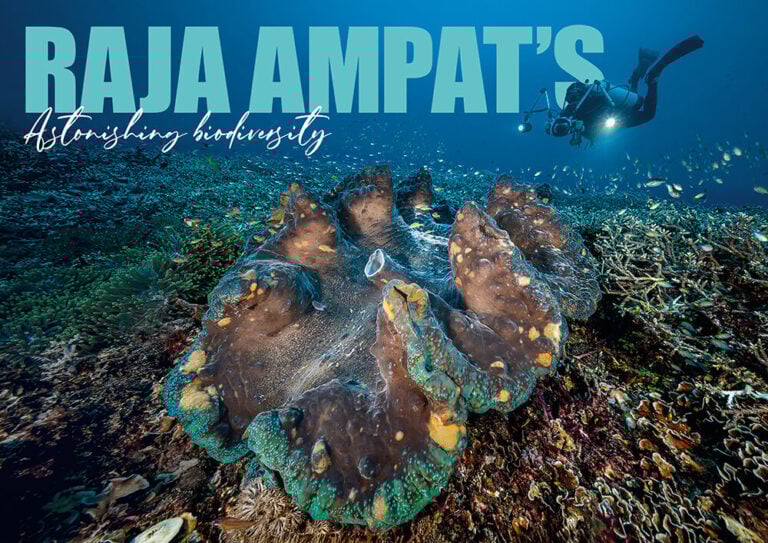
Don Silcock takes a closer look at what makes Raja Ampat such a hotspot for marine life – and such a Mecca for scuba divers.
Raja Ampat by the Numbers
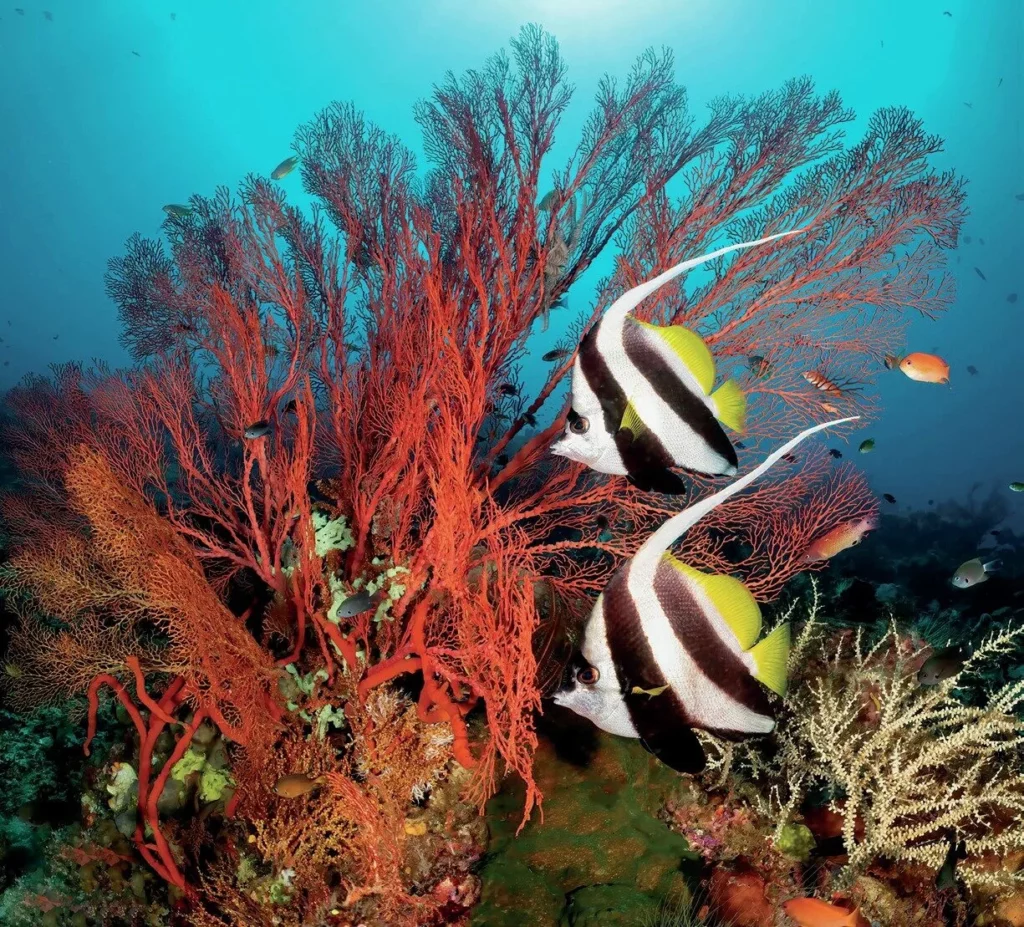
The numbers don’t lie… Surveys by Conservation International (CI) and The Nature Conservancy (TNC) have quantified Indonesia’s Raja Ampat marine biodiversity at more than 550 species of corals, 700 species of molluscs, and over 1,800 species of reef fish.
Add to that, 17 species of marine mammals – including sperm whales, dolphins, orcas, and dugongs – plus oceanic and reef manta rays, numerous shark species, and five species of sea turtles, and you begin to grasp the extraordinary biological richness of this remote part of the vast Indonesian archipelago.
To put those numbers into perspective, the Red Sea – also renowned for its marine biodiversity – has around 300 species of reef-building corals and 1,000 fish species. In short, Raja Ampat is widely considered to have the highest marine biodiversity on the planet.
Why Is Raja Ampat So Biodiverse?
Two key factors underpin this astonishing biodiversity. The primary driver is a powerful force of nature known as the Indonesian Throughflow -the largest movement of seawater on Earth.
This phenomenon is complex, but the Reader’s Digest version is that due to the Earth’s rotation, vast amounts of seawater build up in the northwestern Pacific Ocean. This creates a sea level difference of about 20mm to 30mm between the Pacific and the Indian Ocean to the southeast. As water always flows from high to low, that imbalance generates a massive, consistent flow through the Indonesian archipelago – the Indonesian Throughflow. That flow of water boosts biodiversity in two vital ways:
Nutrient-rich upwellings – As it nears Raja Ampat, the Throughflow triggers upwellings that draw nutrients up from deep offshore ocean basins. Those nutrients, rich with nitrogen and phosphorus, fuel the growth of the reefs and ecosystems supporting that sustain marine life.
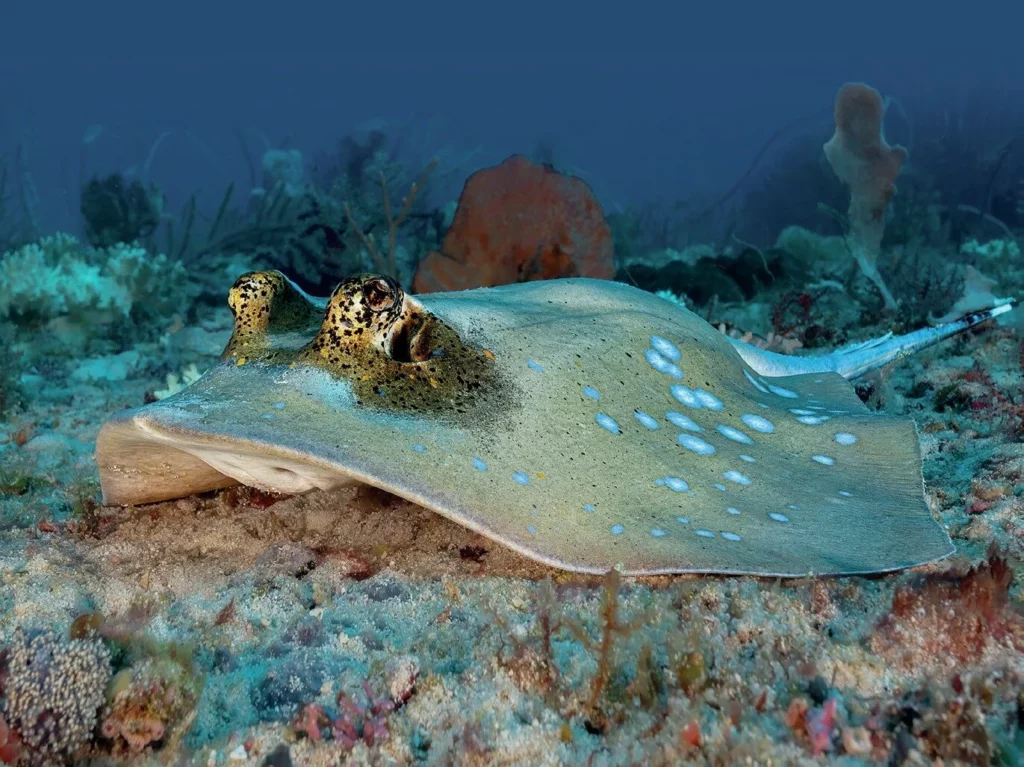
Did you Know?
Raja Ampat, located in West Papua, Indonesia, is renowned as a world-class diving destination due to its unparalleled marine biodiversity. Divers can expect to encounter a wide array of marine life and dive incredible wrecks from World War Two.
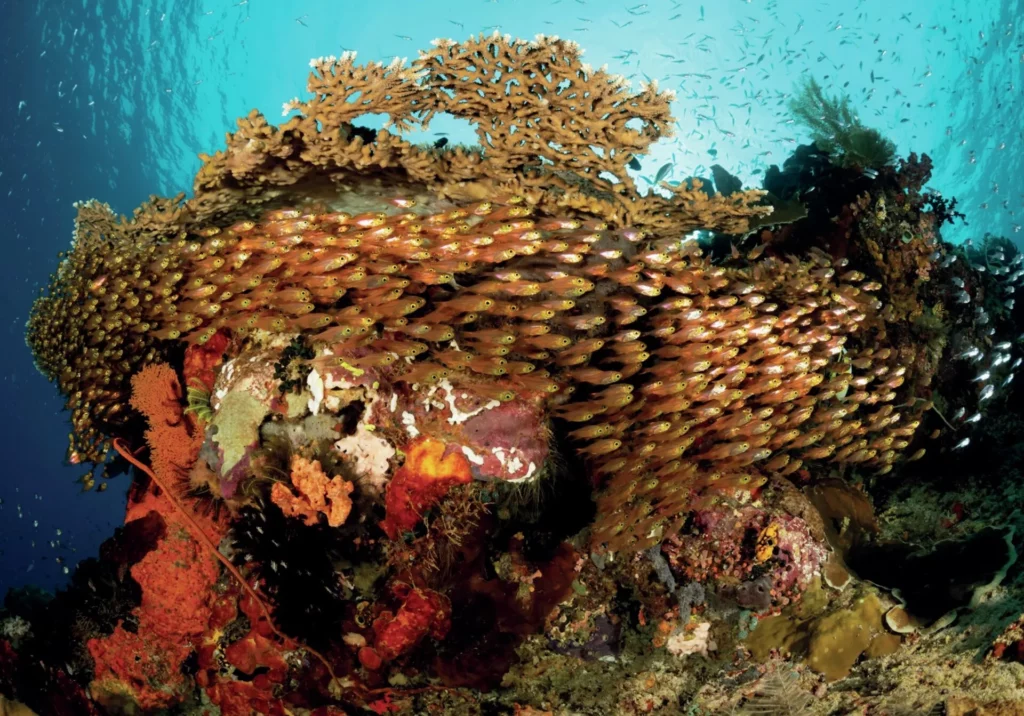
Efficient dispersal – Once marine life flourishes, the Throughflow acts as nature’s delivery system, spreading eggs and larvae across the region to seed and replenish reefs far and wide. In short, the Indonesian Throughflow is nature’s ultimate supply chain, sustaining and spreading the marine richness that makes Raja Ampat truly unique.
A Region Shaped by Habitat Diversity
Raja Ampat is as scenic and biodiverse above water as it is below. In addition to the four main islands (the ‘Four Kings’), the region includes some 1,500 smaller islands, providing an enormous variety of habitats for marine life.
Those habitats range from islands and seamounts exposed to the full force of the Throughflow, to sheltered bays and mangroves that offer refuge from it.
In many ways, this range of habitats is Raja Ampat’s competitive advantage and allows it to fully benefit from both the nutrients delivered and the region’s natural dispersal system.
How and When to Dive Raja Ampat
Well… it really depends on what you want to see, because what you can see depends on the time of year.
The #1 urban myth about diving Raja Ampat is that the ‘season’ is from early November to March and, it probably is, if you intend to dive there from a liveaboard.
Almost all liveaboards operating there make the crossing north through the Banda Sea in October. They do it then because it’s the doldrum period between the monsoonal trade winds and the safest time to cross such a wide-open area with minimal shelter.
That means they arrive in Raja Ampat by late October, ready for the ‘season’… and they depart in early April, when conditions are best for the long journey west across the Halmahera Sea to North Sulawesi.
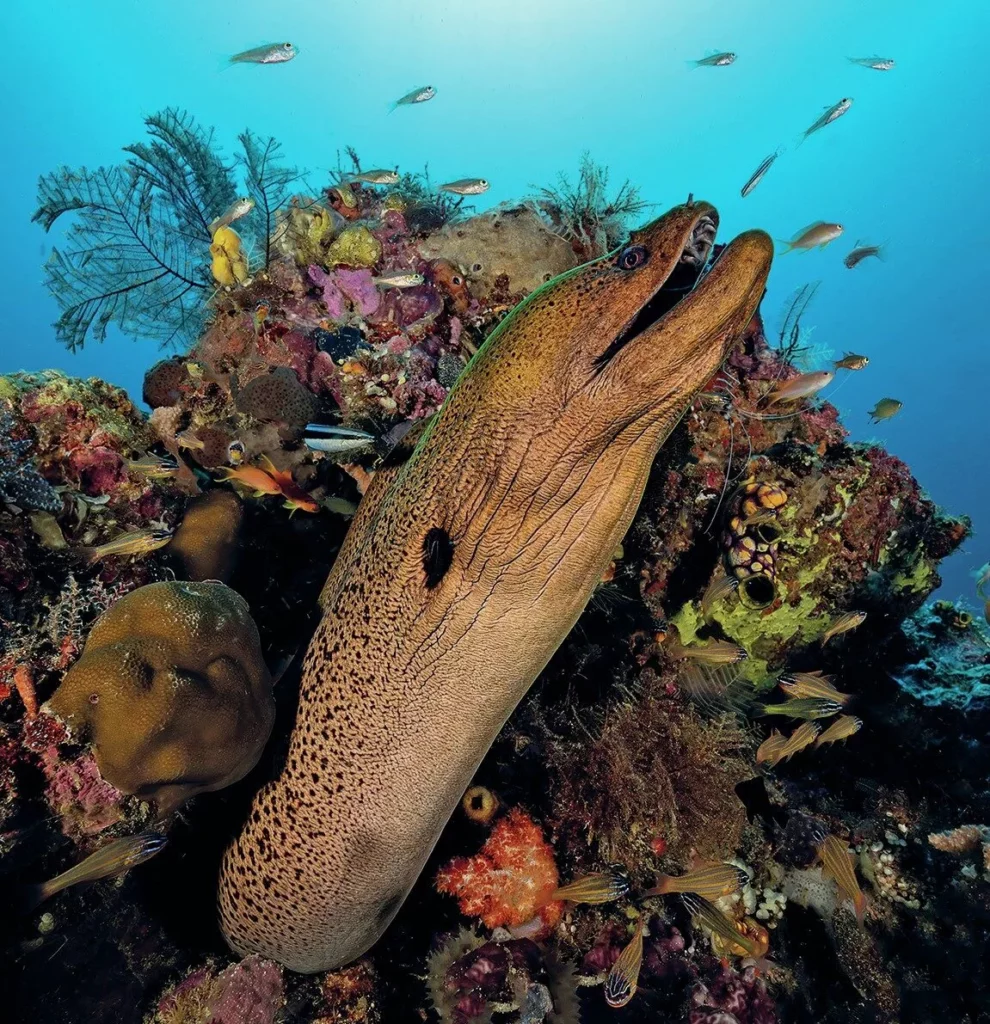
Did you know?
Sweetlips are a diverse group of ray-finned fish known for their distinctive, fleshy lips and are found in tropical and subtropical waters worldwide. A key characteristic of sweetlips is their varying colour patterns/markings, especially between juveniles and adults.
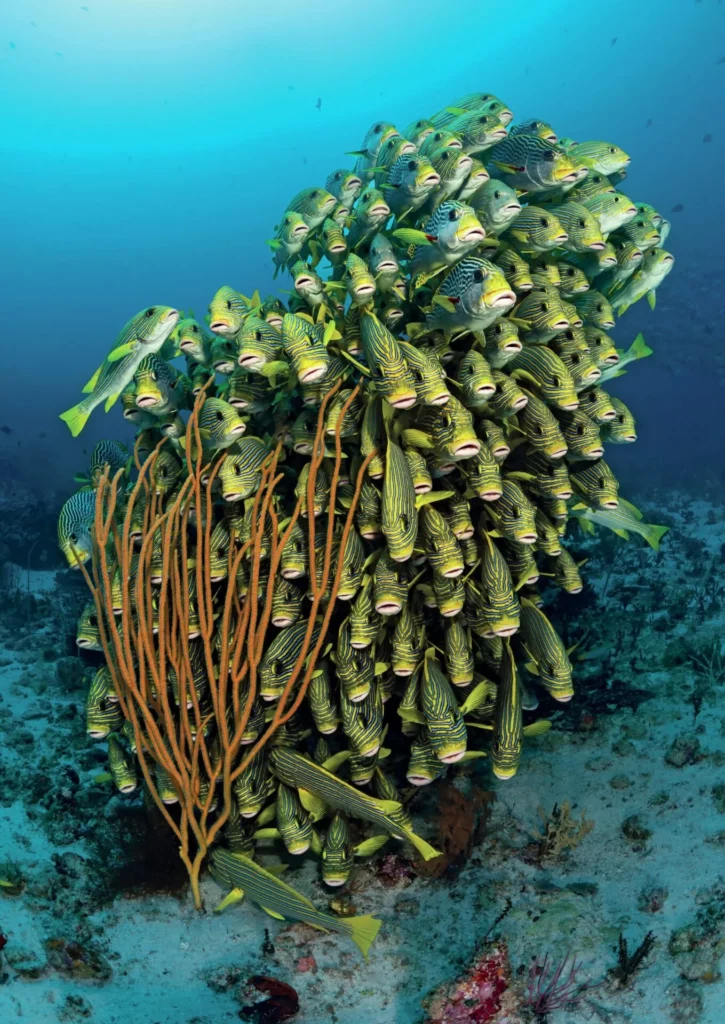
Liveaboard vs Resort-Based Diving
Liveaboards are indeed a great way to experience Raja Ampat. But resort-based diving is also an excellent option, especially as it allows access to the many varied habitats outside of the ‘season’ – which, in many cases, is when they’re at their best.
Seasons, Conditions and Visibility
Raja Ampat enjoys a warm tropical climate year-round, with daytime temperatures of 26–28°C and remarkably consistent water temperatures around 29°C.
January and February are the wettest months, and visibility is often poor – just as visitor numbers peak and the best dive sites get crowded. August and September are the driest months, but winds can be strongest then. Overall, the very best months (IMHO..) are March and April, together with August and September, as they offer the optimum overall diving conditions and visibility. The downside of the latter two being the stronger winds in August, but that can be mitigated by choosing dive areas sheltered behind islands.
The bottom line? Raja Ampat’s astonishing biodiversity is a year-round phenomenon and you just need to choose the right time for what you want to see.
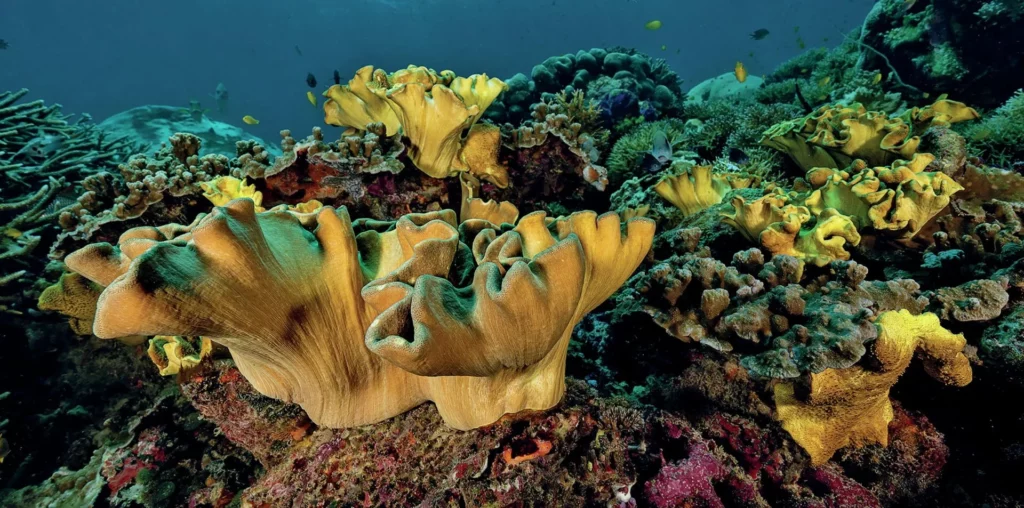
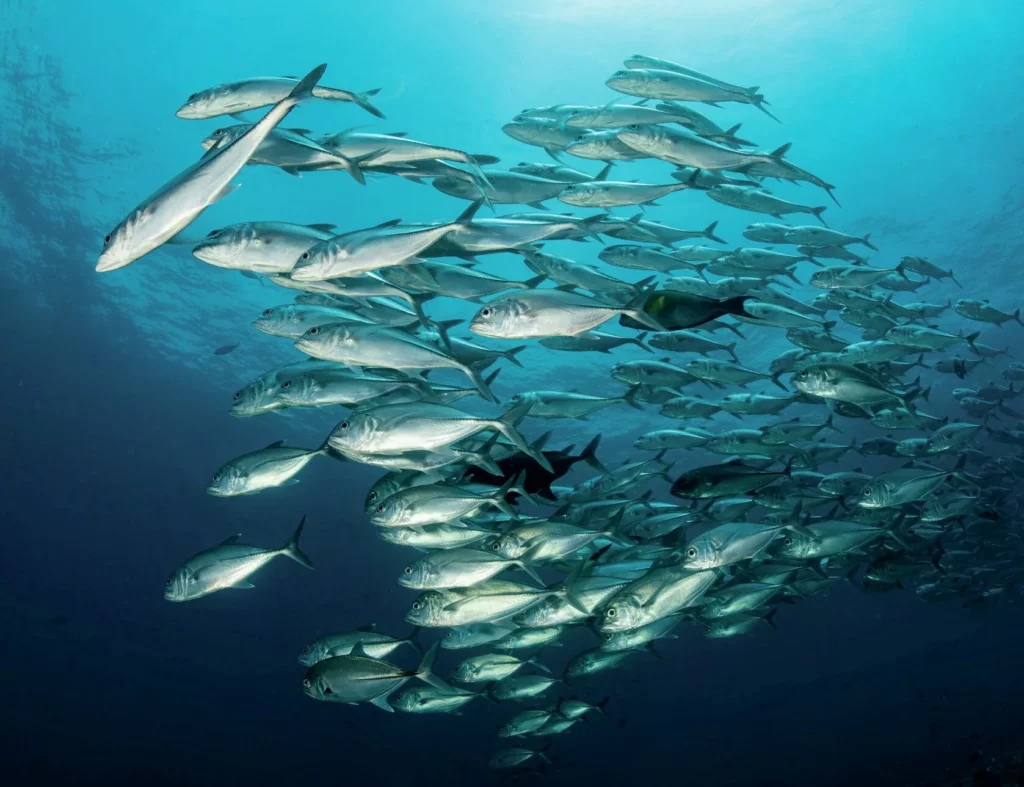
Why Raja Ampat Belongs on Every Diver’s List
Raja Ampat is, without doubt, one of the most-spectacular areas in Indonesia’s incredible archipelago. It also holds the greatest marine biodiversity not only in Indonesia, but across the Coral Triangle, of which it is the effective epicentre. It really is a must-do diving location which can now be dived by both liveaboards and lend-based resorts and I have been very fortunate to do a lot of both.
For me, it comes down to this… If you think you’ll only ever do one trip, a liveaboard is probably your best bet as you will cover more ground and see more of the region. But if you want to go deeper, take your time, and peel the onion a little, then a land-based option is the way to go. Understand it, follow it and you’ll be on the right track. You won’t be disappointed! n
Don Silcock
Don is Scuba Diver’s Senior Travel Editor and is based from Bali in Indonesia. His website has extensive location guides, articles and images on some of the best diving locations in the Indo-Pacific region and ‘big animal’ experiences globally.
Frequently Asked Questions
Why is Raja Ampat considered the most biodiverse marine region on Earth?
Raja Ampat combines powerful nutrient flows, efficient larval dispersal and an extraordinary range of habitats, resulting in unmatched marine diversity.
How many species live in Raja Ampat?
Surveys have recorded over 550 coral species, 1,800 reef fish species, 700 molluscs, plus marine mammals, sharks and five species of sea turtles.
What is the Indonesian Throughflow?
The Indonesian Throughflow is the world’s largest movement of seawater, driving nutrient upwellings and dispersing marine life throughout Raja Ampat.
When is the best time to dive Raja Ampat?
Raja Ampat can be dived year-round, with March–April and August–September offering the best balance of visibility and conditions.
Is Raja Ampat only suitable for liveaboard diving?
No. While liveaboards are popular, resort-based diving provides excellent access to sheltered habitats and off-season diving.
This article was originally published in Scuba Diver Magazine
Subscribe today with promo code DIVE1 — enjoy 12 months for just £1!
