
When David Jones ended up on the island for a family holiday, he decided to book a few days of diving in Crete, and was pleasantly surprised by what he found in the crystal-clear waters surrounding the island.
Why Crete Rarely Appears on Divers’ Bucket Lists
It would be pretty safe to say that Crete would not be a diving destination to be found on the bucket list of most people reading this article. In fact, only a few Mediterranean destinations tend to appear on the radar of your average UK diver -the Medes Islands in Spain, Malta and Gozo, Cyprus, and perhaps Croatia being the exceptions.
Marine life is often sparse at best and water temperatures a tad below the summer experience we are looking for, so when we do venture into the ‘Med’ it’s generally in pursuit of something specific, such as wrecks, caves and caverns, or a coastline to die for. Crete had never really struck me as offering any of those opportunities and was not, therefore, a diving location I had even considered – until quite recently!
A Holiday Surprise on the North Coast of Crete
Earlier on in the year I was informed that I would be going on a surprise family holiday on the north coast of Crete and it left me in a slight panic to be honest. Like most divers, the thought of spending hours by a pool filled me with dread – how would I get through the week without going ‘cold turkey’? I could do some trekking – three stunning mountain ranges over 2,000 metres split the island from east to west. I could walk through some staggeringly beautiful gorges carved through the limestone formations that dominate the island’s geology. Alternatively, there was plenty of historical stuff that would be worth a visit, from the ruins of ancient Minoan civilization to World War Two sites that would satisfy my ex-military curiosity. They all had the potential to stave off imminent madness, but surely there had to be some decent diving as well?
Did you Know?
You can dive in Crete all year round, but it is obviously weather dependent. Northerly winds can result in a large swell at times. Sea temperatures were 25 degrees C in early June, can reach 27 degrees C in August and go down to 15 degrees C in March.
Discovering Dive Centres and Local Sites
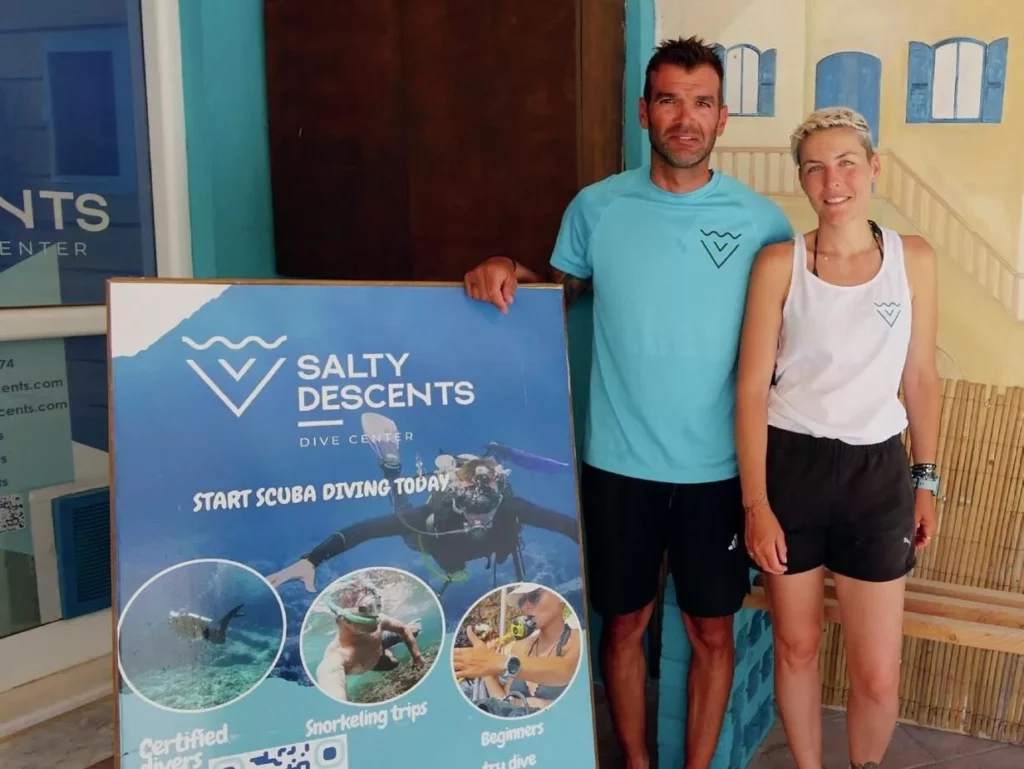
A quick Google search showed that there were plenty of dive centres and some varied dive sites. Most appeared to be on the north coast, which was fortunate as that was where we were staying. I decided to send a speculative email to Salty Descents, an SSI dive centre in the village of Kalyves, for no other reason than they were walking distance from where I was staying.
Within less than a day they had responded, outlining their operation and describing some of the dive sites. All very professional and really friendly, and with that I booked three days of diving.
We landed at Chania airport and during the 40-minute drive to Kalyves, there were two things that stood out. First was the spectacular mountain range. Second was the gorgeous coastline, which had that beautiful, rugged appearance found in so many Mediterranean countries. Rocky limestone cliffs and headlands, shallow waters that glowed an iridescent turquoise and small sandy bays dotted with umbrellas and beach towels. It was really rather lovely.
Having settled in, the following morning, I escaped from the villa under cover of breakfast and walked into the village to check in with the dive centre. Giorgos and Ioanna, the owners, were not from Crete I learned, but from mainland Greece. They had come to the island and fallen in love with it – more specifically, they had fallen in love with underwater Crete. Having packed more beach towels and shorts than dive gear for once in my life, I was sized up for rental kit, which was well maintained and clean. I completed the mandatory paperwork and over a coffee we discussed the diving. I asked bluntly whether Crete was somewhere for a seven-day dive trip and the reply was honest. “There is some great diving, but this is the Mediterranean and overfishing has taken its toll,” said Ioanna. She finished by saying that she was sure I would be pleasantly surprised.
First Dives in Souda Bay
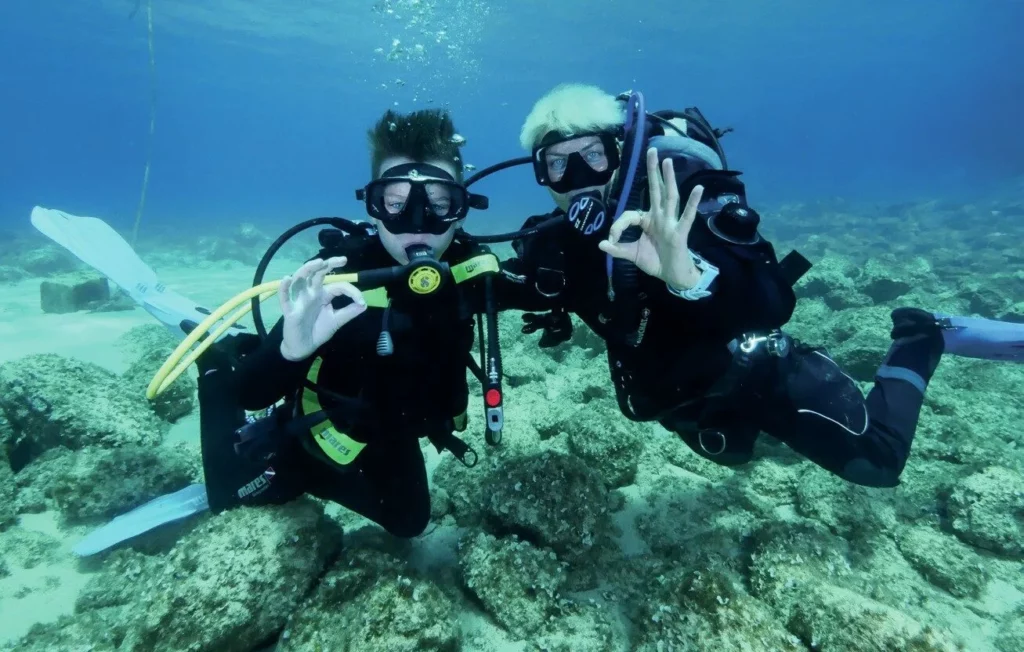
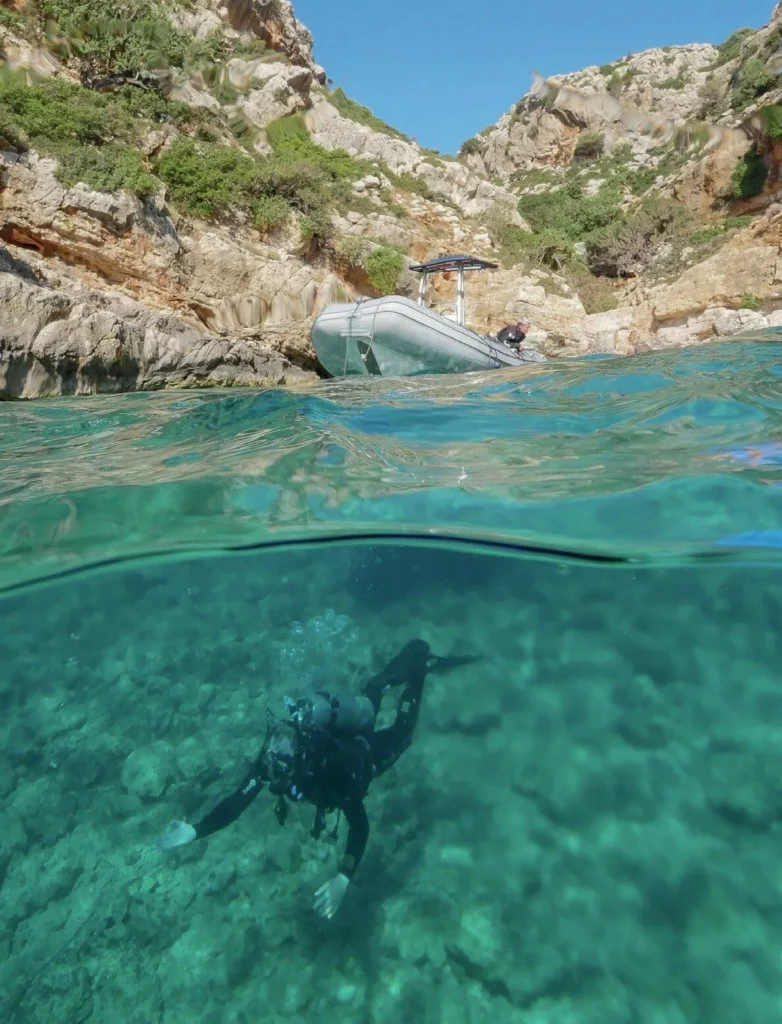
The following day I arrived at the dive centre, and we drove to the nearby marina. There were three other divers on the boat – a family from the US, including one youngster who was completing his Open Water course. Diving was from a seven-and-a-half metre RIB and we crossed the deep channel of Souda Bay to a small inlet called Pervolitsa. The shallow water was crystal clear and a perfect site for training.
Haloclines, Canyons and a Loggerhead Turtle
Dropping over the side of the boat I could feel a difference in water temperature between my feet and my chest. I looked underwater and there was a clearly discernible halocline as fresh water at a constant 21 degrees C poured from gaps in the rocks and mixed with seawater. It was a reminder of the limestone geology of the island.
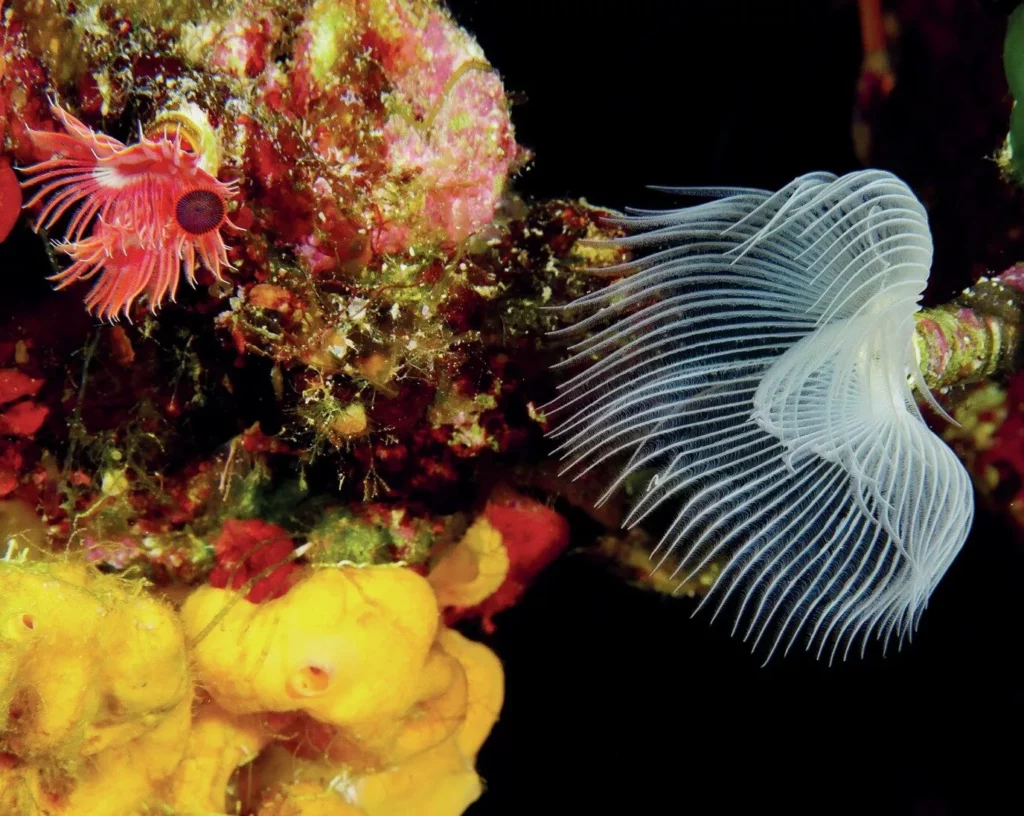
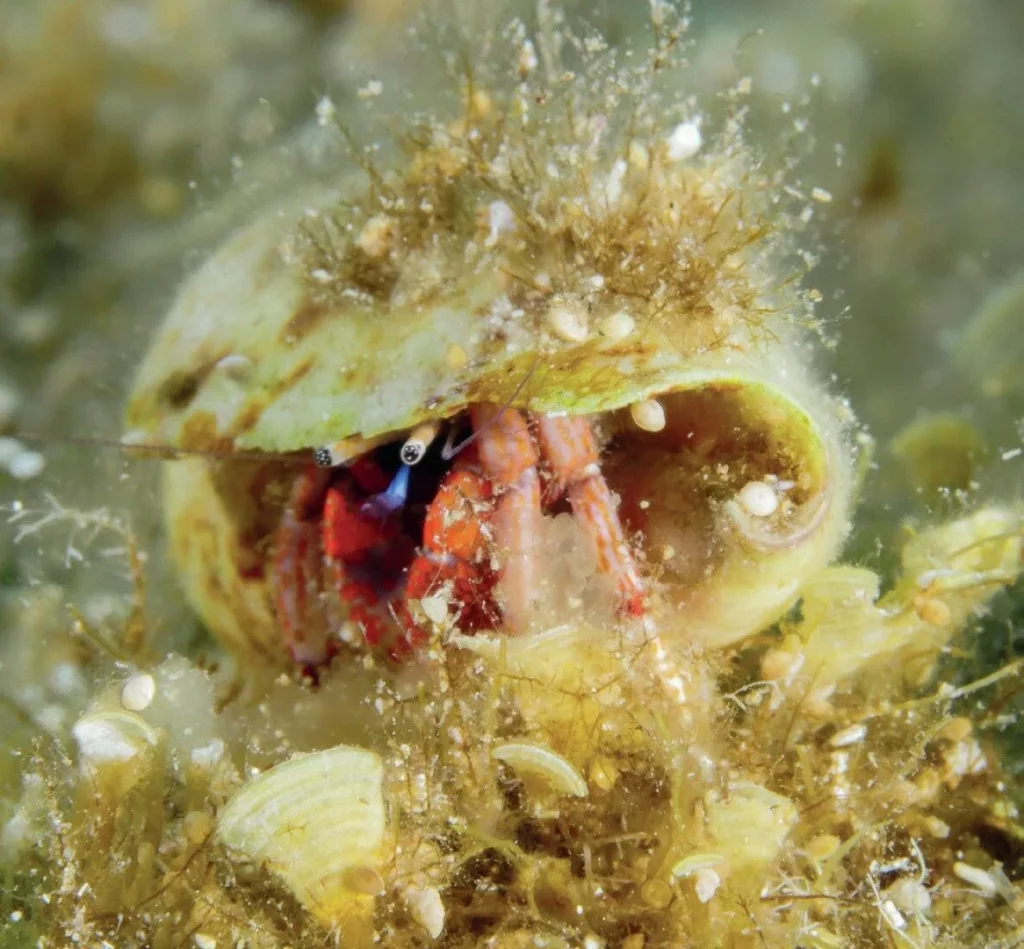
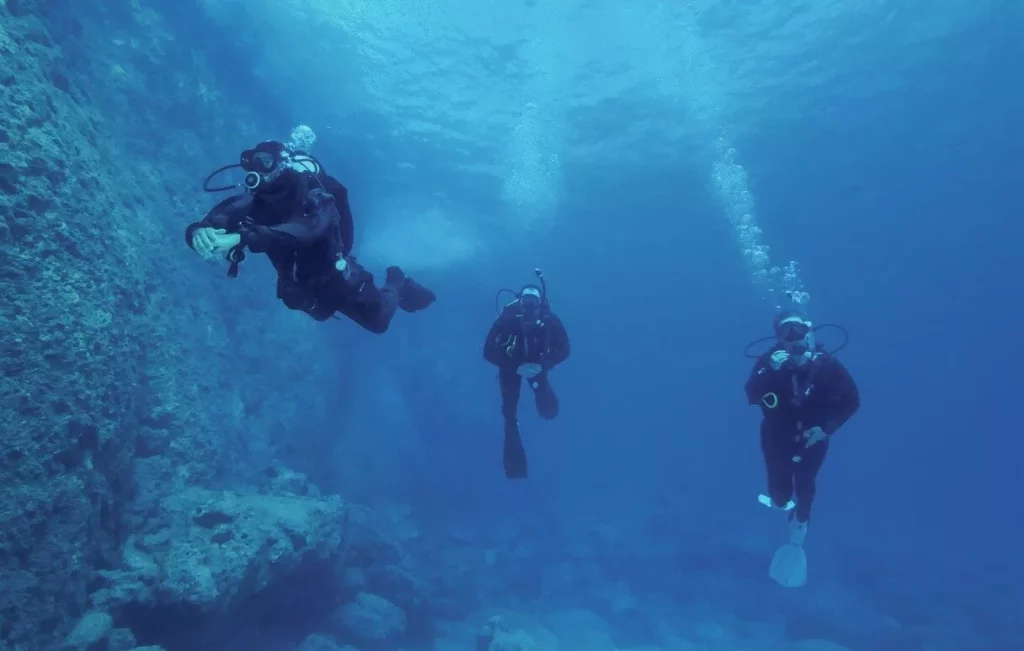
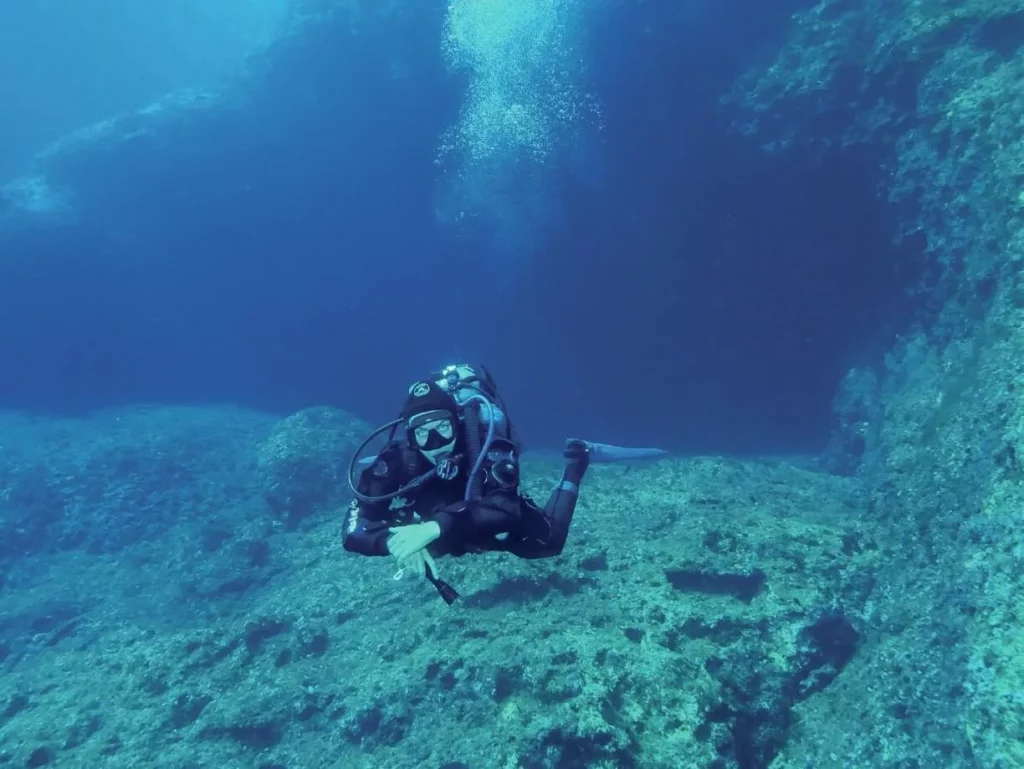
We left Ioanna and the youngster to get on with their course and the rest of us headed out of the inlet, turning right to explore deep canyons in the cliffs. There were smatterings of marine life along the way, including a small school of squid which was nice to see and some macro life. On the second dive we turned left out of the bay, exploring the rock formations and swimming through a natural arch and a swim-through that was reminiscent of diving around Malta and Comino. On the way back we passed a large loggerhead turtle feeding on the bottom before turning into the inlet. As we got closer to the boat, we could see a newly qualified Junior Open Water Diver enjoying the marine life and looking very pleased with himself.
Seagrass, Marine Life and the SS Minnewaska III
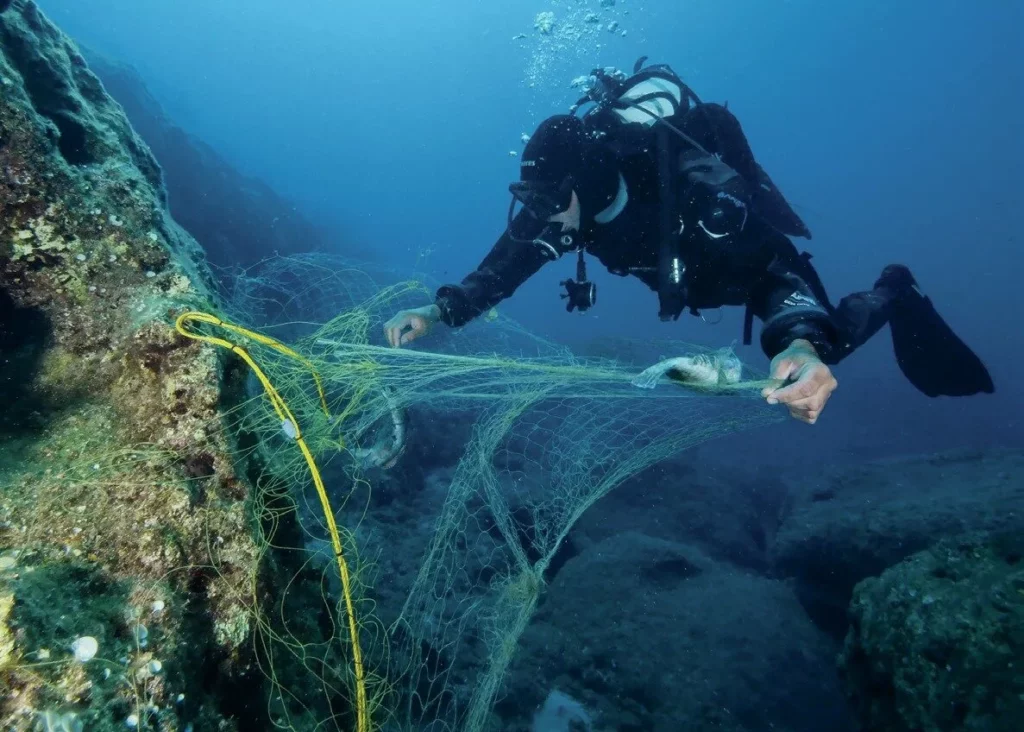
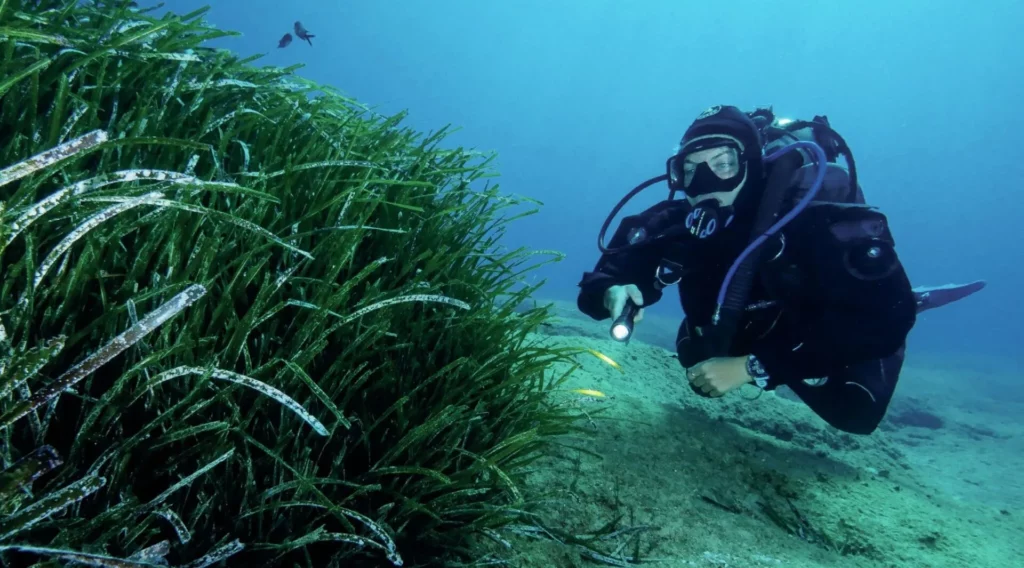
On the second day, we crossed Souda Bay again and moored in the lee of Marathi Island. The bottom topography was very different to the previous day and healthy seagrass covered much of the seabed. Marine life was also good, with the seagrass providing a home to shoals of black damselfish and sergeant majors, while in the distance I saw a pair of greater amberjacks cruising in the deep blue water. As we swam along a shallow wall, Giorgos found an abandoned net and several minutes were spent removing it before returning to the dive boat.
A World War One Wreck Beneath the Bay
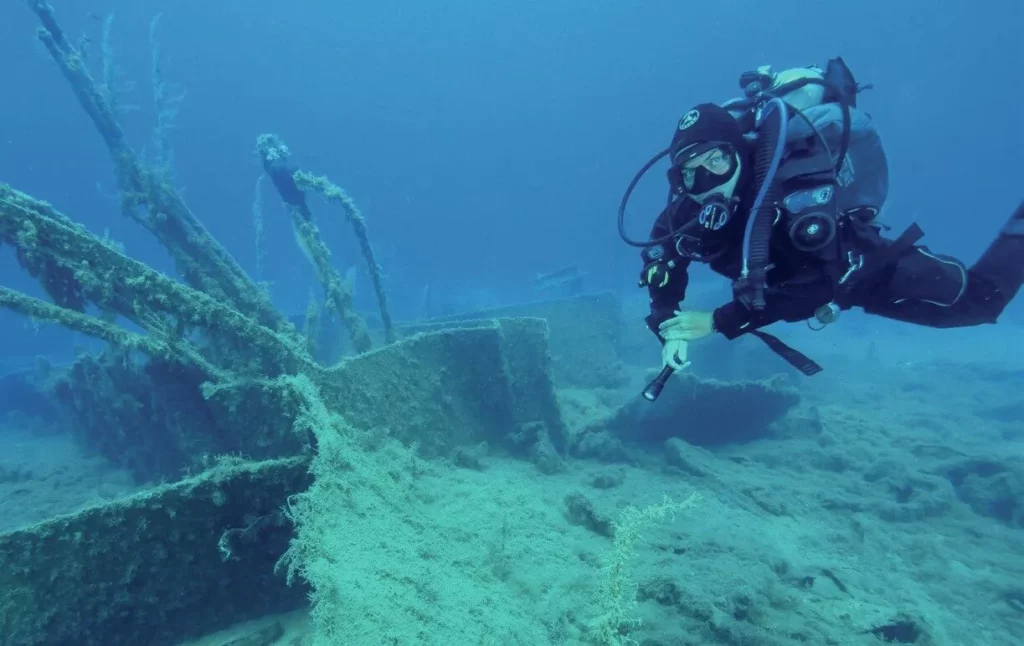
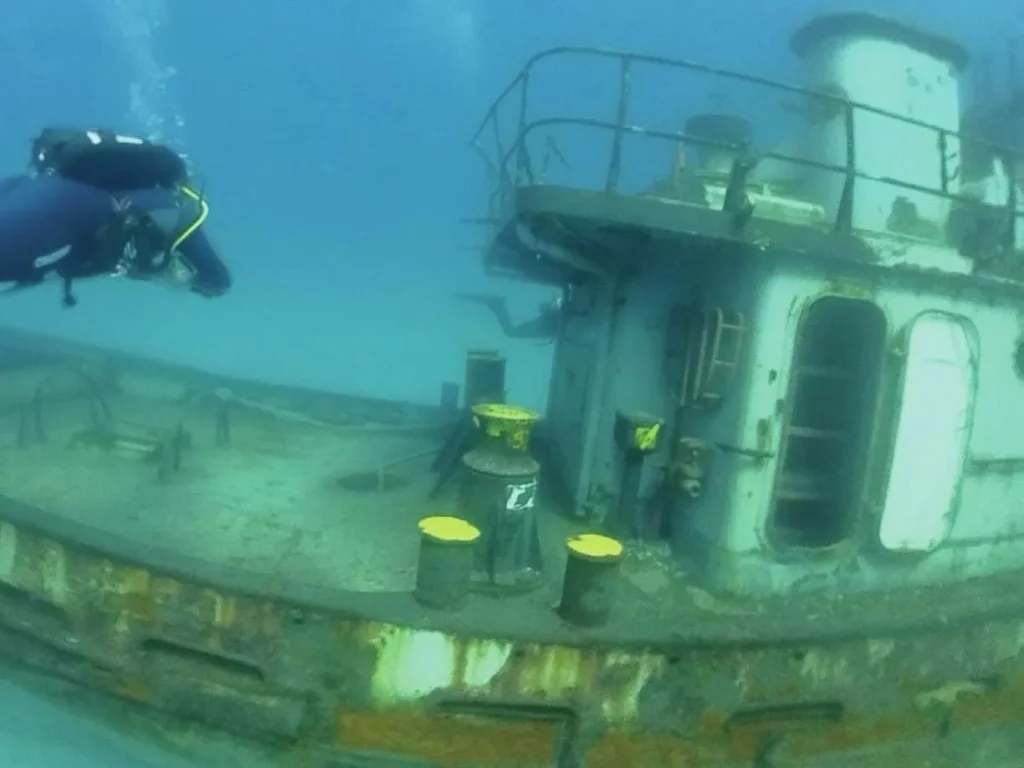
For the second dive we moved further west towards the wreck site of the SS Minnewaska III. Originally built as a luxury liner by Harland and Wolff in Belfast, she was requisitioned as a troop ship by the British Government during World War One. She struck a mine on 29 November 1916 while enroute to the Dardanelles and began to take on water. With 1,800 troops and 200 crew on board, and knowing she was badly damaged, the captain of the ship decided to beach the vessel in Souda Bay. This action saved the lives of everyone on board, but the ship was lost. After the war much of the vessel was salvaged for scrap and only the parts that were too deep to recover were left behind. Resting at 20m on a sandy seabed, now only a skeleton of the old ship remains, but it is well worth exploring and is a thoroughly enjoyable dive.
Elephant Cave – A Dive Into Prehistory
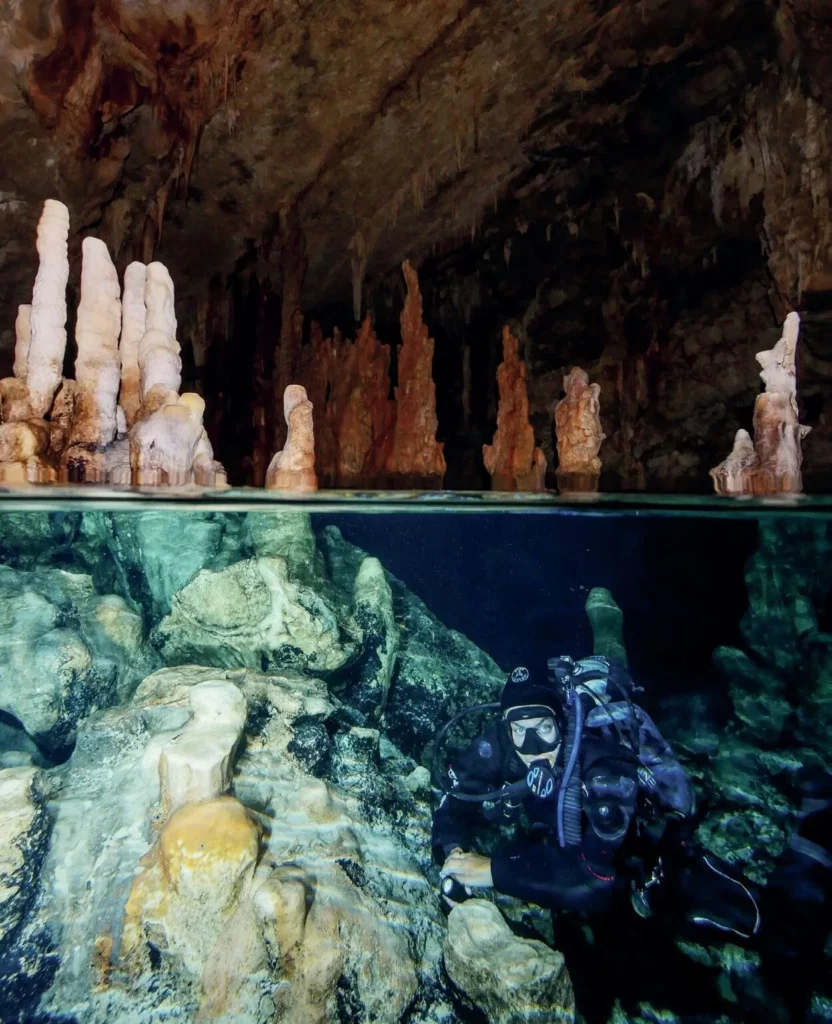
For my third day of diving, we travelled east around the headland from Kalyves to dive Elephant Cave. Pictures of this dive site were all over the internet and my cave-diving senses started to tingle. We moored up in yet another small inlet with crystal clear water and I asked why it was called Elephant Cave? I was told that when it was discovered in 1999 by accident, it was found to be full of elephant bones. The bones of at least three elephants were discovered from a previously unknown species that was thought to have lived in the area 50,000 to 60,000 years ago. Deer bones, including those of a dwarf deer no more than 30cm in height, were also found. Most of these archaeological artefacts are now housed in a museum in Athens, but some elephant bones and teeth remain, embedded within the rock for eternity.
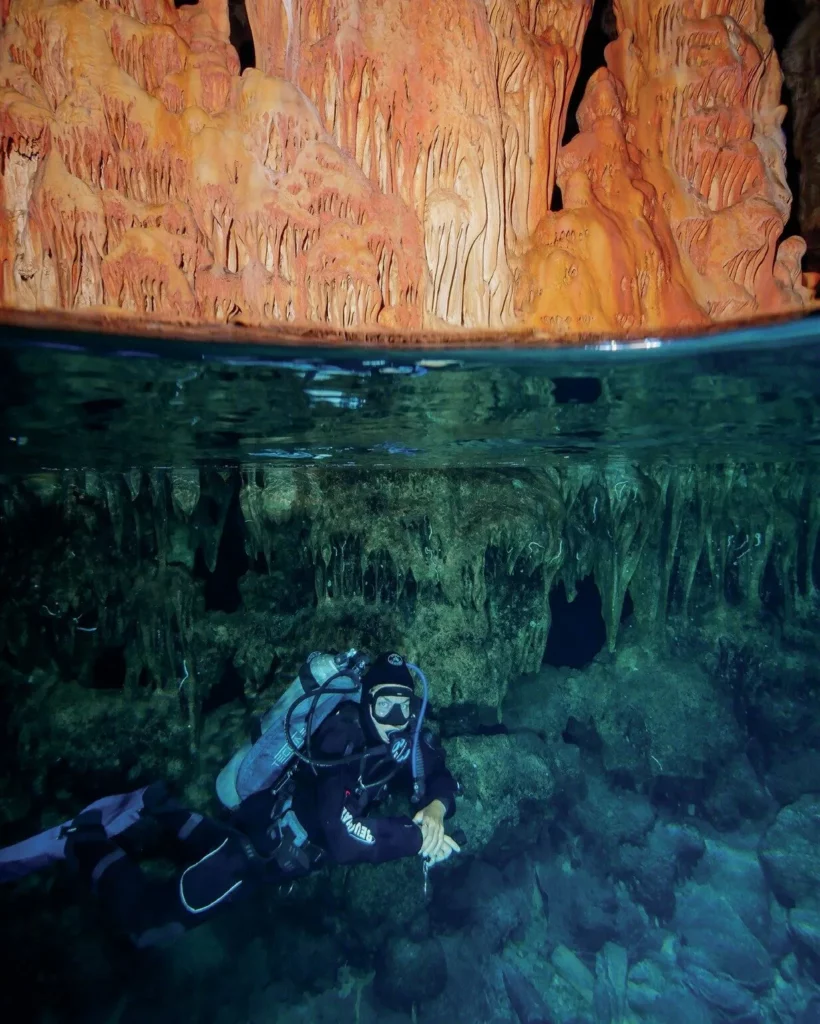
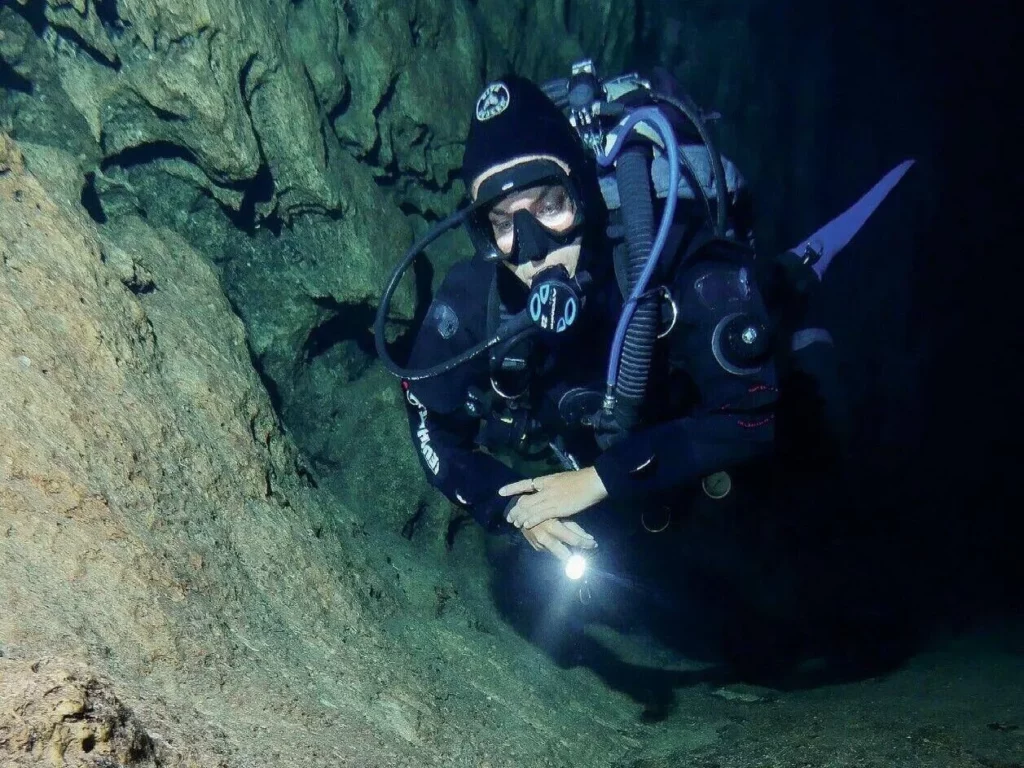
After entering the water, we left the inlet and quickly found the large entrance to the cavern at a depth of around 10m. Moving through the 40-metre tunnel, we passed some well-worn stalagmites before we found the remaining bones. As the depth rose to about 5m, I noticed the cavern floor was covered in coarse white sand. This was where I had been briefed that we could surface. Excitedly, we shone our torches at the wonderful features within the cavern. The stalagmites, stalactites and impressive flowstone structures totally surpassed anything I had been expecting. I spent several minutes gazing at the rock formations, taking it all in, trying to imagine what life had been like in this cave all those years ago, before I reluctantly slipped below the surface and headed back to the boat.
Crete’s New Marine Recreational Diving Park
The development of a diving park in Ombros Gialos in Crete is a pioneering project on the island that is intended to combine environmental management and tourist development. Up until now the establishment of Marine Protected Areas (MPAs) within Crete have been limited to the coastal region around Plakias, and this new project is a welcome addition to marine protection efforts.
Some 44 artificial reefs have already been placed in the area helping to enhance marine biodiversity, along with marker buoys to create a protected and organised diving environment. Additionally, earlier in the year, the Hellenic Navy sank the tugboat Nestor to create an artificial reef and diving attraction. Another vessel is due to be sunk later in the year.
Currently, navigation and visitor access to the site is restricted in an effort to allow the site to become established. There are plans in place to develop more marine diving parks in the future, a move that will raise the profile of diving tourism as a major attraction of the island as well as help preserve the marine environment.
Did you Know?
Stalagmites are cone-shaped or mound-like mineral deposits that grow upward from the floor of a cave, formed by dripping mineral-rich water.
Is Crete Worth Diving?
I only managed three days of diving in Crete, but it had plenty to offer. As it turned out Crete did have wrecks, caverns and a coastline to die for, those very things I mentioned that makes Mediterranean diving an option; it is also a great place to learn to dive. I also think that the future looks quite bright – the recent development of a marine diving park at Ombros Gialos will raise the profile of diving tourism, help protect the marine environment and boost the local economy. The Crete authorities have already installed artificial reef blocks and a tugboat wreck, and another vessel is due to be sunk in November. With an increase in investment and more marine parks being planned, who knows, Crete may well become an alternative to Malta in years to come. In the very beginning, Ioanna had said I would be pleasantly surprised, and she was right.
Diving in Crete really was much better than I was expecting. While marine life is sparse like many Mediterranean destinations, diving in Crete has plenty to offer particularly. Would I go specifically for a six-day diving package? Probably not. But if you are wanting a few days of good diving as part of a more-traditional holiday, then it’s a fantastic option.
Frequently Asked Questions
Is Crete a good diving destination?
Yes. While marine life is typically sparse like much of the Mediterranean, Crete offers clear water, caverns, caves, wrecks and varied topography.
When is the best time to dive in Crete?
Diving is possible year-round. Summer offers warm water up to 27°C, while winter dives are cooler and more weather dependent.
What marine life can you expect when diving in Crete?
Divers can expect seagrass habitats, reef fish, turtles, macro life and occasional pelagic species, rather than dense reef ecosystems.
Are there wreck dives in Crete?
Yes. Notable wrecks include the SS Minnewaska III and artificial reefs such as the tugboat Nestor in designated dive parks.
Is Crete suitable for beginner divers?
Absolutely. Sheltered inlets, calm conditions and professional dive centres make Crete well suited to training and entry-level diving.
This article was originally published in Scuba Diver Magazine
Subscribe today with promo code DIVE1 — enjoy 12 months for just £1!
