Raja Ampat tops almost every diver’s bucket list, and for good reason. Every descent below the surface reveals something new. One moment you’re drifting alongside a school of sweetlips; the next, you’re watching a walking shark shuffle across the reef floor.
Whether you’re a seasoned diver or simply an ocean lover, Raja Ampat delivers encounters that are both visually stunning and deeply memorable.
Why Raja Ampat Is a Marine Life Hotspot
Raja Ampat’s reputation as one of the richest marine ecosystems on Earth is no exaggeration. Located in the heart of the Coral Triangle, this remote region supports an extraordinary concentration of life, including:
- Over 1,500 species of reef fish
- More than 500 species of hard and soft coral
- Countless marine invertebrates, from nudibranchs to mantis shrimps
- Reef and oceanic manta rays frequent the cleaning and feeding stations
- Dolphins and whales that use the Dampier Strait as a migratory highway
- Vast, healthy reef systems protected by strong local conservation initiatives
Unlike many heavily visited dive destinations, Raja Ampat still feels remarkably untouched. Low diver numbers and intact reef habitats allow marine life to thrive, offering visitors clear water, vibrant coral cover, and an authentic glimpse into a functioning ocean ecosystem.
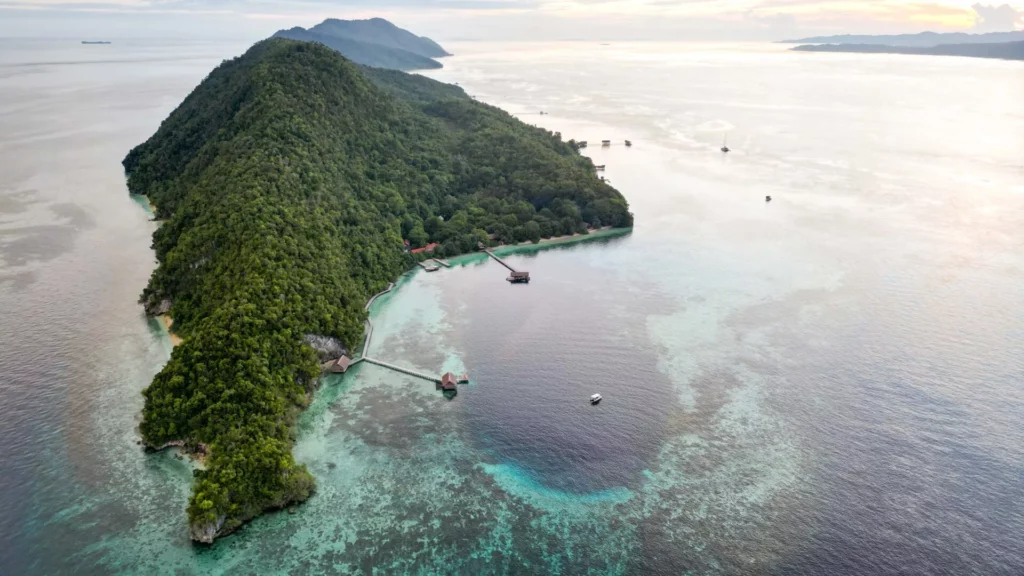
Papua Diving Resorts are located at Kri Island, right by renowned dive site, Cape Kri: the most biodiverse dive site in the world and the record-holder for the highest number of fish species ever recorded on a single dive. This exceptional location places our guests at the center of Raja Ampat’s marine abundance.
Top 10 Underwater Creatures in Raja Ampat
1. Manta Rays
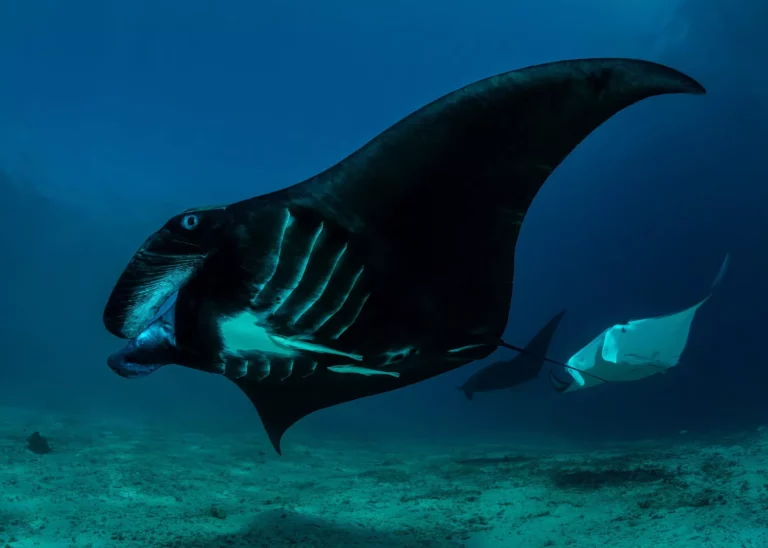
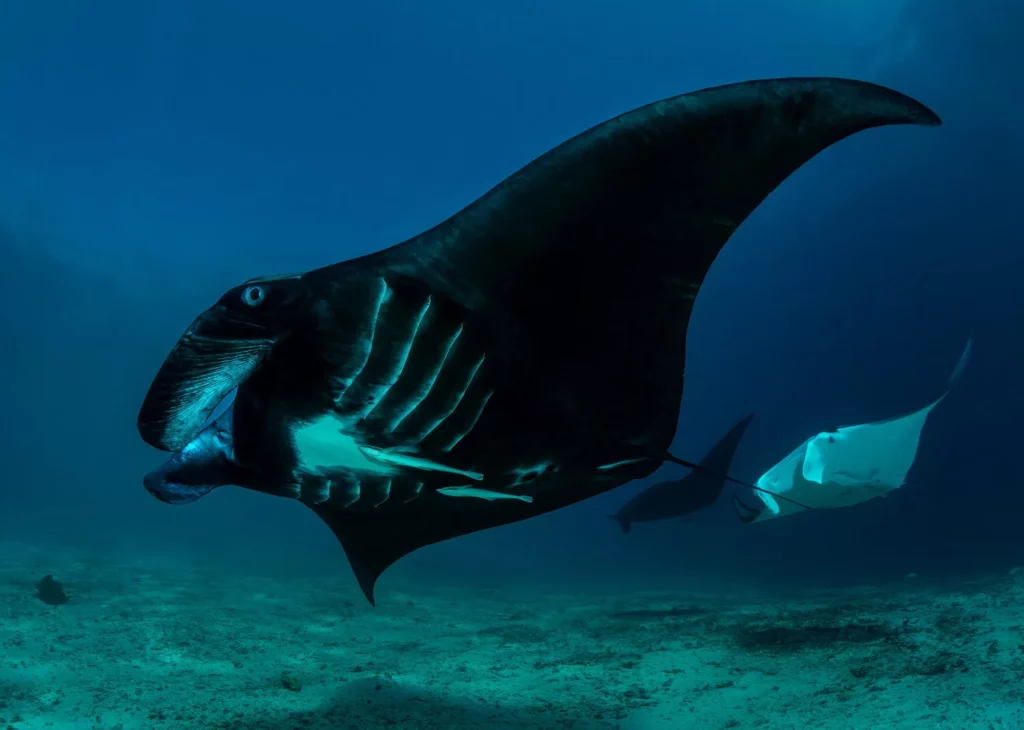
Raja Ampat is one of the few places on Earth where both reef mantas and oceanic mantas can be encountered. From November to March, plankton blooms attract large numbers of these gentle giants to cleaning stations throughout the region. Notably, Raja Ampat is the only place in the world where manta ray populations are known to be increasing.
Iconic sites such as Blue Magic, Manta Sandy, and Manta Ridge offer unforgettable encounters as mantas glide effortlessly through the water.
2. Wobbegong Shark
Wobbegong sharks, often called carpet sharks, are masters of camouflage. They are commonly found resting beneath coral ledges, blending seamlessly into the reef. Native to Raja Ampat and rarely seen elsewhere, their fringed skin and unusual patterns make them a favorite subject for underwater photographers—if you manage to spot one.
3. Pygmy Seahorses
Tiny, elusive, and perfectly adapted to their surroundings, pygmy seahorses are the crown jewels of macro photography. Raja Ampat is one of the few places in the world where divers can find four species: Bargibant’s, Denise, Pontohi, and Satomi. These miniature creatures cling to gorgonian sea fans and reward divers with sharp eyes and excellent buoyancy control.
4. Epaulette (Walking) Shark
Also known as the walking shark, this remarkable species uses its fins to “walk” across reef flats. Mostly nocturnal, it is commonly found in shallow waters around Kri Island. Papua Diving’s founder, Max Ammer, played a significant role in the discovery of a new species of walking shark in Raja Ampat.
Guests staying at Sorido Bay Resort can join a special snorkel excursion to observe these unique sharks just off the house reef.
5. Sweetlips
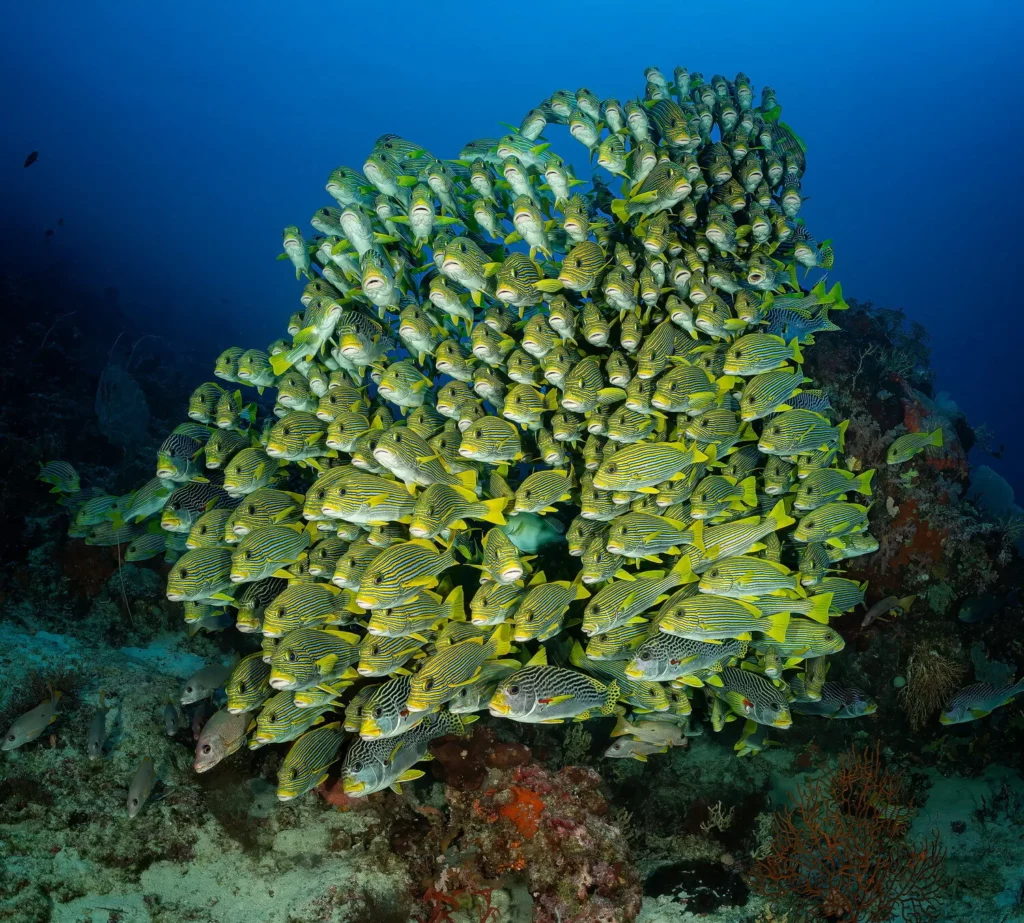
Sweetlips are instantly recognizable by their large lips and striking patterns. Often seen schooling together near coral formations, they are a highlight of Raja Ampat’s reefs. Cape Kri and Sauwandarek are particularly reliable sites to encounter these colorful fish.
6. Ghost Pipefish
Floating delicately near crinoids or coral branches, ghost pipefish are among Raja Ampat’s most challenging and rewarding sightings. Their ornate bodies and excellent camouflage make them a treat for patient, observant divers and macro photography enthusiasts.
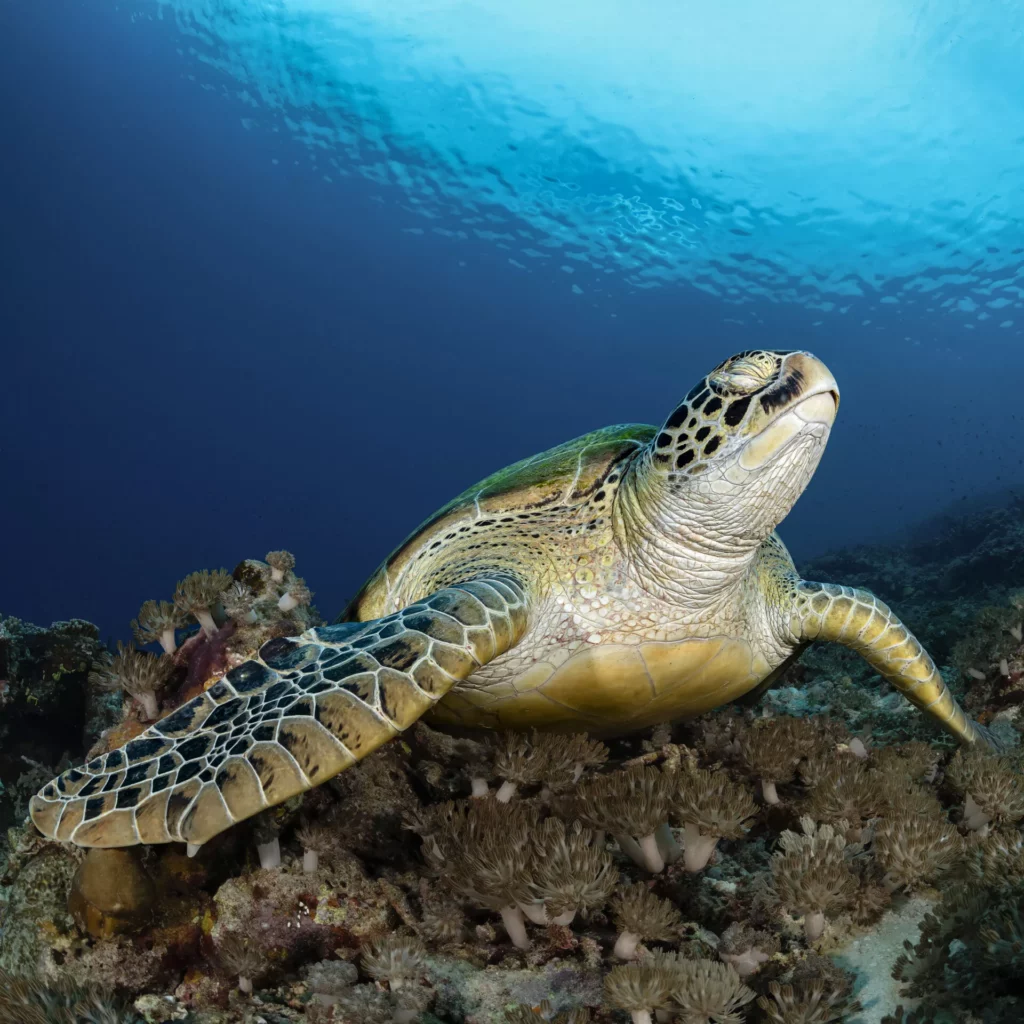
7. Sea Turtles
Raja Ampat’s reefs are home to Green, Hawksbill, Leatherback, and Olive Ridley sea turtles. These ancient mariners are frequently seen gliding calmly over coral gardens. At Sauwandarek, encountering several large turtles on a single dive is not uncommon. As always, divers are encouraged to maintain a respectful distance and allow the turtles to approach naturally.
8. Cuttlefish
Highly intelligent and endlessly fascinating, cuttlefish are masters of disguise. They can instantly change color, pattern, and texture, making every encounter unique. Raja Ampat offers frequent opportunities to observe their complex behaviors, particularly during hunting or mating.
9. Giant Clams
Giant clams are impressive both in size and appearance, with vibrant mantles embedded within coral beds. Sauwandarek is one of the best sites to see them, often sharing the reef with sea turtles and schools of reef fish.
10. Mandarin Fish
With their electric blue, orange, and green patterns, mandarin fish are among Raja Ampat’s most visually striking residents. Shy and elusive, they require patience to spot. At Sorido Bay Resort, divers have the rare chance to observe them during afternoon dives at the house reef’s Blue Hole. Using red focus lights helps illuminate them without disrupting their natural behavior.
Beyond the Top 10
While these ten species are among Raja Ampat’s most iconic, they represent only a fraction of what the region has to offer. Dugongs are occasionally spotted at the Sorido Bay Blue Hole, even while snorkeling. Whales migrate through the Dampier Strait, making rare but thrilling appearances, while dolphins are commonly seen during boat rides between dive sites.
Zebra sharks are also returning to Raja Ampat’s reefs, thanks to successful rewilding efforts in partnership with RARCC and ReShark.
Exploring Raja Ampat means that no two dives are ever the same. By staying at Papua Diving Resorts, you’re choosing to stay with the pioneering dive resorts in the area, fully equipped with local knowledge and expertise to find amazing wildlife.
