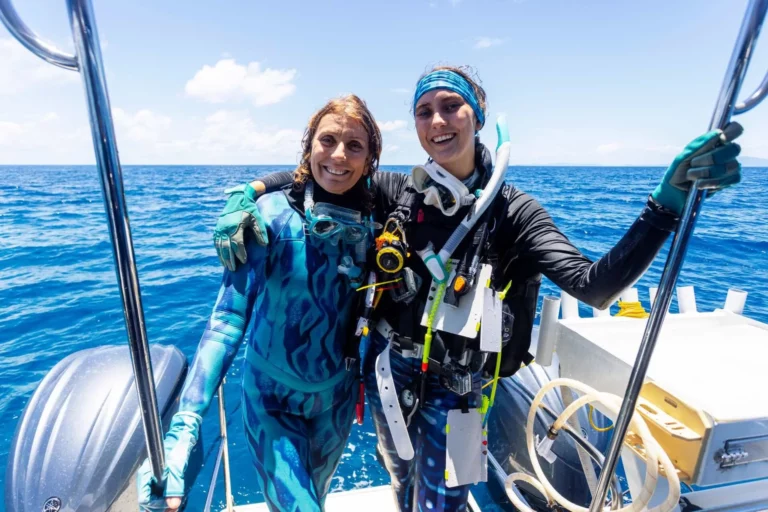
Citizen-scientist scuba divers taking part in the Great Reef Census, an initiative run by Australian group Citizens of the Reef, have identified what is thought to be largest documented and mapped coral colony ever found on the Great Barrier Reef – and, at least in terms of area covered, in the world.
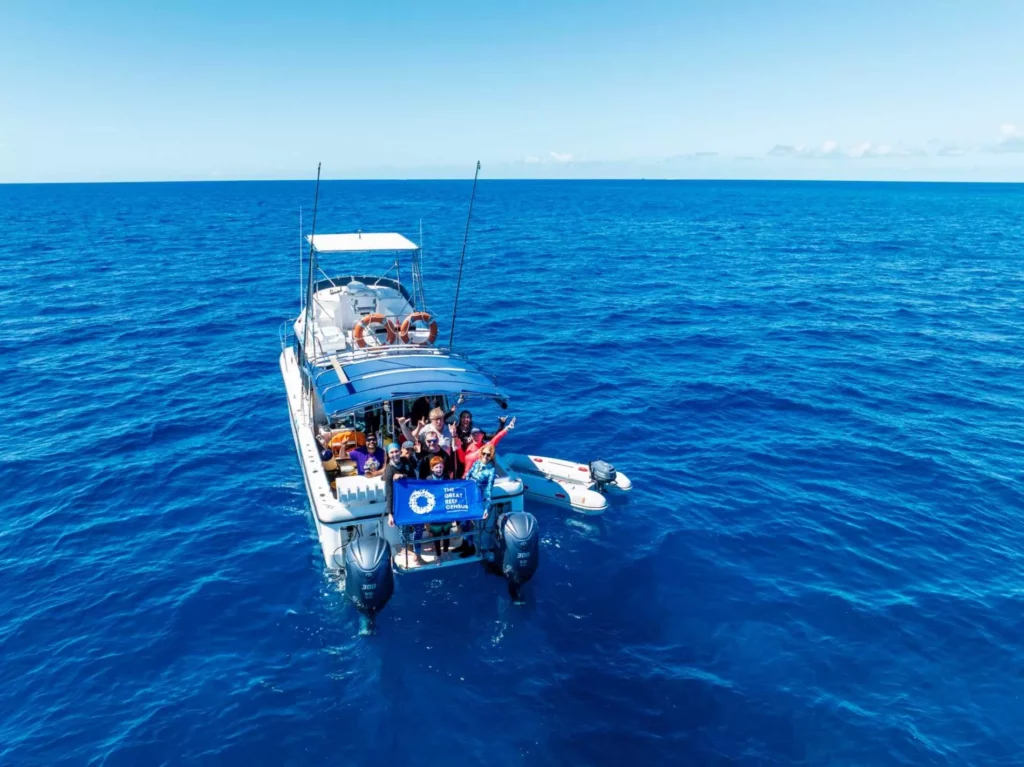
The discovery was made off Cairns in Queensland by Sophie Kalkowski-Pope, the group’s marine operations co-ordinator, and her mother Jan Pope. They had been scuba-diving together to carry out a reef survey for the census from their boat.

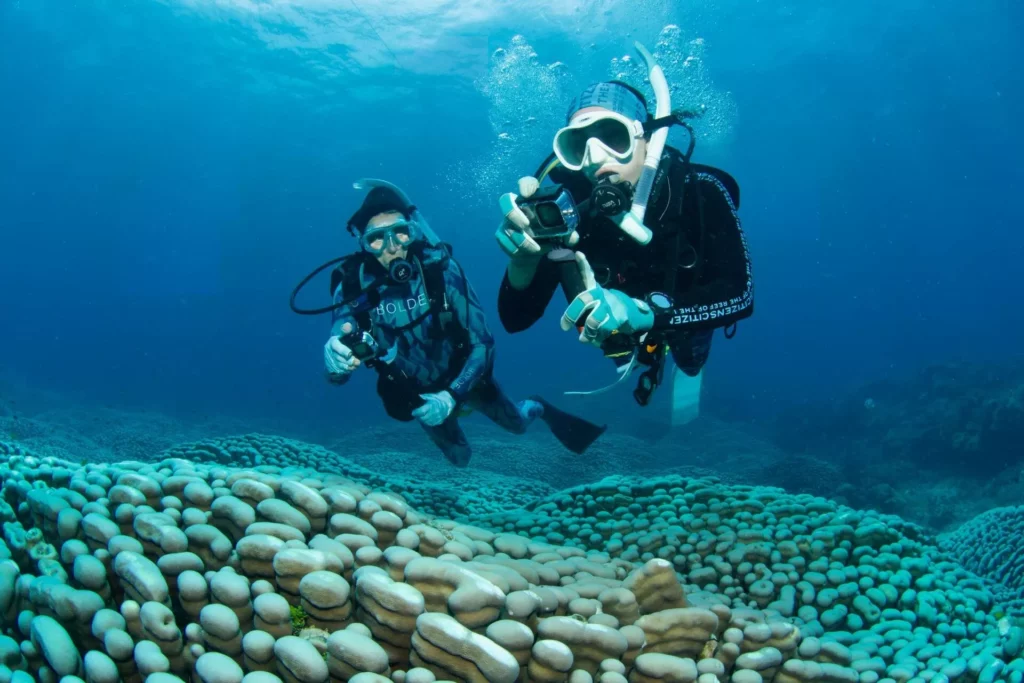
Preliminary measurements indicate that the colony is up to 111m long and 60m wide, covering a football-pitch-sized area of almost 4,000sq m.
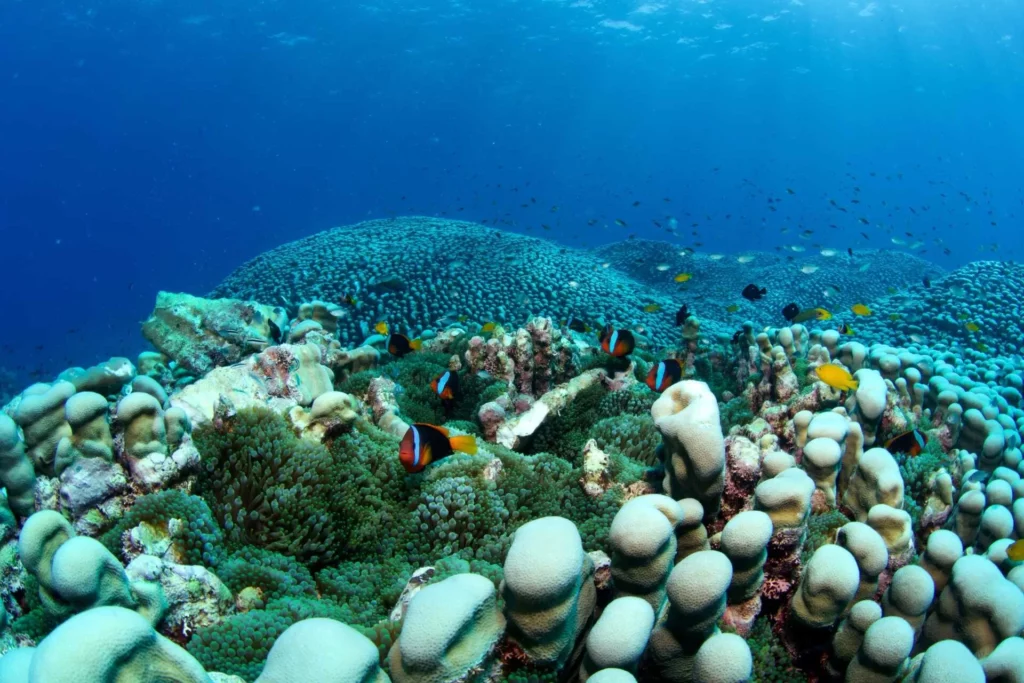
The species of stony coral, Pavona clavus, is the same as that discovered in the Solomon Islands in 2024 and which, at 34 x 32m and with a height from the seabed of 5.5m, has since been regarded as the world’s biggest single coral. Although covering a far smaller area than the latest discovery, it stands considerably higher.
“The coral identified through the Great Reef Census is the largest documented and mapped coral colony of its species recorded to date, based on current available records and preliminary measurements,” Citizens of the Reef communications manager Harry Vincent told Divernet. “It is also the largest-known coral colony documented on the Great Barrier Reef.
“Comparisons across different species can be complex, as morphology – height v footprint v volume – growth-form and measurement methods vary considerably. The Solomon Islands coral appears to be taller but the Pavona colony identified via the Great Reef Census has a significantly larger horizontal footprint.”
‘Something special’
“I knew right from the minute we dropped in that it was something special,” said Kalkowski-Pope, while her mother added: “When I got in the water, I’d never seen coral growing like this before. It looked like a meadow of coral. It just went on and on.”
Citizens of the Reef co-ordinated a team to verify the dimensions and map the site. Manual underwater measurements were combined with high-resolution imagery captured from surface-based platforms, with the resulting data used to generate a detailed 3D model of the coral structure.
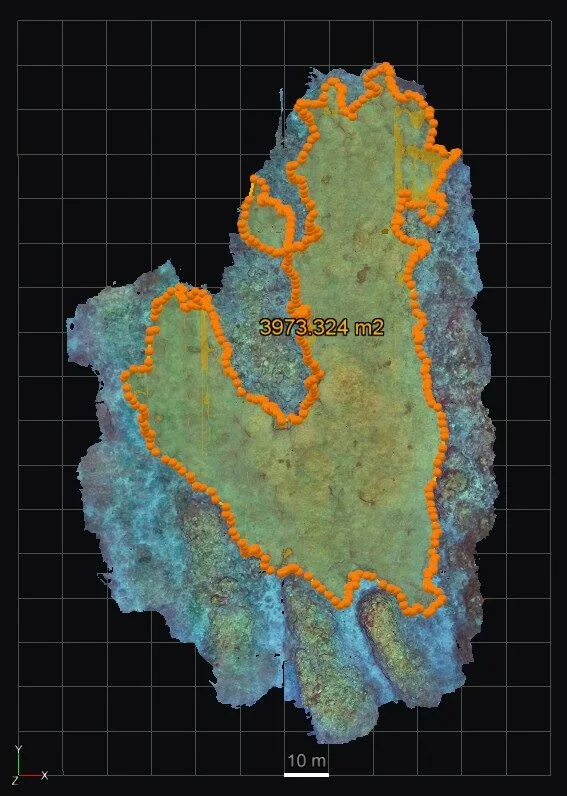
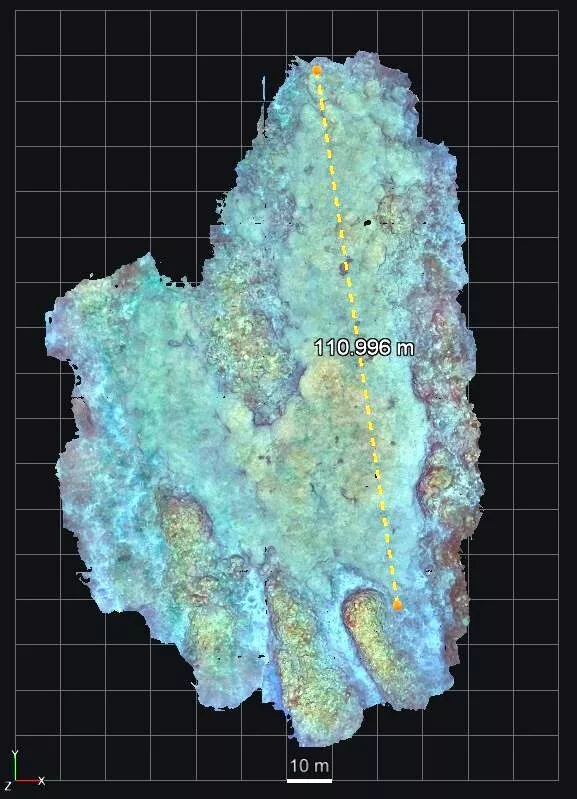
This work was undertaken in collaboration with Queensland University of Technology’s Centre for Robotics, with imagery-capture supported by Biopixel. The detailed approach will allow researchers to return in future to make direct comparisons and understand how the coral changes over time.
The site is subject to strong tidal currents and comparatively low cyclonic wave exposure, and the team want to study how such a large coral structure has thrived in such conditions.
They believe that, rather than a reflection of coral health, it illustrates the uneven ways in which reef systems can respond to the environmental stress of warming seas.
The Great Reef Census is said to have become one of the world’s largest marine citizen-science initiatives, with the model now being adapted beyond the GBR.
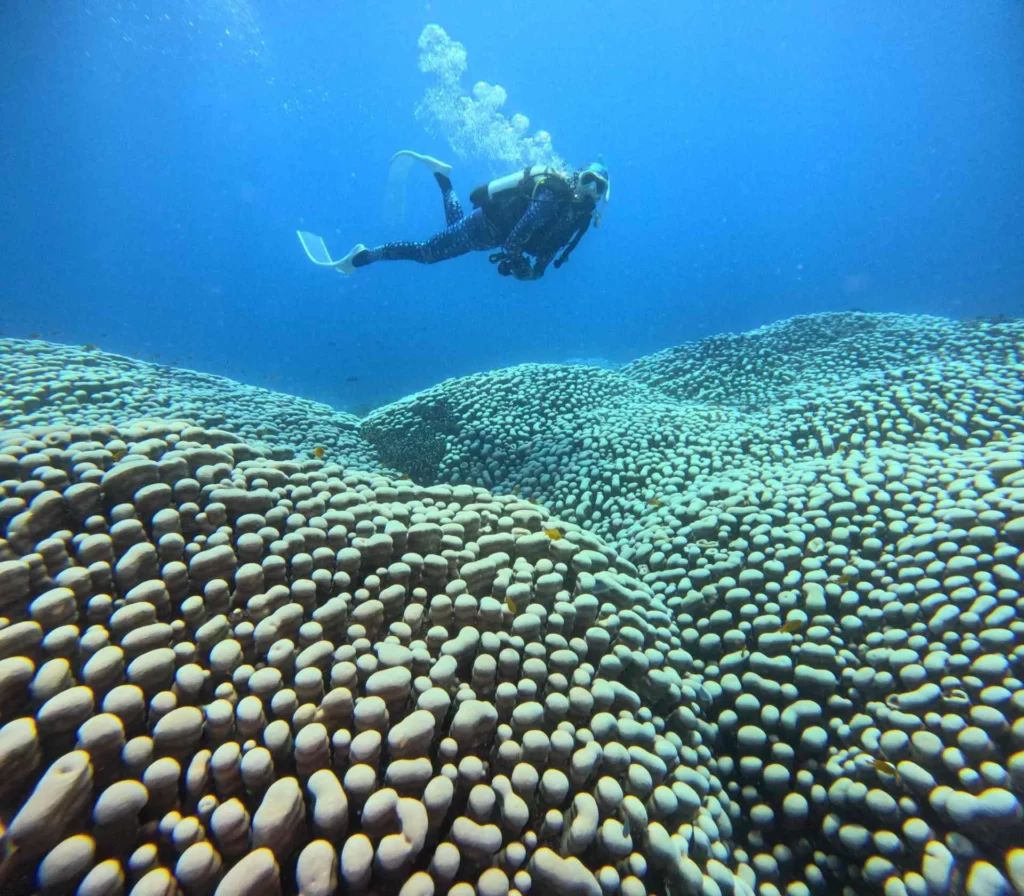
“The Great Reef Census was developed to complement existing monitoring programs by gathering large-scale data,” says Citizens of the Reef CEO Andy Ridley. “This is made possible by people already out on the water, like Sophie and Jan, and thousands of citizen-scientists around the world.”
Data collected is being used to identify areas of high ecological value, including reefs that might act as important coral-spawning sources.