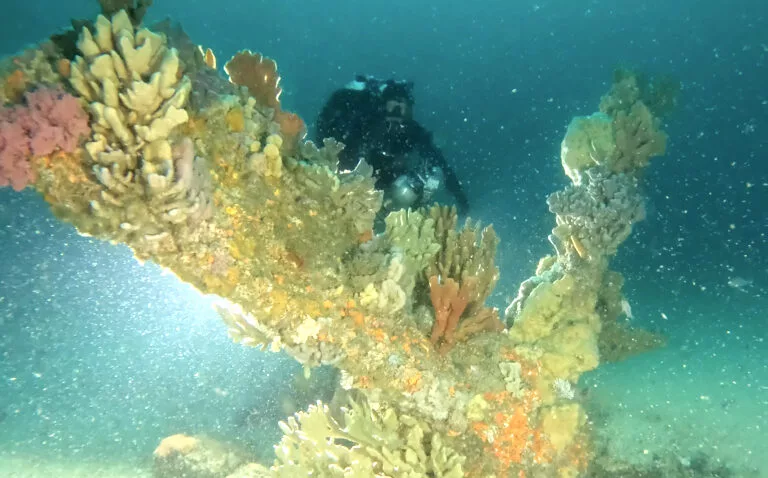
An Australian maritime mystery dating back to July 1877 has been solved with the identification of the wreck of the iron screw steamer City of Hobart, sunk 60m deep off the coast of Victoria.
The wreck-site was detected during seabed survey work for an offshore wind-energy project in waters off the Gippsland coast last year.
The breakthrough fulfils long-term research by Melbourne wreck-diving club Southern Ocean Exploration (SOE), which had started treating the ship as a potential target back in 2008. Member Peter Taylor in particular had carried out extensive archival research into the ship over the years.
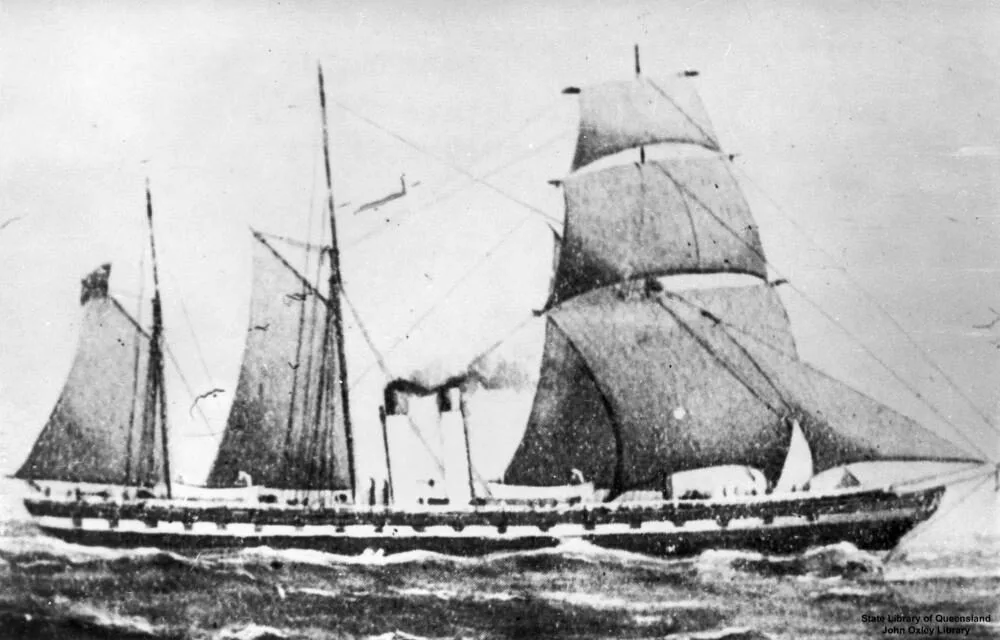
The 56m City of Hobart was built by Wingate & Co in Glasgow in 1853 for the Tasmanian Steam Navigation Co to operate an inter-colony passenger and cargo service.
On arrival in Hobart the ship was reported to be a “fine-looking vessel with a clipper stem and three masts, square-rigged on the foremast and painted gun-ports along her sides”.
For several years she ran between Victoria and Tasmania as well as operating passenger excursions around the Tasmanian coast. Her career was eventful. In October 1854 while carrying 200 passengers from Hobart a faulty compass was blamed when she grazed sheer cliffs during a storm, only narrowly avoiding a premature ending.
Three years later the City of Hobart assisted in salvaging the schooner Beacon at Swan Island in Tasmania, and in 1860 was involved in rescuing crew from a wrecked brig, the Carrymore.
That same year she was chartered to carry troops to New Zealand to see action in the Maori War. From 1862 she ran a mail service between Melbourne, Dunedin and Otago, and also narrowly beat a vessel called the Aldinga in a race from New Zealand to Melbourne.
Into the coal trade
In 1875 City of Hobart was sold to a Captain William Summerbell of Sydney and entered the coal trade. She left the port of Newcastle for Melbourne with a 615-ton cargo that year, but strong southerly winds caused her captain J Lowrie to seek shelter in Port Jackson.
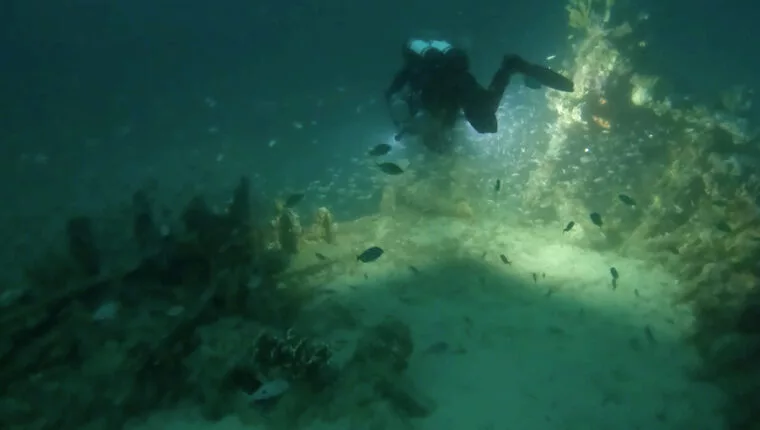
She passed Gabo Island but, early on the morning of 25 July, her propeller-shaft broke and punctured the hull, allowing water to flood the holds. The crew were ordered to the lifeboats and were subsequently rescued.
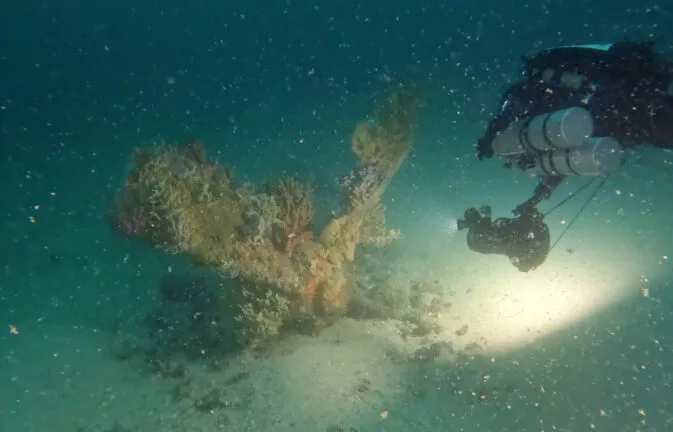
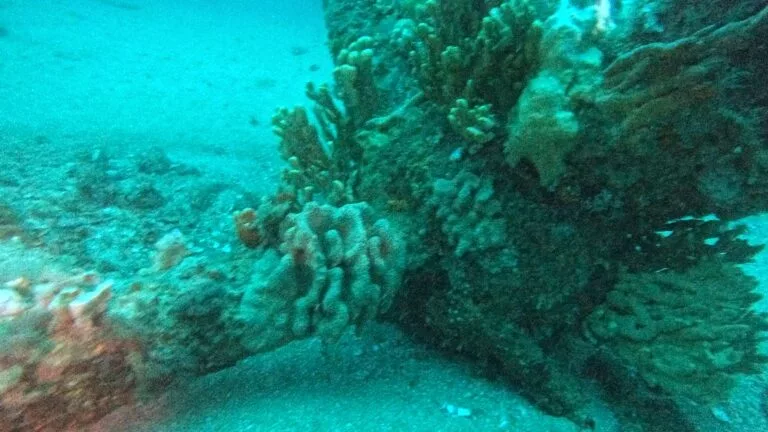
The City of Hobart settled by the stern, sinking about 15 minutes after being abandoned. She was the second vessel lost by Captain Summerbell within 10 days, and that same year he was prosecuted for overloading the other ship, the Yarra Yarra.
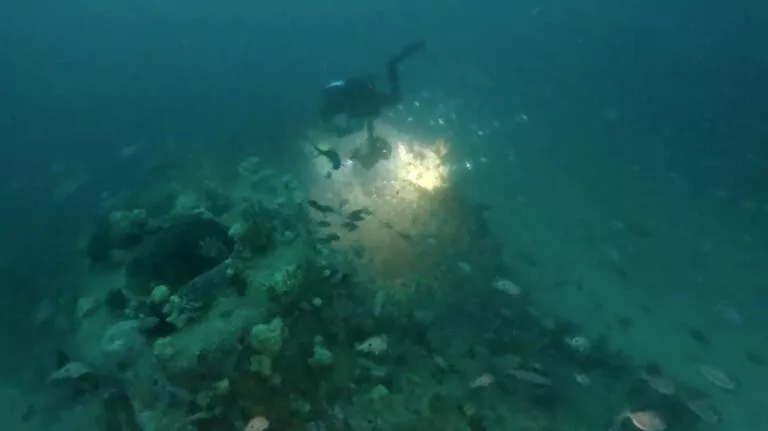
SOE had conducted several unsuccessful searches over the years but the project had been put on the back-burner as other targets emerged.
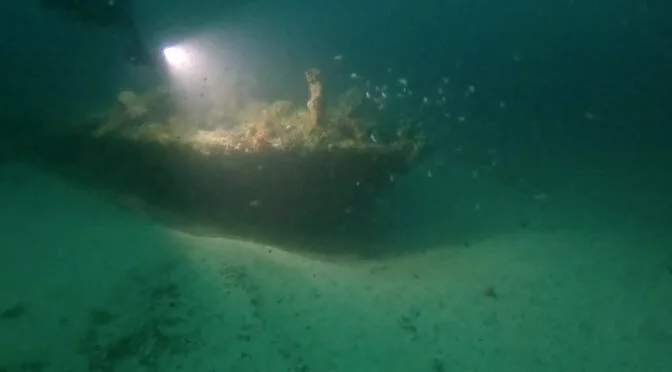
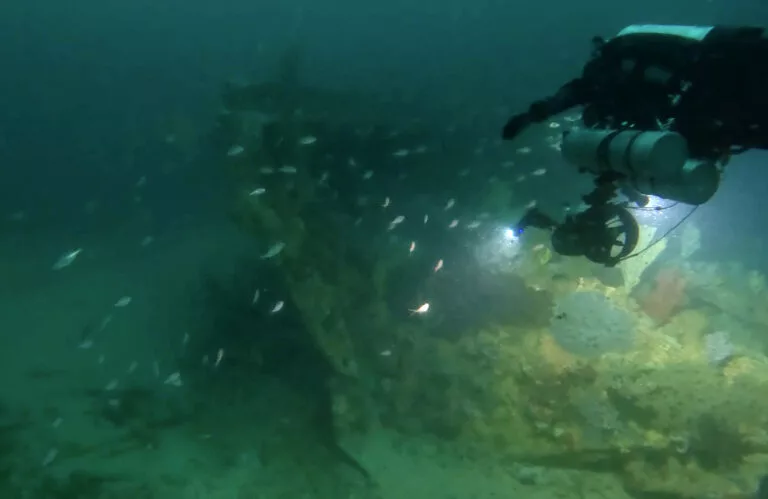
On 6 February this year, however, its technical dive-team led by Mark Ryan responded to what turned out to be a very accurate report from Iberdrola Australia, which had been carrying out the geophysical surveys for an offshore wind project.
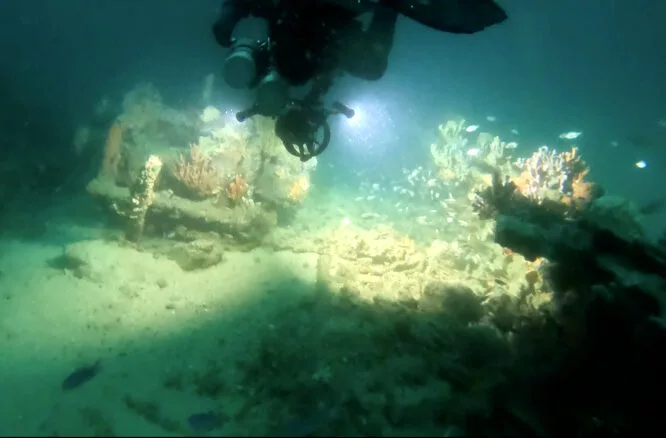
In early 2025 Iberdrola had detected two shipwrecks more than 25km from the Gippsland coast near the project site. The survey company, which regularly worked with Commonwealth and Victorian heritage teams, shared the information that enabled one of the wrecks to be identified as the steamship Vicky and now the other as the City of Hobart.
Both sites are protected by the Commonwealth Underwater Cultural Heritage Act 2018, which prohibits interference or damage without approval.
Also on Divernet: Australia’s Ultimate Wreck Diving: Exploring Victoria’s Shipwreck Graveyard