

@char-007-1
#AskMark: When using a bailout, should it be turned on while you’re diving?
Yes. The only reason for closing the cylinder valve is to prevent a catastrophic loss of gas due to a freeflow. In an emergency you want the valve to be open so the gas is readily available for whoever needs to breathe. If the bailout cylinder is attached to you then you should be able to reach the valve and close it before losing too much gas.
With most cylinders I will open the valve when I’m present and close them if I’m leaving the area. A hang-tank, for example, I will pressurise but close the valve because if something bumps it or there’s a leak, then I won’t return to an empty cylinder.

@crazytaco55
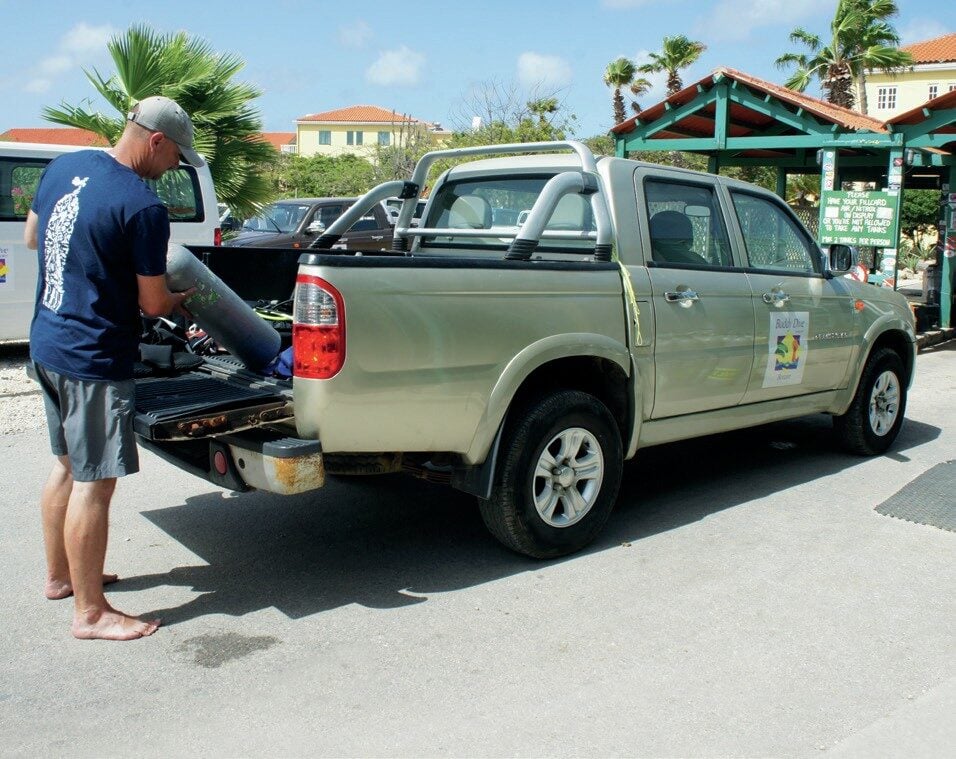
#AskMark: I’m travelling to Curacao soon and wanted to ask about storing tanks in a car or van. Is this a terrible idea because of how hot the car will get while we are diving?
Leaving your dive gear in a hot car will damage it, and while a warped fin is inconvenient, cylinders have exploded in hot cars, which is dangerous to everybody in the area. As the temperature increases, the pressure inside a sealed container will increase and cylinders have exploded in hot cars before.
If you can’t find a shady spot to park the car, and bear in mind that the sun moves across the sky, then I would bring the cylinders with me in the water to keep them cool.
@timpell49
#AskMark: My cylinder was filled with air, how long can you keep the air in the cylinder before you use it? Also, can dive shops drain the air and fill it with nitrox?
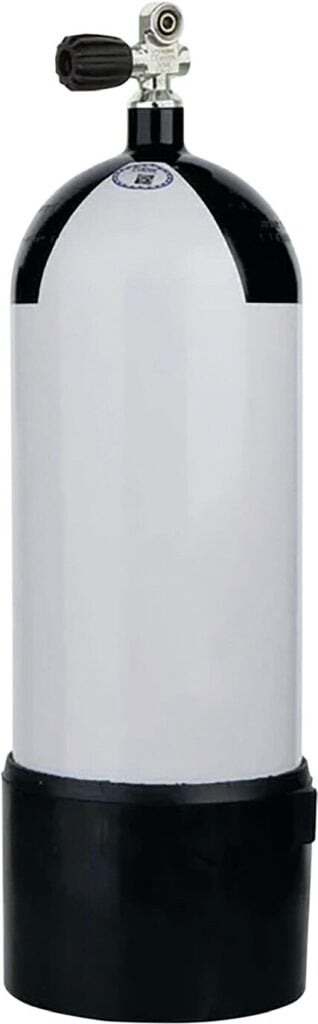
The current recommendation is to store breathing gas for no longer than three months. If you’re planning a hiatus then it’s best to drain your cylinder to 10-20bar and secure the cylinder in an upright position to reduce chances of corrosion inside the cylinder from forming and damaging the cylinder from the inside.
If you have a cylinder full of air and want it filled with nitrox, then you can take it to your dive centre and they can drain it before filling it with nitrox. Ideally, you’d use the fill for a dive but, it can be drained very easily. It’s noisy and best done slowly so hand it to your dive centre and give them a few hours to drain it and fill it with nitrox.
This article was originally published in Scuba Diver Magazine
Subscribe today with promo code DIVE1 — enjoy 12 months for just £1!

