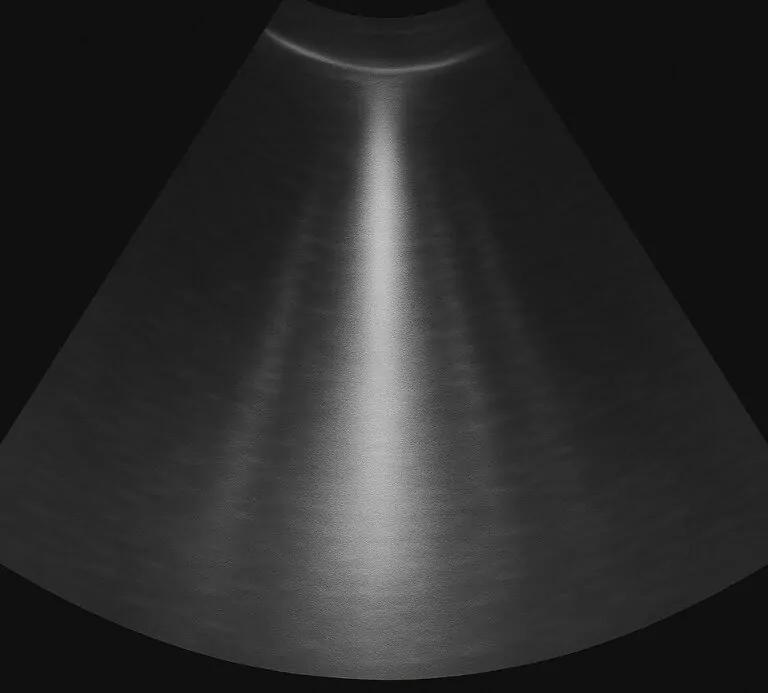
New research into the physiological impact on scuba divers of carrying out CESAs (Controlled Emergency Swimming Ascents) in training situations has revealed that these exercises can cause lung stress even though there might be no outward signs of it.
CESAs are a standard dive-safety procedure for preventing lung over-expansion injuries during an out-of-gas situation. However, pulmonary risks associated with the exercise have been poorly documented in the past, according to the France-based research team.
It says that in incidents linked to CESAs complications have ranged from mild symptoms such as cough and hemoptysis (coughing blood) to severe outcomes such as pneumothorax, pneumomediastinum (air or gas between the lungs) and cerebral arterial gas embolism.
CESA training enthusiasts argue that where injuries have occurred these have stemmed primarily from improper technique, especially insufficient exhalation, and emphasise the need for continuous monitoring by instructors throughout an ascent.
Under supervision
The authors of the study, diving medical specialists Olivier Castagna, Vianney Hamar, Bruno Schmid and Arnaud Druelle, maintain that incidents have occurred even under strict supervision, suggesting that mechanical factors beyond exhalation technique might contribute to pulmonary stress.
Their study was conducted in two phases, involving separate groups of experienced military divers at the French Military Diving School in Saint-Mandrier in the south of France. Using open-circuit scuba in 18°C seawater wearing wetsuits, they were breathing nitrox 40.
In phase one, seven divers were each asked to perform two open-water dives to a depth of 10m. One was a control dive, breathing normally through a regulator, and the other a CESA dive involving continuous exhalation without a mouthpiece on the ascent.
Before and after each dive the researchers obtained “ultrasound lung comets” or ULCs, which are images showing increased extravascular lung water, as occurs in cases of pulmonary oedema or interstitial lung disease.
Phase two involved four divers performing CESAs from 5m and 10m to record their “ventilatory kinetics” – the speed and efficiency with which the body adjusts its breathing rate and depth to meet the changing oxygen demands of physical activity.
Stress on the lungs
Although none of the divers displayed any symptoms, their ULCs increased significantly after CESA dives – though not after the control dives. This suggested that the CESAs were causing subclinical pulmonary stress, with analysis revealing marked variability between individual divers.
The moderate accumulations of extravascular lung water revealed by the ULCs were likely to have been related to pressure and volume variations during ascent.
“These findings indicate that even trained divers do not consistently match expiratory effort to gas expansion, potentially increasing mechanical stress on the lungs,” states the team. “CESA training may therefore expose healthy individuals to silent alveolar stress, highlighting the need for improved monitoring tools and individualised ventilatory assessment during ascent training.”
The researchers now want to determine whether repeated exposure to such brief stressors, as might occur with dive professionals, could result in long-term alveolar injury or predispose individuals to later pulmonary problems.
“These findings challenge the assumption that the absence of symptoms equates to the absence of injury,” they say. “They support the emerging concept of ‘silent alveolar damage’, which may extend beyond diving physiology to broader clinical settings.”
The study can be read in the Journal of Applied Physiology
Also on Divernet: WHY SNORKELLERS SHOULD TAKE DEATHS PROBE TO HEART, IPO SURVIVORS ‘STRONGLY ADVISED’ TO QUIT DIVING, SUSPECTED DCI? HERE’S HOW TO CONDUCT NEURO CHECKS

The RN stopped doing CESAs from 30m not long before I did the SETT but we still did 10m and 20m CESAs. Great fun ONCE you had done it!
It would be interesting to take this medical point of view back to those times to see what they would make of the swim boy instructors in the SETT. They were up and down all morning.