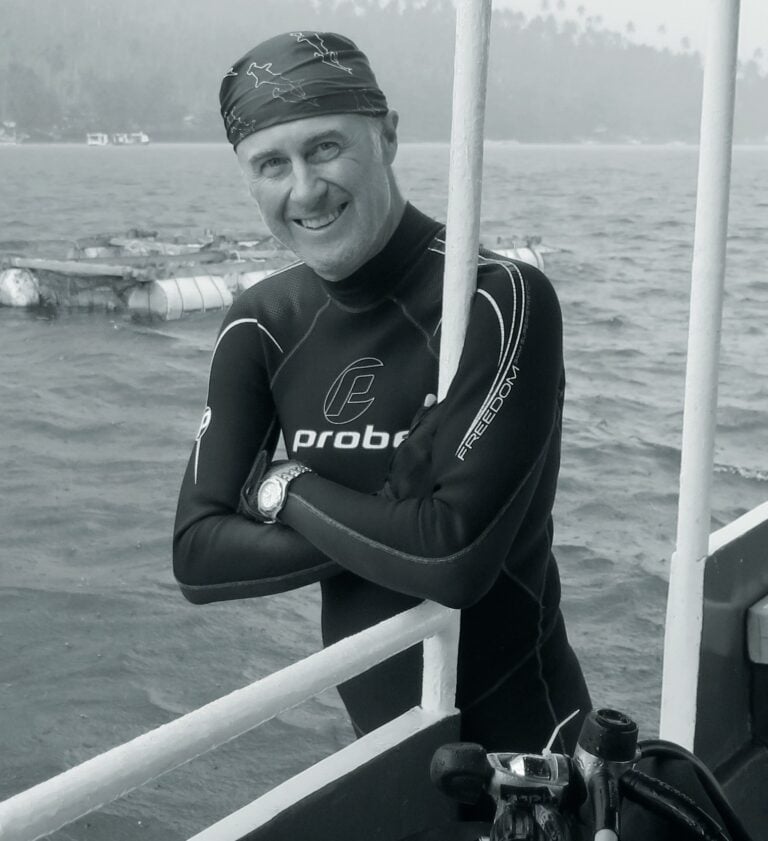
PT Hirschfield chats with author and underwater photojournalist Nigel Marsh about his decades-long quest to further what’s known about marine life species.
A Lifetime Spent Observing Marine Life
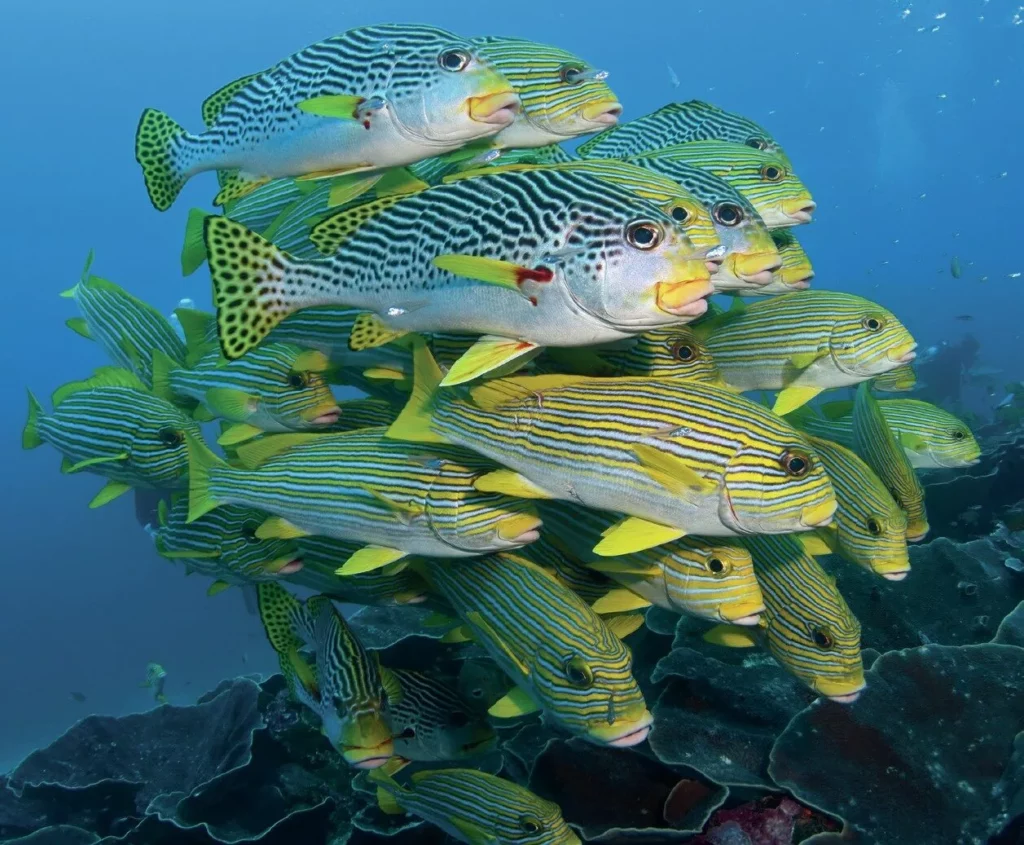
Prolific natural history photographer, photojournalist and author Nigel Marsh has been diving for over four decades. He’s logged over 3,100 dives, documenting most species he encounters on each dive: ‘I like covering as many as I can, looking at the state of corals and the health of the fish. Also noting what’s missing, like sharks and pelagic fishes, an indication that the site or area is overfished.’
Nigel is renowned for making significant contributions to what’s known about Australian marine life through iNaturalist.org, and the publication of around 1,000 magazine and newspaper articles.
Additionally, he’s authored 16 books on a diverse range of marine subjects. These include dive guides to Australia, the Great Barrier Reef and muck diving, as well as detailed marine life guides to fishes, sharks, rays and molluscs. He’s also written children’s books on sharks, crustaceans, fishes and shipwrecks.
From Dive Magazines to Marine Authority
A structural draftsman by trade who’s worked on houses, high-rise buildings and airports, Nigel started buying dive magazines when he was ten: ‘I loved the articles and photos, and knew that was what I wanted to do.’ He bought his first underwater camera at 15, learning to dive and writing his first article at 18.
Nigel first met acclaimed naturalist, the late Neville Colman, around this time: ‘When I moved to Brisbane from Sydney in 1990, I made contact to see if he needed any assistance on his magazine, Underwater Geographic. We worked closely together doing the magazine layout and several guidebooks.’
Questioning What We Think We Know
‘Neville’s passion for marine life was boundless and contagious. He once told me that if you spend several hours studying a marine species in Australia, you’d become the expert on that animal, as so little research has been done in Australia.’
‘This gave me confidence to question what was written about some marine life, that was contradicted by what I was observing and photographing. The first animal I questioned the ‘facts’ for was the ornate wobbegong.’

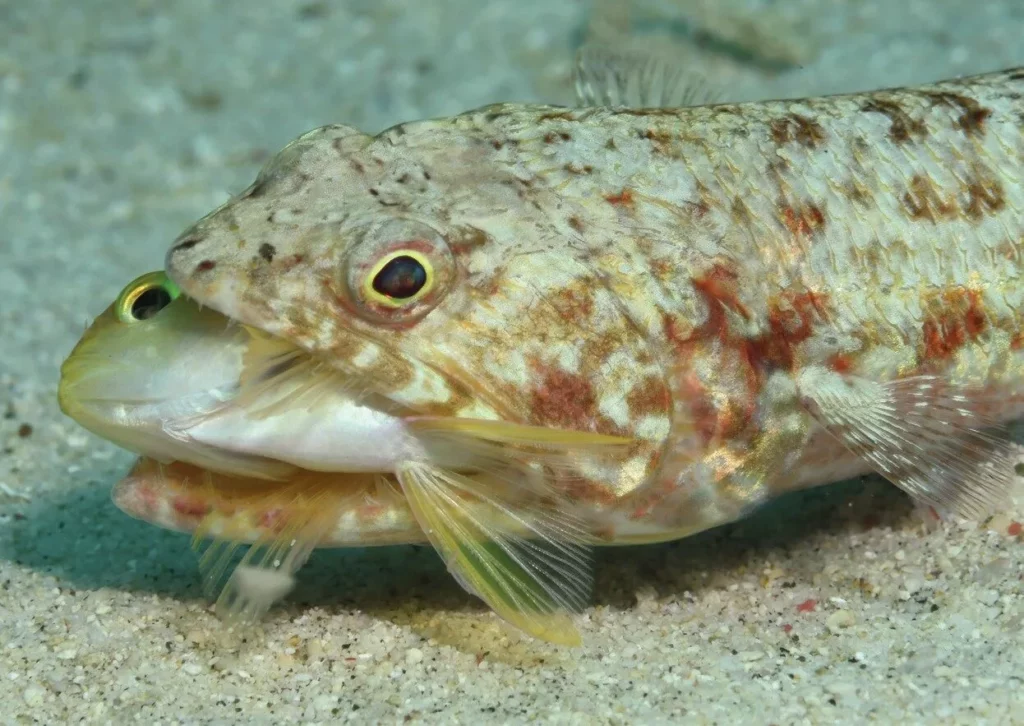
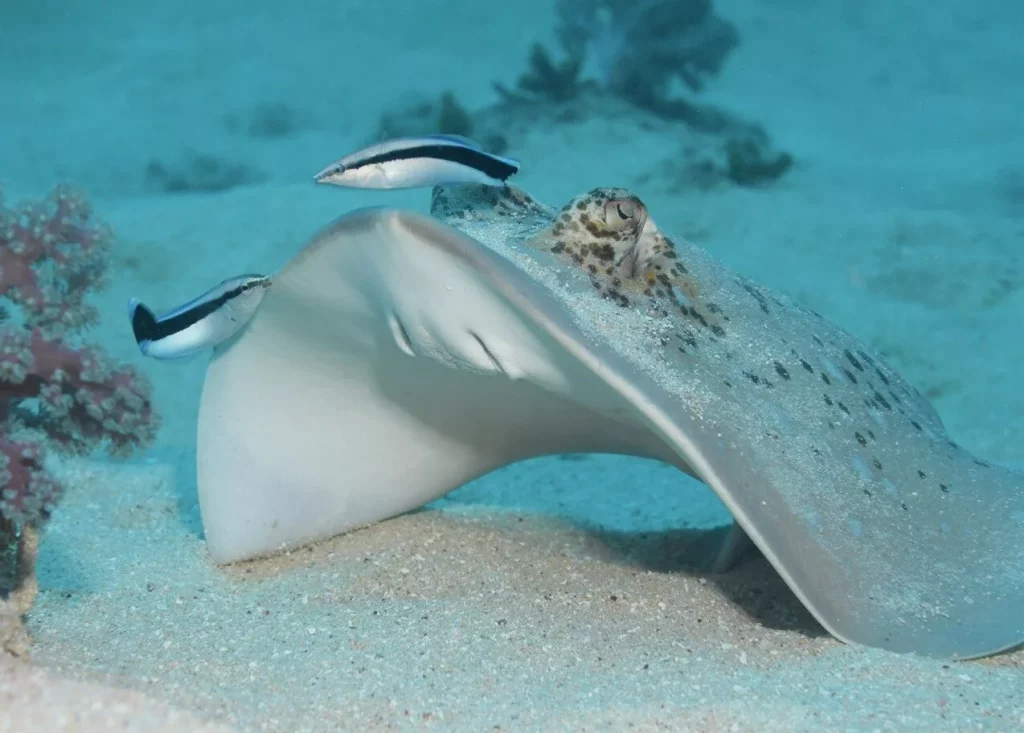
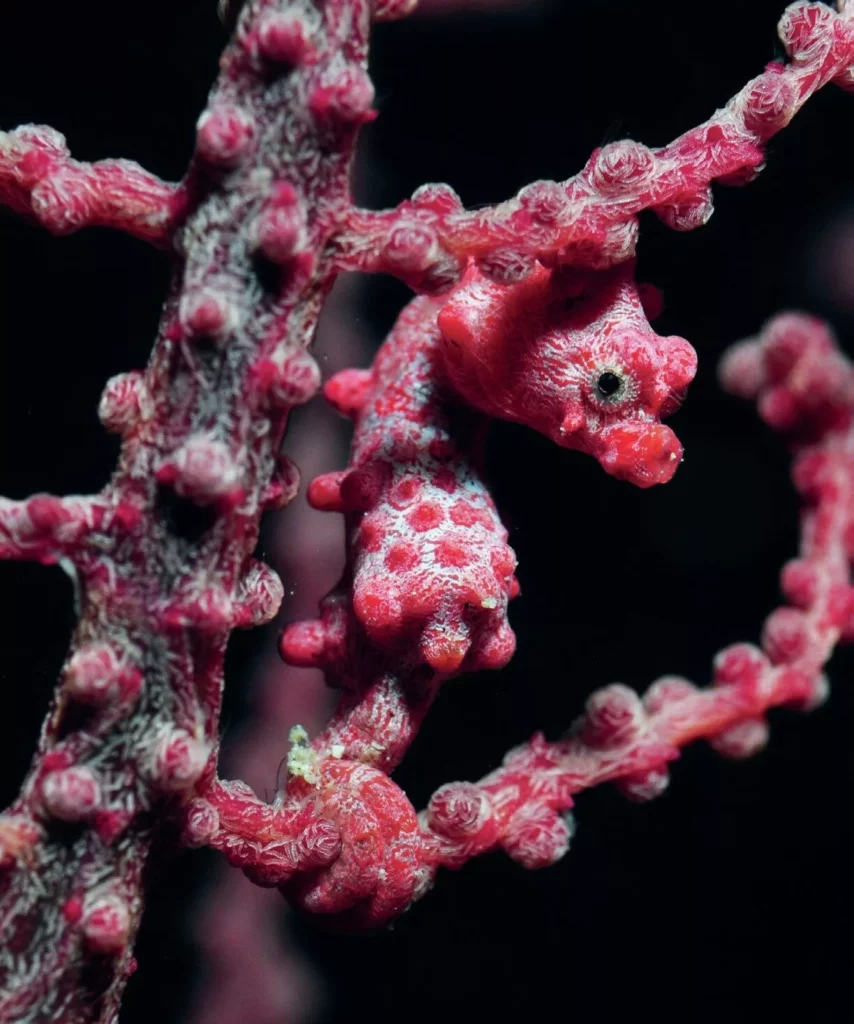
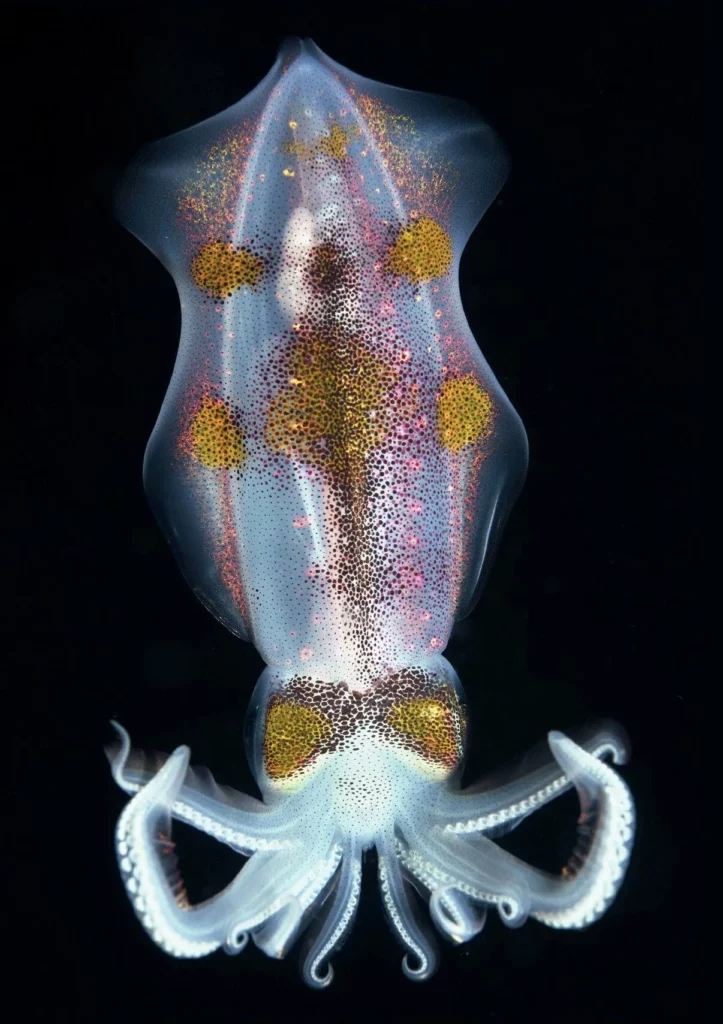
‘It had different colour patterns depending on the size, which made it look like two very different sharks. A few years later, it was confirmed to be two species: the ornate wobbegong and banded wobbegong.’
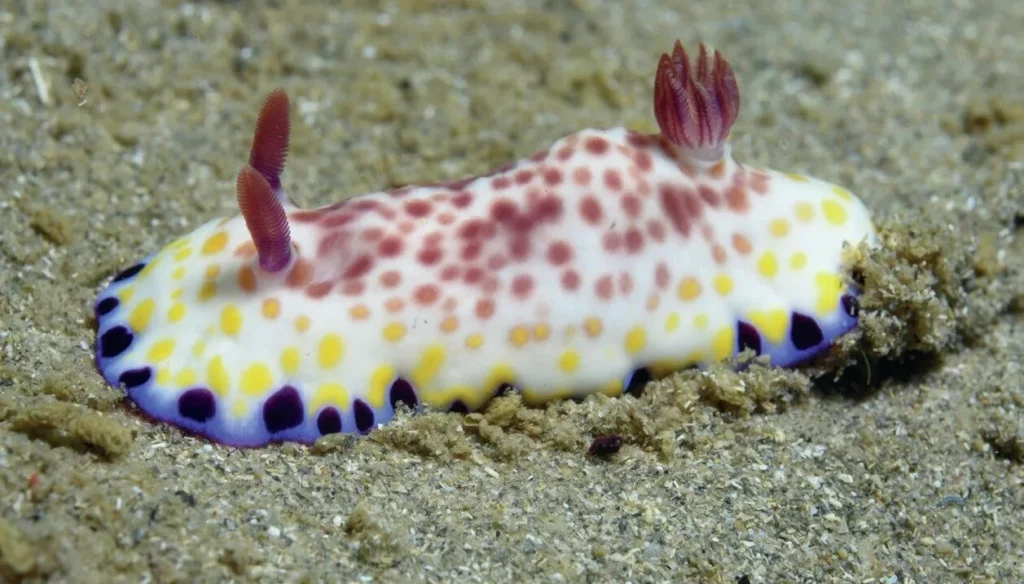
Nigel sharpens first-hand observations through contact with research scientists who’ve studied the animals he’s interested in: ‘I get a lot of joy and expand my own knowledge through doing articles on marine life like stingrays, wedgefish, moray eels, pygmy angelfish and boxfish.’
He has a particular passion for sharks and rays and has been lucky enough to dive with ‘all the so-called dangerous sharks’, including great white, tiger shark and bull shark. Though he confesses: ‘I’m actually more interested in photographing the smaller, shyer and rarer sharks and rays, like the Colclough’s shark and the Australian butterfly ray.’
Citizen Science and the Role of iNaturalist
In his quest to contribute to what’s formally known about marine life, Nigel has documented almost 1,500 fish species on iNaturalist: ‘In Australia, there’s little funding for marine research. Observations and photographs by divers are very important, so we can learn more about behaviour, reproduction, habitat and distribution of animals.’
Nigel delights in the joys of underwater discovery: ‘When I see an animal I’ve never seen before, my heart starts racing and I endeavour to get a good photo. I get far more excited photographing a species I’ve never seen before than I ever got from creating pretty pictures.’
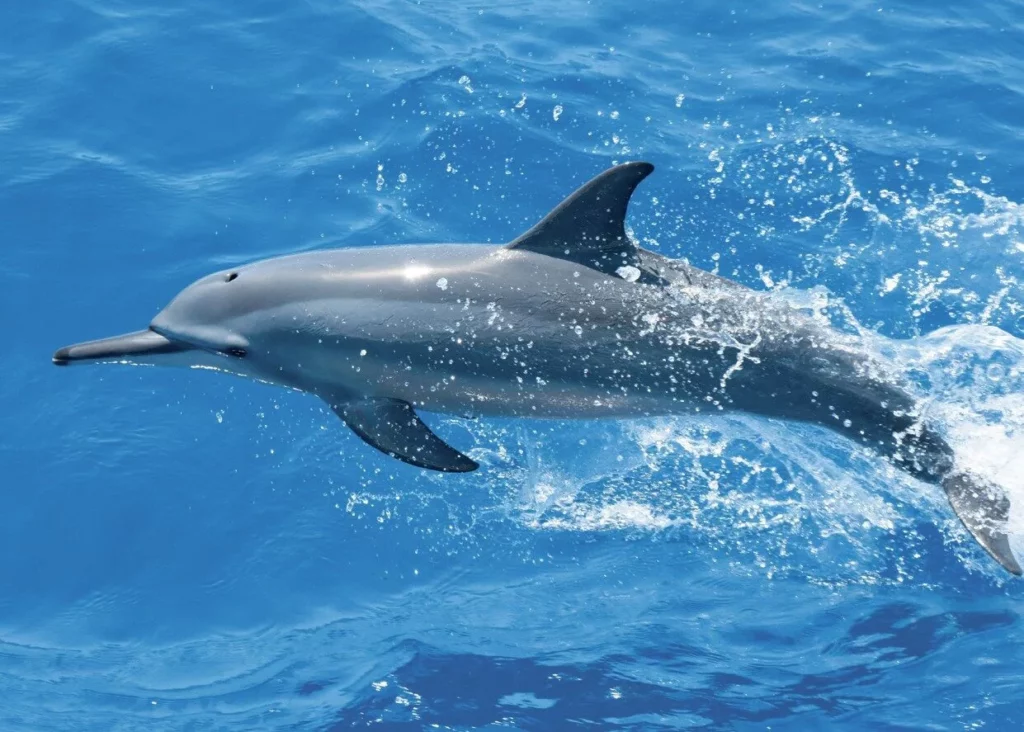
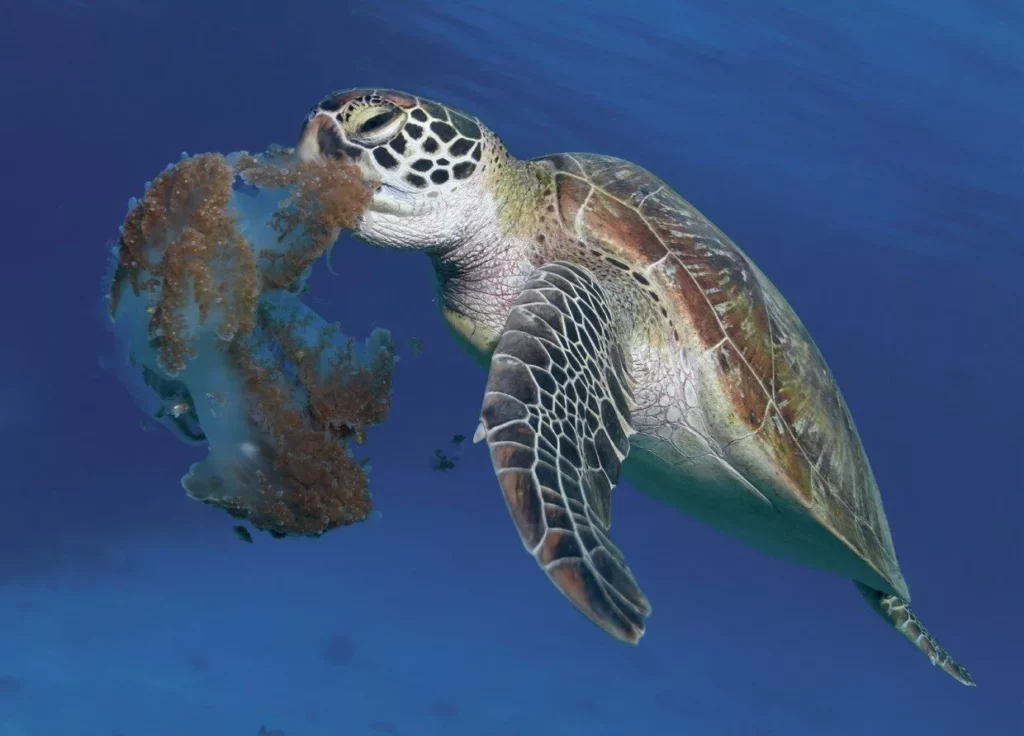
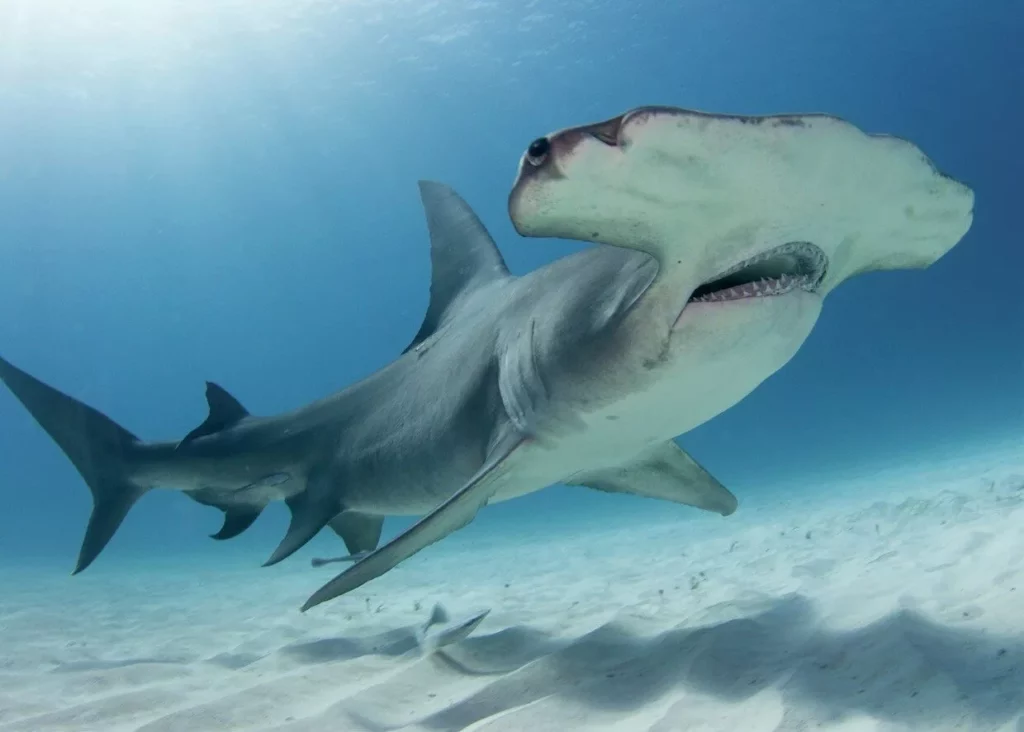
‘I check my guidebooks first, then go on-line if I’m stumped. It’s always great when you get an image of an animal that’s not featured in the books. iNaturalist is a great resource for identifying almost anything.’ His passion for photographing animals also extends to birds, mammals, reptiles and frogs.
Diving Close to Home in Queensland
Having been based in Brisbane, Nigel’s enjoyed local subtropical dive sites like North Stradbroke Island and Moreton Island: ‘This area has rocky reefs covered in corals and overloaded with tropical species like turtles, wobbegongs, wedgefish, leopard sharks, grey nurse sharks, manta rays and stingrays.’
He notes: ‘You also get unexpected surprises, like flamboyant cuttlefish, harlequin shrimps, ghost pipefish, frogfish, and orangutan crabs. Plus unique endemic species like the Colclough’s shark and northern blue devil.’
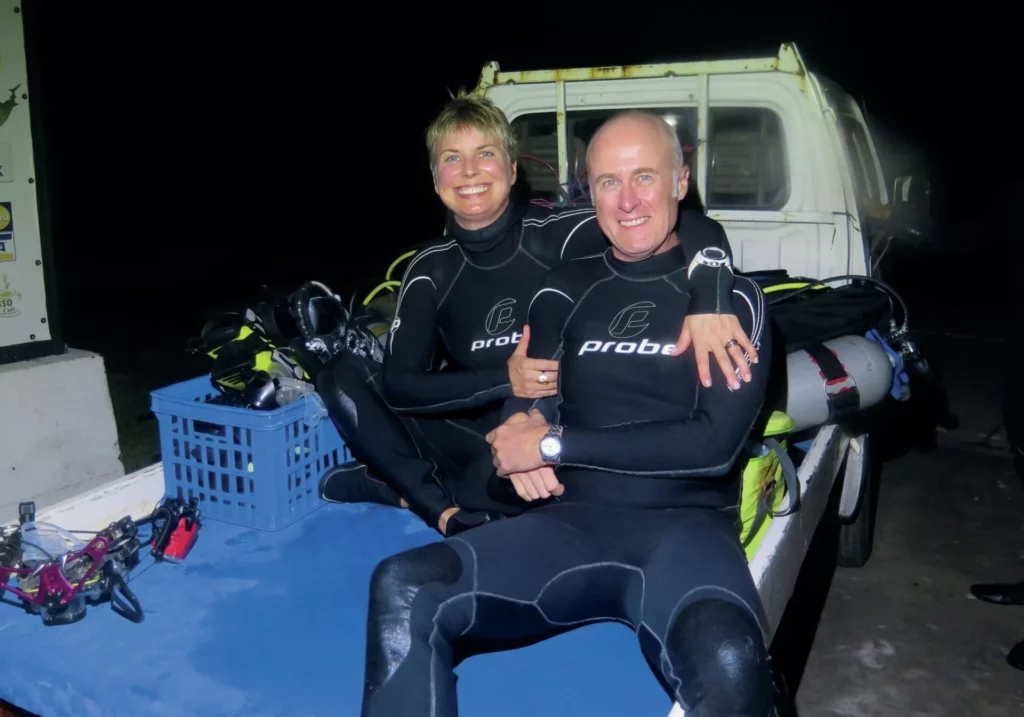
With his wife and long-time dive model Helen Rose sadly passing away in 2024, Nigel is currently in the process of relocating to Newcastle, NSW, to be closer to family and friends. In addition to diving extensively across Australia, Nigel aims for two to four overseas trips annually. He’s dived Vanuatu, Solomon Islands, Fiji, Tonga, Papua New Guinea, Timor Leste, Indonesia, Thailand, Malaysia, Philippines, Palau, Mexico, Bahamas, Maldives, Egypt, Spain and India. His dive travel includes leading photography group trips and delivering talks on marine life.
A Simple Approach to Underwater Photography
As a natural history photographer, Nigel chooses to keep his camera rig as simple as possible. He avoids snoots and other special effects, aiming to always ‘get images right in camera’, rather than relying on fancy techniques or ‘fixing’ images through editing.
‘My philosophy is to keep it as simple as possible. I teach people how to get the best from their underwater camera and to learn its limits.
Many come to my courses after struggling for years, mostly because they’re trying to do too much, like using twin strobes when they’re not required.’
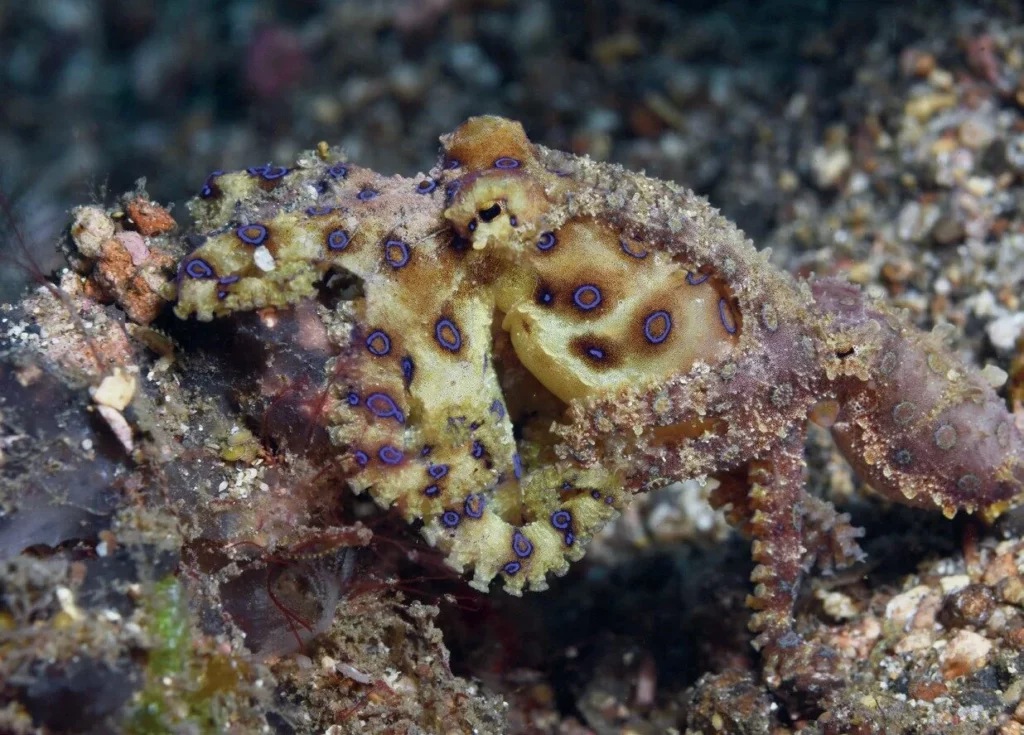
Conservation, Change and the Future of the Oceans
Over the decades, Nigel’s seen many concerning changes beneath the surface: ‘Dive sites destroyed by overuse, pollution, fishing pressures, anchor damage, coral bleaching, cyclones and crown-of-thorns. Plus a massive decrease in fish stocks. But I’ve also seen sites rejuvenated by good management practices, especially being protected from fishing.’
‘We need more marine parks and for them to be policed. We also need more education, because most fishers don’t like restrictions and would rather see fish stocks decline than protect them for future generations to enjoy. Will it get better? I hope so, but I’m not very optimistic.’
Still Chasing the Next Dive
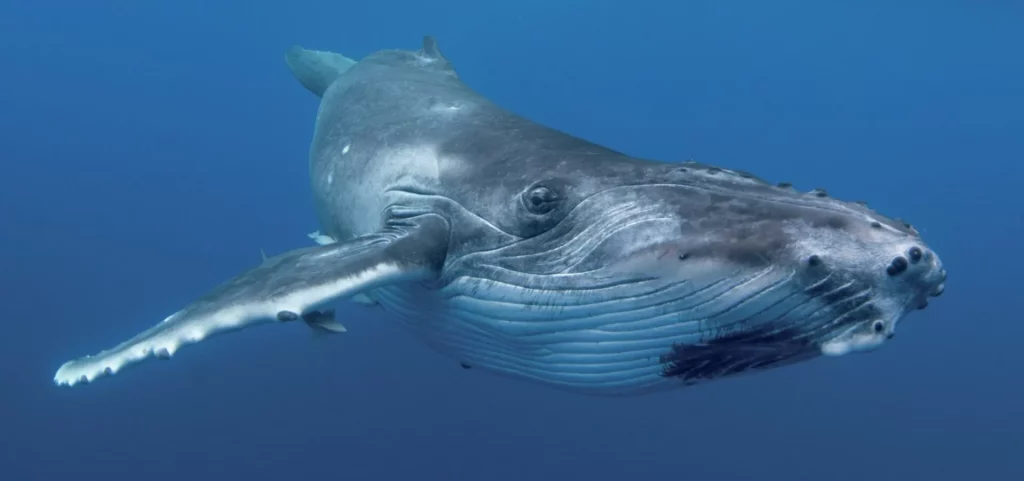
Nigel still has many dive destinations to explore, including the Galapagos, more of the Caribbean and the eastern Pacific: ‘In recent years, I’ve been really getting into cetaceans, photographing blue whales off Timor Leste and humpback whales off Tonga. I still get excited each time I photograph an angelfish, frogfish or moray I’ve never seen, even a new octopus or cuttlefish. I hope I’ll be diving into my 90s.’
You can discover more about Nigel’s significant body of work at nigelmarshphotography.com
Frequently Asked Questions
Who is Nigel Marsh?
Nigel Marsh is an Australian underwater photographer, photojournalist and author with over 40 years of diving experience and 16 published books.
What is Nigel Marsh known for?
He is known for documenting marine species, contributing to iNaturalist, authoring dive and marine life guides, and underwater photography.
What marine life does Nigel Marsh specialise in photographing?
He specialises in sharks, rays, fishes, molluscs and lesser-known or poorly documented marine species.
Why is iNaturalist important to marine research?
iNaturalist allows divers to submit observations that help scientists study species behaviour, distribution and population trends.
What camera philosophy does Nigel Marsh follow?
He favours simple camera setups and aims to get images right in-camera rather than relying on complex lighting or heavy editing.
This article was originally published in Scuba Diver Magazine
Subscribe today with promo code DIVE1 — enjoy 12 months for just £1!

I’ve dived with Nigel Marsh, way back in the early 80’s, Lady Elliot Island. Marine biologist Neville Colman also there. Both masters of underwater photography then. I’m now 85 years old, I’ve just been back to the Solomon Islands, diving with Dive Gizo. I learned a great deal from both Nigel and Neville. Legends along with Val and Rod Taylor.