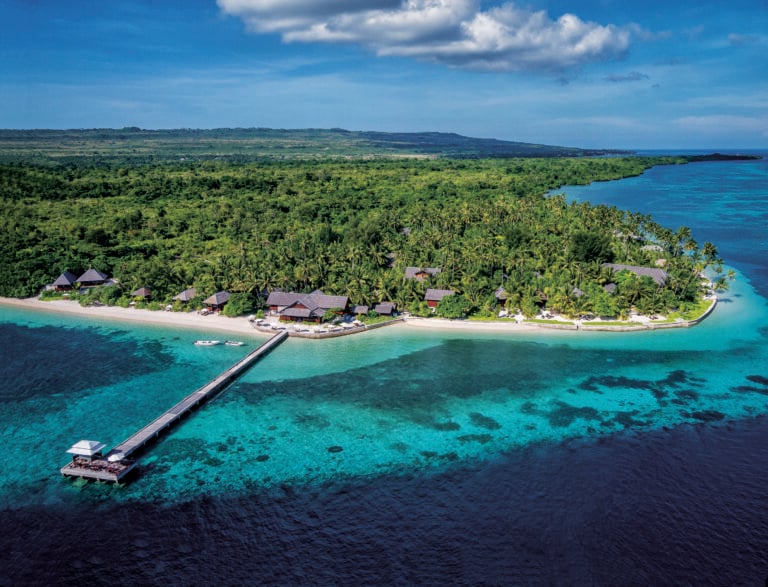
Wakatobi Seasoned underwater photographer Walt Stearns presents a dozen reasons why this far-flung dive resort deserves top billing
Wakatobi Resort (www.wakatobi.com) is consistently ranked as one of the top-rated diving and snorkelling destinations in the world. But what exactly does that mean? Certainly, the quality of the underwater photographer experience is important, but so too are factors such as the setting, amenities, guest comfort and conveniences. It is a combination of all of the above that earns Wakatobi top marks with its guests. But don’t take my word for it. Here are a dozen reasons why the resort remains near the top of so many diver’s bucket list destinations.

Protection Pays off
In an era where even the most-remote diving destinations are subject to the effects of human activity, a policy of managed and enforced protection is the only way to assure the health of the underwater photography ecosystem. Wakatobi Resort sits within a marine reserve created and operated by the resort’s founders. Covering more than 20km of reef line, the Wakatobi Collaborative Reef Conservation Programme creates a no-take zone that encompasses some of the most-spectacular and biologically-rich underwater photography landscapes in the region.
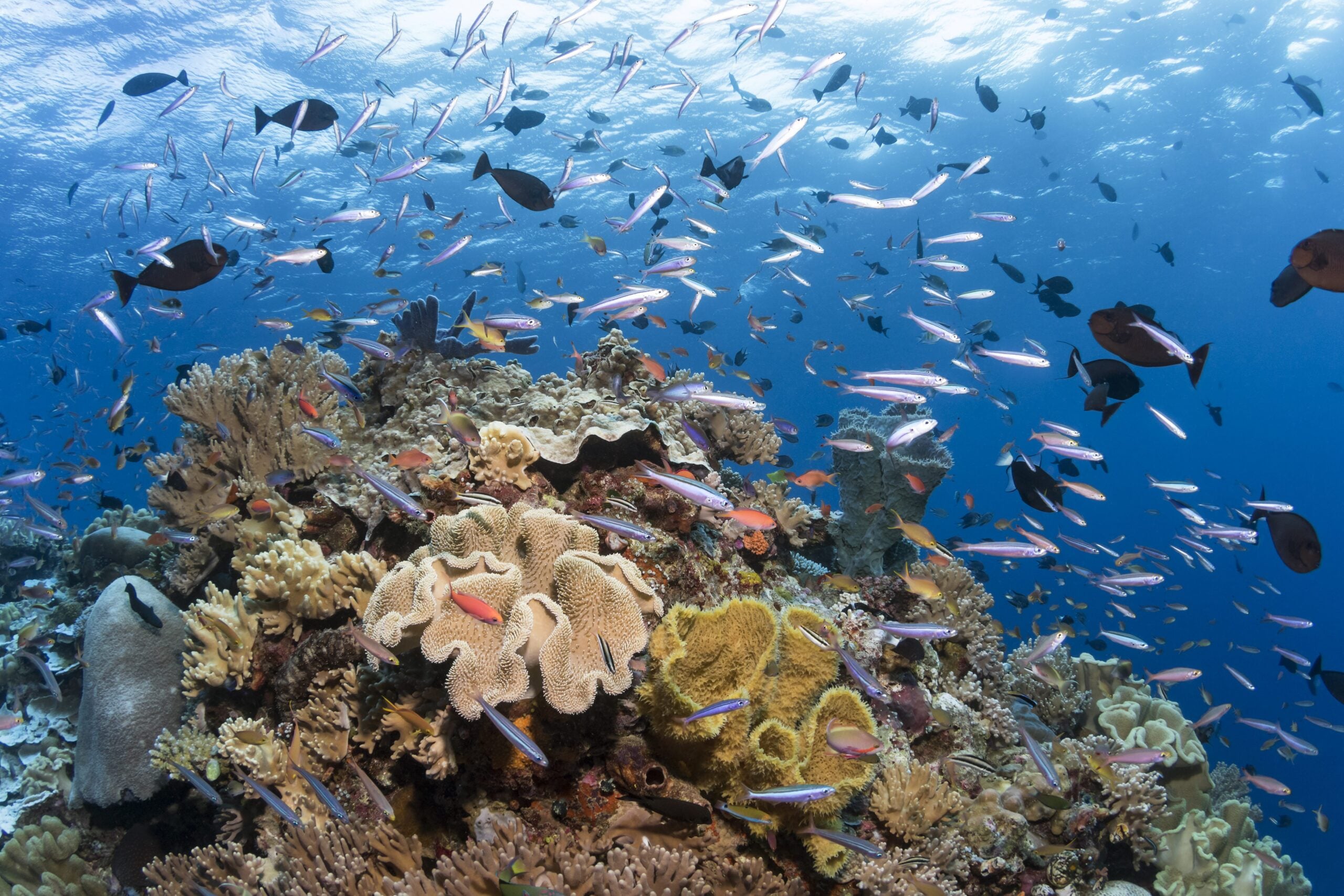
And it’s a programme that works. Since the establishment of the reserve in the mid-1990s, all destructive forms of fishing have been eliminated, dive sites are protected by permanent moorings, and there is a strict no-touch policy in place for all diving guests. As a result of these efforts, fish populations have increased, and corals have returned to near-pristine status.
High Critter Counts

Wakatobi Resort is located with the area known as the Coral Triangle, which nurtures the planet’s highest levels of marine bio-diversity. On the reefs surrounding the resort, divers and snorkellers can tally more than 500 varieties of hard and soft corals, 2,000-plus species of fish life and many thousands more invertebrates. Keen-eyed divers can spend hours searching out tiny treasures such as pygmy seahorses, discovering perfectly camouflaged reef dwellers, or scanning the shallows for burrowers. Healthy reefs attract swarms of colourful tropicals, while schooling fish patrol the edges of walls and the tops of underwater photographer seamounts.
Be Part of The Solution
Wakatobi’s Collaborative Reef Conservation Programme doesn’t just put a halt to destructive fishing practices and reef degradation, it creates a sustainable alternative by making healthy reefs a source of revenue for the local community.

A portion of all guest revenue generated by the resort is used to make direct lease payments to area villages. Revenues also sustain other community initiatives for education, clean water and electrification. By giving the surrounding community a stake in preserving the reefs, Wakatobi has been able to transform local attitudes and encourage a sense of stewardship. And by placing many reefs into a status that creates fish breeding sanctuaries, Wakatobi’s programmes have actually helped local fishermen enhance their catch within designated fishing zones.
Cruising in Comfort
Wakatobi Resort operates a fleet of custom-built dive boats. These spacious 21-metre vessels are designed for passenger comfort, with shaded decks, extra-spacious benches, dedicated gear storage bins and a separate camera table that is out of the way of other divers and snorkellers.

Bathrooms are located at the rear of the boat, and at deck level, while water entry is from the middle of the boat. This keeps divers well away from engine exhaust when entering and exiting the water. Underway, the boat’s efficient single-engine design keeps motor noise to a low burble. Boat crews are dedicated to delivering personal service both aboard and in the water. Thorough briefings are provided before each dive, and each guest is given the appropriate level of attention to ensure both safety and maximum diving freedom.
Underwater Diversity
The dive sites surrounding Wakatobi Resort offer a diverse range of underwater scenery. Many begin as shallow reefs that rise to within a metre or two of the surface then transition dramatically to steep slopes or walls. Some sites are set in protected bays, while others take in open-water seamounts and pinnacles. At many sites, the reef topographies are ideally suited to multi-level profiles, and it is quite common for divers to log bottom times of up to 70 minutes while remaining within a no-stop dive profile. By working with tidal currents, it is also possible to make extended drift dives at certain locations. Night dives showcase a different cast of marine characters, and the dive centre offers the special programme of fluo-diving destination, which reveals the fluorescing abilities of corals and other marine life.
A Shore with More
Guests don’t have to board a boat to discover some of the best diving and snorkelling in all of Indonesia. Directly in front of the resort is the House Reef, which has been named one of the world’s number-one shore dives. Exploring this vast area is as easy as wading in from the beach, or entering from the ladder at the end of the resort jetty.

The outer edge of the reef runs parallel to the shore in a series of steep slopes, walls and undercut ledges. Divers have been known to spend entire days working along small areas of this formation, discovering a wealth of interesting subjects at every turn. Just inshore of the reef, a seagrass meadow shelters a menagerie of juveniles, invertebrates and sand-wellers. There is always shore supervision, and to enhance access to the full extent of the House Reef, the dive staff operates small taxi boats that ferry divers and snorkellers to more distant areas up current so they can leisurely meander their back.
Snorkellers Welcome
Though it’s called a dive resort, Wakatobi is also a great place for snorkellers. In addition to the extensive shallow formations of the House Reef, there are dozens more sites where the corals rise close to the surface. Snorkellers are always welcome to join the divers at these sites, and are given the same levels of personal attention with snorkel guides while on the boats and in the water. The ability to mix diving destinations and snorkelling groups allows diver/snorkeller couples and families with younger children to better share the experience.
After The Dive
Some guests spend every possible moment of their Wakatobi experience in or under the water. Those who don’t have plenty of additional options. Beach time can include a range of watersports such as kayaking, stand-up paddleboarding and wakeboarding.

In the months between May and September, light seasonal winds turn Wakatobi into an ideal destination for the exciting sport of kite surfing. The resort now has a dedicated kiting centre, and can accommodate everyone from beginners to experts. Those who would rather stay dry can indulge in a spa visit, wander the island’s nature trail, take a tour of a local village, or sign up for an Indonesian cooking or culture class. The library and lounge in the Longhouse is always available for reading, games and there are often scheduled slide shows and marine life presentations by the resort’s photo pro.
Barefoot Luxury
Barefoot Luxury is a phrase that has become a bit cliché. But how else would you describe a setting where spa services, fine dining, attentive personal service and million-dollar ocean views mix with charming beachfront bungalows set in a palm grove, and private villas perched on the shoreline. As further validation, consider that each of these oases of personal relaxation is served by an attentive staff, and reached by sand pathways that encourage you to shed both your shoes and any residual stress.
Ditch the Diet
At Wakatobi, meals are much more than just a time to fuel up before the next dive. The kitchen staff includes internationally-trained chefs, and each meal becomes another opportunity to showcase their talents. From international favorites to Indonesian specialties, there is always a variety of fresh, savory options to enjoy in the open-air dining room, with beach views in the background. Wakatobi’s culinary team can also accommodate a wide range of dietary requirements and wishes and are always happy to handle special requests. Breakfasts can also be enjoyed on bungalow porches or villa terraces, and the staff can create private beachfront dinners or picnic lunches.
Warm Welcomes
The majority of Wakatobi’s staff come from the local community, where hospitality is a deeply ingrained cultural trait. Guests are welcomed with the same genuine warmth as if they were invited into a private home. When staff members smile and greet you by name, it’s not a gimmick, but rather a genuine expression of welcome. The staff also takes pride in going the extra mile to deliver the extra details of personal service and make sure that guests want for nothing, while at the same time respecting each individual’s privacy. It’s a combination that is almost guaranteed to put you at ease, and spoil you for a return to the outside world.
Remote Yet Accessible
Wakatobi is located on a small island hundreds of miles from city lights. But getting there is easy, thanks to private direct charter flights from Bali, which arrive at the resort’s own airstrip in just two-and-a-half hours. To ease the transition, Wakatobi also maintains an airport concierge staff in Bali, and provides guests access to a VIP airport lounge. The concierge team greets arriving passengers, assists with all details of transfer, and can arrange hotels, transportation and activities for those wishing to make a Bali layover. Once at the resort, guests can choose to tune out the world, but enjoy full connectivity when needed through a combination of internet, cellular and satellite links.
Conclusion
There are many more reasons why a stay at Wakatobi Resort is truly a world-class vacation. But to discover all this idyllic destination has to offer, you’ll need to go and experience it for yourself.
Photographs by Walt Stearns
FAQ
Q: Why is Wakatobi Resort considered one of the top dive resorts in the world?
A: Wakatobi combines pristine marine biodiversity, a private conservation area, high-end amenities, and guest comfort. Its blend of world-class diving, eco-conscious management, and luxurious barefoot living make it stand out globally.
Q: What makes the marine environment at Wakatobi so special?
A: Located in the Coral Triangle, Wakatobi boasts over 500 coral species, 2,000+ fish species, and countless critters. Guests regularly see pygmy seahorses, frogfish, turtles, reef sharks, and large schools of fish alongside vibrant coral gardens.
Q: How does Wakatobi protect its reefs?
A: The Wakatobi Collaborative Reef Conservation Programme enforces a no-take zone across 20km of reef, funded by guest revenue. It eliminated destructive fishing, improved fish stocks, and provides direct benefits to local villages, fostering stewardship.
Q: Do I need to take a boat to dive at Wakatobi?
A: Not necessarily. The famous House Reef is accessible directly from the resort beach or jetty, often called the world’s best shore dive. Taxi boats also drop divers further up-current for easy drift dives back to the resort.
Q: What kind of boats does Wakatobi use for diving?
A: The resort operates custom-built 21-metre dive boats with shaded decks, gear storage, camera tables, bathrooms, and quiet single-engine operation. They are designed for comfort and personal service on every trip.
Q: Is Wakatobi good for snorkellers too?
A: Yes. Many reefs rise close to the surface, making them perfect for snorkellers. Snorkel guests are given the same attention and can join divers on trips, making it an excellent choice for mixed groups or families.
Q: What other activities are available besides diving?
A: Guests can enjoy kayaking, paddleboarding, wakeboarding, and kite surfing (May–September), or stay dry with spa treatments, village tours, Indonesian cooking classes, nature trails, and cultural experiences.
Q: What is the accommodation like at Wakatobi Resort?
A: Guests choose from beachfront bungalows or private villas, all set among palms with direct sea views. The resort is known for its “barefoot luxury,” blending relaxation with attentive personal service.
Q: How is the food at Wakatobi?
A: Meals are prepared by internationally trained chefs, offering global favourites and Indonesian specialties. The team caters to dietary needs, and private dining experiences like beach dinners or bungalow breakfasts are available.
Q: How do you get to Wakatobi?
A: The resort is remote but accessible via direct private charter flights from Bali (around 2.5 hours). Guests are met by Wakatobi’s concierge in Bali for a seamless transfer experience, including VIP lounge access.
Q: Is Wakatobi suitable for families?
A: Yes. With diving, snorkelling, kid-friendly shallow reefs, and non-diving activities, it caters to families, including those with children or mixed snorkeller/diver groups.
Q: When is the best time to visit Wakatobi?
A: Wakatobi offers year-round diving with excellent visibility. Kite surfers may prefer May–September, while divers enjoy steady conditions throughout the year thanks to the resort’s sheltered location.
This article was originally published in Scuba Diver Magazine
Subscribe today with promo code DIVE1 — enjoy 12 months for just £1!