“There are substantial changes in the pipeline and no one wants a diver inadvertently getting a criminal record,” is the warning from maritime-law expert Professor Mike Williams. “I think these can be regarded as massive changes for UK wreck-diving.”
He is talking about provisions contained in the new Armed Forces Bill, which had its second reading in the House of Commons on 26 January. This is wide-ranging legislation, but the part that matters to British scuba divers is Clause 47, a sweeping amendment to the Protection of Military Remains Act 1986 (PMRA).
For 40 years the PMRA has provided two levels of shipwreck protection: Protected Places, which can be visited by recreational divers but on a strictly look-don’t-touch basis, and the Controlled Sites that can be dived only rarely, under Ministry of Defence (MoD) licence.
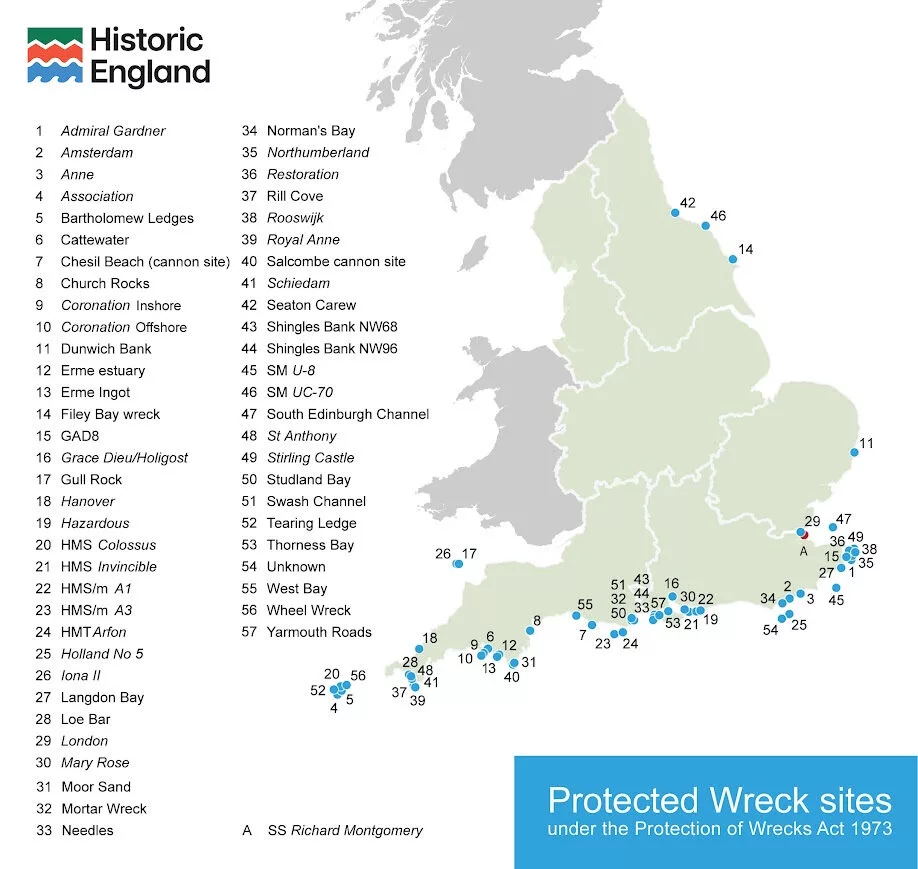
Warplanes automatically acquire Protected Place status in law, but military vessels can receive either level of protection only by being specifically designated by a government minister through a statutory instrument. There are fewer than 100 underwater Protected Places, 57 of them in England and mostly historic wrecks along the south coast.
If the government has its way, however, any ship sunk in military service will be considered a Protected Place by default in future. This will apply not only to British-flagged vessels but to those of any state sunk in military service in UK territorial waters.
“That means no physical disturbance and absolutely no collection of portholes, bells or any other souvenirs,” says Williams. Not touching can also mean not penetrating a wreck. “If divers are caught it could mean a criminal record and the site being placed out of bounds to divers by designating it as a Controlled Site.”
This is what happened with HMS Exmouth. Sunk in the Moray Firth by a U-boat in 1940, she was the first Royal Navy destroyer lost in WW2. The wreck lies upright and well-preserved in 60-65m and, though not positively identified until 2001, for some time offered a prestigious challenge for mixed-gas divers.
Because all 190 crew had died and the wreck had never been salvaged or the bodies recovered, it was eventually felt that even a Protected Place designation would be insufficient for such a site. So it became a Controlled Site in a bid to prevent any penetration, disturbance of remains, souvenir removal or structural damage.
Similar arguments could equally be applied to a number of other wrecks considered by the authorities to be vulnerable.
The merchant ship question
Mike Williams is secretary of the Nautical Archaeology Society, sits on the Joint Nautical Archaeology Policy Committee and has long been a leading advisor on underwater cultural heritage law. As both a commercial and recreational diver, and a member of the South West Maritime Archaeology Group, he has also conducted dives on a number of protected wreck-sites.
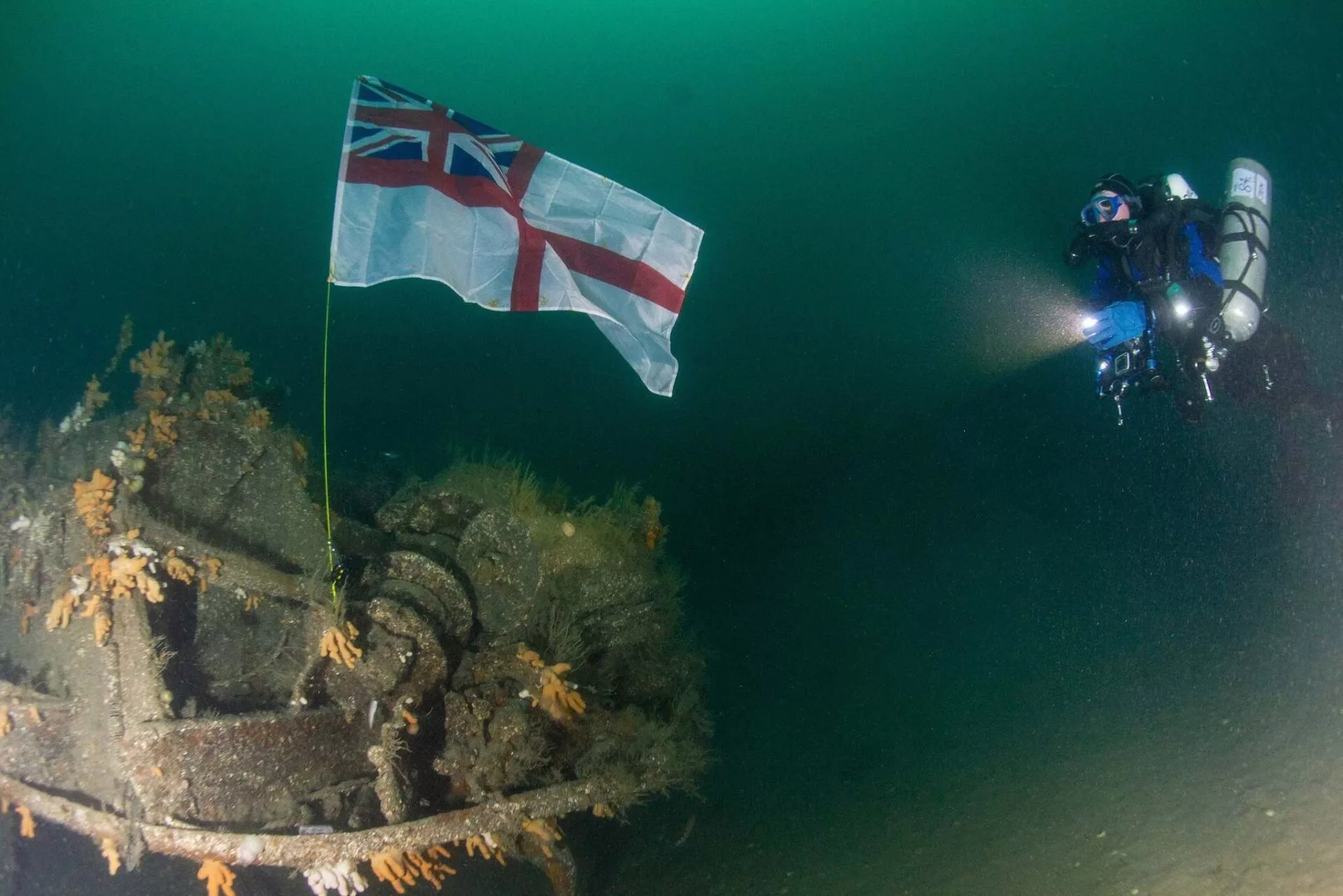
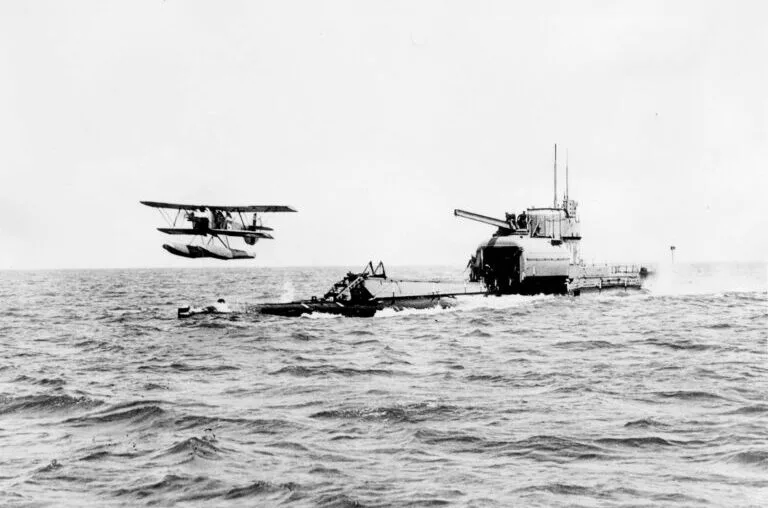
The first MoD licence ever granted to dive a vessel designated a Protected Place went to Williams in 2007, so that the 75th anniversary of the loss of the submarine HMS M2 could be commemorated by placing a White Ensign on the wreck.
The new legislation will treat merchant wartime casualties in the same way as military vessels, though this Williams considers a particularly tricky aspect.
“The Court of Appeal decision in the Storaa case determined that a merchant war loss that was defensively armed with Royal Navy gunners aboard and sailing in convoy was in military service for the purposes of the PMRA 1986,” he says.
The Danish cargo ship had been an E-boat victim, sunk off Whitby in 1943 with the loss of all but three of her 21 crew. The wreck had become a well-known dive-site in the 30m+ range, not having been heavily salvaged after the war like so many others.
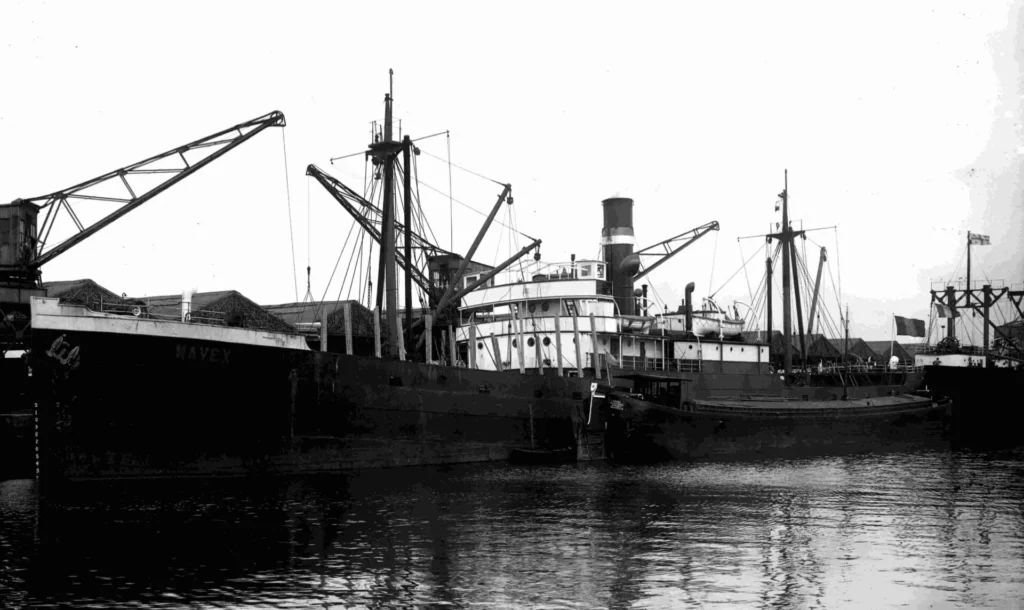
Over the years, however, concerns about the extent of artefact recovery, penetration diving and possible disturbance of remains had led relatives of the crew, maritime historians and also some divers to campaign for legal protection of the wreck.
The Storaa was formally designated a Protected Place in 2018 after an MoD review. It did not become a Controlled Site because the level of risk and national military significance was judged to be different from wrecks such as HMS Exmouth.
Under Clause 47 a Liberty ship such as the James Eagan Layne in Cornwall, arguably the most popular wreck in British waters, would be protected in the same way, along with numerous other wartime merchant casualties, with no penetration or contact allowed.
What is unclear, says Williams, is whether other merchant ships that had been in convoy but were unarmed, or were armed but using merchant rather than Royal Navy gunners, would also automatically become Protected Places. Cargo ships sunk in wartime but sailing independent of any state, whether armed or not, could constitute another grey area.
“For divers the safest course of action to avoid committing a criminal offence is not to touch or recover items from any merchant ship lost in war,” he suggests.
Another looming change concerns the age of a wreck. To be designated a Controlled Site at present, a vessel must have sunk since 1826, but this 200-year time-limit would be removed under Clause 47, bringing all historic shipwrecks such as HMS Victory 1744 into the fold.
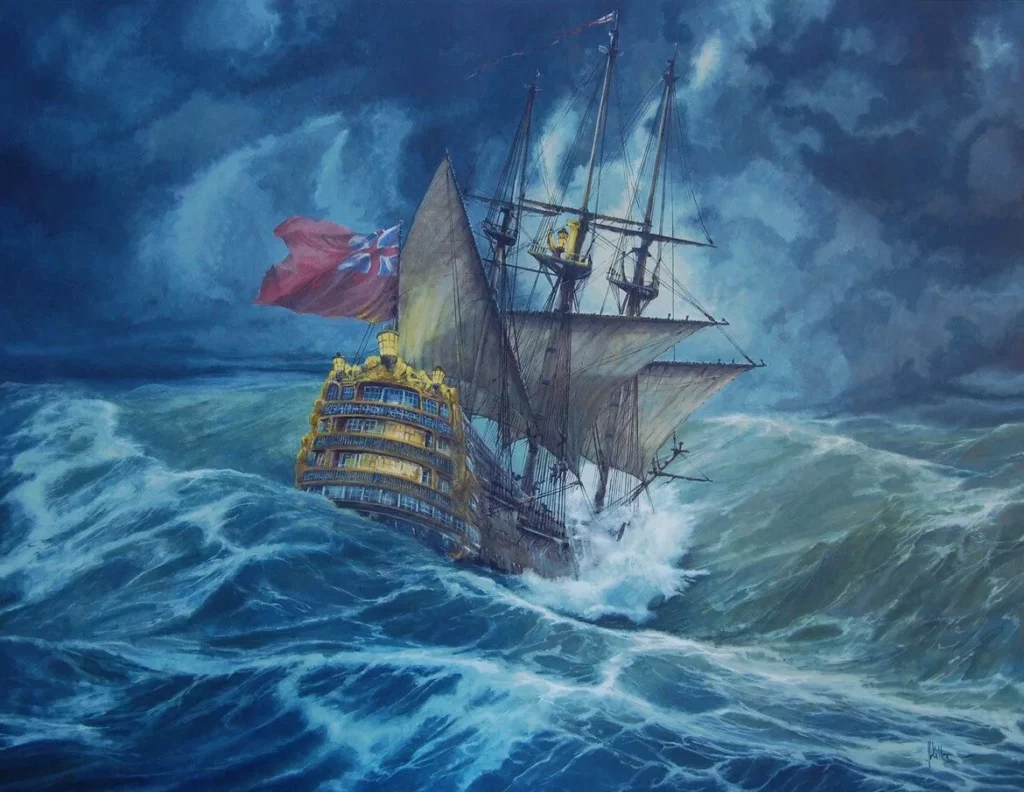
Protected Place status currently applies only to vessels sunk after the start of WW1 – but this 1914 time limit would be removed too. “Once the bill is enacted all sunken military vessels of any age are automatically wrecks divers cannot touch,” says Williams.
The Trentonian bell
What has prompted this move now? The MoD has long declared its ambition to designate all military wrecks, but according to one informed source at least some Canadian authorities had been upset about the unauthorised recovery of the bell from the corvette HCMS Trentonian in 2025, to the extent of bringing up the matter with MoD Navy Command.
Trentonian was another U-boat victim and sank to 65m with the deaths of six crew in the Channel in February 1945. The bell was found and raised by leading UK wreck-diver Dom Robinson last year, as described on Divernet.
He duly declared it to the Receiver of Wreck and personally returned it to representatives of the Canadian Navy for restoration and display. As a non-British vessel the wreck had not been protected, though Canadian naval historian Roger Litwiller argued at the time that it should have been treated as a non-touchable, with “legacy items” left in place.
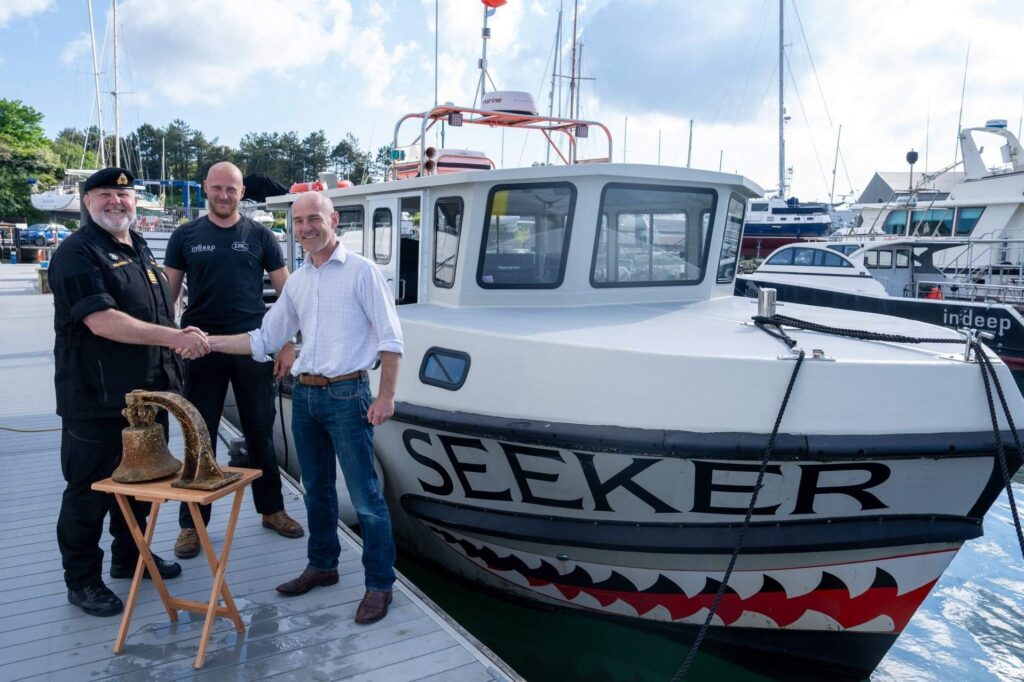
“I’m sure it is likely that the Canadians will have discussed it with Navy Command,” Robinson tells me, and considers it likely that Litwiller would have had the ear of senior figures in the Canadian Navy. He also points to the historian failing to acknowledge that Robinson had waived his legal right to salvage to speed up the transfer. “I’d also have been happy to return it to where it was found!” he says.
At the handover, a Canadian Navy officer had assured him that it was “much better to have that bell on the surface in a museum” but Robinson is well aware that the view is not universally held.
It should also be remembered that, apart from declaring finds, UK wreck-divers such as Robinson often go out of their way to assist the authorities.
Last year, for example, he recovered a brass plate from the WW1 destroyer HMS Foyle. “As you’d expect I declared it, and was awarded it in lieu of salvage by the Royal Navy, which didn’t want it. I was surprised, because 22 sailors had died when it hit a mine in 1917.”

Passage through Parliament
How long is the passage of the Bill likely to take? The government of the day is legally required to renew the Armed Forces Act, which provides the legal basis for raising and maintaining UK forces in peacetime, every five years.
In laying the new Bill before Parliament, defence secretary John Healey described it as an essential statutory renewal that also provides a vehicle for wider defence and service reforms.
That means technical changes to how the armed forces operate and are regulated and, important as shipwrecks might be to scuba divers, the protection of military remains is one element unlikely to give MPs much pause for thought.
The second reading brought the first full debate, but wreck protection was barely mentioned. Now the Bill has to go through the select committee stage, involving line-by-line examination and possible amendment, and then the report stage, third reading and four House of Lords stages.
Amendments can see the bill ping-ponging between the Houses before the final rubber-stamping through Royal Assent, and completion is thought unlikely to come much before late 2026.
The government will argue that its proposals will prevent unauthorised disturbance or salvage of sites with human remains or historic significance, and reduce onerous administrative barriers that require separate designation orders for each wreck.
There might be some objections revolving around how automatic protection would affect legitimate marine archaeology or research. Clarification would also be needed as to how Protected Places differ from the Controlled Sites that still require a designation order.
Push for change
The push for change is a “last-known resting place” drive by Navy Command, which simply wants the legislation to fall into line with that for military aircraft, says Williams.
“The archaeology community knew nothing about it and is as surprised as everyone else,” he says. “After all, it means that marine archaeologists will now have to go through an authorisation procedure like everyone else. They are not opposed to it but they didn’t ask for it either.
“Navy Command’s arguments will carry huge weight – who is going to stand up on the floor of the House of Commons or the Lords and argue that last-known resting-places should be physically disturbed?
“I’m supposing that from the government’s point of view the protection of wrecks is a relatively minor aspect of the Bill, and purely a matter of tidying up administratively.” Williams expects the proposal to be passed on a wave of cross-party support.
Going underground
Receiver of Wreck Stephen White is the UK government official at the Maritime & Coastguard Agency responsible for administering the law regarding found shipwrecks and salvage. He is the central authority for reporting salvaged material, ensuring fair salvage awards, returning property to owners and managing historical or archaeological finds.
White is not entirely convinced that Clause 47 will go through unamended, however, and expressed a fundamental anxiety about it when we discussed the matter at the recent Go Diving Show.
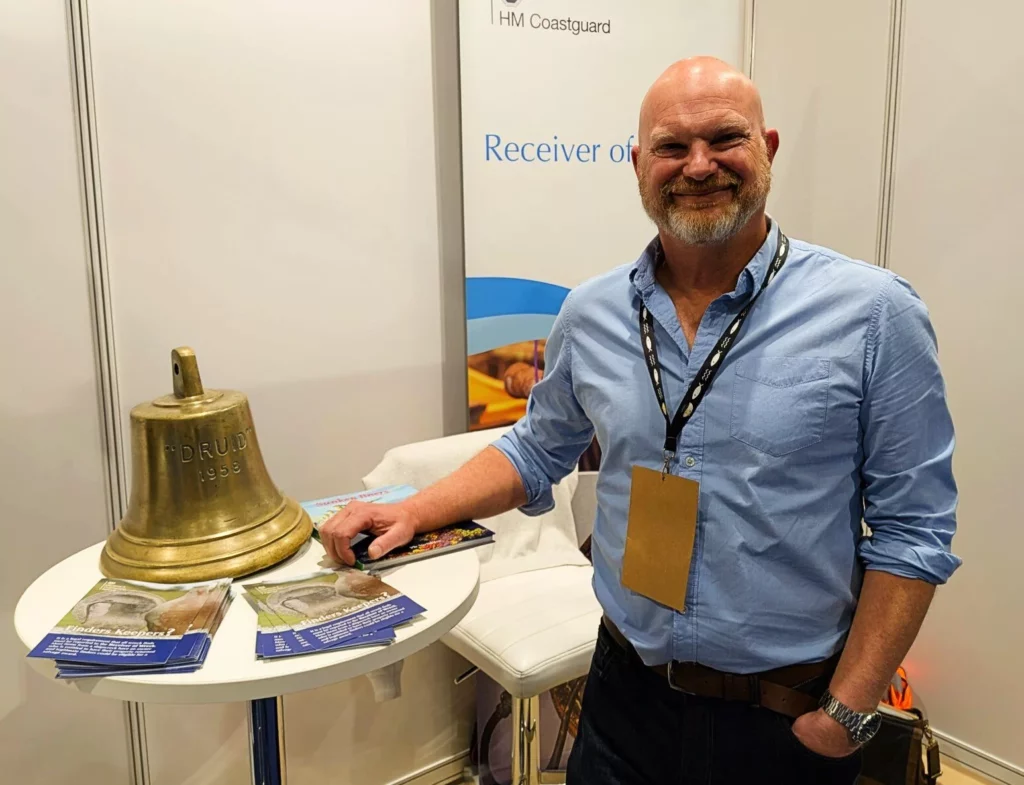
“What concerns me is that if this amendment goes through it will affect the reporting of finds on wrecks,” he said. He fears that some wreck-divers will continue to pick up ‘spidge’ but will no longer feel able to declare it to him for fear of being criminalised.
“I can see it being driven underground as a result,” he said, and told me that he had already made his views clear to those involved with framing the Armed Forces Bill.
Dom Robinson agrees: “Making all wrecks Protected Places will simply return us to the days when people simply didn’t declare things they found,” he says. “Also worth mentioning is that many wrecks are now in private hands and/or have been salvaged through the years.”
As an example, last year he bought for £300 on Facebook the wreck of the steamship Almond Branch, torpedoed in 1917 with the loss of one life.
Heritage crime at sea
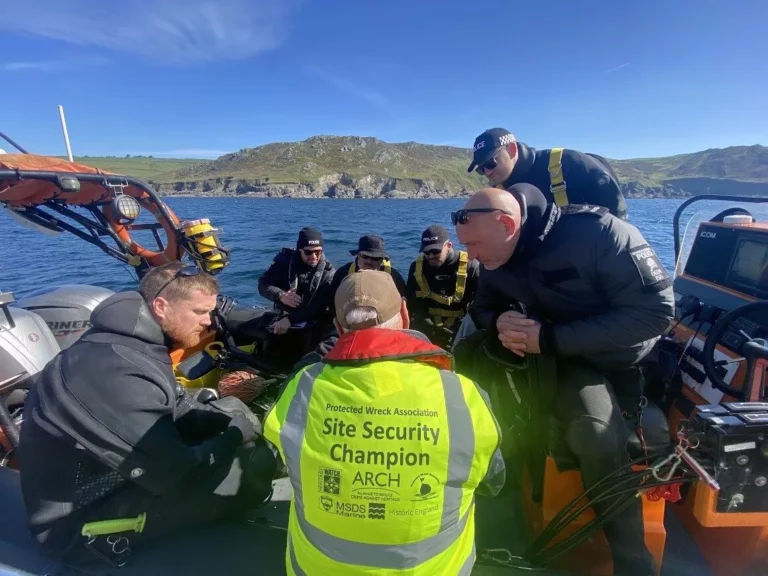
Meanwhile, as if in readiness for a new era of wreck-site vigilance, at the end of February Historic England (HE) announced that it had taken a “significant step forward” to protect the country’s most historic and archaeologically important shipwrecks.
In partnership with the University of Plymouth – and with Mike Williams (a visiting professor at its law school) as co-author – HE launched its downloadable Common Enforcement Manual for Heritage Crime at Sea.
The idea is to ease the way for a range of frontline law-enforcement agencies to detect and respond swiftly to threats of shipwreck interference.

HE wants to make the current legislation it describes as ‘complicated’ more easily accessible to the agencies. “The majority of divers abide by the law,” it states. “However, an unscrupulous minority have caused irreparable damage to historic shipwreck sites, through the removal of material and failure to follow legal requirements.”
The manual contains comprehensive legal advice and protocols for observing, investigating and intercepting vessels suspected of involvement in criminal activity.
It is said to complement HE’s Heritage Watch – a version of Neighbourhood Watch applicable under water – as well as its programme of forensic marking of cannon and other artefacts on wreck-sites such as that of the 17th-century Klein Hollandia.
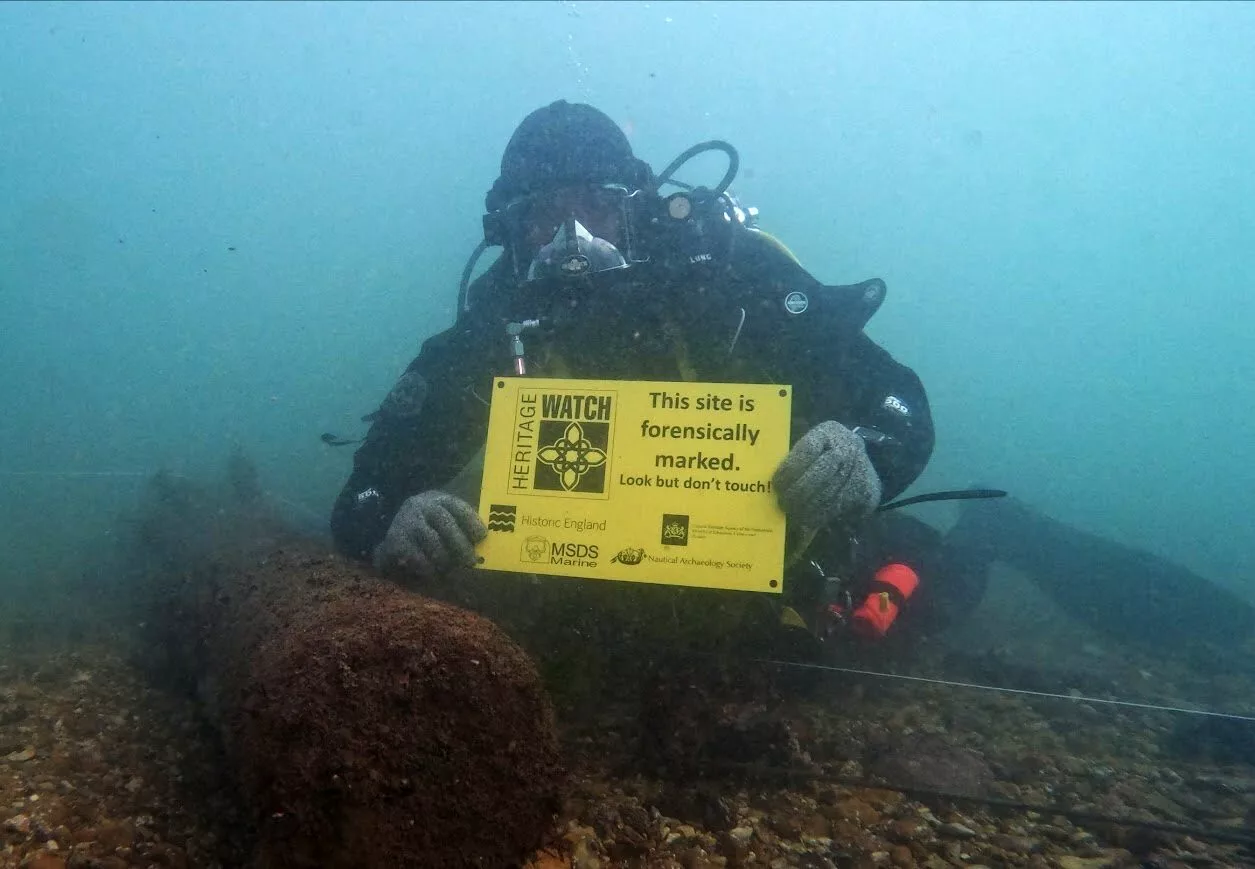
It should be said that prosecutions of divers have been relatively few over the years. HE cites four cases of successful convictions between 2014 and 2017. Does this mean that divers have played by the rules or become more devious – or has law enforcement become more or less effective?
Whatever the answer, the task of enforcing the law under water can only become more challenging when all military vessels become Protected Places.
“Responding to heritage crime at sea requires swift action, clear procedures and the secure preservation of evidence,” says HE head of heritage crime Mark Harrison.
“By strengthening awareness and co-ordination among the law-enforcement agencies patrolling England’s waters, we are enhancing our collective ability to identify offenders, secure crime-scenes and protect historic wreck-sites. This sends a clear message that criminal activity will not be tolerated.”
Of the many thousands of known shipwrecks around the UK, it is estimated that a quarter were sunk during the two World Wars. Among popular wreck dive-sites, the vast majority were wartime casualties. 2027 will see wreck-diving continue in the UK – but probably not as we know it now.