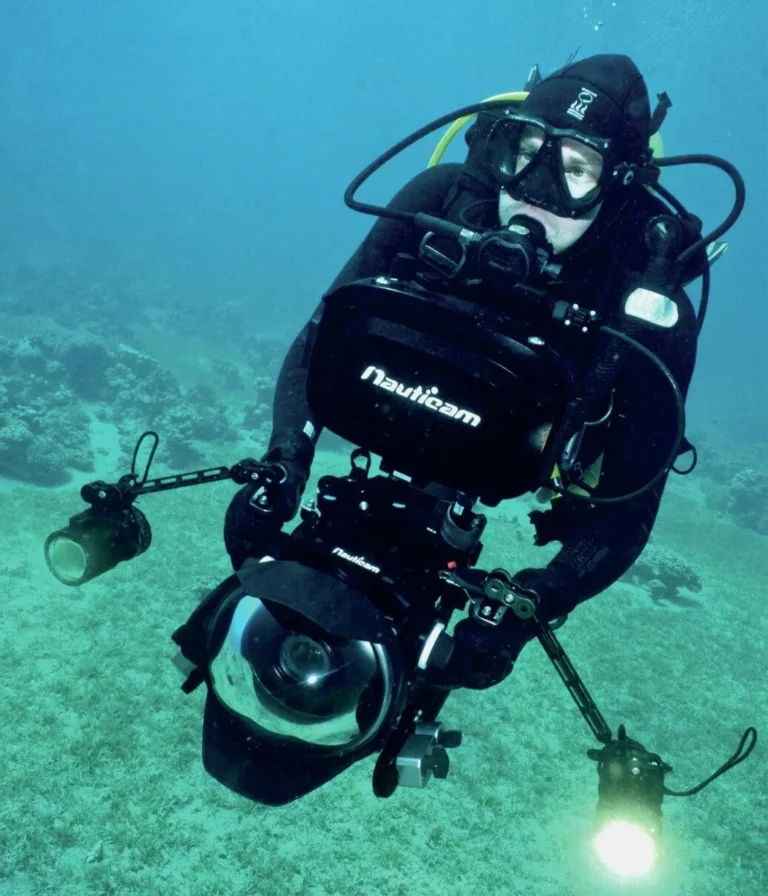
It is probably THE question I get asked above all others. And it’s the one that it’s trickiest to answer. Well, that’s not strictly true -it’s a doddle to answer, but only if you’re aware that by doing so you’ll crush hope and ambition in the process. The question is ‘How do I get into, and make a living out of, writing and filming in the marine media?’ The short answer (see above) is ‘Don’t’.
Why Getting Into Marine Media Is So Hard
The reason for this vigorous stamping out of the embers of dreams is that it’s absurdly competitive, ridiculously underpaid, notoriously unpredictable, and there’s a genuine risk you’ll end up hating the thing you currently love. The smart money is a solid career, with progression, a pension, decent benefits, and ultimately the chance to one day go on any aspirational dive holiday you fancy. That’s the sensible route. But then again, folks of my age have been saying it to folks of the next generation for absolutely ever, and happily, this advice frequently gets a damn good ignoring. I am a case in point, having resolutely blocked out the tinnitus of good career advice with the headphones of ludicrous plans for dive expeditions.
What “Marine Media” Actually Means Today
So, here’s how to get into the media. Oh, and by the way, that’s a question in itself. Just what is ‘the media’ nowadays? This used to be the simplest part of the entire equation – it was TV, and print. Either you were in it, or you weren’t. Now pretty much everyone is a producer, it’s never been easier to create content, which is all well and good but does mean that the market is absolutely flooded. Much of the time that flood consists of utter effluent too, so cutting through with good material is trickier than ever. Here we go then. In this current version of ‘media’, these are my top tips.
Everyone Is a Producer Now
First off, you are indeed a producer. The ability to create good content is at your fingertips, is eminently portable, accessible, and what with AI editing systems emerging at breakneck speed you can create stunning end material. So get out there and do it. Yes, much of it will be desperately poor, and initially no-one will watch it. But the road to creating stunning content has never been easier to navigate. So set out and do it.
Make Yourself Impossible to Ignore
Secondly – and perhaps most significantly – make yourself indispensable. What I mean by this is that there are thousands, literally thousands, of well-qualified, talented, driven young people out there trying to break into this space. They might have marine biology degrees, have a showreel of incredible footage, and glowing testimonials from all and sundry. But they are routinely and relentlessly ignored. If you happen to have an expedition medic qualification though, have a commercial boat driving qualification, have experience using marine radios, a health and safety assessment qualification, or specialise in a particular part of the world, then you become a lot more difficult to ignore. Accumulate these extra skills like a voracious hoarder, and eventually you become a simply priceless asset to any production or expedition.

The Only Rule That Really Matters
And thirdly, the most important rule of all. Well, it’s actually a triumvirate of rules in one, three guiding principles if you will. They are:
1) Persist.
2) Persist. And finally,
3) Persist.
There will be a million reasons to give up, countless crappy jobs that break your heart and sap your will, and a cacophony of well-meaning folks in your life telling you to pack it all in. The people I’ve been lucky enough to work with in the diving media and film production have one thing in common. It is an unbelievable ability to graft, to work relentlessly on achieving the aim. It’s a decent principle to apply to the journey as well.
And finally, ignore old geezers telling you how absurdly hard it all is. Someone out there reading this is a future doyenne of wildlife filmmaking, a giant of the genre, a head of the BBC Natural History Unit. It might as well be you.
Frequently Asked Questions
Is it realistic to make a living in marine media?
Yes, but it is extremely competitive, poorly paid in the early years, and unpredictable. Persistence and additional skills are essential.
Do I need formal qualifications to work in marine media?
Not always, but qualifications in marine biology, filmmaking, safety, or specialist skills significantly improve your chances.
What skills help you stand out in marine media careers?
Expedition skills, boat handling, marine radio use, first aid, safety qualifications, and regional expertise make candidates far more employable.
Is social media enough to break into marine media today?
Social media helps showcase work, but professional opportunities still rely on reliability, specialist skills, and strong networks.
What is the most important trait for success in marine media?
Persistence. Long-term success depends on relentless effort, resilience, and the willingness to keep going despite setbacks.
This article was originally published in Scuba Diver Magazine
Subscribe today with promo code DIVE1 — enjoy 12 months for just £1!
