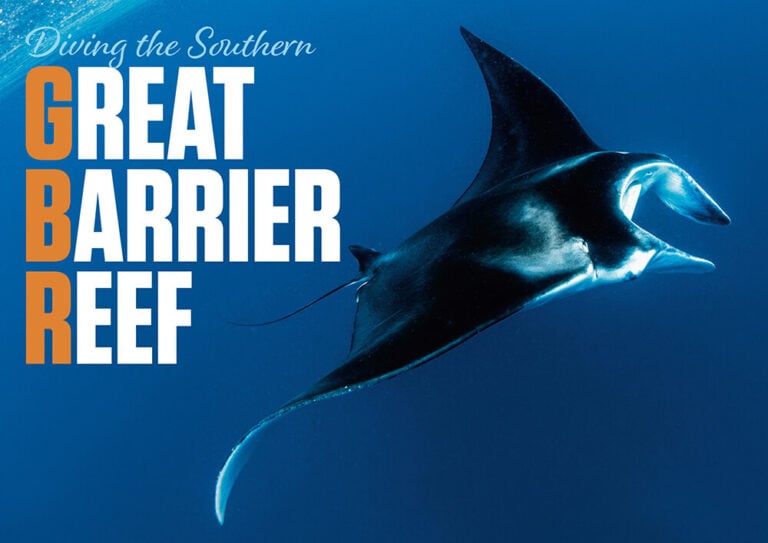
Australia’s Southern Great Barrier Reef (SGBR), stretching from the Keppel Islands off Yeppoon down through Heron and Lady Musgrave to Lady Elliot Island, delivers classic coral-reef diving with easy access, warm water, and year-round marine life, as Deborah Dickson-Smith finds out
Fringing reefs mean short boat rides and plenty of protected sites, while offshore coral cays offer that ‘middle-of-the-reef’ feeling with gin-clear water and big animal encounters.
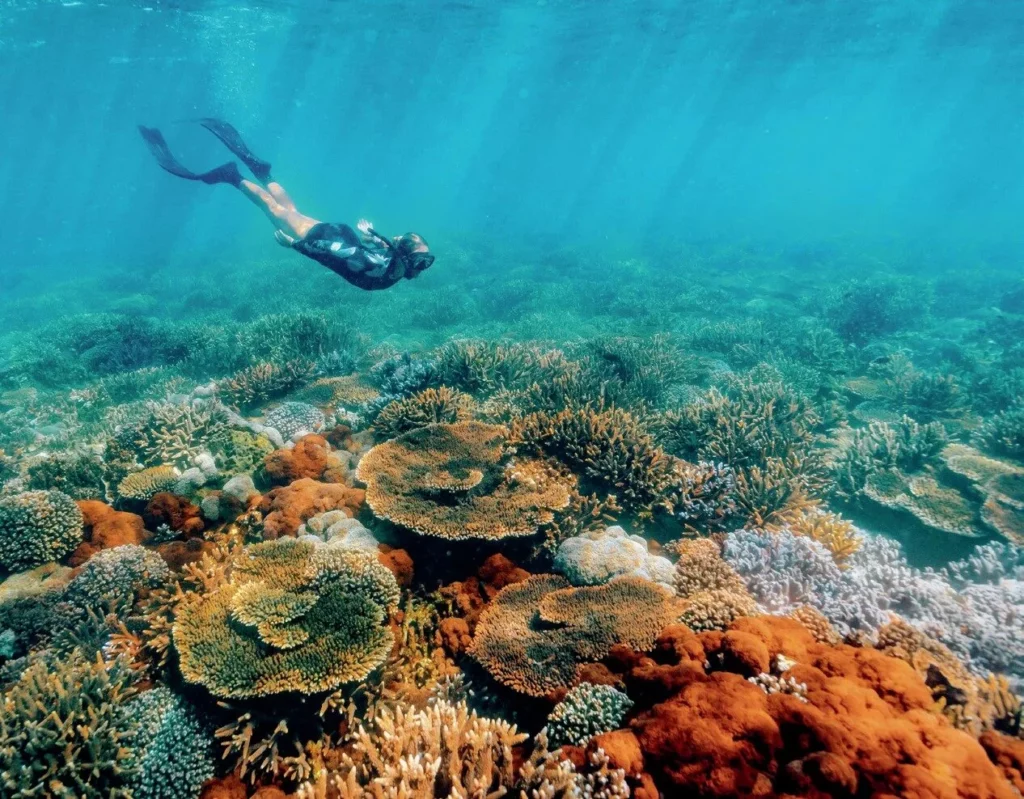
The Keppel Islands: Fringing Reefs and Family-Friendly Diving
Vibe: Dozens of coral-fringed islands and islets set close to the mainland; short boat rides, great for mixed-experience groups, snorkelers and families.
What divers can expect
Shallow fringing reefs in clear sandy lagoons; intricate hardcoral gardens (staghorn, plate, brain coral) with scattered bommies and softcoral patches. Expect green, hawksbill and loggerhead turtles, blue-spotted rays, octopus, cuttlefish, anemonefish, and macro critters like flatworms and nudibranchs. Schools of fusiliers, yellowtail scad and juvenile sweetlips spill over bommie tops; dusk dives bring out feather stars and hunting trevally.
Did you know?
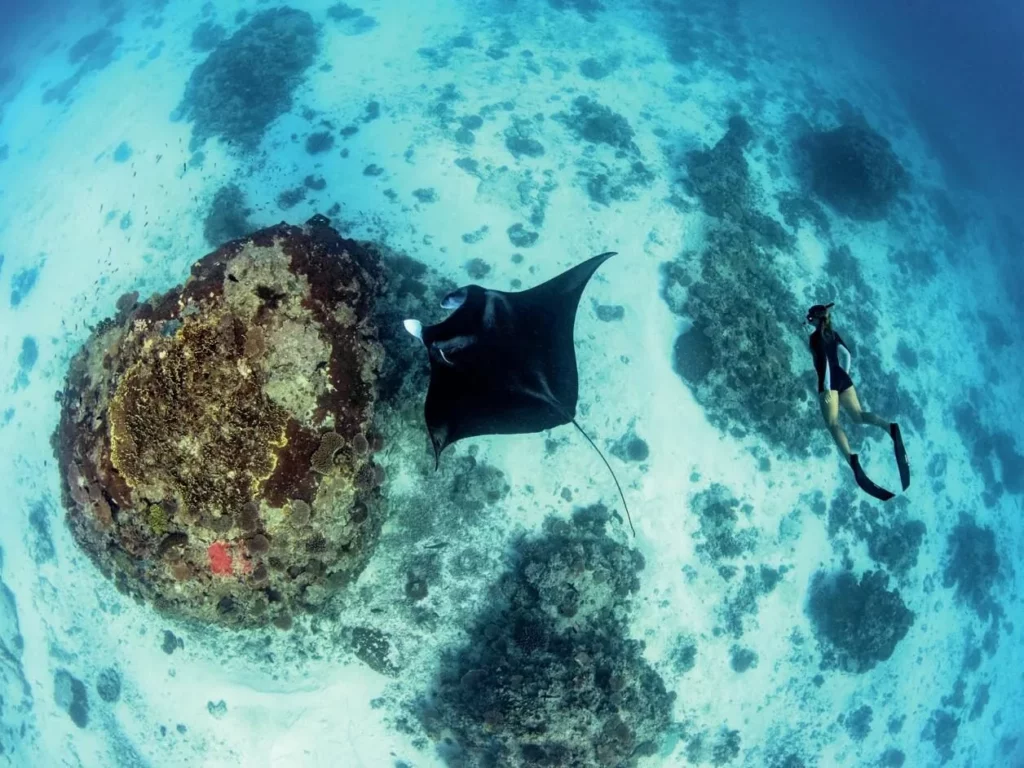
Manta rays are large, harmless filter feeders with the biggest brain-to-body ratio of any fish. They must continuously swim to breathe and can recognize themselves in a mirror, demonstrating a high level of intelligence. Female manta rays give live birth to a single ‘pup’ approximately every two years.
Signature dive sites
• Man & Wife – Twin bommies festooned with hard corals; schooling fusiliers and batfish, with occasional bronze whalers cruising the drop.
• Humpy Island (multiple moorings) – Sheltered coral gardens; turtles, blue-spotted rays and sand channels.
• Outer Rocks – More current, more fish, sea fans and soft corals; look for pelagic passes of mackerel and trevally.
• Halfway & Big Peninsula (Great Keppel Island) – Easy drifts over coral terraces; frequent turtle encounters and cuttlefish in season.
Likely marine encounters
• Turtles: year-round (especially on sandy channels and bommie bases)
• Eagle rays and shovelnose rays on sandy flats
• Humpback whales pass by offshore (June–September); you’ll often hear singing underwater
• Macro: anemone shrimp, cowries, flatworms and nudibranchs on bommie flanks
Heron Island: The Ultimate Coral Cay Experience
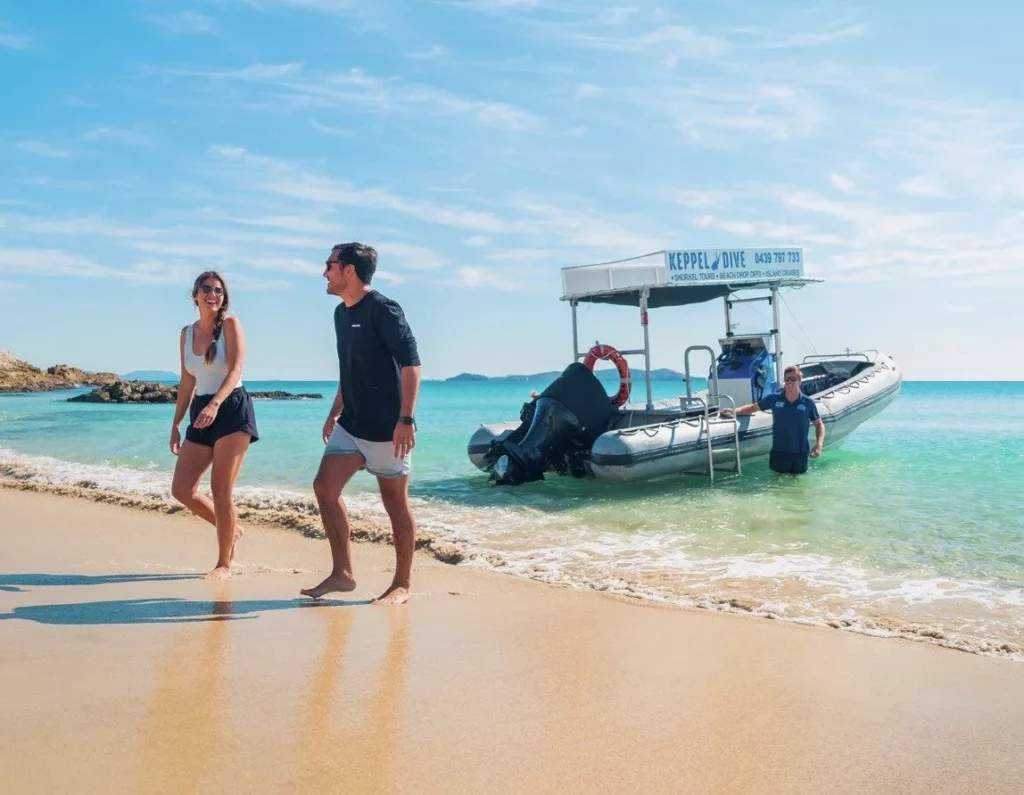
Vibe: True coral cay sitting right on the reef rim. Roll out of bed and onto the dive boat; many sites are 10-15 minutes away. Superb for turtles, rays and classic bommie dives.
What divers can expect
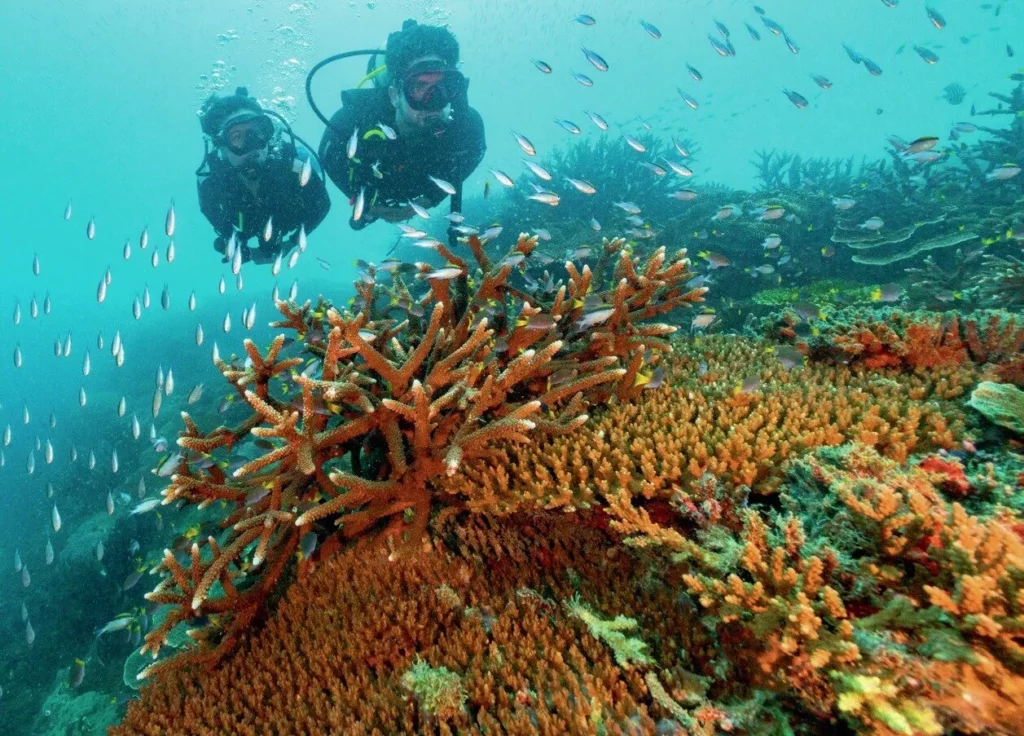
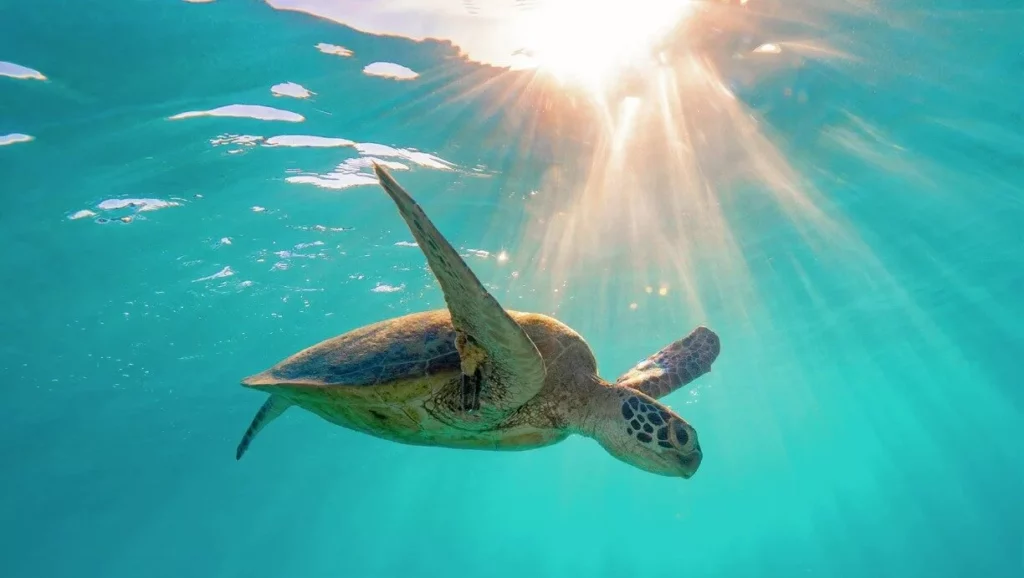
Heron’s shallow platform reefs step off into sandy gutters and spur-and-groove systems punctuated by iconic bommies. Crystal clear water, abundant fish life and resident green and loggerhead turtles define the experience. Reef tops host clouds of chromis and anthias; gutters shelter wobbegongs, whiptailed stingrays and garden eels. Look for epaulette sharks in the shallows at sunset, and night dives reveal Spanish dancers, basket stars, and hunting reef octopus.
Signature dive sites
• Heron Bommie – The classic. Stacked with life: schooling sweetlips and barracuda, with cleaning stations attracting turtles and rays.
• Harry’s Bommie – Photogenic coral heads with soft coral highlights; look for leaf scorpionfish and ribbon eels.
• North Bommie – Turtle and ray hotspot; big groper and schools of batfish.
• Coral Gardens – Gentle site for long, shallow dives among plate coral fields and sand channels; great for macro hunting.
• The Jetty – not a dive site, but worth a snorkel in the early morning to see dozens of sting rays, guitar sharks and the occasional lemon shark.

Likely marine encounters
• Green and loggerhead turtles (nesting Nov-Mar; hatchlings often Jan–Apr on land)
• Lemon sharks and whitetip reef sharks on the outer edges
• Manta rays appear occasionally
• Humpback whales nearby June-September (songs common; surface sightings on crossings)
Bundaberg & Lady Musgrave: Shore Dives and the HMAS Tobruk Wreck
Vibe: A twoforone destination: coastal shore/boat dives inside the Woongarra Marine Park plus daytrips to the picture-perfect coral cay of Lady Musgrave Island; and the exHMAS Tobruk artificial reef between Bundaberg and Hervey Bay.
What divers can expect
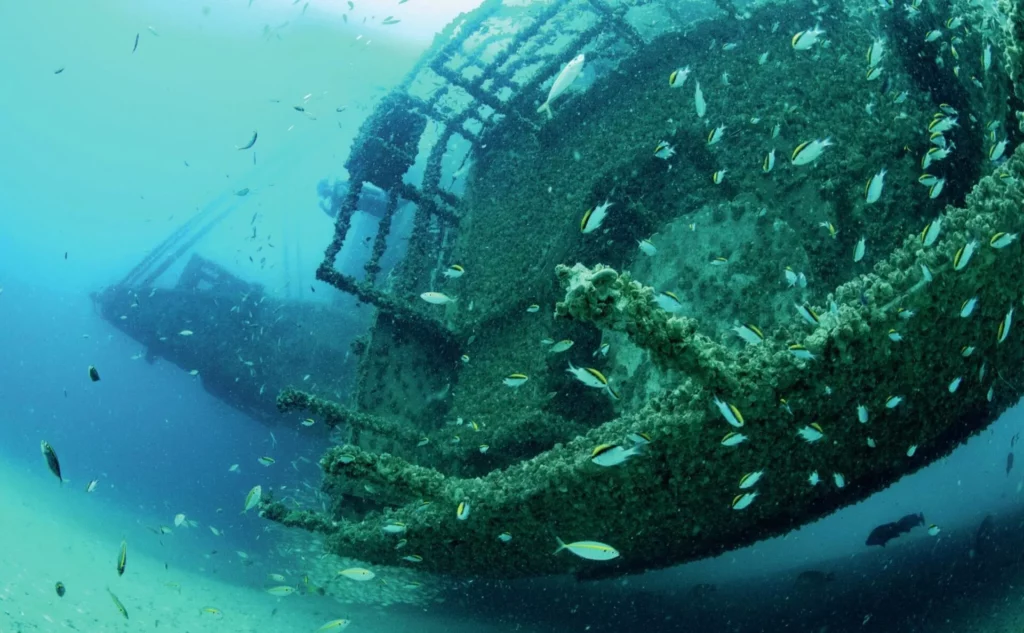
Nearshore reefs deliver easy access and prolific fish life over rocky ledges clad in soft corals and sponges. Offshore, Lady Musgrave’s lagoon offers ultrasheltered coral gardens and turtle highways; the outer wall brings bigger schools and blue water. The Tobruk wreck adds a larger structure dive with swimthroughs, resident turtles, rays and schooling fish.
Signature dive sites
• Barolin Rocks (shore dive) – The local favorite: bommies, swimthroughs and soft coral gardens; turtles, cuttlefish and occasional leopard sharks in summer.
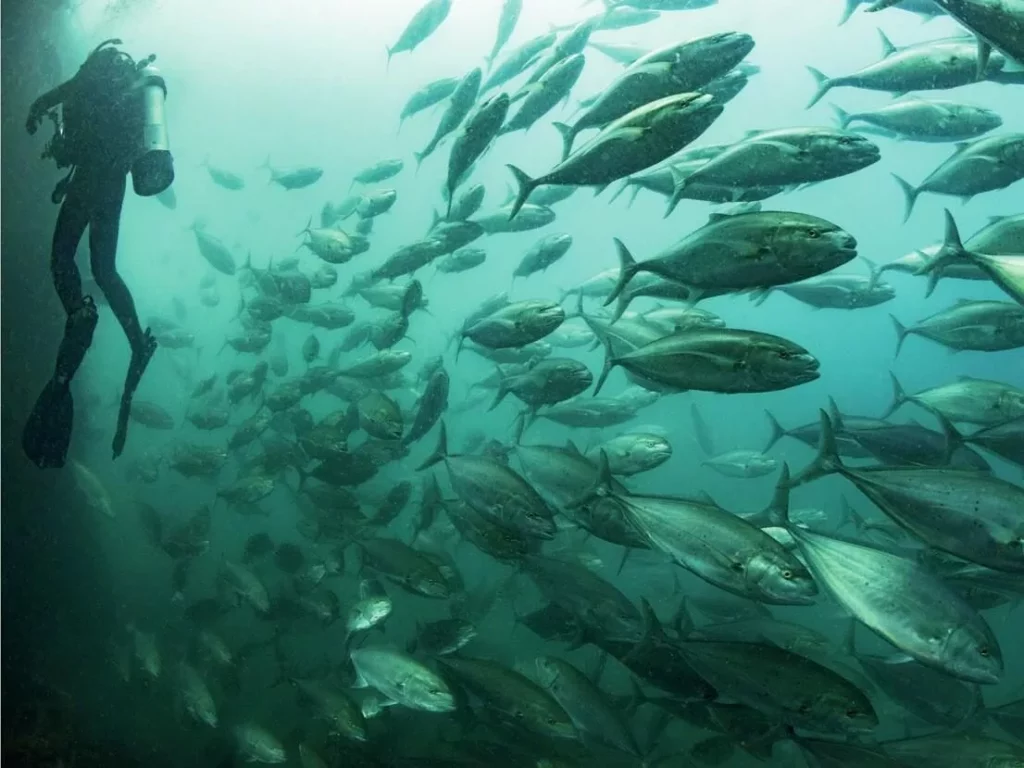
• Hoffman’s Rocks – Ledges with sea fans and schooling drummer, sweetlips and snapper; keep an eye out for pelagics on the edges.
• Lady Musgrave – Lagoon Gardens – Long, shallow macro-friendly dives with turtles, anemonefish and giant clams.
• Lady Musgrave – Outer Wall – More current and more fish: barracuda, trevally and grey reef sharks; in winter the soundtrack is whalesong.
• ex-HMAS Tobruk – 416-feet-long Navy heavylift ship scuttled as an artificial reef. Expect batfish, trevally, snapper, lionfish and large cod, and several penetration opportunities for experienced divers.


Likely marine encounters
• Turtles galore at Musgrave and around Barolin’s bommies
• Eagle rays, manta flybys in blue water, and leopard (zebra) sharks in the warmer months
• Seasonal whales (June–September); songs audible on outer reefs
• Macro: nudibranchs, flatworms, leaf scorpionfish and frogfish on coastal ledges
Sample two-week SGBR dive itinerary
• Days 1-2 – Keppel Islands: Twotank trips to Man & Wife and Humpy Island; sunset on Great Keppel’s beaches.
• Days 3-7 – Heron Island: Heron Bommie and Harry’s Bommie; optional night dive for Spanish dancers and hunting octopus.
• Days 8-10 – Bundaberg Coast and Musgrave: Shore dive at Barolin Rocks; day trip to Lady Musgrave Outer Wall.
• Days 11-14 – Lady Elliot Island: Lighthouse Bommie for manta action; Spiders Ledge and a sunrise turtle snorkel.
Lady Elliot Island: The Manta Ray Capital of Australia
Vibe: The ‘manta capital’ of the SGBR. A small ecoresort on a coral cay ringed by dive sites just minutes from the beach. Consistently clear water, easy logistics and big animal action.
What divers can expect
A necklace of bommies, ledges and cleaning stations encircles the island. Currents feed plankton that attracts resident manta rays, while sandy patches and coral heads host turtles and reef sharks. Visibility is often excellent and many sites are suitable for all levels, with optional current for drifts.
Signature dive sites
• Lighthouse Bommie – Famous manta cleaning station; also attracts schooling trevally and barracuda, with turtles queuing for a scrub.
• Coral Gardens / Second Reef – Extensive hardcoral gardens with sea cucumbers, giant clams, and clouds of chromis; perfect for long profiles and wide-angle.
• Spiders Ledge – Stepdowns and gutters holding whitetips, big groper and eagle rays; look for leaf scorpionfish on the ledges.
• The Blow Hole (conditions/experience dependent) – Cavern and swimthrough with lobster and glassfish.
Likely marine encounters
• Manta rays peak winter to spring (often May–August, with sightings beyond)
• Green and hawksbill turtles year-round; nesting November–March, hatchlings January–April
• Whitetip and blacktip reef sharks, lemon sharks, and eagle rays
• Occasional leopard sharks in warmer months; humpbacks June–September (surface and song) and occasionally encountered while diving or snorkeling

SGBR Travel Guide: Logistics, Seasons, and Wildlife Timing
Getting there
Keppel Islands: Access via Yeppoon (ferries and dive boats). Heron Island: Boat or seaplane transfers from Gladstone. Bundaberg: Fly or drive to Bundaberg for local shore/ boat dives and day trips to Lady Musgrave. Lady Elliot Island: Small aircraft flights from Bundaberg, Hervey Bay, Brisbane or the Gold Coast (luggage limits apply).
Experience level: All destinations cater to Open Water divers with plenty of easy sites; more advanced options (outer walls, wrecks, drift sites) are available.
Best time for specific wildlife
• Mantas: winter–spring
• Turtles nesting: November–March
• Humpback whales: June–September
A Final word
For accessible coral reef diving with a real chance of turtles on every dive and mantas in season, the Southern Great Barrier Reef is hard to beat. Short boat rides, protected lagoons and a spread of signature sites make it ideal for both first-timers and seasoned photographers – and it’s all closer than you might think.
Find out more!
If you’re keen to find out more about the Southern Great Barrier Reef, come and chat to the experts at DEMA! The Diveplanit Travel team, joined by Master Reef Guides from the Southern Great Barrier Reef, will be at Booth #639 adjacent to the South Pacific Pavillion. Diveplanit.com enquire@diveplanit.com +61 7 4039 0200
Quick facts
• Season: Year-round. Best visibility typically May– November; warmest water December–April.
• Water temperature: 68-73°F (May–October); 75-80°F (November–April). 3–5mm suits are standard; add a hooded vest in winter.
• Visibility: Usually 32 feet to 80feet, pushing past 100 feet at offshore cays in calm conditions.
• Conditions: Mostly gentle; many sites are sheltered fringing reefs ideal for newer divers, with current on outer walls for fun drift dives.
• Signature wildlife: Turtles, manta rays, schooling trevally, sweetlips, reef sharks, eagle rays, groper, garden eels, nudibranchs, and hard coral gardens with bommies and swim-throughs.
Frequently Asked Questions
Where exactly is the Southern Great Barrier Reef?
The Southern Great Barrier Reef (SGBR) begins at the Keppel Islands off the coast of Yeppoon and extends south through the Capricorn Bunker Group (Heron Island) to Lady Musgrave and Lady Elliot Island.
When is the best time to see Manta Rays in the Southern Great Barrier Reef?
While they can be seen year-round, Manta Ray sightings peak during the winter and spring months, specifically from May to August, particularly at Lady Elliot Island.
Can beginners dive the Southern Great Barrier Reef?
Yes! The SGBR is excellent for beginners and families. Many sites are shallow fringing reefs or protected lagoons with minimal current, offering easy access for Open Water divers and snorkelers.
What is the Ex-HMAS Tobruk?
The Ex-HMAS Tobruk is a 416-foot-long former Navy heavy-lift ship that was scuttled as an artificial reef between Bundaberg and Hervey Bay. it offers incredible swim-throughs and is home to turtles and large cod.
When is humpback whale season in the Southern Great Barrier Reef?
Humpback whales migrate through the SGBR from June to September. During this time, divers can often hear whale song underwater and spot them from the boat during reef crossings.
This article was originally published in Scuba Diver Magazine
Subscribe today with promo code DIVE1 — enjoy 12 months for just £1!
