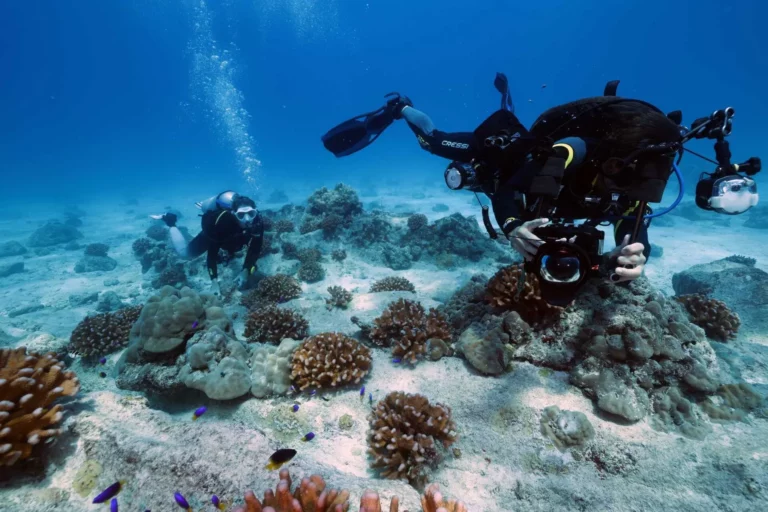
The first successful coral-spawning event has taken place at a new land-based laboratory on Praslin Island in the Seychelles.
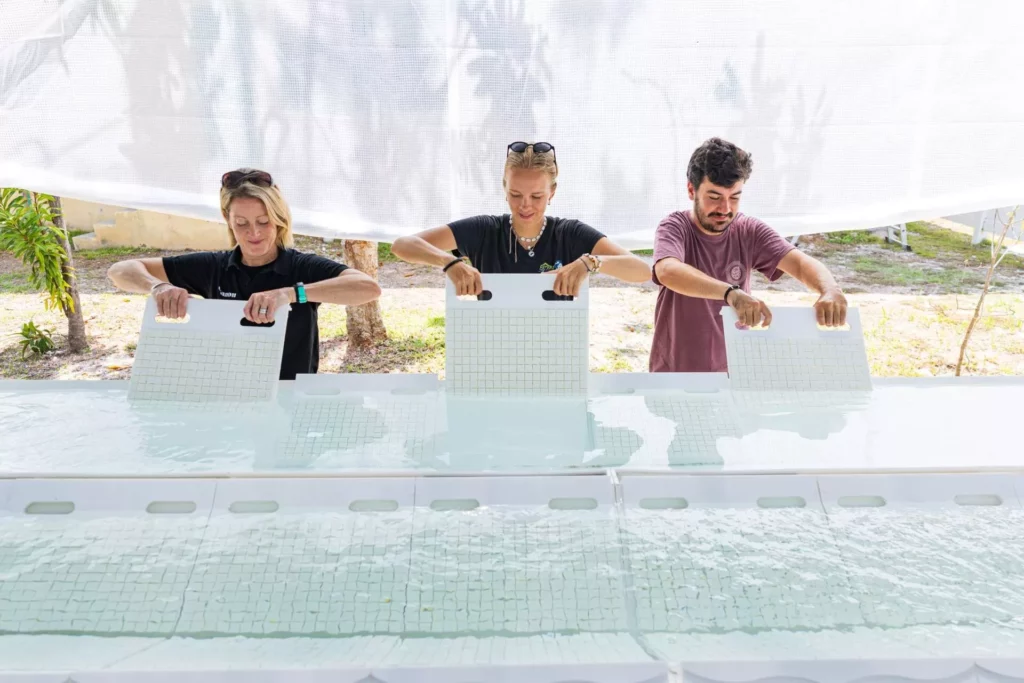
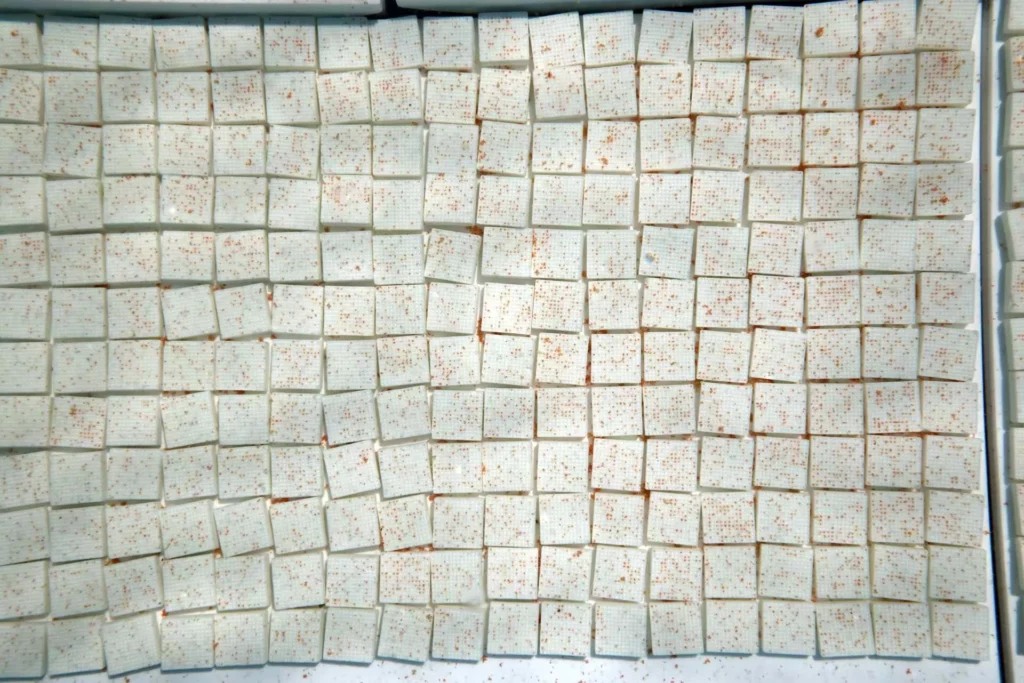
The Coral Spawning Lab, set up in partnership with Canon EMEA and Nature Seychelles, managed to produce 800,000 embryos through controlled sexual reproduction and then settle 65,000 new corals.
Operational since November as part of Nature Seychelles’ Assisted Recovery of Corals (ARC) facility, the lab is claimed to be the first land-based coral-spawning facility in Africa and the Western Indian Ocean. The new corals will, it says, build the reefs’ thermal resilience in the face of climate change and help to promote genetic diversity.
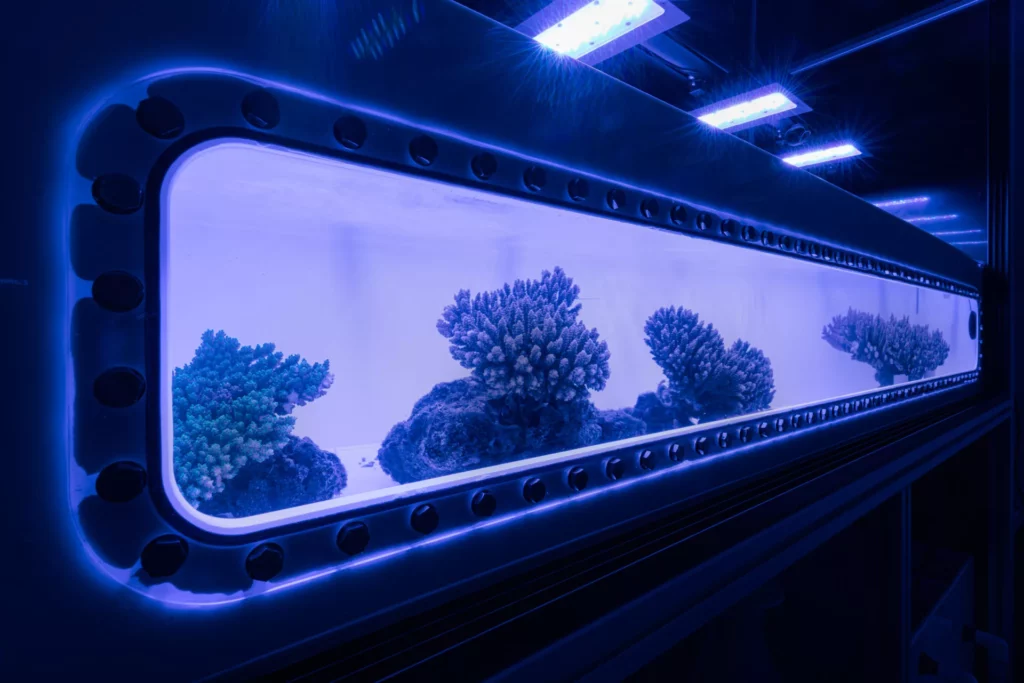
The embryos came from 14 colonies of the Acropora tenuis cf. macrostoma species and the achievement is said to be an advance on traditional “coral-gardening” techniques that normally result in genetically identical corals.
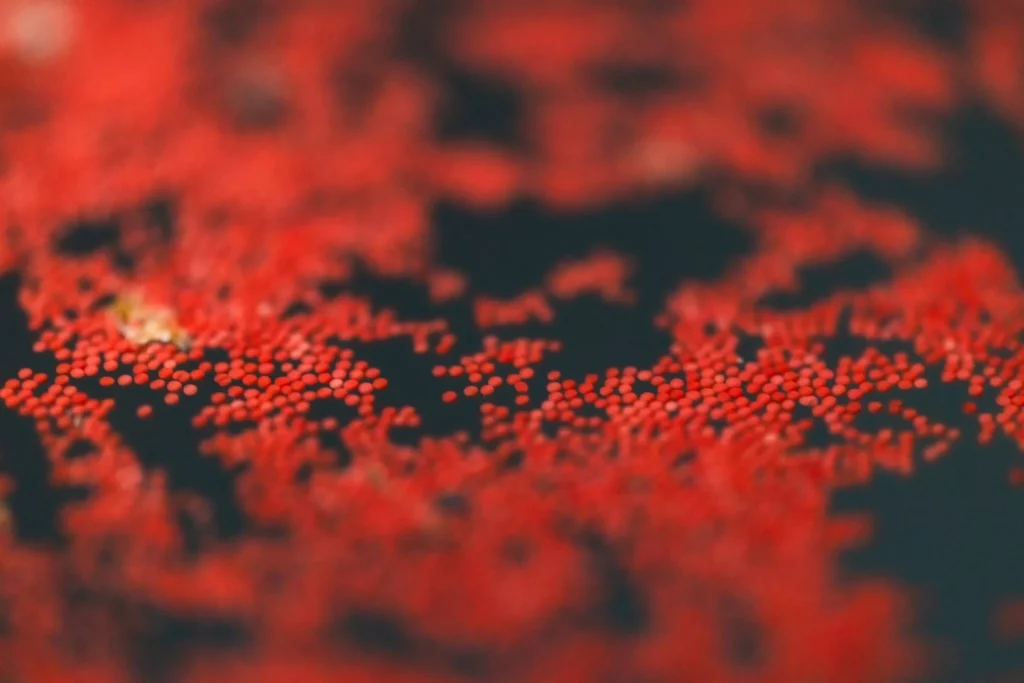
Canon‘s funding and its advanced imaging equipment has enabled the lab to undertake ‘unprecedented’ observation and documentation of natural spawning events, according to the facility, providing researchers with data on reproductive timing and critical early growth and survival.
“Canon imaging technology has been pivotal, allowing us to observe critical reproductive processes with a clarity we could only dream of before,” said marine scientist Dr Jamie Craggs, co-founder of Coral Spawning International.
“Witnessing our first successful spawning event at the lab has been incredibly rewarding,” says Nature Seychelles CEO Dr Nirmal Shah. “This lab, a key addition to our ARC facility thanks to Canon’s vital support and technology, has changed what is possible for coral-restoration in the Seychelles.
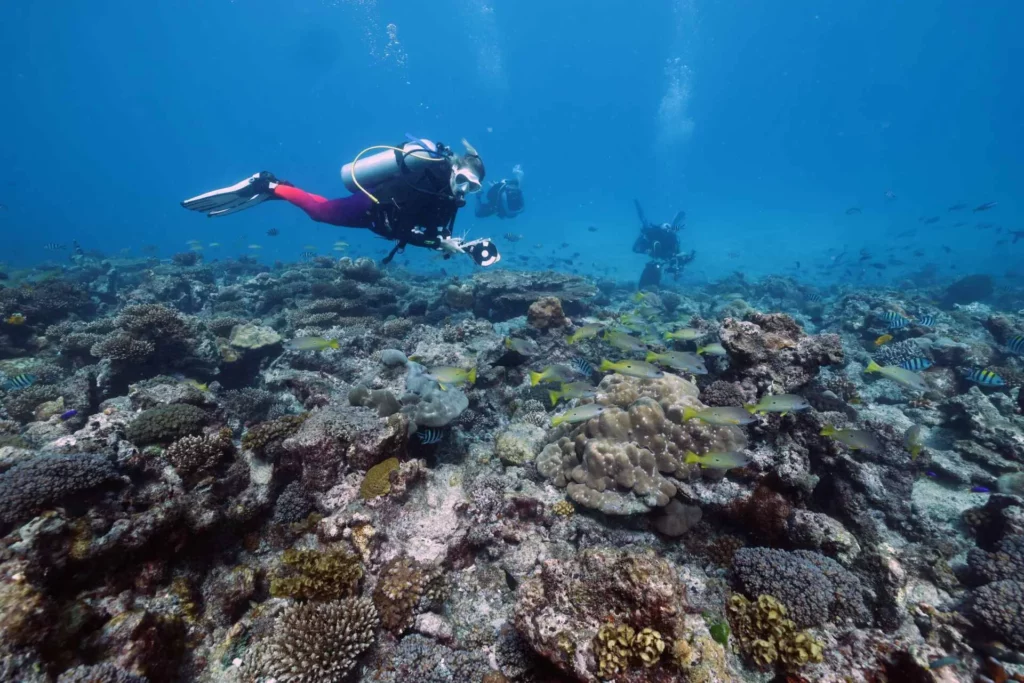
“Since November 2025, we have seen coral offspring not only survive but settle, grow and cross the most fragile thresholds of early life, turning a moment of spawning into a pipeline of living, growing reef-builders.”
Dr Craggs said that the focus in 2026 would be on reaching key milestones, including beginning to outplant on the reef genetically diverse juvenile corals grown in the lab and tracking their survival, as well as expanding local expertise through technical training.
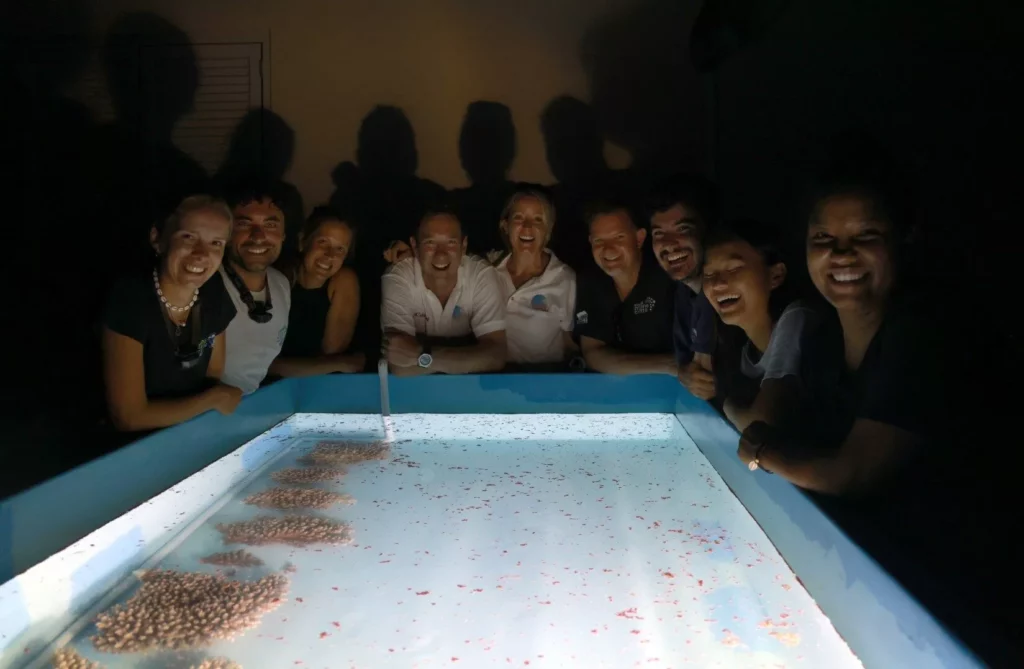
“The outcomes of this first spawning have been incredibly positive, and we will continue pushing the boundaries of coral reproductive science to new heights while equipping more communities with these vital tools,” he said.
Divernet looked at examples of the close-up coral imagery available to the Coral Spawning Lab using Canon equipment last June.