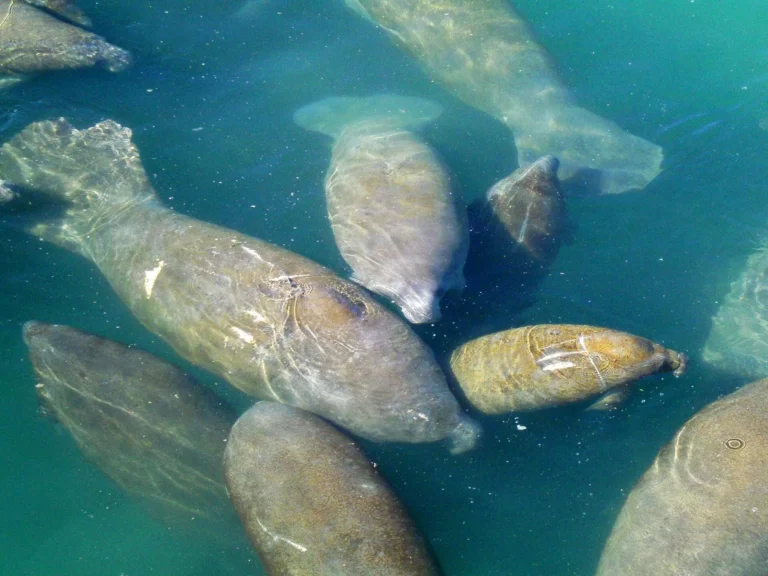
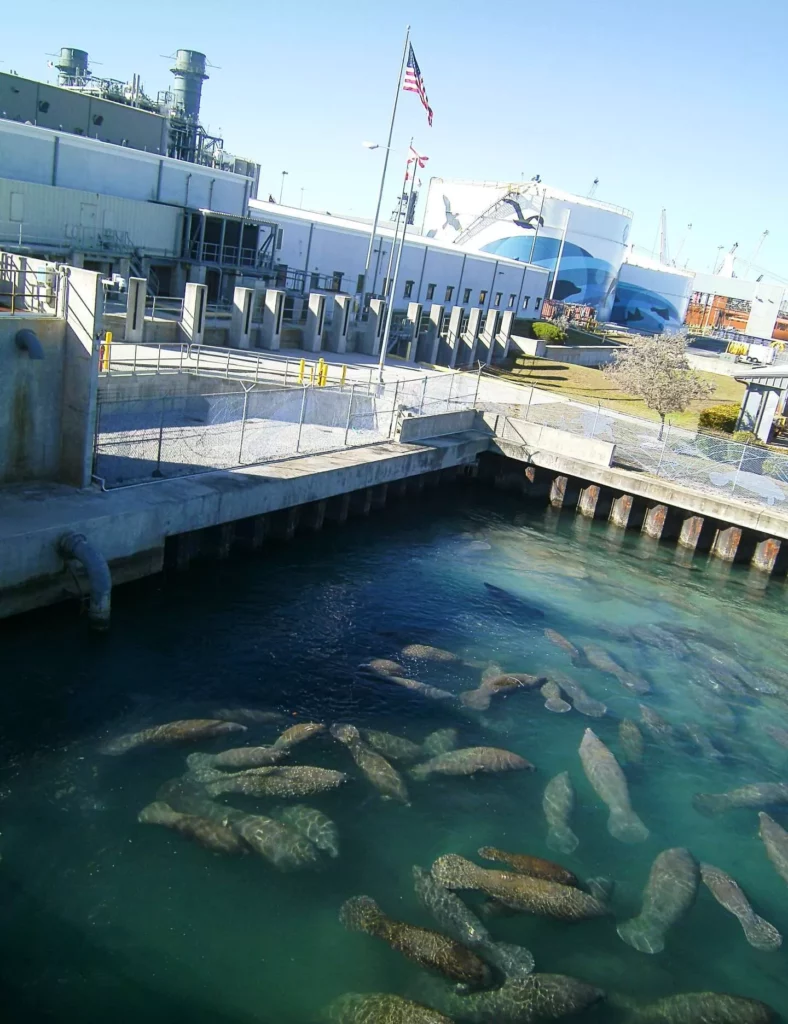
They were packed into the small Florida lagoon like sardines in a can. Tranquil and accommodating each other, the manatees were content in the 28°C hotwater discharge from the power plant – diver and marine biologist JOHN CHRISTOPHER FINE reports
The manatees didn’t fight, didn’t squabble, didn’t push or shove. They interacted with grace and friendship while hundreds of human spectators along the rails squabbled for viewing space at Florida Power & Light’s Riviera Beach natural-gas energy-generating station.
Aerial surveys of Florida provide estimates of manatee populations ranging from 8,350 to 11,730. This is a range based on 2021-2022 surveys and, while these numbers are low, they are far more encouraging than the 1970 account, when only 1,000 were thought to be left alive in the wild.
Of the 2022 population surveys it is estimated that the east coast of Florida is home to 5,160 manatees and the west to 4,630 – totalling 9,790. The maths isn’t absolute, because these aerial surveys take no account of those manatees unobserved while diving.
Recorded fatalities resulting from infant mortality, boat accidents and other causes amounted to 628 in 2025 and 556 in 2024. In 2021 there were 1,100 recorded manatee deaths. Unobserved deaths can of course raise these figures significantly.
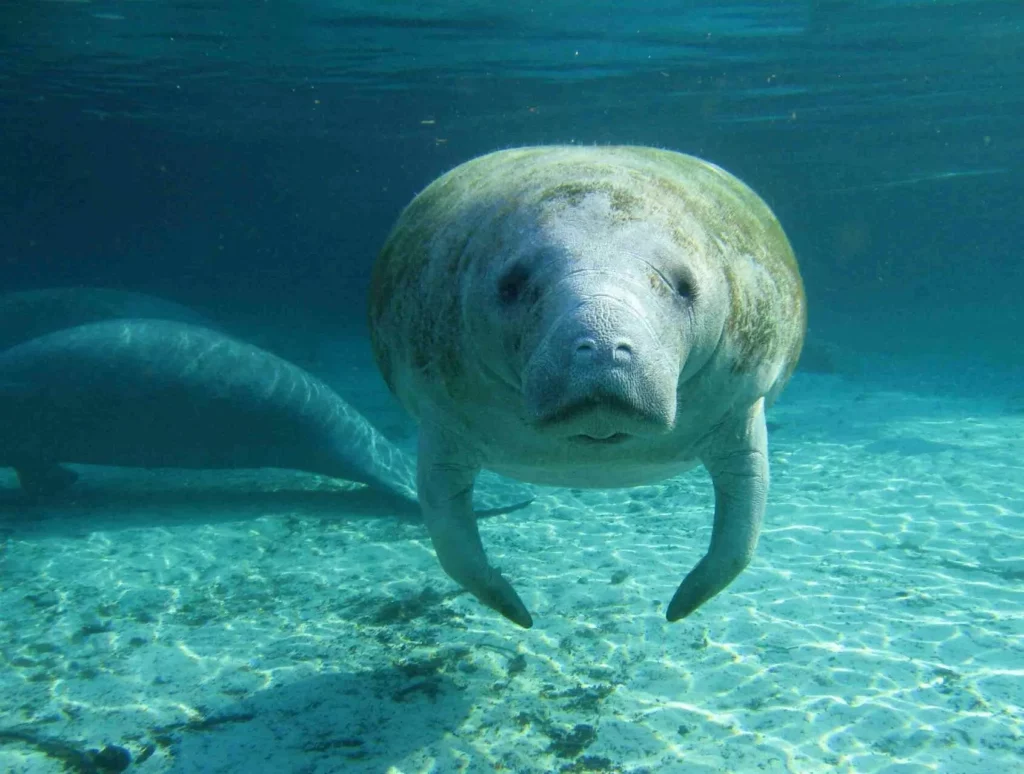
Manatees’ gestation period is about 13 months, and usually only one calf is born to a mother every two to five years. Babies remain for long periods with their mothers. While manatees have made an amazing comeback thanks to vigilance and the laws that protect them, it is clear that the species is endangered.
Manatees die in cold water. Natural migration patterns bring them south in winter and north in summer as they graze. Over time they have learnt that power plants discharge the warm water used to cool generating equipment.
When water temperatures reach below 20°C, manatees must seek warm shelter by moving south to find natural hotwater springs or power plants that discharge warm water. If they are chilled over prolonged periods, they will die.
Need for seagrass
Manatees consume up to 10-15% of their body weight each day. As herbivores they need to eat massive amounts of seagrass. When a manatee reaches a body length of 3.5-4m it can weigh 1,600kg. That equates to consumption of 160kg of seagrasses daily. Imagine that in terms of lawn-clippings.
Manatee favourites are turtle grass (Thalassia testudinum); what is called shoal grass (Halodule) and the grass named for them: Syringodium or manatee grass. Other food in fresh and salt water includes algae, hydrilla, eelgrass and even mangrove leaves.
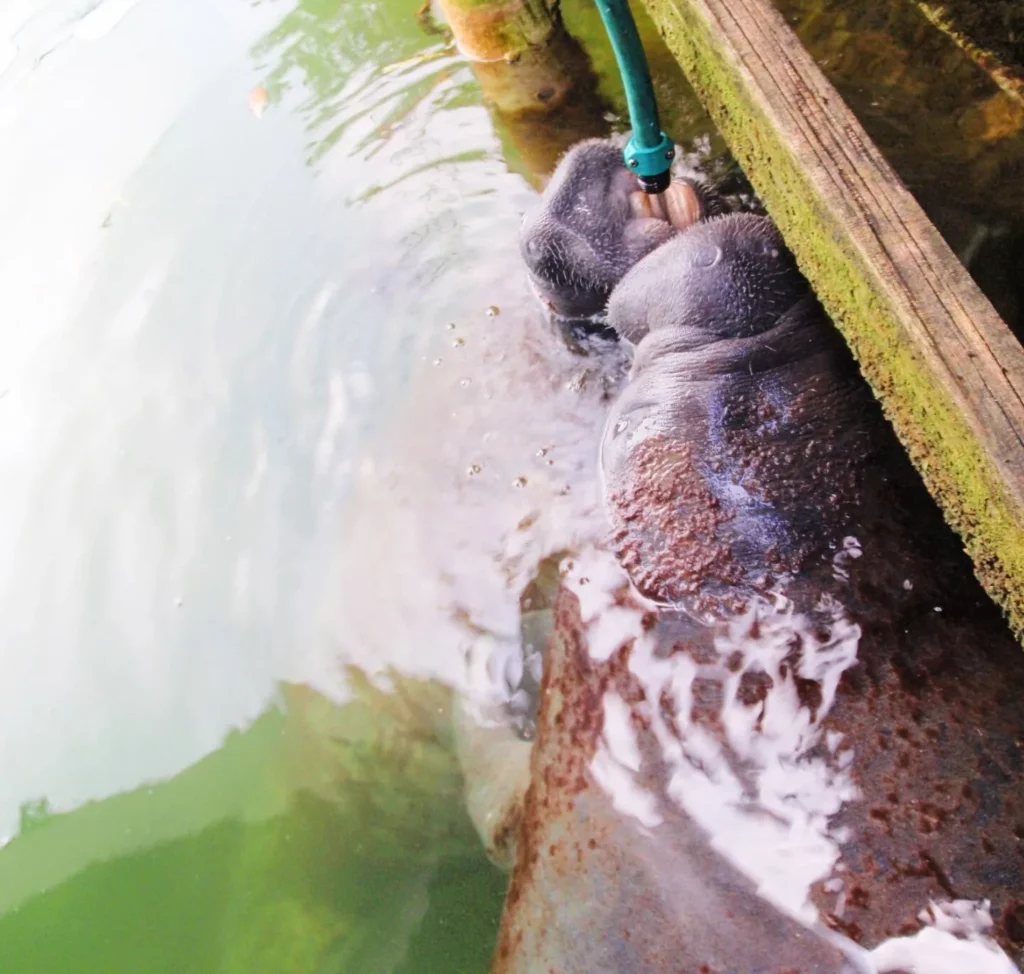
In captivity and rescue situations manatees are fed iceberg lettuce, supplemented with monkey chow – pellets used by zoos to provide nutrition for primates.
Seagrasses in Florida are menaced by pollution. Dredging in the Intracoastal Waterway, inlets and beach renourishment programmes have silted over and destroyed vast seagrass beds, dramatically decreasing the food available to manatees.
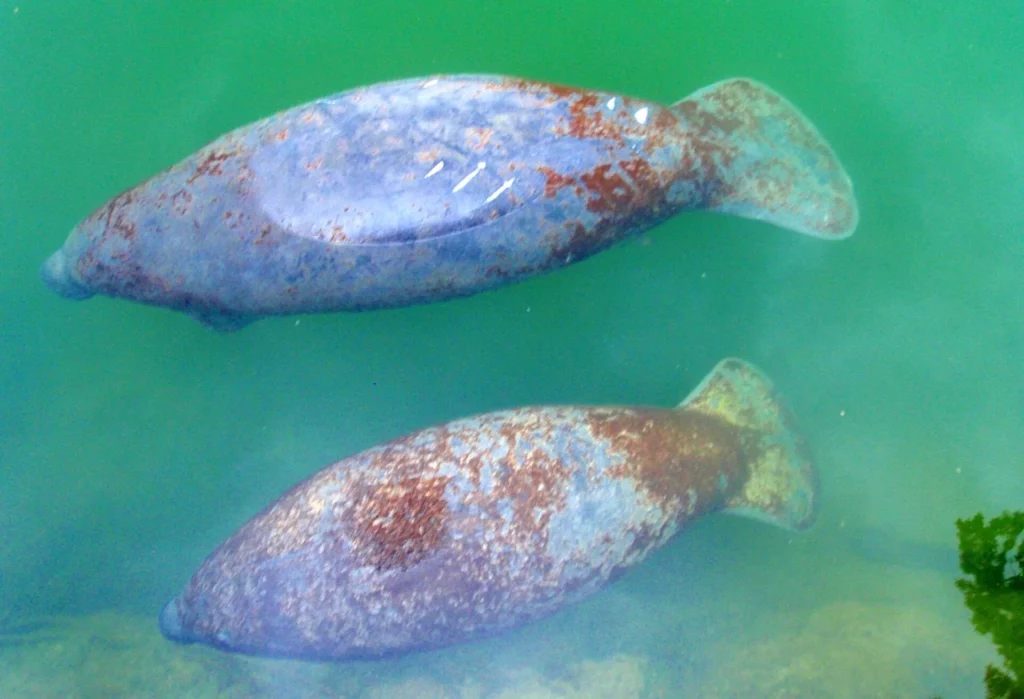
Though manatees congregate at warmwater discharges, they must leave the sheltered lagoons to forage for food every day. Signs posted by Florida’s Fish & Wildlife Conservation Commission (FWC) order boaters to reduce speed during manatee season, but many manatees observed in the lagoon bore the scars of encounters with propellers.

Human activities and rampant population growth in Florida have upset the natural balance and put increased pressure on marine resources.
If manatees in the wild are to survive, careful husbandry of their food sources must be made and care taken to prevent needless death and injury from watercraft. “Slow down, save a life” is a good slogan on the highway and in the water.