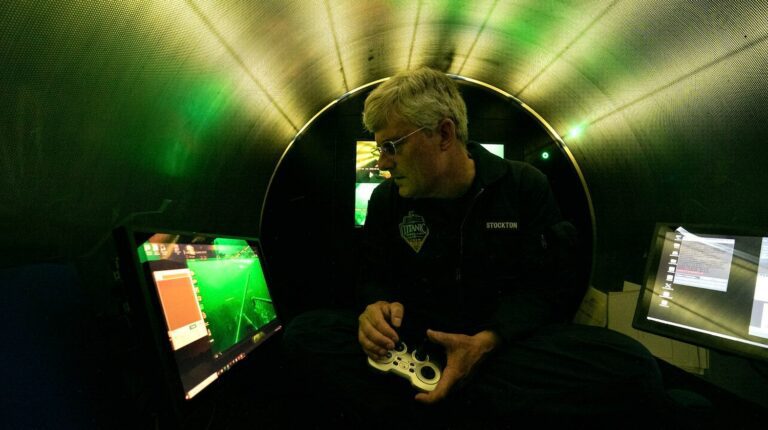
The catastrophic loss of the Titan submersible and its five occupants while diving to the 3.8km-deep Titanic wreck-site in June 2023 was preventable, the US Coast Guard Marine Board of Investigation (MBI) Tuesday has stated, in a hard-hitting report into the background to the fatal incident.
The events were described in some detail in Divernet reports at the time and in the aftermath of the incident. The “initiating event” was a loss of structural integrity that caused the catastrophic implosion of Titan’s hull, the probable failure point being the adhesive joint between its titanium front dome and the titanium segment or carbon-fibre hull.
Flaws in the design and construction of the submersible had weakened its structural integrity, likely worsening over time. The primary contributing factors leading to the implosion were, according to the MBI report, the operator OceanGate’s inadequate design, certification, maintenance and inspection process for Titan.

Among many other details, the 327-page report refers to the scale of deception involved in selling Titanic expeditions to “mission specialists”, a term for paying passengers designed to circumvent regulations, on a submersible that had undergone only 11 test dives and had not exceeded scuba-diving depths before it started taking those passengers down to the Titanic.
Inflated numbers
The report reveals “a disturbing pattern of misrepresentation and reckless disregard for safety in OceanGate’s operation of the Titan submersible,” with OceanGate’s CEO Stockton Rush, who as pilot was one of the five occupants to die in the incident, “seemingly using inflated numbers to bolster the perceived safety and dive-count of the final Titan hull.
“This deliberate manipulation of data created a false impression of the submersible’s proven reliability and safety and, crucially, this misrepresentation provided an inflated sense of safety and security to mission specialists,” says the MBI. “The limited testing of the final Titan hull directly contradicts any claims of rigorous validation.”
As an example of what is described as Rush’s “disdain for traditional submersible safety protocols”, the report states that in 2021 he had opted to use only four instead of the required 18 bolts to secure Titan’s forward dome to the rest of the submersible “because it took less time”.
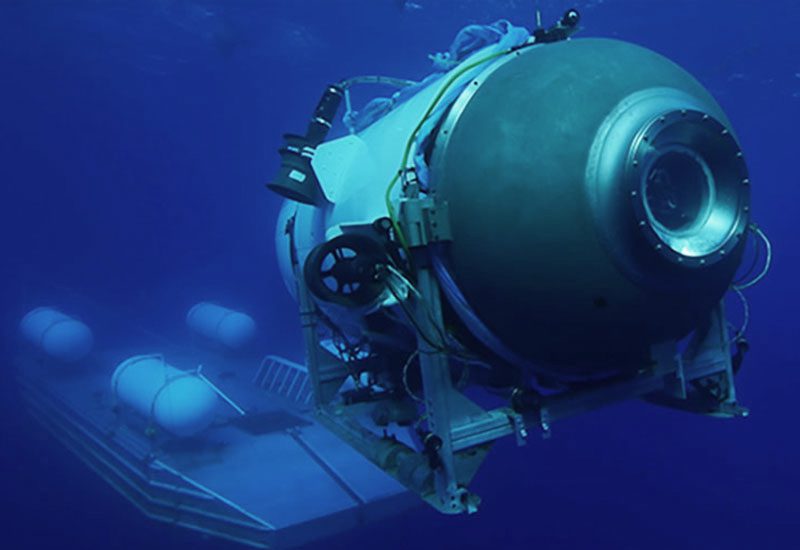
The director of engineering’s objections were over-ridden, and while Titan was being hoisted onto the mothership the bolts had sheared, causing the dome to detach and fall onto the submersible platform. This was said to highlight “OceanGate’s propensity to not thoroughly assess operational risks, often prioritising operational efficiency over safety”.
The company is said to have failed to properly investigate and address known hull anomalies following its 2022 Titanic expedition. Titan’s real-time monitoring system had generated data that should have been analysed and acted on, but OceanGate had conducted no preventative maintenance, nor properly stored Titan during its extended lay-off before the 2023 expedition.
‘Implosion almost a certainty’
The MBI refers to a “toxic workplace culture” at OceanGate, with employees, particularly those in technical and operational roles, “dissuaded from and belittled for voicing concerns, creating an environment where safety was sidelined and concerned employees either resigned or were terminated”.
Rush’s multiple roles as co-founder, CEO, secretary of the board of directors, chief pilot and primary investor “enabled him to gradually solidify his centralised and dominant control over all OceanGate decisions and operations,” says the report.
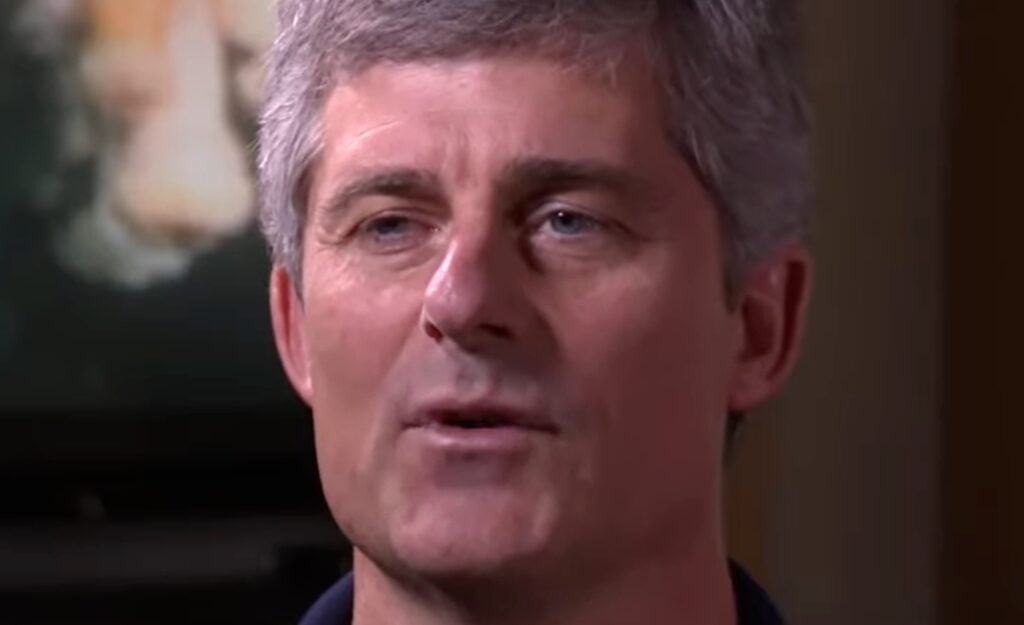
“This corporate structure, combined with the absence of meaningful external oversight and management’s dismissive attitude toward safety concerns, created an environment that enabled Titan to continue operating with the threat of its eventual implosion growing to almost a certainty.”
The four men who died alongside Rush were French submersible veteran and Titanic specialist Paul-Henri Nargeolet and UK citizens Hamish Harding and Shahzada Dawood and his 19-year-old son Suleman. The 2023 expedition had been advertised as five separate 8-10-day missions, and the mission specialists on the doomed “Dive 88” had paid £650,000 in fees for the dive.
OceanGate was said to have been facing mounting financial shortfalls as nervous sponsors had withdrawn.
The signing of liability waivers by mission specialists was usually timed to occur only just ahead of the scheduled dives, according to the report. By that time, although previously promised a “74-hour in-house training course”, they would have found the level of training to have varied considerably, often falling far short, while medical screening was either inadequate or non-existent.
Safeguards for the future
The report refers to an inadequate domestic and international regulatory framework for submersible operations and “vessels of novel design”, and an ineffective whistleblower process under the Seaman’s Protection Act in the USA.
It therefore includes 17 safety recommendations aimed at strengthening oversight of submersible operations, improving co-ordination among US federal agencies and closing gaps in international maritime policy.
These recommendations include restricting the “Oceanographic Research Vessel” designation for submersibles; expanding federal and international requirements to all submersibles conducting scientific or commercial dives; and requiring Coast Guard documentation for all US submersibles.

The Coast Guard MBI report has also recommended reinforcing Coast Guard personnel to support new oversight of the construction of submersibles and “vessels of novel design”, including field inspections.
Further recommendations include requiring submersible operators to submit dive and emergency response plans to local Coast Guard officers; evaluating the Coast Guard’s subsea search and rescue capabilities; and working with the International Maritime Organisation (IMO) to define passenger submersibles and expand international safety requirements for when they operate on the high seas.
Stronger oversight
The report also calls for a new Occupational Safety & Health Administration (OSHA) and Coast Guard agreement to clarify whistleblower investigative protocols and improve inter-agency co-ordination in the USA.
“The two-year investigation has identified multiple contributing factors that led to this tragedy, providing valuable lessons learned to prevent a future occurrence,” commented Titan MBI chair Jason Neubauer. “There is a need for stronger oversight and clear options for operators who are exploring new concepts outside of the existing regulatory framework.
Neubauer said he was optimstic that the findings and recommendations would “help improve awareness of the risks and the importance of proper oversight while still providing a pathway for innovation”.
The Commandant of the Coast Guard now has to review the report before a “final action memorandum” is issued.