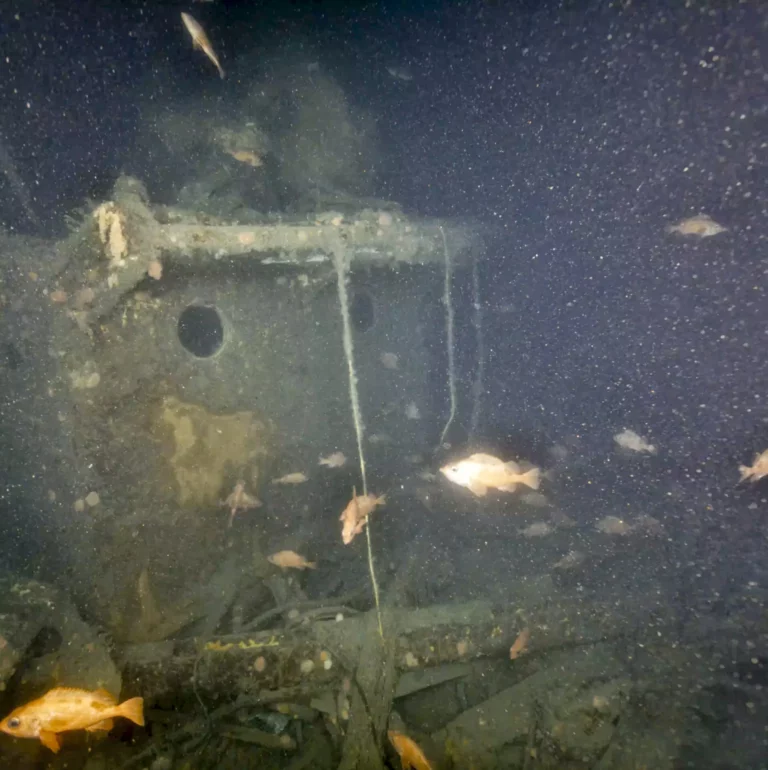
The first close-up images of the wreck of Quest, the last ship of famed Antarctic explorer Sir Ernest Shackleton, have been captured 390m deep beneath the Labrador Sea amid the first manned descents.
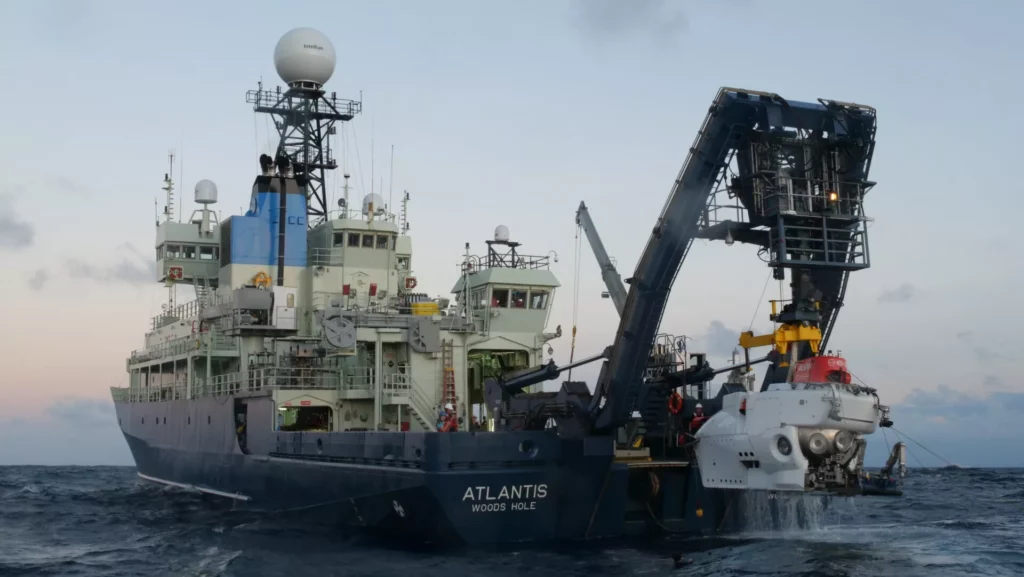
The three-day Heroic Age Expedition was carried out by a team from the research vessel Atlantis, led by the Royal Canadian Geographical Society (RCGS) in partnership with the US body Woods Hole Oceanographic Institution (WHOI).
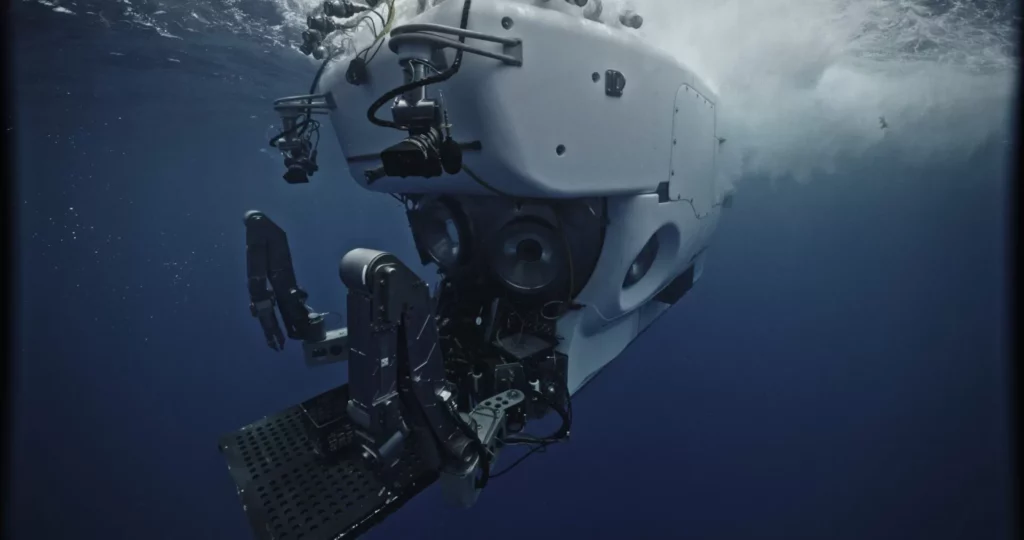
They used WHOI’s Falcon ROV along with the manned DSV Alvin, owned by the US Navy and piloted by Bruce Strickrott of WHOI.
Alvin, which started diving in 1964, had been the first submersible to visit the wreck of the Titanic 40 years ago and in June was recertified for use to ocean depths to 6.5km.
The wreck was surveyed and mapped using Canadian Voyis underwater photogrammetry technology.
“In addition to using Alvin to put the first human eyes on Quest in more than 60 years, we’re using the very best imaging technology available to create a digital twin of the ship,” said Dwight Coleman, co-chief scientist from WHOI for the expedition.
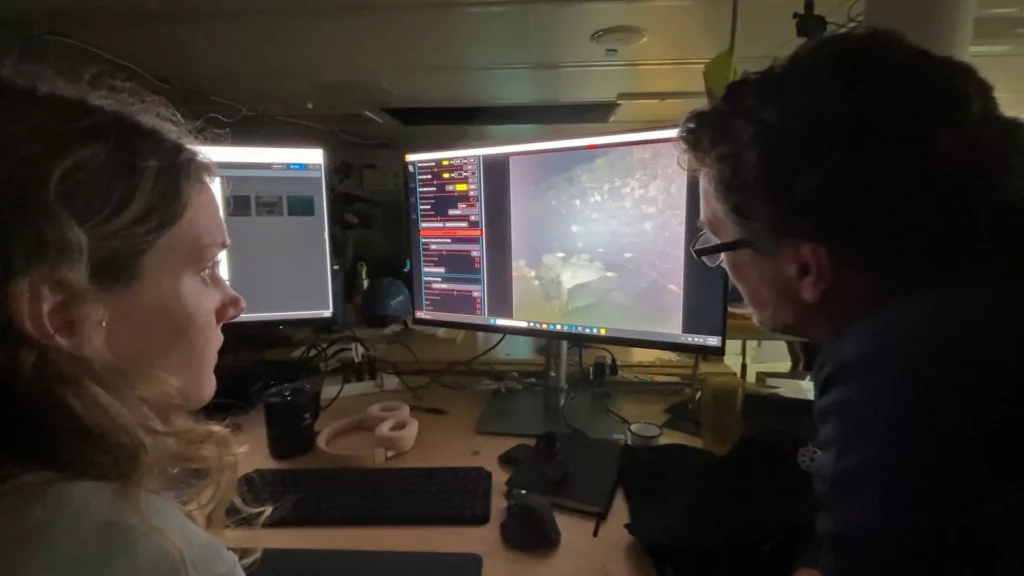
“This type of 3D modelling has only existed in ocean science for the past couple of years, and it’s giving us entirely new ways to explore these historic wrecks and make them real for the public.”
The last expedition
Shackleton is remembered as one of the world’s great polar explorers, having made his name when he saved his entire crew following the loss of his ship Endurance after two years frozen in the ice of the Weddell Sea.
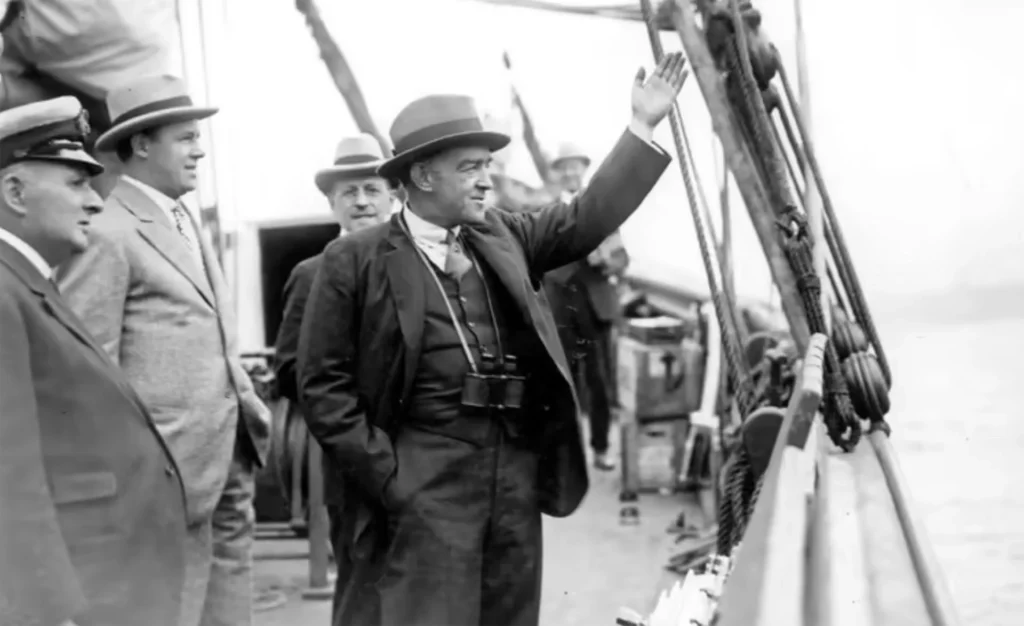
He had died of a heart attack at the age of 47 in 1922 while onboard Quest, having pivoted from a planned final expedition to the Canadian Arctic to head instead to Antarctica.
Sold to a Norwegian family, Quest spent the next 40 years sealing in Arctic waters and had been completing a season in the Labrador Sea when, crushed by ice-floes, she sank on 5 May, 1962.
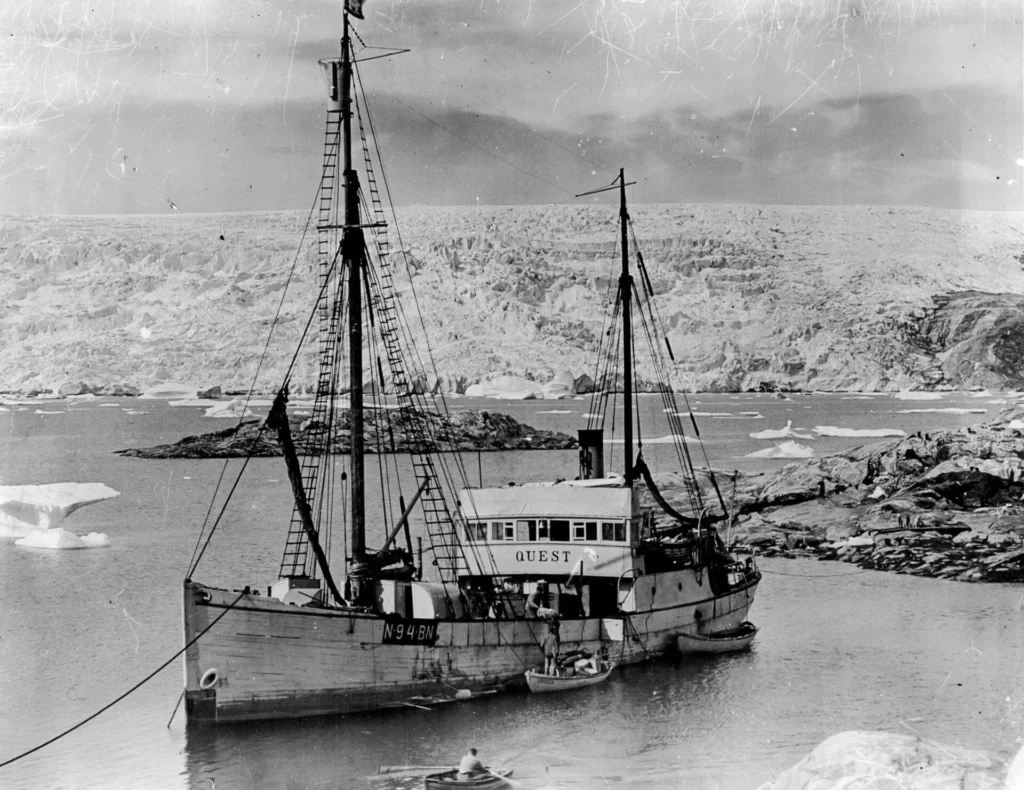
The wreck was discovered in 2024 by the RCGS-led Shackleton Quest Expedition, as described on Divernet that June, but only side-scan sonar images could be obtained at that time.
Two years later expedition leader and RCGS CEO John Geiger was an observer on Alvin’s first dive to the wreck-site, armed with more advanced imaging technology to allow an accurate assessment of its current state to be made.
He described being moved by the sight. “To see Shackleton’s ship, and to think that Shackleton was standing on that deck a century ago – at first there was a lot of darkness, but suddenly the bow emerges as you are going towards it,” he said. “It’s incredible.”
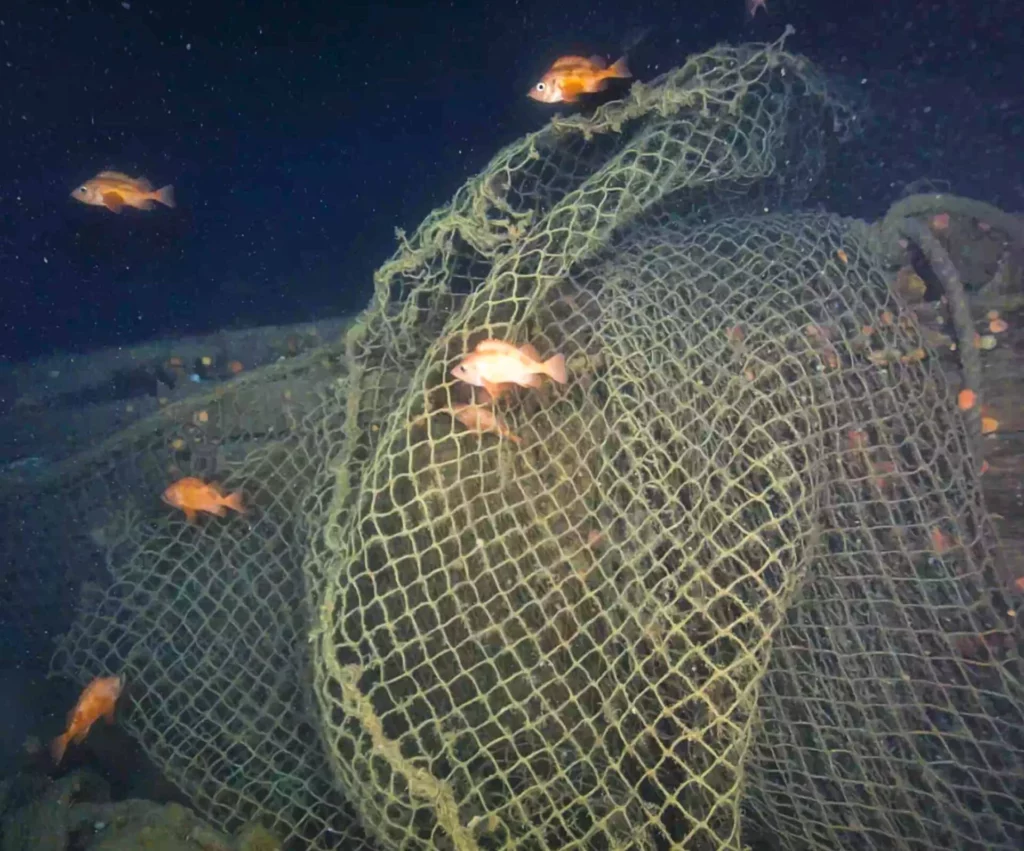
Much of the ship remains visible, including the bow, deck, some portholes and the fallen main mast, but several large fishing-nets obscure parts of the vessel. The visible sections of the wreck are populated with pink corals, cod, redfish and wolf-fish.
“The nets are a sad story, limiting our ability to look at the wreck,” he said. “I think we have to take responsibility for what we are doing to our oceans; that’s a huge issue.”
Following the Quest survey, the team are now heading north-east towards Greenland to survey the Terra Nova – the last ship of Shackleton’s rival Robert Falcon Scott.
Scott became known for reaching the South Pole in 1912, but five weeks after Norwegian explorer Roald Amundsen. He had died on the return journey with four of his men. Like Quest, Terra Nova went on to operate as a sealer in Canadian waters.
She eventually sank in 1943 while carrying war supplies to US bases, and was discovered in 2012 by the Schmidt Ocean Institute.