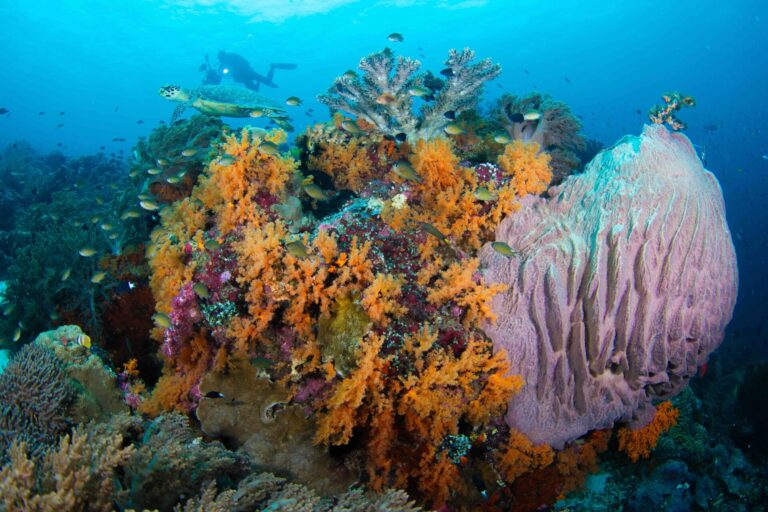
What to Expect when you Dive Malaysian Borneo
Malaysia Borneo is divided into two states Sarawak and Sabah. Sarawak offers some excellent dive spots at the two main towns of Kuching and Miri, which include WWII wrecks and great macro life. However, most of the diving takes place in the state of Sabah. Kota Kinabalu is located on the east coast of Borneo, the largest city in the area and the gateway to the region. From here, there is easy access to Gaya Island and the rich and diverse waters of the Tunku Abdul Rahman Marine Park. In the Northeast of Borneo is Lankayan, an off-the-beaten-track island with exceptional diving, accessible from Sandakan. The town is also the gateway to the Kinabatangan River, plus the orangutan sanctuary and Sun Bear Conservation Centre of Sepilok. Further down the coast in the southernmost reaches of Sabah is the town of Semporna, which offers access to two outstanding diving areas. To the city’s Northeast is the Tun Sakaran Marine Park, plus the Pom Pom, Timba Timba, Pandanan and Mataking islands. To the Southwest of Semporna is another cluster of islands synonymous with outstanding diving, Mabul, Kapalai, Si Amil and Sipadan.
Tunku Abdul Rahman Marine Park

The marine park features five beautiful islands Gaya, Sapi, Manukan, Mamutik and Sulug. Only a 15-minute boat ride from Kota Kinabalu, Dives here are rarely deeper than 25 meters and generally consist of pristine hard coral reefs teeming with schooling fish. The park is also home to various critters like frogfish and seahorse, plus it has some larger visitors like turtles, reef sharks and eagle rays. Visibility can vary but the waters are usually calm and the diving easy.
Lankayan Island

Over 30 dive sites, including several wrecks and numerous small reefs, surround Lankayan Island. Schools of parrotfish, yellowtail barracuda, humphead parrotfish, and scads are found at many of the reefs, which also boast healthy corals, plenty of macro critters, and the occasional visit from whale sharks between March and May.
Tun Sakaran Marine Park

Comprising 8 islands and their surrounding reefs, the park has 21 dive sites within its boundaries. Divers can expect to encounter a variety of fish, turtles, eagle rays, barracuda, and even macro life in lagoons in this stunning underwater landscape.
Pom Pom, Timba Timba, Pandanan and Mataking Islands

Located just outside the Tun Sakaran Marine Park, these islands are often dived as a day trip from Semporna, with a dive at each. It is also possible to stay on any of these picturesque islands at one of the many eco-resorts, which often run conservation projects in which divers can participate. The waters surrounding the islands usually enjoy excellent visibility and plenty of marine encounters with various creatures, including turtles.
Mabul Island

Along with Kapalai, this is where most people will stay to dive at Sipadan. Mabul, however, is also a fantastic dive destination in its own right and renowned for its superb muck diving and macro life. An old oil rig in the water near the island offers something a bit different and some enjoyable wall dives.
Kapalai Island

Little more than a sand bank with a resort on stilts Kapalai offers some great diving. One of the most impressive sites is a huge artificial reef home to thriving coral colonies and a great place to find all manner of critters.
Si Amil Island

This little island is a 45-minute boat ride from Mabul and is also accessible from Semporna. The island boasts thriving coral reefs and stunning rock formations, creating a breathtaking underwater landscape. There is great Muck diving and the chance for pelagic encounters with schooling Devil Rays.
Sipadan Island

Undoubtedly, the best-known dive destination in Malaysia is the legendary Sipadan. There are no resort on the island which is famous for its sheer coral cover walls, turtles, and huge schools of fish including barracuda, Jacks and Bumphead parrot fish. The island also attracts all manner of other pelagic visitors, including sharks and rays, and as this protected area only allows 175 visitors per day, as a result, the reefs are flourishing and teeming with marine life. Sipadan is a resounding conservation success story with world class diving.
Photo Credits: Malaysia Tourism Promotion Board
