The worlds richest reefs
Dive the world’s richest reefs with Papua Diving Resorts, the pioneers of sustainable tourism and diving in Raja Ampat. Our award-winning resorts are PADI Five Star, providing outstanding service that goes hand-in-hand with conservation. Just a few minutes away from our resorts, explore colorful coral gardens and energetic schools of fish with us, where you’ll experience the dives of a lifetime.
Whether you’re into small critters that like to make a home in the nooks and crannies of coral reefs, or panoramic views of schooling barracuda, fusiliers and mantas, Raja Ampat has something for everyone.
Raja Ampat is located at the heart of the Coral Triangle, where the currents bring in nutrients that feed the diverse marine life. Some divers come to Raja Ampat to experience the thrill of the currents, but it is exactly because of those currents that the region has become renowned for having the richest biodiversity of marine life in the world.
The Dampier Strait
Here, the Dampier Strait is often called the migratory highway for whales, dolphins, and dugongs. Dolphin sightings are common on the boats to and from the dive sites. And dugongs will often visit various dive sites searching for something to eat, they are even known to visit our house reef from time to time. And although whale sightings are not the most common, we know they are around. Our guests have seen orcas and false killer whales on their way back from their dives.
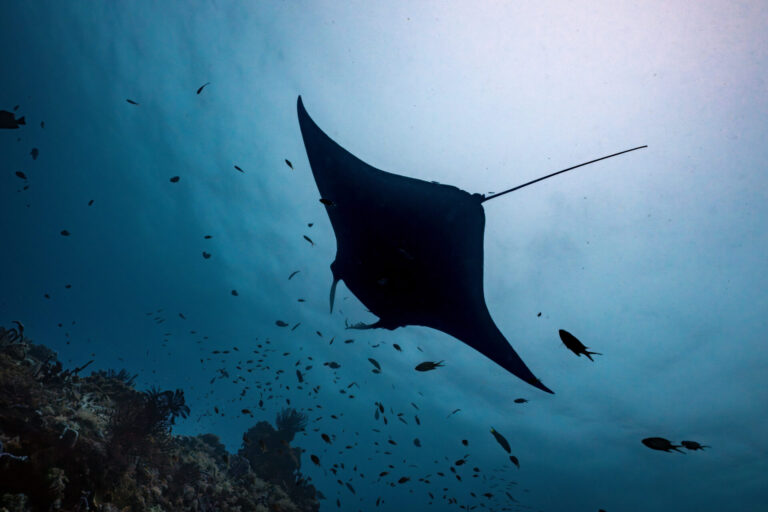
Raja Ampat is also one of the few places in the world where you can see both oceanic and reef mantas. The combination of currents and percentage of plankton in the water brings in these mantas to feed and get cleaned.
Here’s the sights you don’t want to miss
Cape Kri
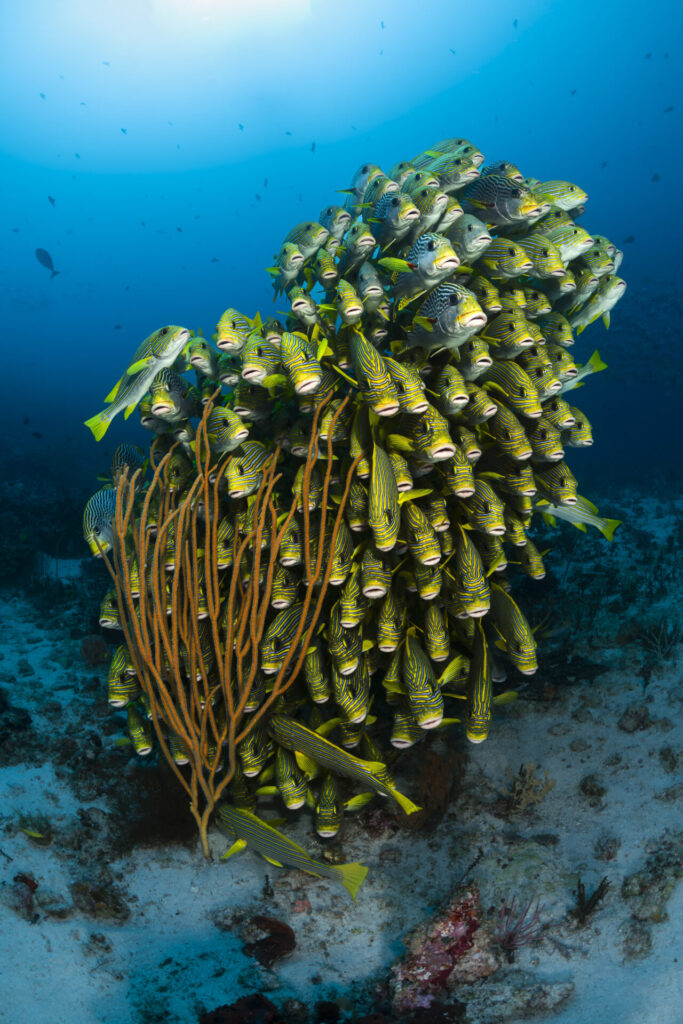
Located right at our doorstep, Cape Kri was made famous by its world record fish count of 374 species on a single dive by Dr. Gerry Allen. Invited by Papua Diving Resorts’ founder, Max Ammer, Gerry Allen started his fish count from our Sorido Bay Resort jetty all the way to the site we now know as Cape Kri.
Boasting a wide variety of corals and big predatory species as well as tiny critters, it’s no wonder Cape Kri is considered one of the world’s best reef dives. The top reef is filled with color, perfect for both snorkelers and freedivers. For underwater photographers looking for their next subject, large groups of sweetlips like to gather at about 30 meters.
Melissa’s Garden
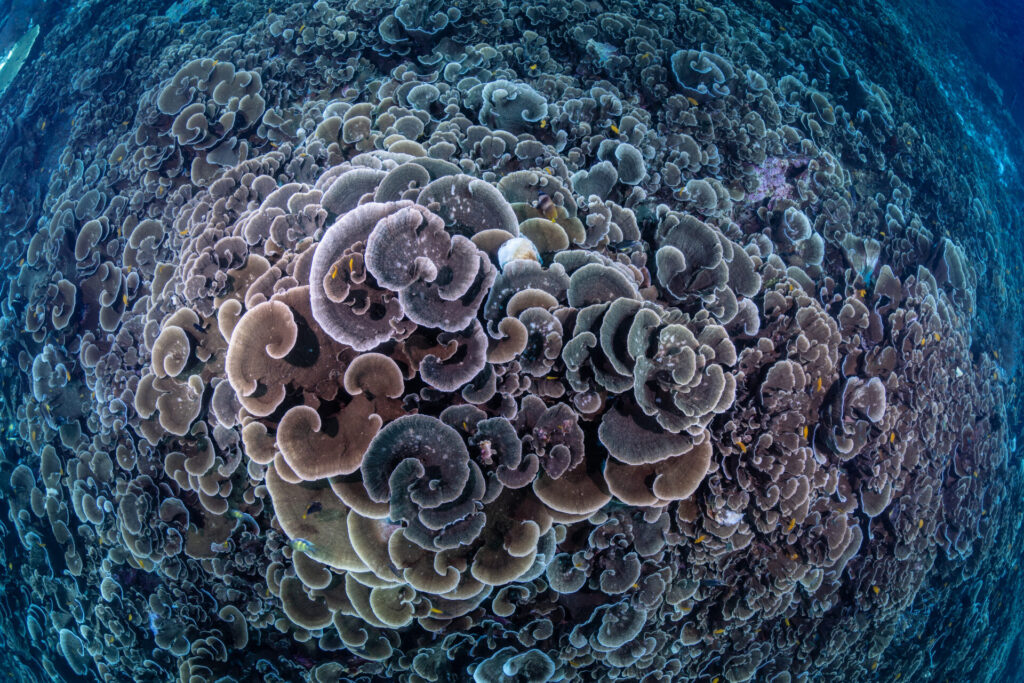
Named after the daughter of Papua Diving’s founder, Melissa’s Garden is absolutely bursting with life. From the corals to the fish, you will find yourself mesmerised by its beauty. Here, you can find schools of fish playfully swimming in the nutrient-rich waters, as well as pygmy seahorses hiding in the site’s many seafans. End your dive at the top reef, where you’ll be greeted with a seemingly endless field of acropora coral basking in the Raja Ampat sun.
Sauwandarek
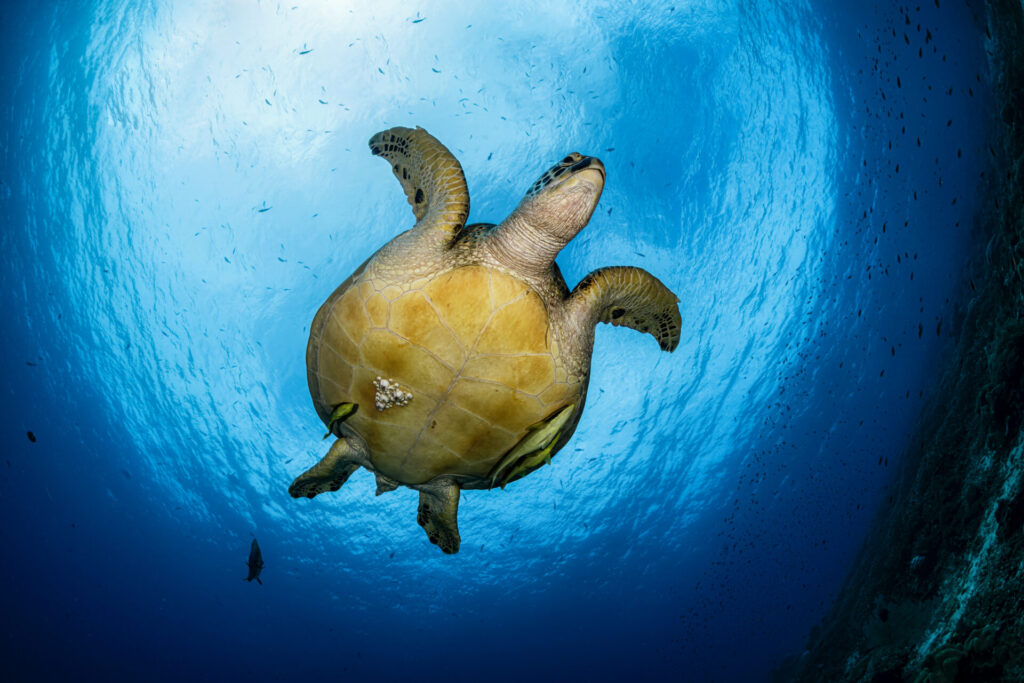
Sauwandarek is a dive site with little to no current – perfect for any diver looking for a calm dive watching the huge diversity of fish life and beautifully healthy coral. Divers can be sure to spot giant green turtles and schooling jacks in the shallows, thriving in the protected Raja Ampat bay.
Saporkren
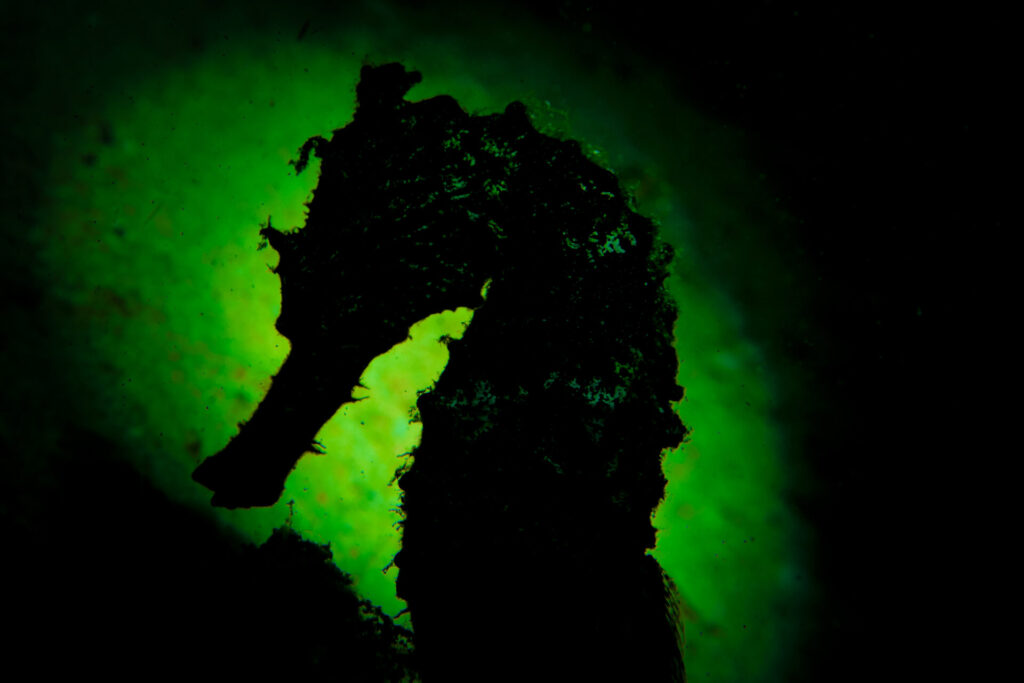
Raja Ampat isn’t just about finding large schools of fish and exploring coral gardens. Divers can also do some muck diving here, searching for unique critters camouflaged against the sand, like seahorses, octopus. scorpion fish, and leaf fish. Perfect for those looking for the wonderfully weird, Saporkren is also a favourite for night dives.
Blue Magic
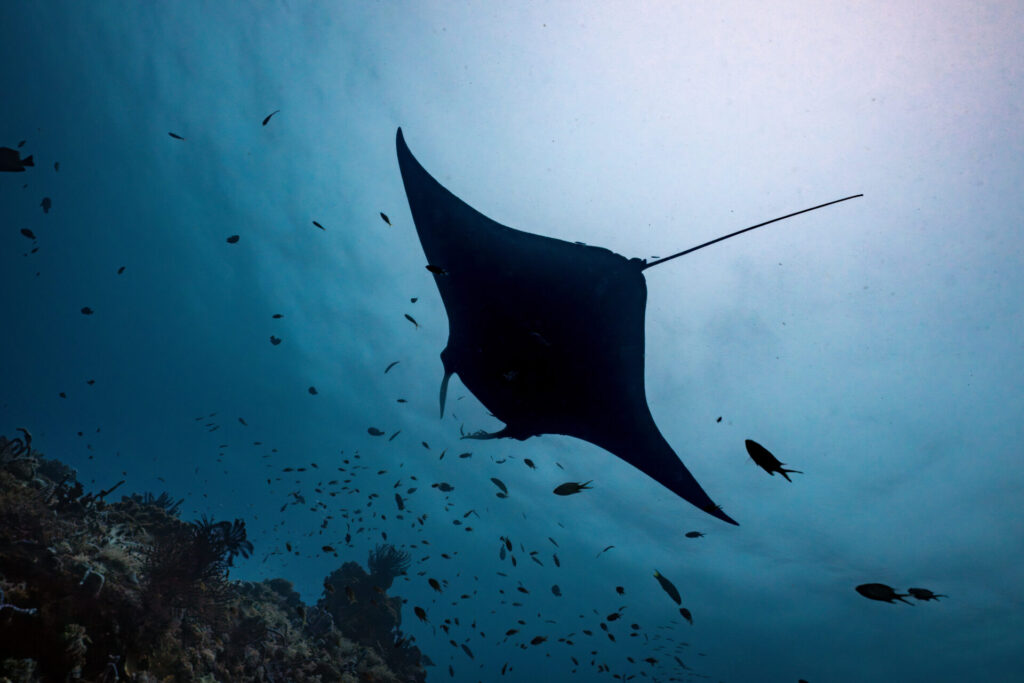
Besides being home to large schools of fish and various species of shark, Blue Magic is also a feeding station often visited by oceanic manta rays. Although the site can have strong currents, it is precisely because of the currents that make it such a popular site for fish and mantas to play and feed. A dive here will definitely leave you wanting more.
Book your next stay with Papua Diving Resorts and discover these dive sites with the pioneers who first explored them.
