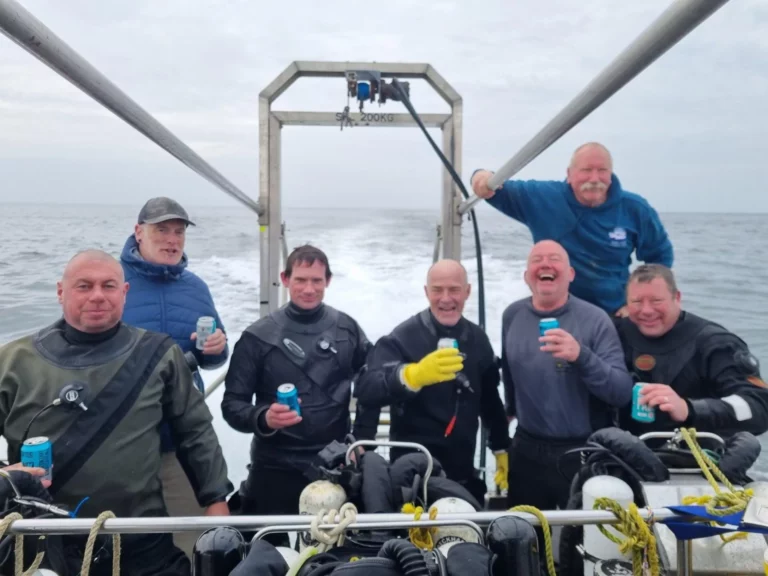
The sinking of the US Coast Guard Cutter Tampa, torpedoed in the Bristol Channel by the German U-boat UB-91, was the biggest US naval loss of life in combat during World War One. Now the wreck has been discovered at a depth of 94m by British technical-diving team the Gasperados.
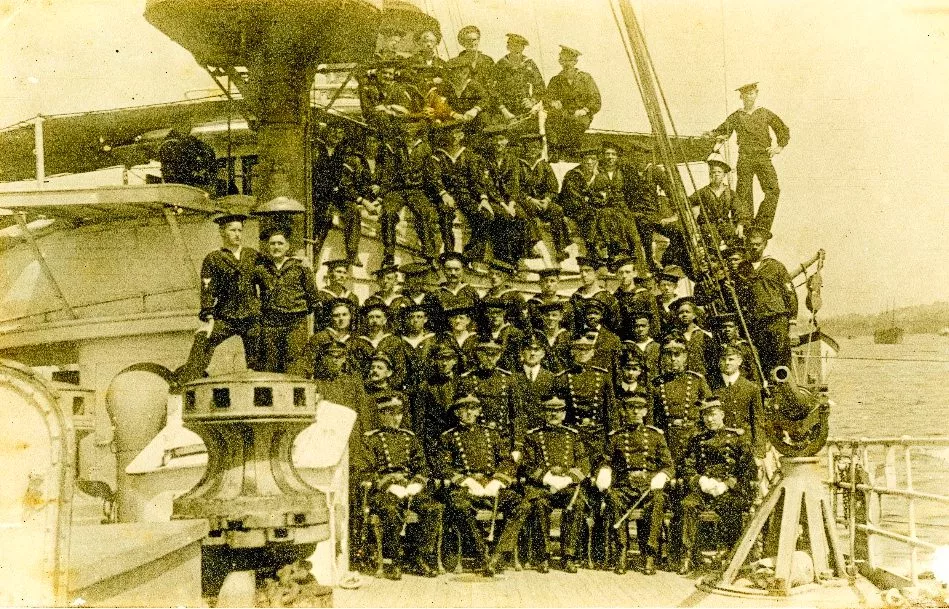
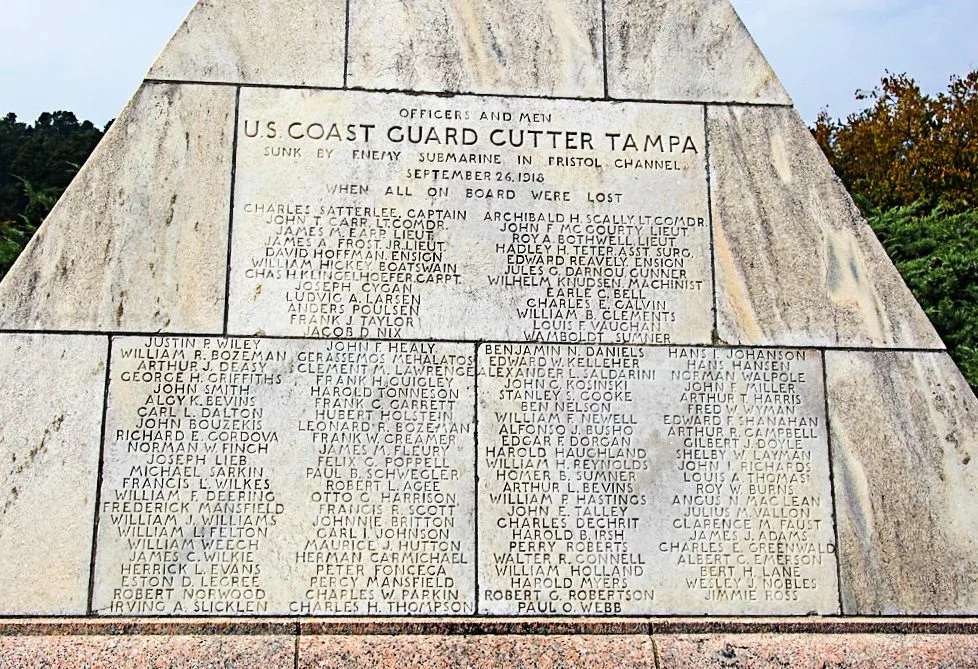
USCGC Tampa sank weeks before the end of the war on 26 September, 1918 with the deaths of all 131 onboard, consisting of 111 US Coast Guardsmen, 11 Royal Navy sailors, five British civilians and four US Navy personnel.
The warship wreck was found some 80km out from Newquay in north Cornwall on Sunday, 26 April. “This discovery is the result of three years of research and exploration,” said Gasperados team-leader Steve Mortimer.
“Tampa is of huge importance to the United States and the relatives of everyone who died that day. Their final resting place is known at last.”
Mortimer, whose wife Barbara had led the archival research, said that the team was liaising with the US Coast Guard about the next steps to take, and would be making all of its video footage of the wreck available to the service.
“This was a real team effort,” he said, thanking skipper Chris Lowe of Atlantic Diving for being “fundamental to finding the wreck”.
He also paid tribute to U-boat historian Michael Lowrey, the US Coast Guard including veteran Charles Meyer and Atlantic historian Dr William Thiesen.
Miami to Tampa
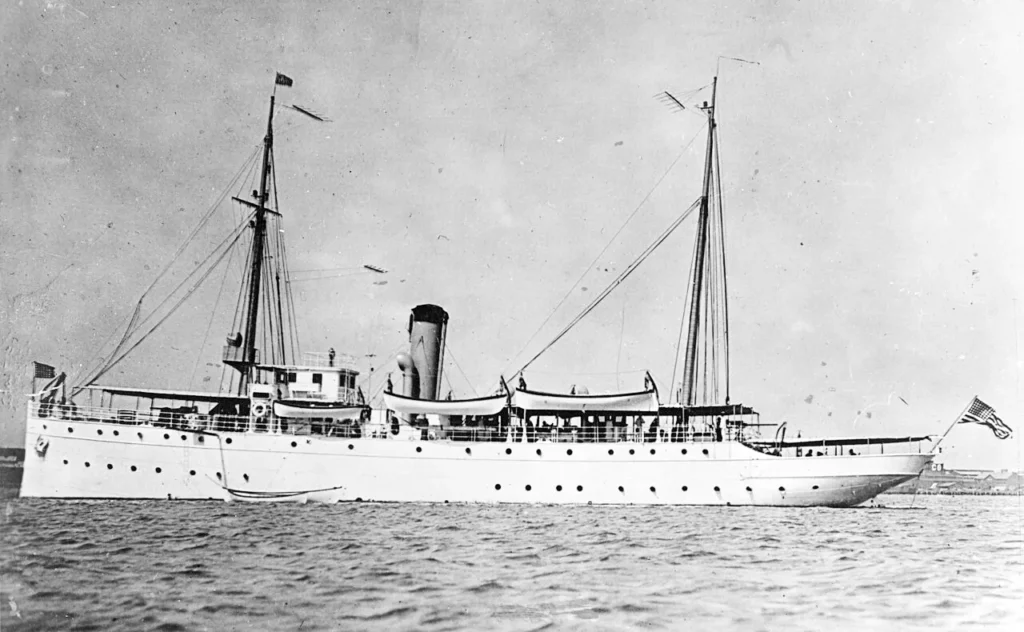
The 58m USCGC Tampa was built in Newport News, Virginia as the Miami and launched in February 1912.
She served as a patrol boat initially with the US Revenue Cutter Service, which later evolved into the Coast Guard, and was used off North America’s eastern seaboard to locate hazardous icebergs and enforce navigation and fishing laws. The cutter was renamed Tampa in early 1916.
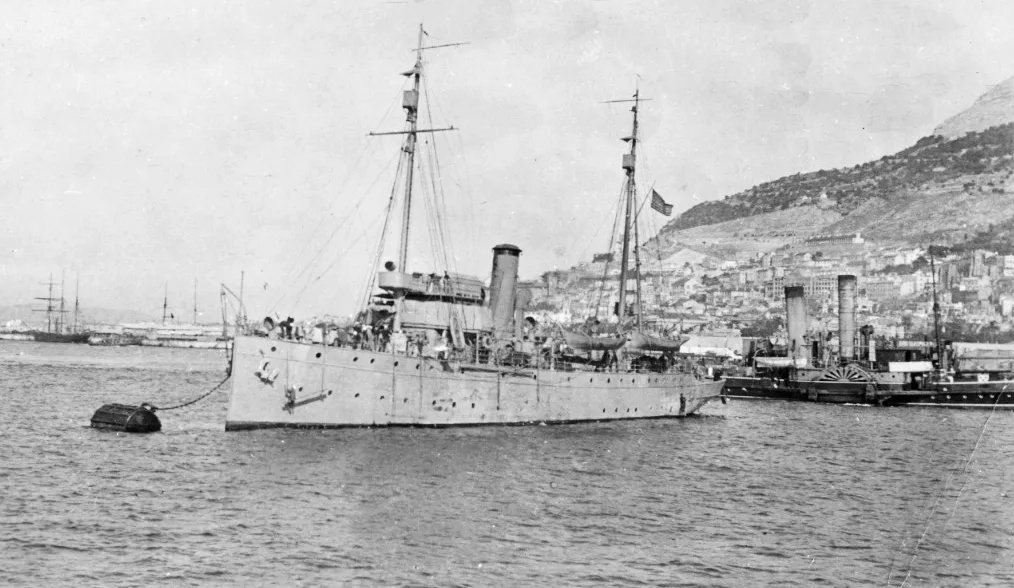
When the USA entered WW1 in April 1917 Tampa came under US Navy control and was fitted with heavier armament, including a pair of 76mm guns, two machine-guns and depth-charge launchers.
During her 11 months of war service she helped to protect 18 convoys from U-boats between Gibraltar and the south coast of England and further north, with only two casualties occurring among the escorted vessels in that time.
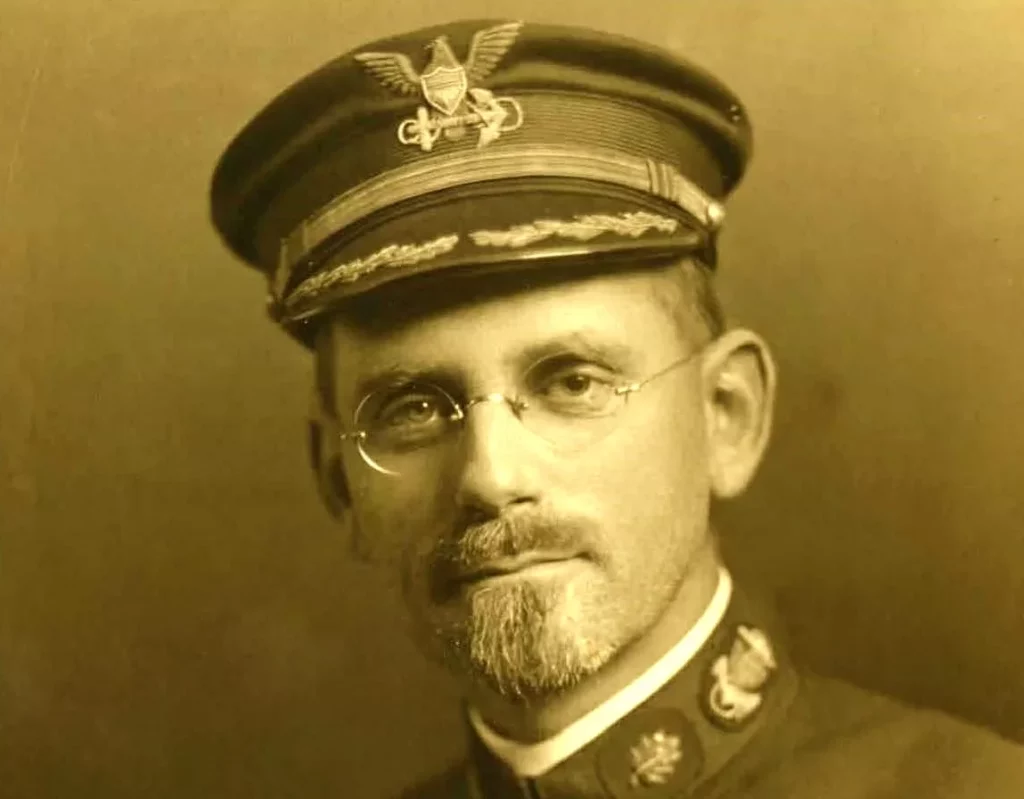
On the late afternoon of 26 September, 1918, Tampa, under the command of Captain Charles Satterlee, left a convoy off North Cornwall to pick up coal in Milford Haven in Wales. At 7.30pm she was struck midships on the port side by a torpedo fired from UB-91.
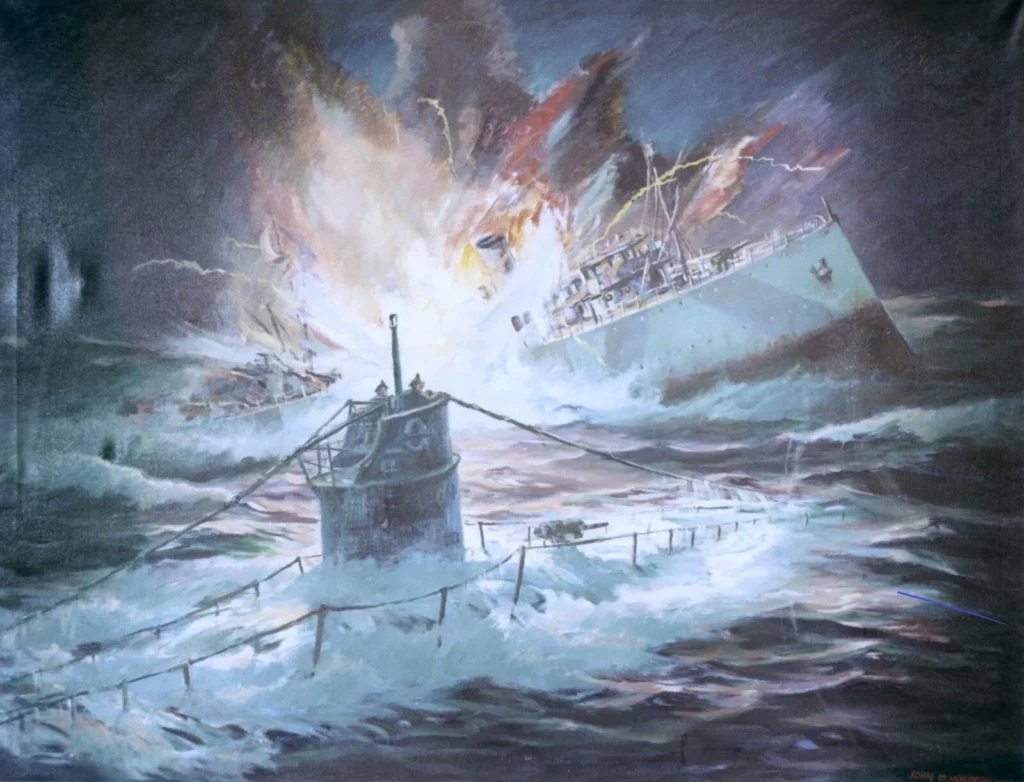
Over the next three days search and rescue vessels located only some wreckage and a single body. Two other bodies were later washed onto a Welsh beach.
Chris Lowe told the Cornish Times that the team’s research had started with the sinking position logged by UB-91, but the divers had found only a fishing-boat wreck there.
Barbara Mortimer had scoured the archives to come up with 10 potential marks. Following up on each of these the dive-team had found three fishing-boats, a tank landing craft, a cargo ship identified as the Ingrid Frem, a steel sailing ship and a very large steamship.
Final push
“We had basically given up, and Sunday was the final push,” said Lowe. “It was an extremely long way offshore and conditions needed to be perfect to be able to find it.”
Two divers returning to the surface had said independently that features had appeared familiar from historic images they had studied, and video footage supported their identification of the wreck as the Tampa. Nothing was removed from the site.
“The discovery is an extremely high achievement for us here in Cornwall,” said Lowe, adding that the team had worked closely with the US government for the past three years and that the Coast Guard would be laying a wreath at the site. “It is one of the most important wrecks we have off Cornwall, and for the Americans it is extremely important we have found it.”

Until now only one item remained from the wreck of the USCGC Tampa – a bronze lifeboat placard that washed onto a Welsh beach in 1924 and is now held at the National Coast Guard Museum in Connecticut.
The loss of the Tampa is commemorated by the USCG Memorial at Arlington National Cemetery and in a chapel at the Brookwood American Cemetery & Memorial in Surrey.
The Gasperados dive-team have built a reputation through a series of significant deep wreck finds in recent years, including the WWI warships HMS Jason (93m) and HMS Hawke (110m).

My husband’s great-uncle Charles Galvin was among those lost when the ship went down. We’re so grateful to the dive team for persevering and discovering the shipwreck and to divernet.com for publishing the discovery.
These are tough dives at these depths. The divers are to be commended for their determination and skill. Well done from an old Army diver..
A bronze placard washed up onto a beach?
I understand that it was attached to timber from the lifeboat
I bet the US Navy will want the Bell from her!