
Cuts and scrapes are the most-common injuries incurred by divers and snorkellers. DAN receives about one inquiry a week related to someone who has come into contact with coral. A burning sensation, pain and itching are common and may also be accompanied by a rash. These injuries can have a latent evolution and take weeks or months to heal, confusing both patients and clinicians.
Mechanisms of injury
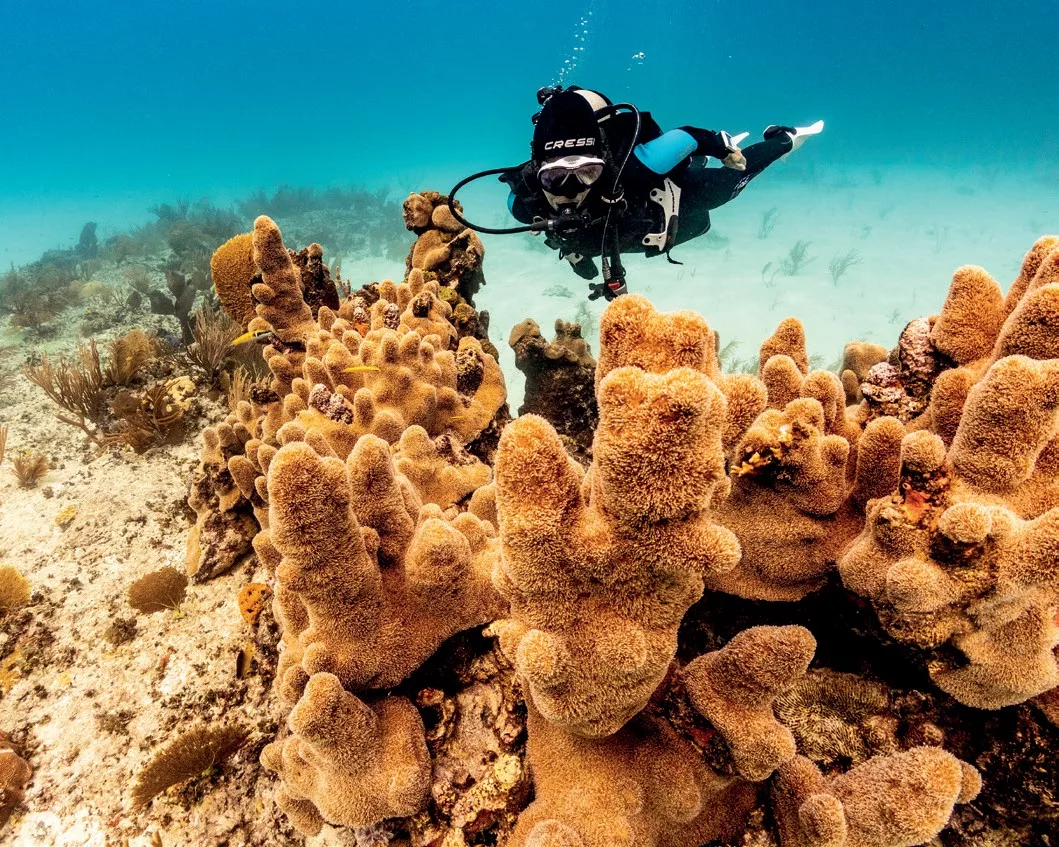
Soft living tissues cover the surface of corals. In the case of stony corals, the rigid (abrasive) structure underneath makes the coral’s soft tissue easy to tear and get into the scrape or cut. Foreign material can prolong the wound-healing process since the different antigens and substances cause an acute inflammatory process and infection. Cuts and scrapes from sharp-edged coral and barnacles tend to fester and may take weeks or even months to heal. Granulomas can form if debris from the original wound remains in the tissue. The body attempts to remove it, resulting in an itchy rash or papule (small, raised, tender bump) that lasts for some time before the body eliminates it.
Whether it is a coral, a rock or a wreck, they all share a common factor: They are covered by living marine organisms, which makes coral cuts and scrapes unique.
Manifestations
The extent of the reaction depends on the presence and amount of toxins, the size and location of the abrasion and the pre-existing sensitivity of the injured person. The most-common manifestations are a burning sensation, pain and itching. A rash may accompany the injury if the coral is a hydroid, such as fire coral.
Prevention
When underwater, try to avoid contact with coral or any other living creature. Whenever possible, wear a wetsuit or dive skin to protect yourself if you are accidentally pushed into coral by another diver or a current. Ocean divers should consider a marine animal first aid kit for their travels. Ready supplies will speed up the time to properly administer first aid for injuries. Additionally, for divers who want to learn more about the various marine life injuries, there are courses in marine life identification, first aid courses and a variety of books and publications available.
Scrub the cut vigorously with soap and water, then flush the wound with large amounts of water. Flush the wound with a half-strength solution of hydrogen peroxide in water. Rinse again with water. Apply a thin layer of antiseptic ointment, and cover the wound with a dry, sterile and non-adherent dressing. If you have no ointment or dressing, you can leave the wound open. Clean and re-dress the wound twice a day.
If the wound develops a crust, use wet-to-dry dressing changes until they become non-adherent. Then resume the regular wound dressing described above.
Look for any signs of infection: extreme redness, red streaks on the extremity, pain, fever, pus or swollen lymph glands. If you have any, consult a health professional about starting an antibiotic.
Watch for coral poisoning, which can occur if abrasions or cuts are extensive or from a particularly toxic species. Symptoms include a wound that heals poorly or continues to drain pus, swelling around the cut, swollen lymph glands, fever, chills and fatigue. If you have these symptoms, see a physician. As a rule, treat wounds properly and let them heal before diving. This is particularly important before travelling to a remote location or one with limited local medical care capabilities.
Learn more about Coral Scrapes and Cuts and other conditions at World.DAN.org/Health-Medicine
DAN Online
For an extensive range of diving health and safety information and downloadable resources, research studies, incident summaries, and free e-Learning courses, take the time to explore DAN World’s new website: world.DAN.org
FAQ
What are common symptoms of coral cuts and scrapes?
Common symptoms include a burning sensation, pain, itching, and sometimes a rash.
How can divers prevent coral scrapes and cuts?
Prevention can be achieved by avoiding contact with coral, wearing protective gear, and having a marine animal first aid kit.
What is the recommended first aid for coral cuts?
First aid includes scrubbing the cut with soap and water, applying antiseptic ointment, and covering the wound with a sterile dressing.
What should be done if a wound shows signs of infection?
Consult a health professional if you notice signs like redness, fever, or pus, to possibly start an antibiotic treatment.
What resources are available for divers seeking more information on diving safety?
Divers can visit the DAN World website for comprehensive information, downloadable resources, and e-Learning opportunities.
This article was originally published in Scuba Diver Magazine
Subscribe today with promo code DIVE1 — enjoy 12 months for just £1!
