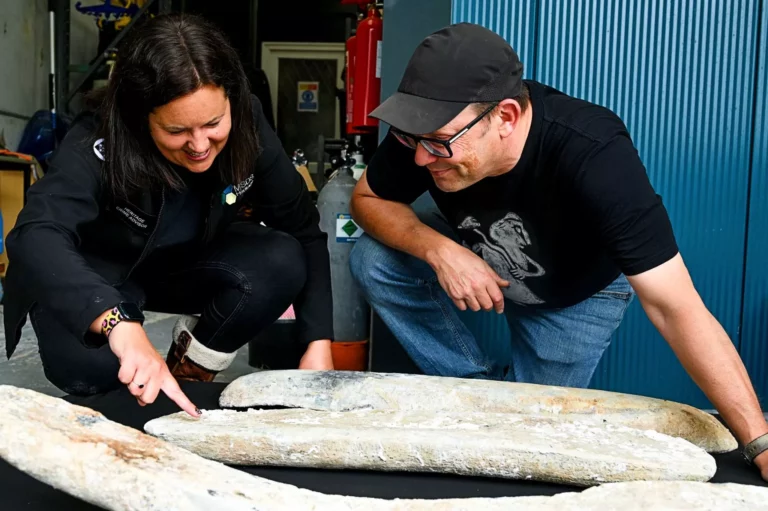
Rare lead ingots have been found by investigators on the wreck of a 17th-century ship at the Hornsea 3 offshore wind-farm site, 120km off Norfolk.
The three ingots, each one weighing about the same as a washing-machine at 70kg, now have a new home at the Peak District Lead Mining Museum in Matlock, Derbyshire. The lead is thought likely to have been mined in that area.
The ingots were discovered at a depth of 40m during a seabed investigation into possible unexploded=ordnance locations. They were stacked in their original formation but very little remained of the wooden wreck that had once carried them, although some timbers were visible beneath the ingots.
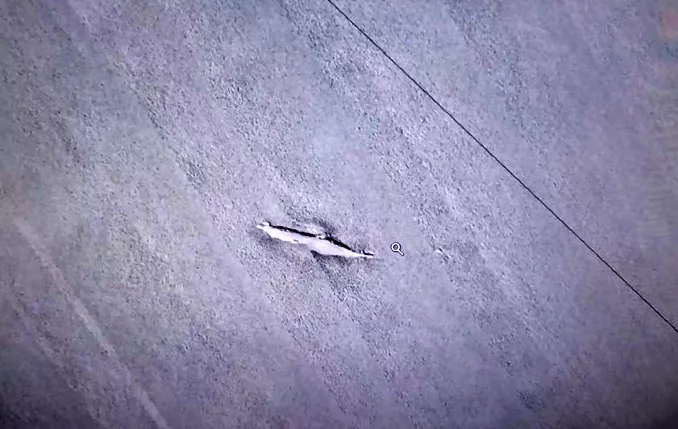
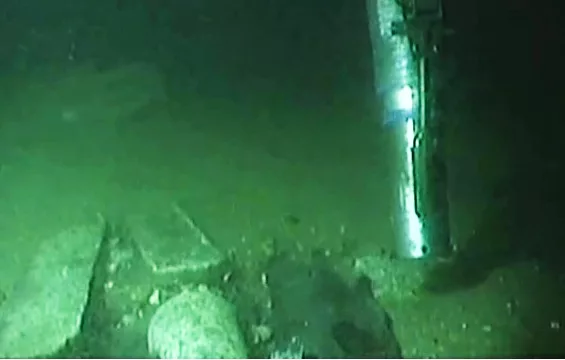
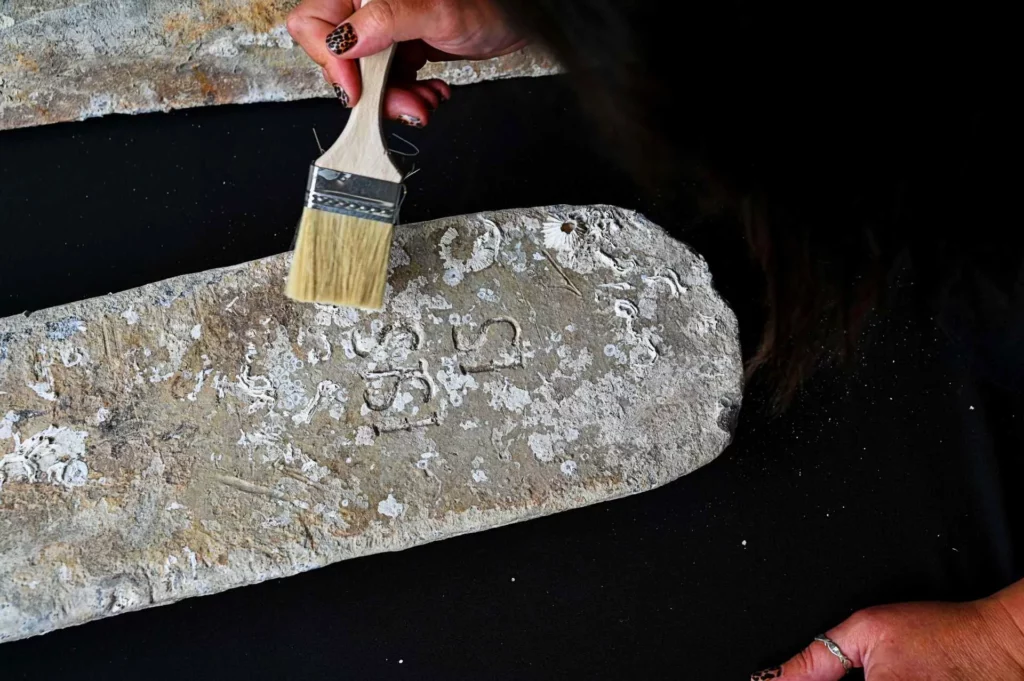
Each ingot is stamped with a different mark – ‘IS’, ‘EB’ and ‘H’ – similar to ingots found on the 1664 wreck of the Dutch East Indiaman Kennemerland off the Shetland Islands. The Honsea 3 vessel might also have been from the Netherlands.
At the time England produced vast quantities of lead, in particular from Derbyshire and Peak District mines, with much of it shipped across the North Sea from Hull and London to Amsterdam and Rotterdam. The wreck found at Hornsea 3 lies directly on the Hull-Netherlands route.
Before its toxicity was understood, lead was used to make many products from plumbing pipes to weapons. It would be formed into ingots to make it easier to carry as cargo.
Biggest wind-farm
Hornsea 3 is being developed, constructed and operated by market-leading Danish wind-power company Ørsted. The £8.5 billion infrastructure project is set to become the world’s single largest offshore wind-farm, with capacity to deliver enough green energy to power 3.3 million UK homes.
Ørsted’s Hornsea 3 team is said to have worked closely with site-investigators MSDS Marine, the Maritime & Coastguard Agency (MCA) and Historic England (HE) to ensure that the items were “analysed and preserved before being safely rehomed”.
“These ingots are a direct link to the past,” commented Alison James, director of heritage services at MSDS Marine. “As a landlocked maritime archaeologist based in Derbyshire, I love the thought that these ingots, potentially made from Derbyshire lead, have gone to sea and are now available for public view in the Peak District Lead Mining Museum.
“Further research will hopefully confirm where the lead used in the ingots came from.’’
Scuba depths
Hornsea 3 lies in an area of the southern North Sea with relatively few known pre-18th-century timber wrecks. Water depths across the wind-farm site are generally in the 30-40m range so could be accessed by scuba divers, though the ingots were discovered by maritime archaeologists working alongside ROV pilots.
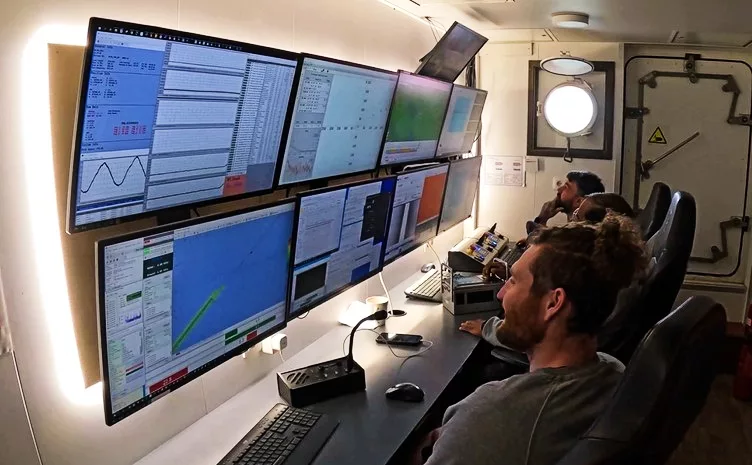
They are said to have been the most significant find made during the site-investigation process, which took place last year. The discovery has only been announced now that a home has been found for them.
“In creating the future with the Hornsea 3 offshore wind-farm, we’re also careful to acknowledge and preserve the past,” said the company’s MD Luke Bridgman. “There’s so much rich history attached to our onshore and offshore sites that’s a valuable part of the UK story. We want to ensure that is protected and celebrated.”
Also on Divernet: Wind-farm survey reveals WW1 shipwreck