PT Hirschfield chats with the wildly successful underwater photographer whose passion for nature echoes her biology and conservation background. Photography by Marcia Riederer or as credited.
Photography by Marcia Riederer or as credited
© Russell Charters
Award-winning land and underwater photographer Marcia Riederer is a biologist with enviable, global photographic accomplishments. These include Ocean Photographer of the Year 2025 (Winner of Fine Art and Canon Special Award); Underwater Awards Australasia 2025 (Gold Winner, Australian Category), Through Your Lens Photo Contest 2024 (Overall Winner and Second Place, Behaviour Category), alongside many more competition awards.
Marcia was a category winner in the Australian Geographic Nature Photographer of the Year in 2019: ‘I also got a few prizes in the Ecological Society of Australia, including the overall winner in 2023.’
Despite her abundant success, Marcia remains humble: ‘I also have extensive experience in not winning competitions.’
‘When recognition does come, especially in the form of a nice prize, it’s affirming and confidence-boosting. While it opens doors and allows me to meet people that I wouldn’t otherwise, the greatest reward remains the privilege of diving and creating images at all.’
Marcia was born in Brazil. She spent the first 30 years of her life there, mostly on the island of Florianopolis.
‘Growing up on an island, surrounded by more than 100 beaches, naturally shaped my connection with the ocean. Going to the beach was an essential part of my childhood and remained so into adulthood. The ocean has always been a place of comfort, curiosity, and belonging for me. ‘
Driven by her passion for animals, Marcia studied Biological Sciences.
‘My first professional experience was a six-month internship in north-east Brazil, working on sea turtle conservation. We patrolled beaches to monitor nesting females, relocating nests from unsafe areas and releasing hatchlings. We delivered environmental education programs in small coastal communities.’
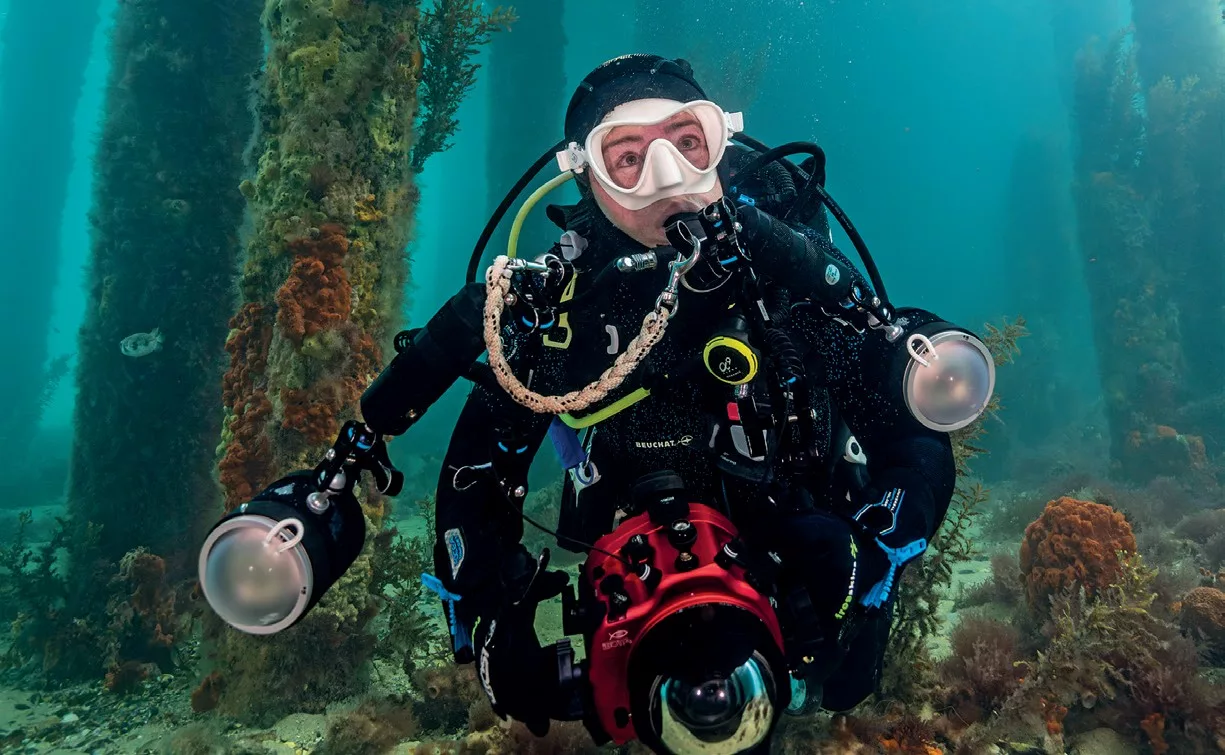
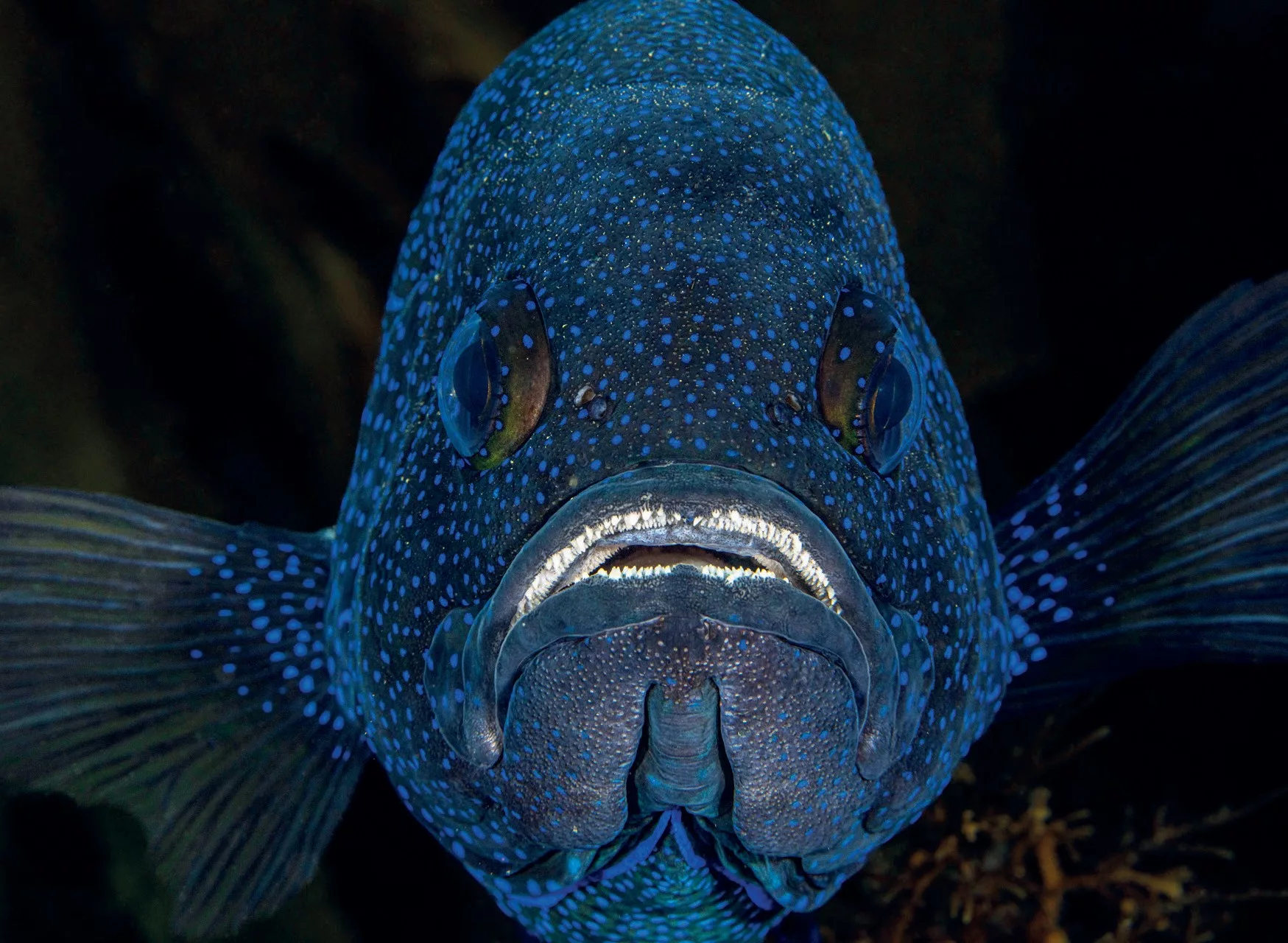
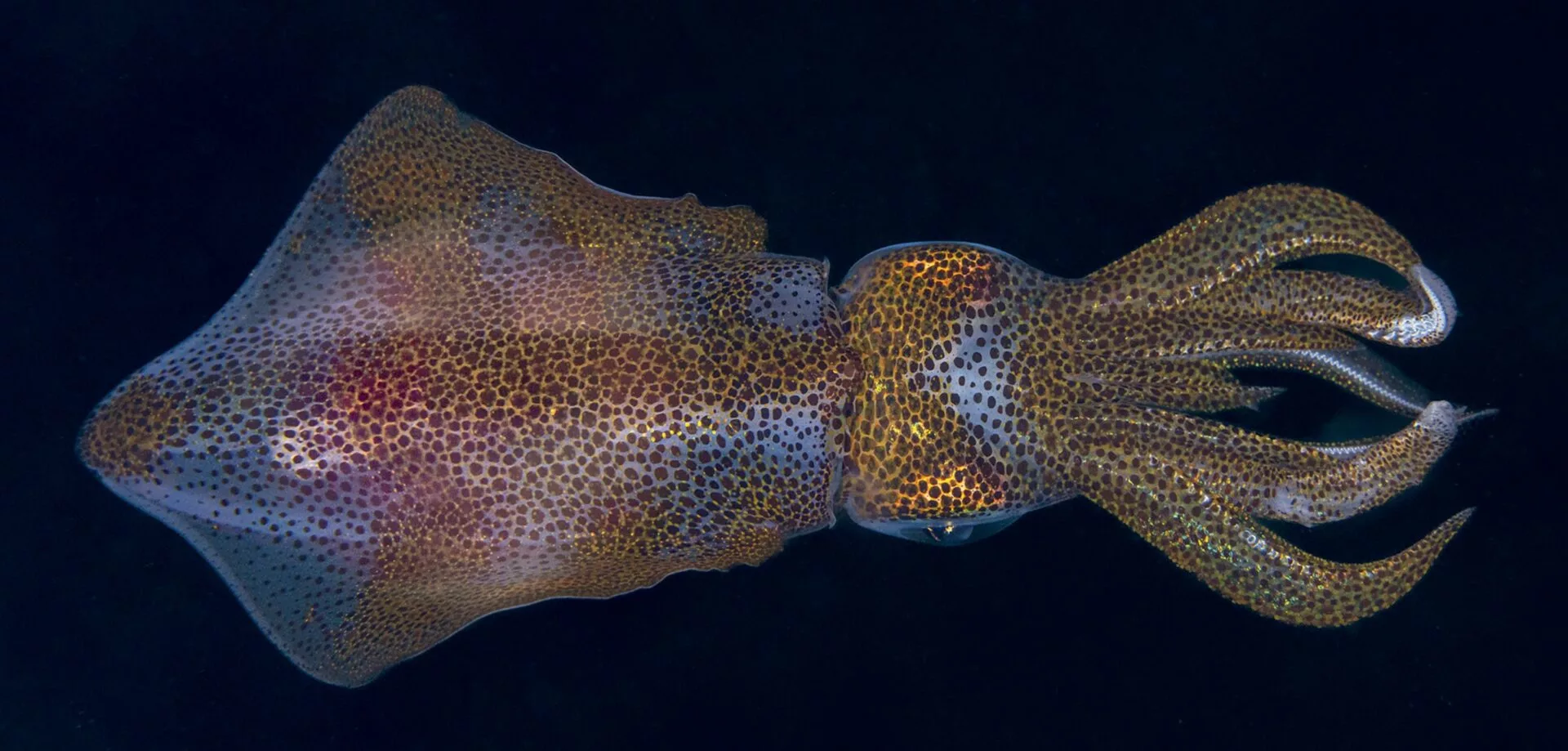
After graduating and having her son, Marcia worked across several conservation projects, moving throughout Brazil. In 2008, she migrated to Australia and settled in Melbourne. Work took Marcia far from the ocean to and charismatic species. Also due to the round shape of the bay, we can get a dive anywhere almost under any conditions.’ Her favourite local site is Cottage by the Sea in Queenscliff: ‘It’s moody and requires the right combination of tide and wind, which only adds to its charm. The site features beautiful ledges covered in sponges and gorgonian corals, regular encounters with cuttlefish and blue devils, passing rays.’
2025 OPY & Underwater winner
In addition to adventures in Fiji and Thailand, Marcia has also enjoyed diving with the seals at Narooma NSW, Mildura. Ironically, Marcia completed her scuba training in here in 2011. ‘I discovered a local dive club called the Desert Divers. It was my way of staying connected to the sea, even while living far from it.’
Since 2021, Marcia’s been based on the Bellarine Peninsula, where the sea is again part of her everyday life. Photography has long been a creative outlet for her, from chasing auroras and experimenting with astrophotography to making images of flora and fauna.
‘My photographic journey began on land. Work took me to remote locations, and I started carrying a camera everywhere. I also documented my son growing up. For a long time, I believed underwater photography was out of reach. Too expensive, too technically demanding, and too difficult to balance with work and life commitments. But after I dived with a camera for the first time, I could count on one hand the number of dives I’ve done without one.’
Marcia’s particularly drawn to animal behaviour, largely because of its storytelling power: ‘Witnessing something unique, even from a commonly seen species, feels special. I believe that sense of discovery resonates with audiences and competition judges alike.’
© Russell Charters
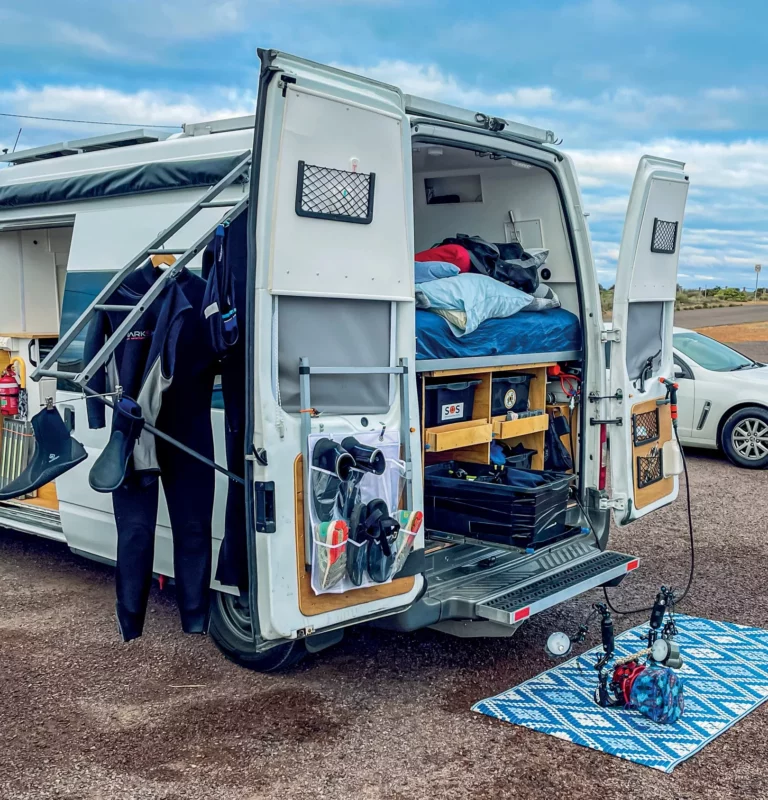
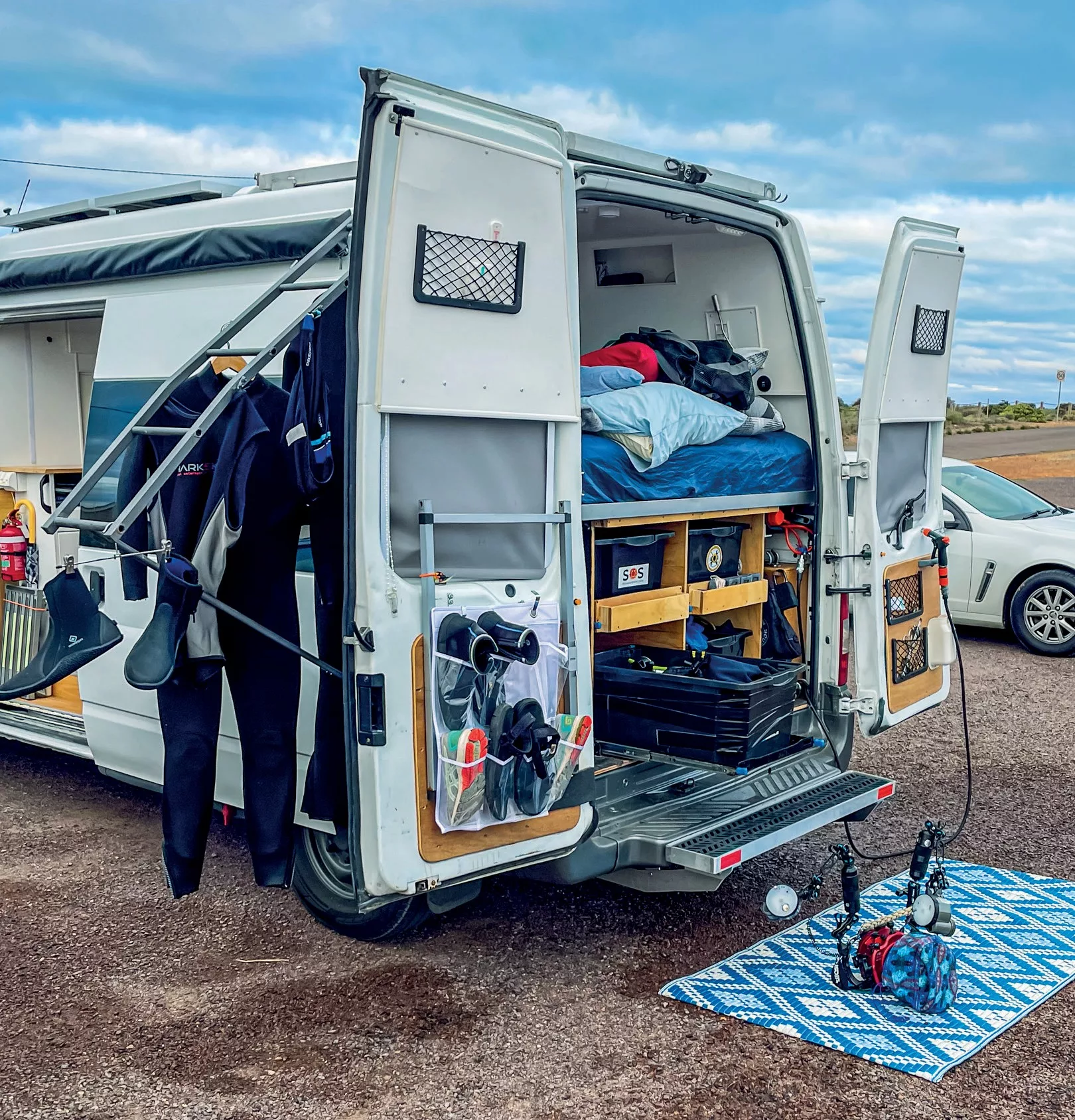
Marcia and her partner Russell (also a gifted photographer) are passionate about their local diving. They delight in shallow shore dives, often no deeper than 5m. They’ve constructed an epic ‘dive van’ to accommodate their scuba tanks, wet gear and photography equipment. It’s fully self-contained so they can free-camp when travelling.
‘The van has completely changed how I dive. It allows me to cross the bay and stay for several days. It makes night dives far more practical. It gives us freedom to prepare food, change comfortably and keep all our gear organised wherever we go.’
Marcia believes the diving in Port Phillip bay is highly underrated: ‘It took me a long time to discover it.’ Each of the dive sites, mostly piers, has its own characteristics cuttlefish in Whyalla South Australia and photographing pygmy pipefish in Kamay Botony Bay National Park.
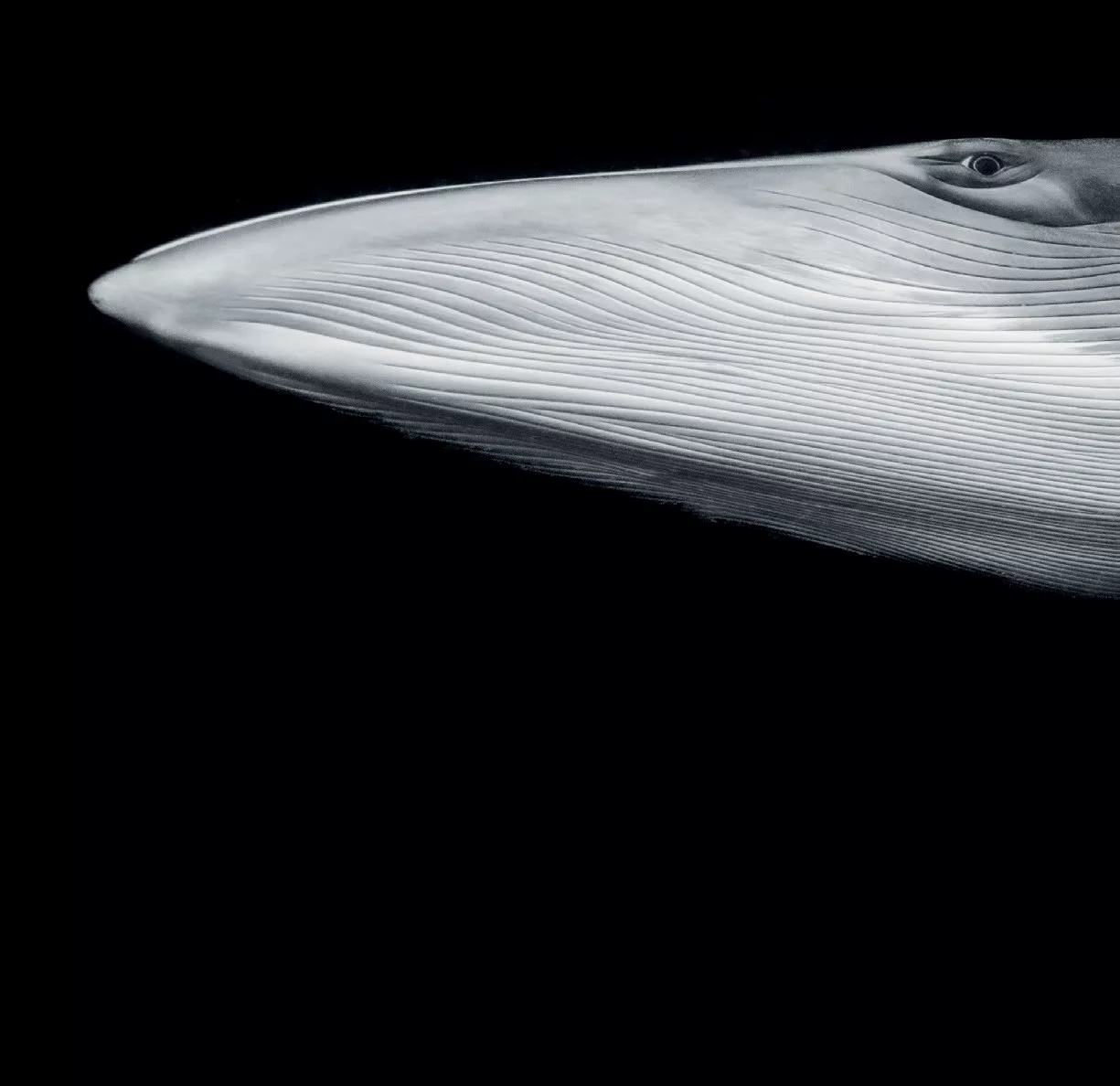
While naming Lady Elliot Island ‘an absolute favourite’ destination, it’s her images of minke whales that have garnered Marcia global underwater acclaim.
‘My first in-water encounter with a whale was a minke, about ten years ago on a day dive from Cairns. The encounter was brief. The image I captured on a hired camera was very blurry, but unforgettable.’
In 2023, Marcia joined a multi-day liveaboard, focused on minke whales.
‘The experience was extraordinary. Ocean conditions were ideal. We spent hours in the water with up to eight whales circling, approaching and interacting just metres away. Photography wasn’t my priority. I was there purely for the experience.’ She was so deeply affected that she booked again the following year, with encounters just as powerful. She’s booked in again for mid-2026.
‘As cliché as it sounds, the feeling of such a large, intelligent animal choosing to spend time with us is longer and considered re-entering the water priceless. There’s no chasing involved. We hold onto a mermaid line at the back of the boat, giving the whales complete control of the interaction.’
Marcia also recalls one particularly vivid memory during the spider crab aggregation, when a large sevengill shark unexpectedly appeared.
‘The encounter was calm and beautiful, but so unexpected that my buddy and I ended the dive shortly after. Minutes later, I regretted not staying longer and considered re-entering the water. But delayed adrenaline hit, and I became so nervous I nearly let my camera drift away.’
Megafauna remains high on Marcia’s Bucket List: ‘Swimming with orcas is high on my list, as is diving in Antarctica. Both are logistically complex and expensive, so I’m not sure when or if they’ll happen, but the dream remains.’
For many years, Marcia worked for the Victorian Government, assessing threats to native flora and fauna species and developing conservation policies in partnership with stakeholders. She’s recently stepped away from that work and is ‘now standing at the threshold of an unknown but exciting next chapter.’
‘My background in ecology and conservation strongly influences my photography. I aim to showcase the beauty of the underwater world while encouraging reflection and change. That could be viewers reconsidering their daily habits, or understanding how individual actions contribute to broader environmental impacts.’
On a local level, Marcia laments the amount of rubbish beneath piers, particularly fishing debris, as ‘heartbreaking’: ‘I remove what I can on every dive, yet it never seems to decrease.’
On a broader scale, she believes ‘the core issue is humanity’s belief that we are more important than all other species. Immediate human wants consistently outweigh the survival of ecosystems. Even from a purely self-interested perspective, it’s illogical.’
‘I find it very scary to think that some species are disappearing, and many of them we don’t even know yet. There’s no future for humans on a sick planet.’
You can explore more of Marcia’s photographic work on Instagram and marciariederer.com
FAQ
Where did Marcia Riederer's passion for the ocean begin?
Marcia's passion for the ocean began during her childhood on the island of Florianopolis in Brazil, surrounded by over 100 beaches.
What accolade did Marcia receive in 2025?
Marcia was the winner of the Ocean Photographer of the Year in the Fine Art and Canon Special Award categories in 2025.
What defines Marcia's approach to underwater photography?
Marcia's approach is heavily influenced by her background in ecology and conservation, as she aims to showcase the beauty of the underwater world while encouraging environmental reflection and change.
What is Marcia Riederer's "dive van" used for?
Marcia's dive van allows her to transport scuba tanks, wet gear, and photography equipment, enabling her to stay over several days and conduct more practical night dives at various locations.
What is on Marcia's Bucket List?
Swimming with orcas and diving in Antarctica are on Marcia's Bucket List, despite being logistically complex and expensive.
Gallery
This article was originally published in Scuba Diver Magazine
Subscribe today with promo code DIVE1 — enjoy 12 months for just £1!
