The diving itself is also relatively straightforward to access. Many of the sites around Honiara are reached within a short boat journey, and in some cases directly from the shoreline. Travel time is minimal, which means more time in the water.
For Australians, it can feel as though the diving world is already on your doorstep. The Great Barrier Reef, Ningaloo, the Neptune Islands – it’s just the start of an enviable list of amazing sites in your own country, which mean you might not have to travel far to experience world-class diving. Which is exactly why it tends to take something genuinely different to draw attention elsewhere.
The Solomon Islands fit that description. And they do so without making a great deal of noise about it. Because while they carry a reputation for being remote, the reality is more straightforward – from Brisbane, it’s around a three-hour flight to Honiara, which is considerably less time than it takes to reach large parts of your own state.
That contrast between perception and reality is one of the more-interesting aspects of travelling here.
One of the more-persistent assumptions is that the Solomon Islands are difficult to access. In practice, the journey is relatively uncomplicated. Direct flights from Brisbane mean departing in the morning and arriving at a civilised time in the afternoon. There’s no need for overnight travel or multiple connections.
Arrival is generally smooth. Immigration is uncomplicated, transfers are very short, and within a relatively brief window you’re at your accommodation or dive base. There’s time to organise equipment, check kit, and settle in. The following morning – you’re in the water.
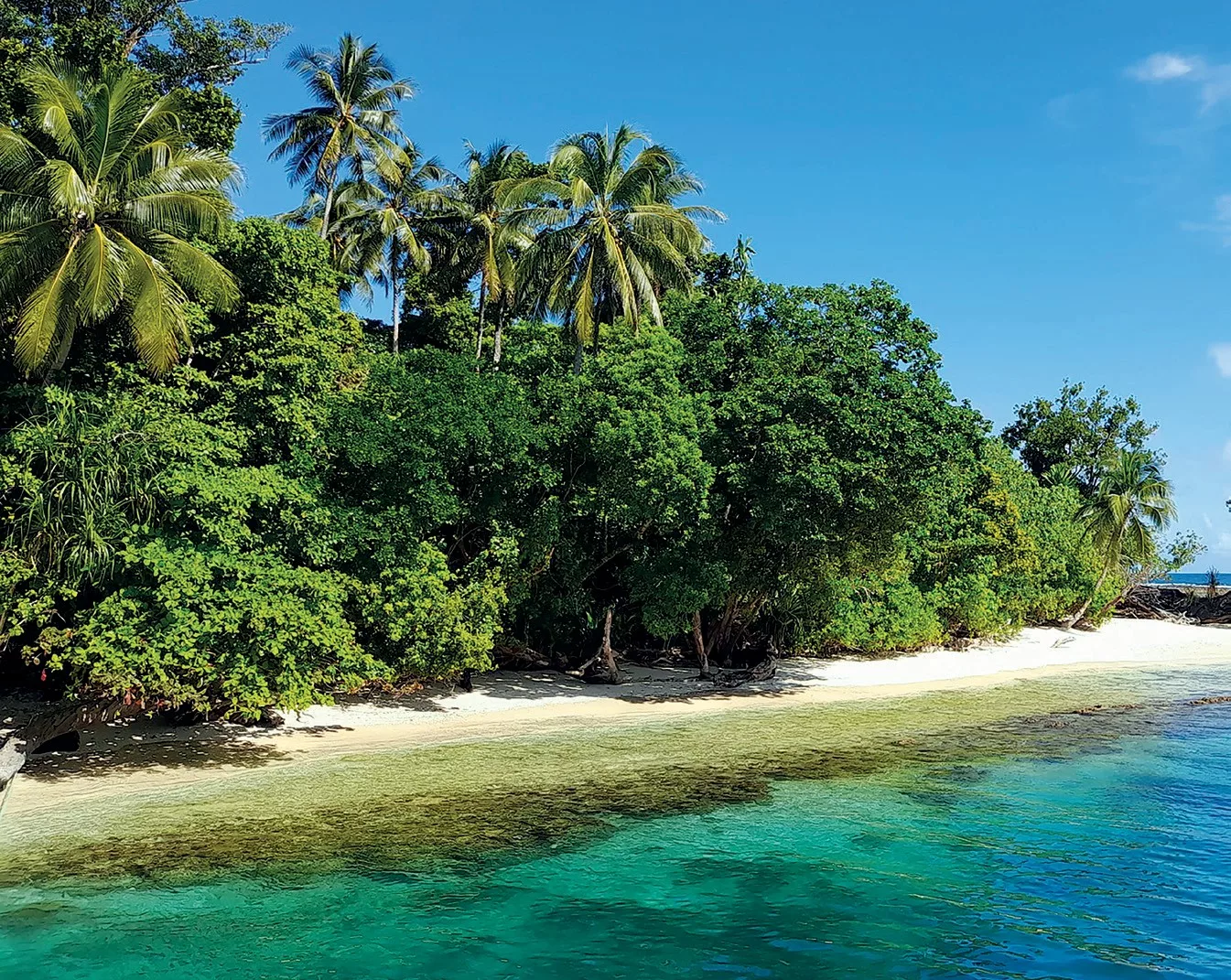
That ease of access changes how the destination is perceived. Rather than being reserved for longer, more-complex trips, it also becomes a realistic option for a shorter break – one that can be planned without committing significant time to travel.
Once in the water, the differences become more apparent. Sea temperatures remain consistently between 29-31°C throughout the year. For Australian divers used to seasonal variation – and even when compared with other Pacific destinations such as Fiji – that consistency is noticeable. It allows for lighter equipment, longer dives and a more-comfortable overall experience.
Direct flights from Brisbane put the Solomon Islands, once regarded as a remote, off-the-beaten-track destination, within reach in a matter of hours – we explain why Australian divers should seriously consider this island nation for a future adventure
As with travel anywhere, a degree of awareness is sensible, but for divers travelling with a clear itinerary, the experience tends to be straightforward and comfortable. It is not uncommon to hear that the destination feels easier and more accessible than expected.
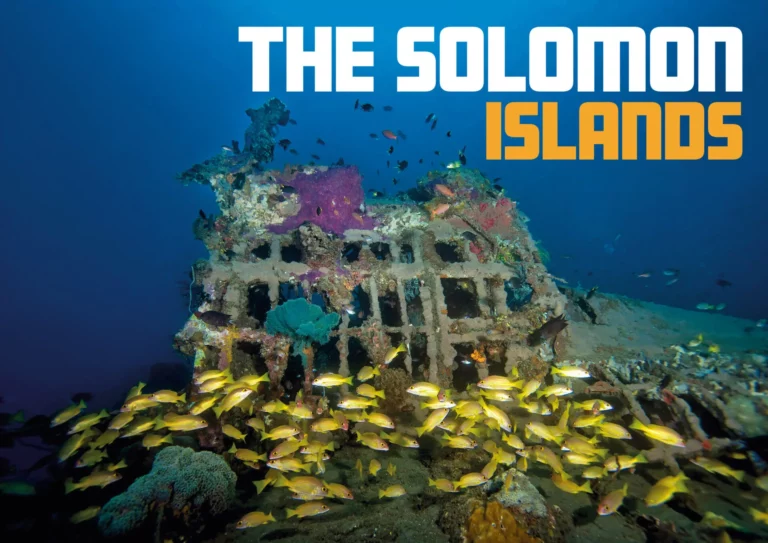
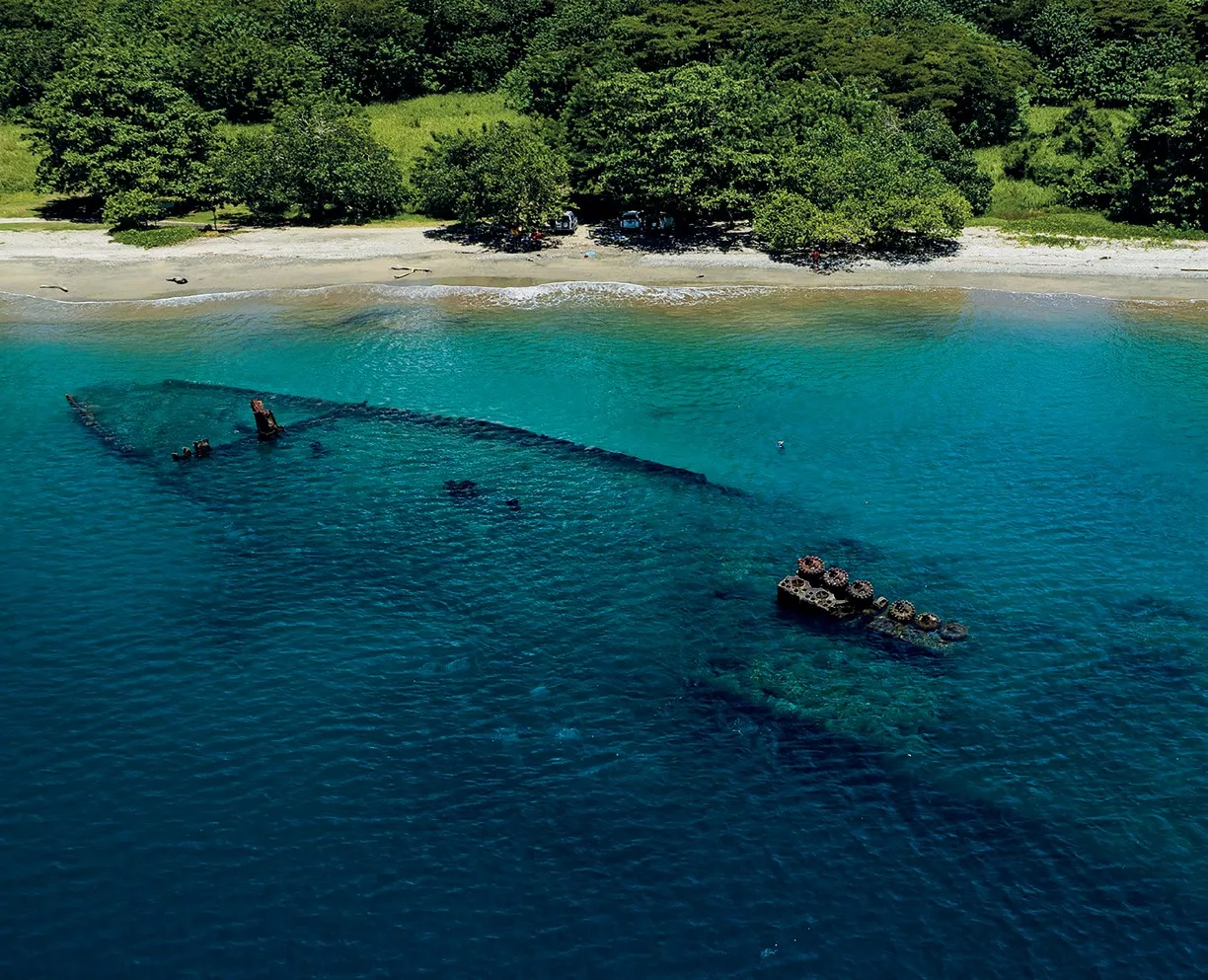
Cost is another area where perception and reality don’t always align. Flight prices can vary, and some options appear high at first glance. However, with forward planning, competitive fares are often available from Australia. When combined with the short travel time and efficient dive logistics, the overall value becomes more apparent. Less time spent travelling tends to translate into more time diving, and it is the diving itself that ultimately defines the Solomon Islands. While the reefs are healthy and marine life is abundant (this is the Coral Triangle, after all), it is the historical dimension that sets this destination apart. The waters around Guadalcanal were the site of intense naval and aerial conflict during World War Two. The scale of losses was such that the area became known as Iron Bottom Sound.
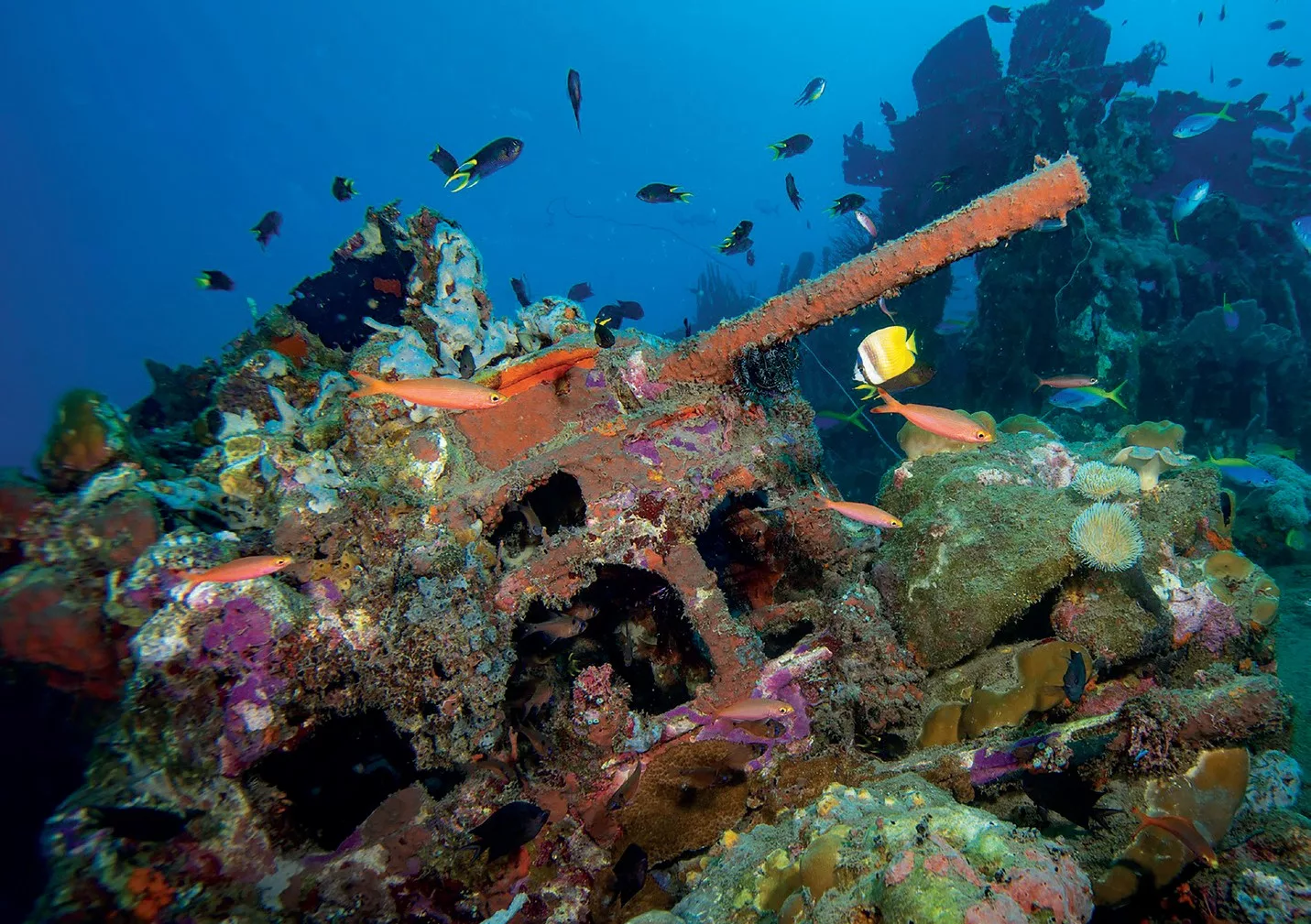
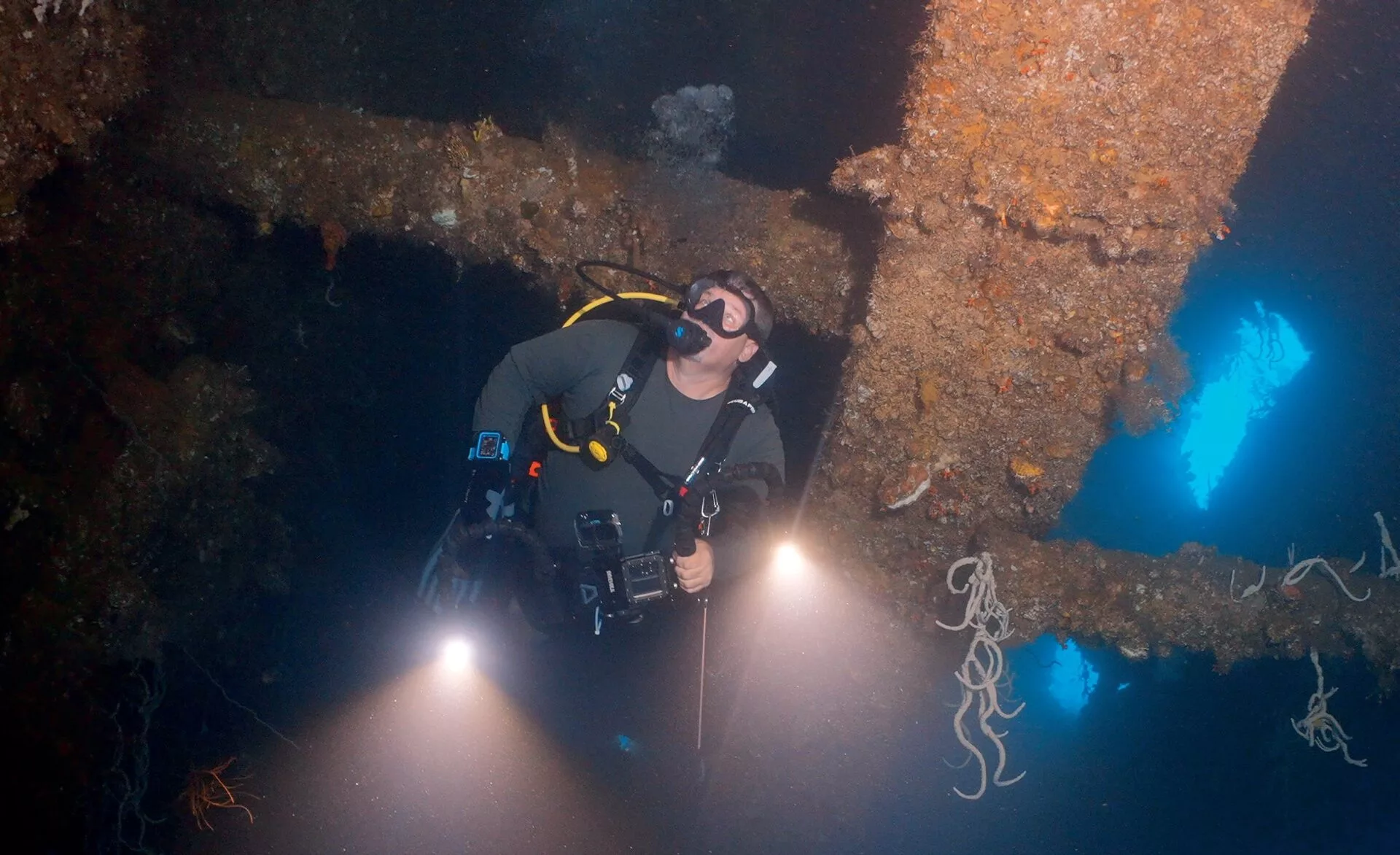
Those remnants remain in place today. Not preserved behind barriers or removed from their setting, but lying where they came to rest, accessible to divers within recreational depth limits. Diving these sites carries a different kind of presence. Ships remain upright, their structures intact though softened by coral growth. Aircraft lie on the seabed with recognisable outlines, their details still visible. An example of this is the B-17E Flying Fortress, known as ‘Bessie the Jap Basher’. So well preserved is she that the maker’s name – Goodyear – is still clearly readable on her tyres. It is not simply a visual experience, though, but a contextual one.
Conditions are typically calm, with good visibility and manageable currents. It’s an environment that accommodates a broad range of experience levels. For those learning to dive, or looking to build confidence, the conditions are forgiving. There is space, time and a pace that allows for development without pressure.
For more-experienced divers, the appeal lies in being able to develop your skills in a different environment while taking in the incredible sights on offer – doing so without crowds so you can to take a more-considered approach to each site. Perhaps the most-noticeable aspect, though, is the atmosphere. This is not a high-volume tourism destination. There are no lines of boats waiting on moorings, no sense of moving through a schedule dictated by demand.
Instead, there is a slower, more-measured pace. Diving here tends to feel experiential rather than routine. For Australians familiar with the busier parts of Southeast Asia, that contrast is clear. The overall tone is quieter, less commercial, and more relaxed than many of the region’s more-established resort destinations.
It is, in many ways, a more-understated experience. And despite some occasional external perceptions of the country being shaped by media headlines, the reality on arrival is generally reassuring. Honiara and its surrounding areas are accustomed to international visitors. English is widely spoken, and dive operations are established and professionally run.
Famous 5 Solomons Sites to Explore
B-17 Flying Fortress (Bessie the Jap Basher) – Few dive experiences compare to descending onto a World War Two bomber. Resting in relatively shallow water, this American B-17 is remarkably recognisable, with wings, fuselage and features still clearly visible. It’s an evocative dive that connects you directly to history.
Hirokawa Maru – Also known as Bonegi 1, it was a 6,860-ton Japanese vessel that beached during the Battle of Guadalcanal and subsequently sank after being subjected to heavy bombing by the US Air Force. The wreck has become a reef hosting diverse corals, fish, and other marine organisms.
Kyushu Maru – A Japanese transport ship that lies in Iron Bottom Sound, a stretch of water named for the numerous ships and aircraft sunk there. The wreck is encrusted with corals and sponges, attracting a diverse array of marine life, including schools of snapper, fusiliers, trevally, lionfish, nudibranchs, and anemonefish.
That combination of accessibility and historical significance is what gives the Solomon Islands much of their appeal. You do not need specialist training or complex planning to experience it
Twin Tunnels – This large seamount features two tunnels that drop vertically and exit into a cave. Swimming out of the cave to the sheer wall, you’ll encounter schools of fusiliers and grey reef sharks cruising by.
Tanavula Point – A gently sloping reef offering encounters with pelagics like eagle rays, dogtooth tuna, and occasional sharks, making it suitable for both novice and advanced divers.
The Solomon Islands, particularly around Ironbottom Sound and Guadalcanal, offer world-class diving with numerous World War Two ship and aircraft wrecks. Key sites include the Bonegi freighters, Toa Maru, and various planes like the B17 Flying Fortress.
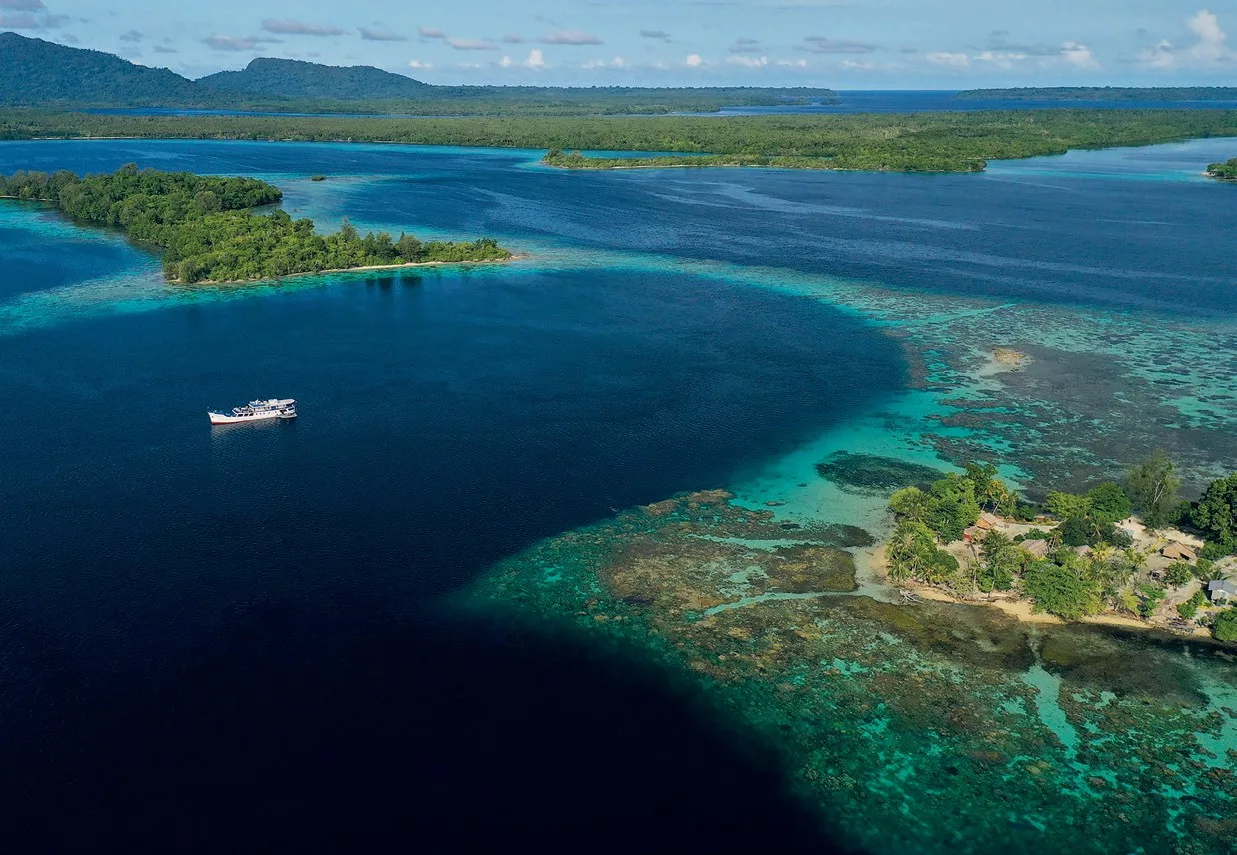
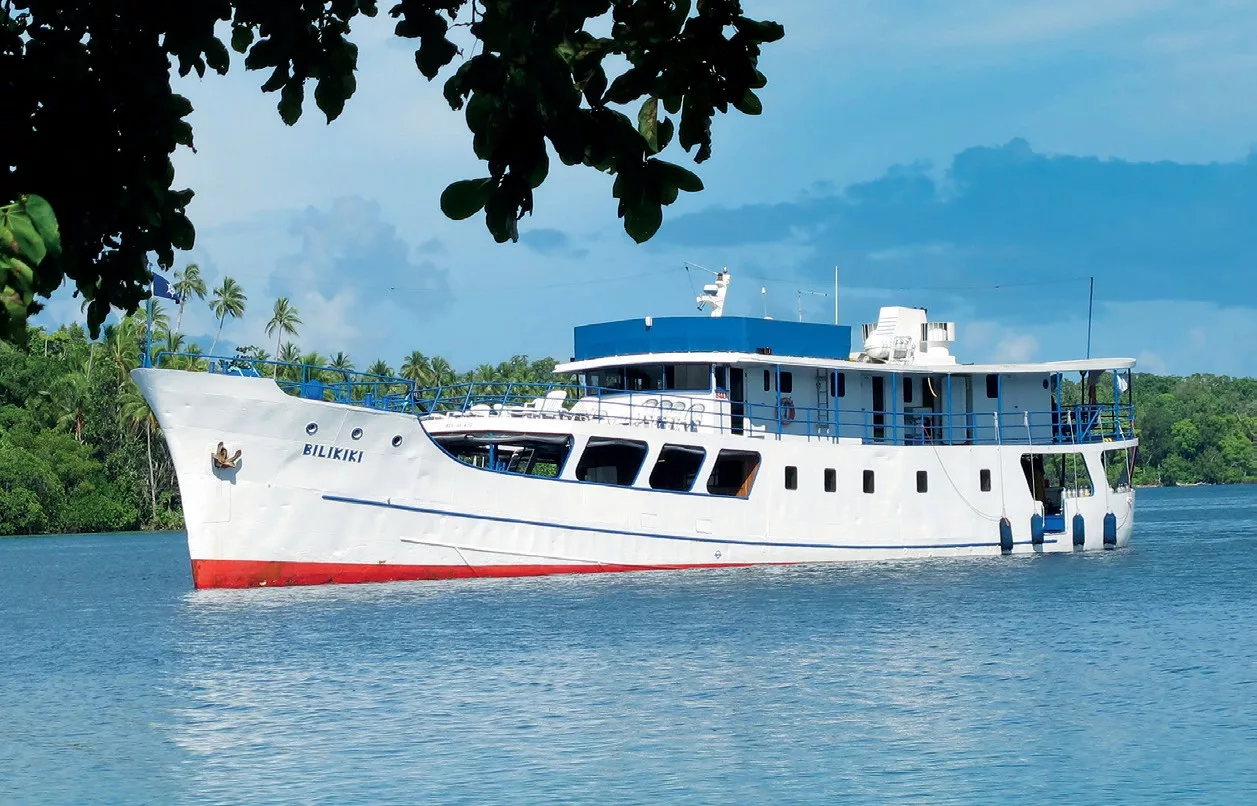
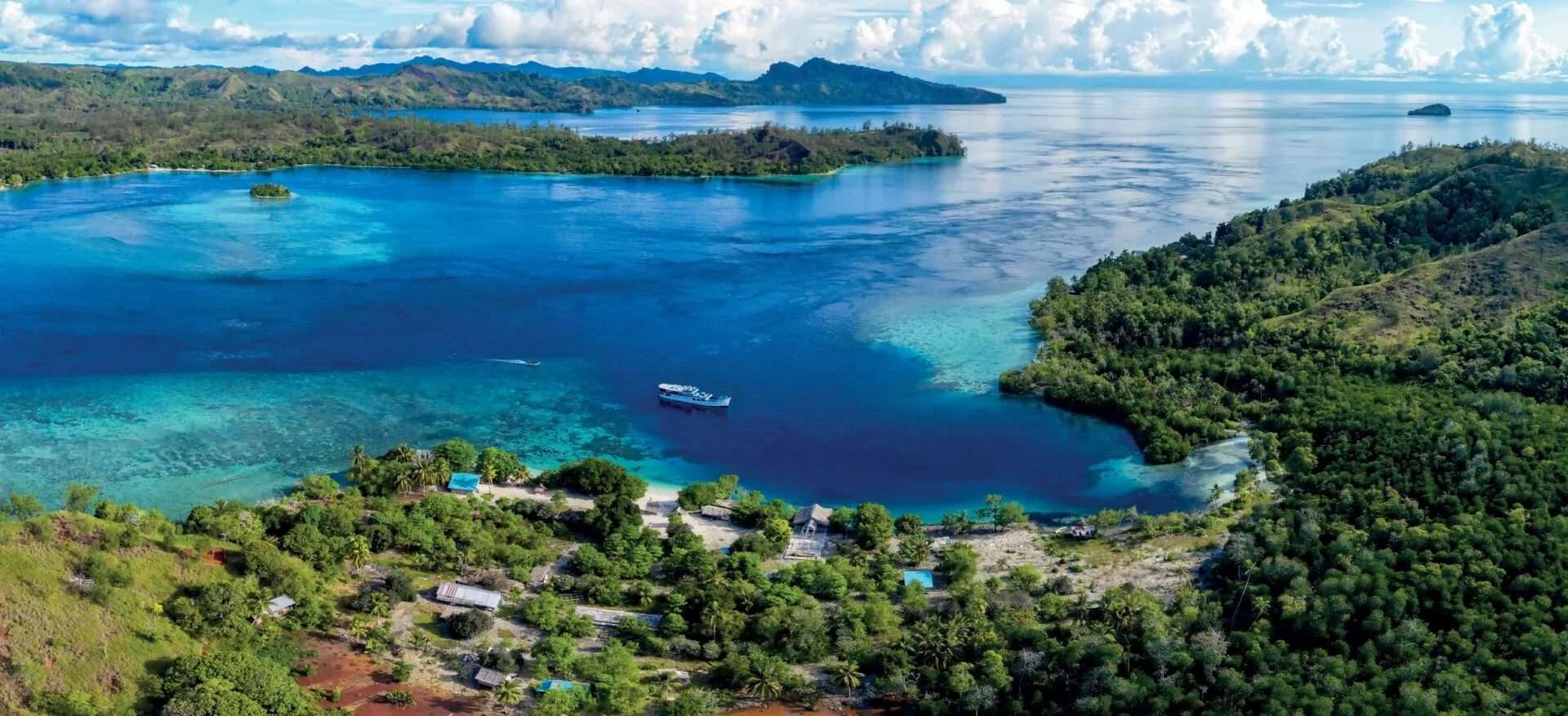
Bilikiki liveaboard Anemonefish in Maravaghi Bay Emperor Divers Solitude is one of the real draws of diving in the Solomon Islands. With relatively few operators in the region, there are correspondingly few boats – and that often means having dive sites largely to yourself. Emperor Divers are one of the few to offer liveaboard experiences, with Bilikiki having explored these waters for decades. In 2025, they expanded their presence with the opening of Emperor Divers Honiara, a land-based centre offering day diving from the capital, meaning their extensive local knowledge is also accessible to divers who may not have the time for longer liveaboard itineraries.
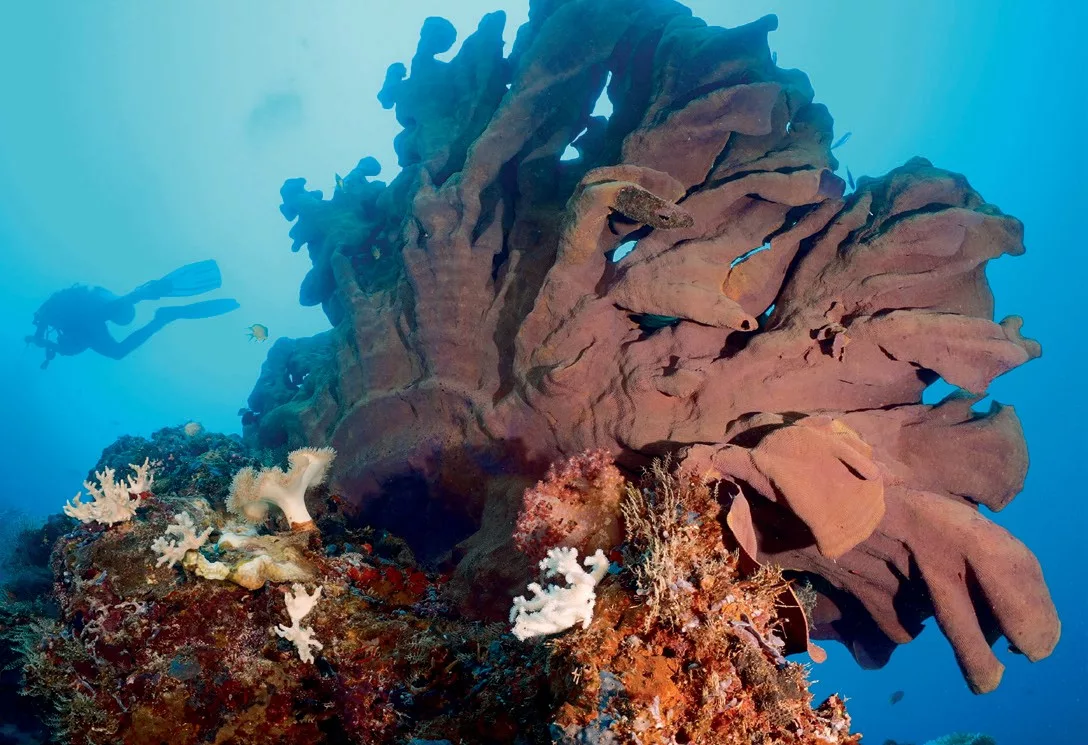
Overseeing operations is Solomon Islands General Manager Dave Pearce, who has built up a deep understanding of the waters around Guadalcanal and beyond. Originally from Adelaide, he moved to the Solomons more than a decade ago to work with Solomon Airlines, before deciding after Covid to turn a long-standing passion for diving into a full-time career. He has no doubt what makes the country so special. “Diversity,” he says. “It has some of the most-amazing beaches on the planet, the most-amazing corals, fish life, reef life, and fauna from macro to megafauna, pelagics – and anything else you can think of.
“Plus there is the history, from the headhunters, kastom (the traditional knowledge, culture, and beliefs passed down through generations) and cultural dances; World War Two shipwrecks, and walking on the ground of some of the most-brutal battlefields of the conflict.
Emperor Divers Honiara’s guides are able to offer a wide range of diving to suit all levels. Whether you are a recreational diver looking to explore, a lapsed diver looking to refresh, a complete novice wanting to experience diving for the first time, or a veteran of the underwater world looking for your next adventure, their experienced team can provide the help you need. Those looking for a longer stay can get the full Solomon Islands experience by taking a liveaboard trip on Emperor Bilikiki. Differing lengths of trip are available with plenty of chance to explore this incredible country, its culture and its marine life.
Did You Know?
The Solomon Islands, particularly around Ironbottom Sound and Guadalcanal, offer world-class diving with numerous World War Two ship and aircraft wrecks. Key sites include the Bonegi freighters, Toa Maru, and various planes like the B17 Flying Fortress.
The history, and loss, remains tangible. There is a sense of immediacy to diving from Honiara – an understanding that these are not reconstructions or replicas, but original artefacts in their original environment. It encourages a slower approach, a closer look, and a degree of reflection.
That combination of accessibility and historical significance is what gives the Solomon Islands much of their appeal. You do not need specialist training or complex planning to experience it. The logistics are simple, the sites are within reach, and the experience is direct. And for many divers, that is what leaves the strongest impression.
For Australians in particular, the Solomon Islands are not a replacement for what exists closer to home. They offer something different. A destination that feels removed from the familiar, yet is reached with relative ease. Warm water, accessible diving, and a landscape shaped as much by history as by marine life. All within a few hours of departure.
And perhaps that balance – between simplicity and difference – is what makes it increasingly difficult to overlook.
FAQ
How can Australians reach the Solomon Islands for diving?
Direct flights from Brisbane make the Solomon Islands easily accessible within about three hours.
What makes the Solomon Islands a unique diving destination?
The Solomon Islands offer a combination of historical World War Two wrecks and abundant marine life within the Coral Triangle.
Are there facilities for diverse diving experiences in the Solomon Islands?
Yes, the Solomon Islands offer liveaboard and day diving experiences, accommodating all levels of divers with a variety of dive sites.
Gallery
many wrecks on offer in
the Solomon Islands
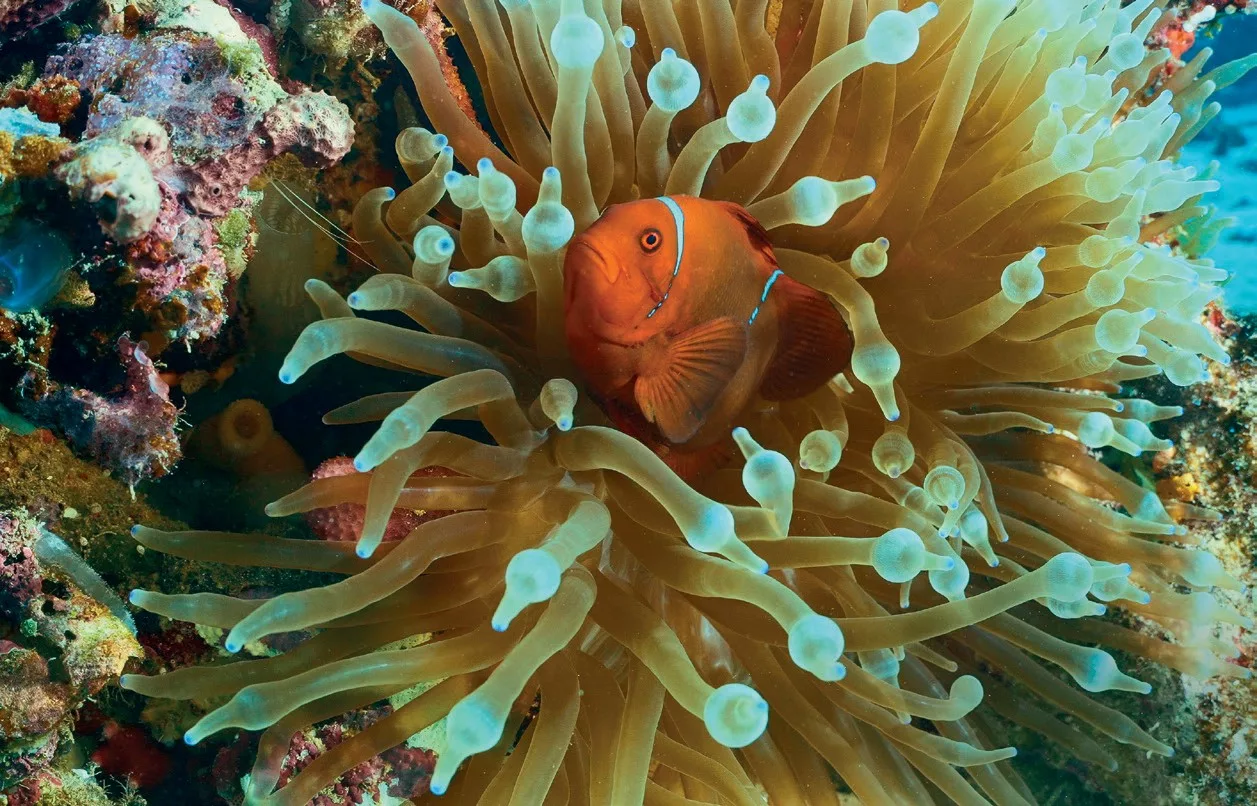
Anemonefish in Maravaghi Bay
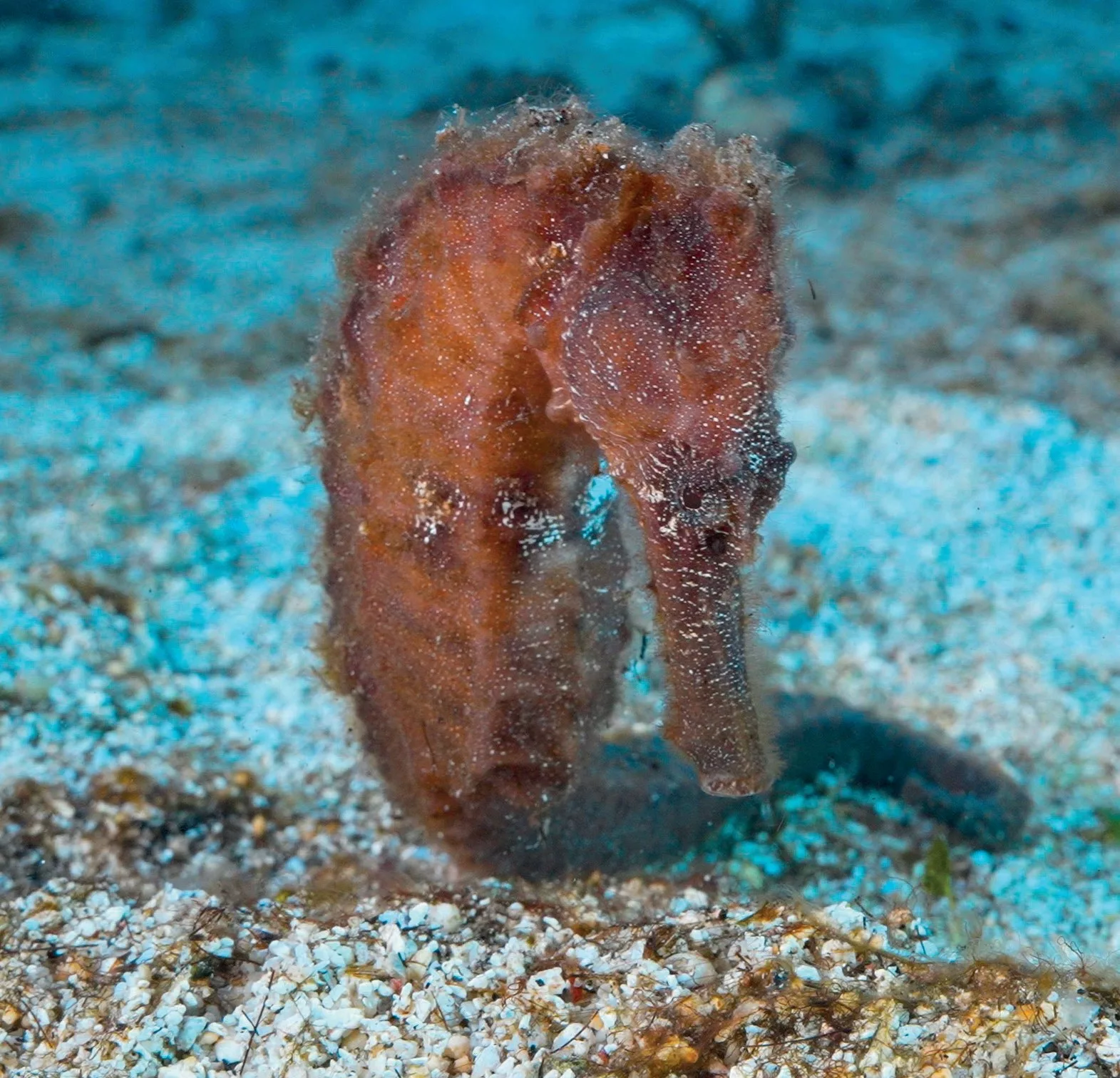
equally stunning
Maravaghi Bay
This article was originally published in Scuba Diver Magazine
Subscribe today with promo code DIVE1 — enjoy 12 months for just £1!
