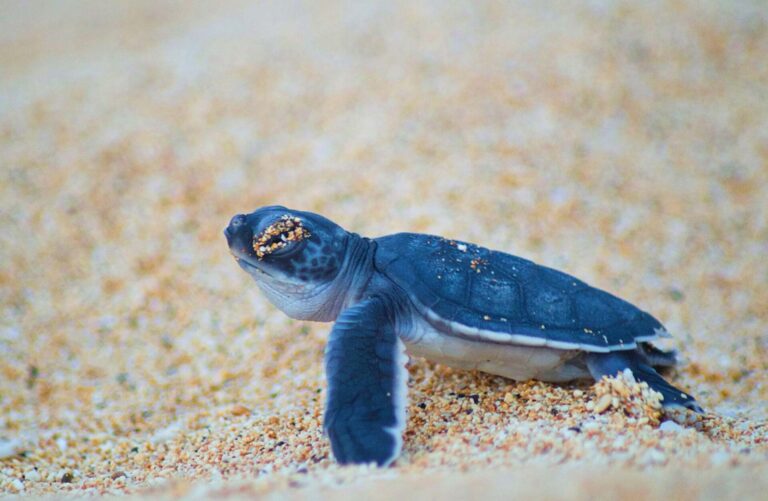
The threat level for green sea turtles (Chelonia mydas) has been dramatically downgraded on the internationally recognised IUCN Red List. The move represents a milestone in marine conservation that reflects decades of concerted effort, not least by volunteers including divers, and offering hope for an iconic ocean species.
The green turtle had long been globally listed as Endangered, but in the IUCN’s latest assessment it has been moved to the Least Concern category, signalling that it is no longer considered at high risk of extinction across its entire range. The downgrading effectively skipped two categories, Vulnerable and Near Threatened.
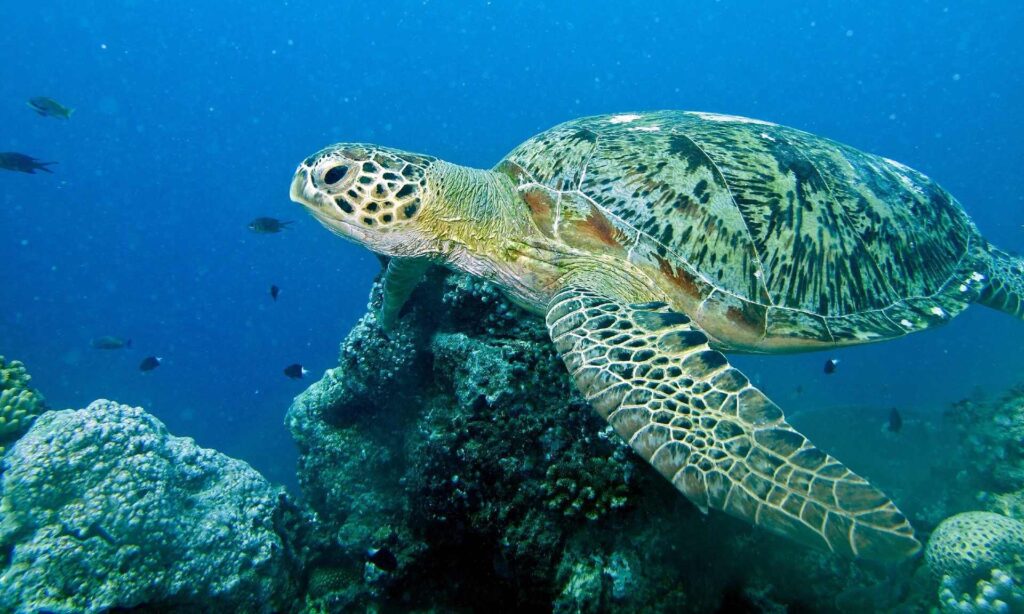
The shift was driven by new data indicating that global green turtle numbers have increased by some 28% since the 1970s. If not a declaration of “mission accomplished”, it is recognition that conservation efforts have started to tip the balance in favour of recovery.
Though many local populations remain under pressure, and the species remains far below its historical abundance, conservationists will draw encouragement from the decision for the recovery of other marine species.
Beach patrols
A key strategy that helped to steer the species back from the brink was protection of nesting beaches. In many regions, local communities now patrol to prevent eggs and adult females being poached or disturbed.
Access controls, nocturnal lighting restrictions and enforced buffer zones have also improved nesting success, as seen in locations such as Brazil, Mexico, Hawaii and Ascension Island.
Eggs are sometimes relocated to safer hatcheries, with emerging hatchlings released under guard to reduce predation. Such measures carry risks, but when conducted well can boost recruitment where natural success would be extremely low.
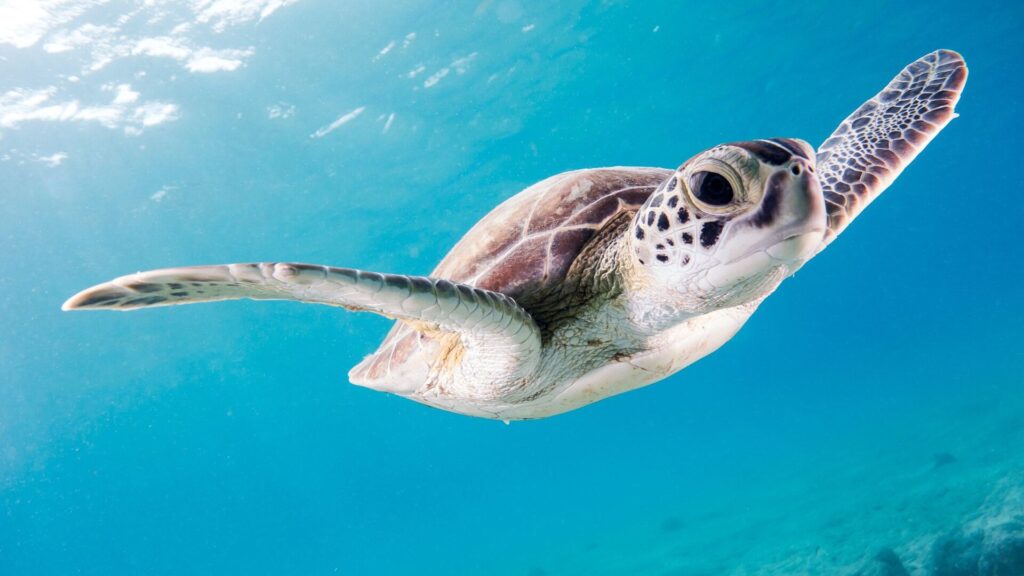
One of the greatest threats to green turtles is that of accidental capture in nets, longlines and ghost-fishing gear. The adoption of turtle excluder devices (TEDs) in trawl-nets, along with changes in hook types and gear modifications, are said to have reduced mortality in key fishing nations, while divers have played their part in recovering or deactivating ghost-nets to help reduce entanglement risks.
Under CITES Appendix I, commercial trade in live turtles, egg or products is restricted. Many turtle-producing nations have also now enacted their own legal protections, including bans or strict regulation on egg collection, hunting and habitat destruction.
Protecting and restoring seagrass meadows, coral reefs and coastal zones that form turtles’ feeding, migration and nesting habitats has been another critical factor. Efforts to reduce pollution, maintain water quality and regulate coastal development have helped to mitigate habitat loss.
Remaining threats
Other factors such as plastics ingestion and climate change remain a threat to turtles. Warming sand shifts sex ratios (female hatchlings dominate at hotter nest temperatures), sea-level rise can inundate nesting beaches and increased storm frequency can wash out nests.
Some green turtle subpopulations remain in peril even though the global trend is positive. The IUCN’s Marine Turtle Specialist Group (MTSG) co-ordinates data collection from nesting sites, satellite-tagging, genetic studies and regional monitoring programmes, and these long-term datasets have supplied the evidence needed to justify downgrading the species’ threat level.
The group evaluates regional management units or sub-populations and recognises that recovery is uneven across the species’ range.
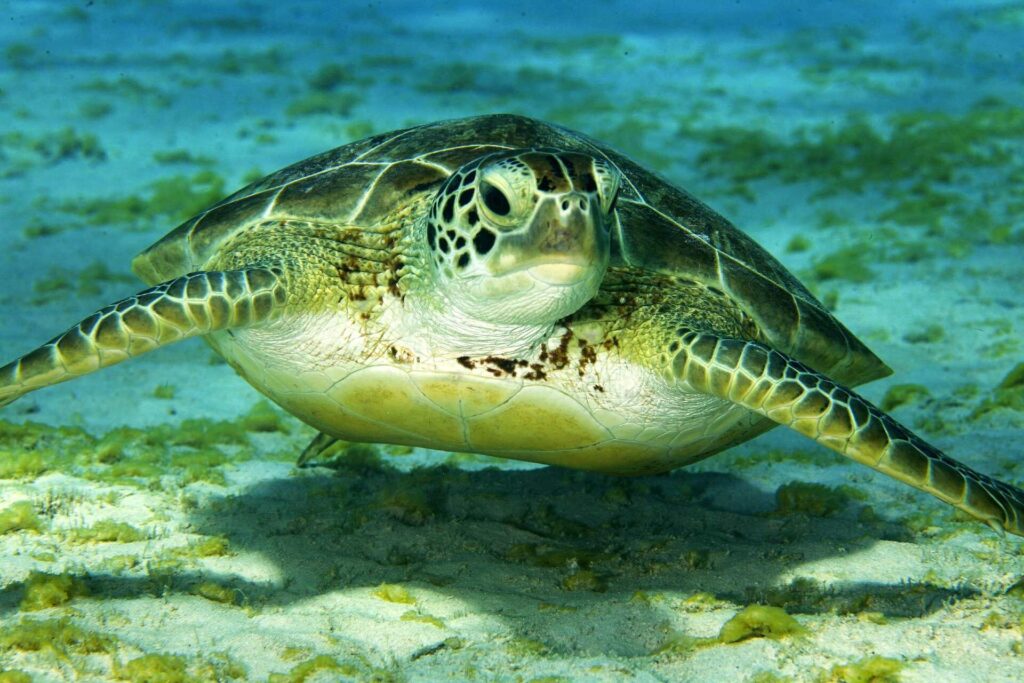
While the South Atlantic and Hawaiian (Central Pacific) sub-populations have been assessed as Least Concern under the new regime, others still classified as Vulnerable include the East Pacific and North Indian Ocean groups, where in some parts illegal or poorly regulated fisheries, minimal enforcement or political instability limit conservation gains.
In the Mediterranean, green turtles face particular challenges because of small nesting populations, habitat fragmentation and heavy coastal tourism.
Other turtles
Other turtle species still face similar challenges. Though often encountered by divers hawksbill turtles remain Critically Endangered on the IUCN Red List, as do Kemp’s Ridley turtles.
Loggerheads and leatherbacks are classified as Vulnerable globally, with some sub-populations Endangered or, in the case of leatherbacks, also Critically Endangered. Olive Ridley turtles are rated Vulnerable globally.