Within a week of a fatal incident involving a tourist and a shark in the Red Sea resort of Marsa Alam on 29 December, the scientific committee of Egypt’s National Institute of Oceanography & Fisheries (NIOF) had issued its “final report” on the matter.
The victims had been two Italian tourists: Gianluca Di Gioia, 48, had died while 69-year-old Peppino Fappani who tried to help him had sustained bites on his arms and legs but was not seriously injured. The men had entered the sea near the Safaya Resort jetty but outside the designated swimming area, and the incident was reported on Divernet.
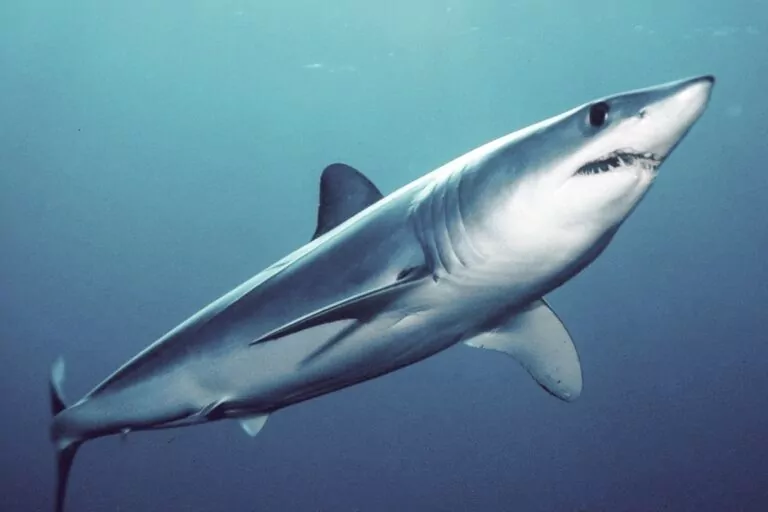
The shark responsible is now said to have been a mako, two species of which, the shortfin (Isurus oxyrinchus) and longfin (Isurus paucus), are found in the Red Sea but rarely near beaches. Both are globally threatened with extinction.
The NIOF report declares that the incident, though rare, was “not unexpected” considering the presence of naturally predatory sharks especially in shallow coastal areas of the Red Sea, according to summaries in Egypt Independent.
The mako’s aggressive behaviour was attributed to overfishing by boats both in and outside Red Sea nature reserves, and its damaging effect on stocks of the prey on which sharks depend.
“There is strong evidence that this incident is not accidental, and even if this fishing is completely banned, shark attacks will continue to occur for many years, until the natural fish stocks are replaced,” states the report.
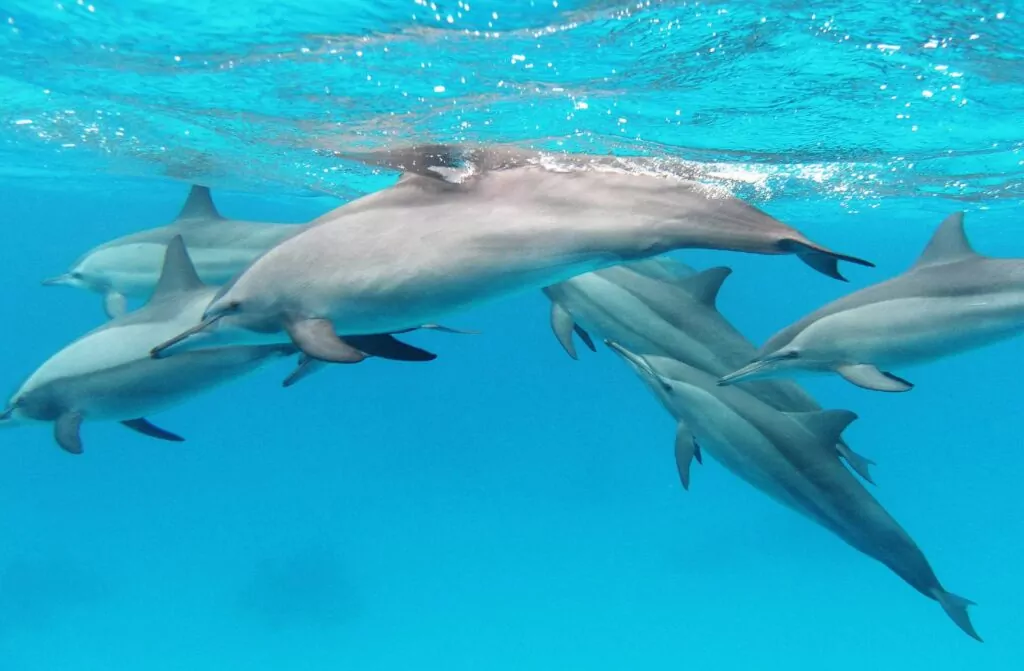
It also points to the danger of people being allowed to swim in prohibited areas, and suggests that in this case it was the presence of a pod of dolphins that had encouraged the shark to go on the hunt.
The fact that the victim had been attacked but that his body had not been consumed was said to be significant, likely reflecting that the shark was instinctively defending against what it saw as intrusion into its feeding territory.
It had attacked the men at least five times, implying that it was in a frenzy caused by lack of prey.
Recommendations
The report makes clear that further comprehensive research into shark behaviour needs to be produced in co-operation with government agencies and the tourism sector, and it contains a set of recommendations aimed at reducing further incidents and enhancing safety and security measures on tourist beaches.
These include the establishment of a scientific year-long shark-monitoring programme in coastal areas, using the latest in tracking techniques; shark-awareness workshops for tourist-project owners and boat captains; and scientific scholarships and postgraduate programmes to produce specialists in the behaviour of sharks and other “dangerous marine organisms”.
A committee to manage shark crises should be formed from representatives of the Red Sea Governorate, Environmental Affairs Agency, NIOF and security and health authorities; and maritime safety procedures should be enhanced, with trained rescue personnel present on hotel jetties, and advanced medical equipment and fast rescue boats readily available.
A plan should be developed to manage marine waste, regulate fishing and combat marine pollution to avoid altering shark behaviour and maintain the ecological balance. And the report backed up previous warnings against animal carcasses and organic waste being jettisoned from passing ships and attracting sharks to coastal areas.
What not to do
Water-users should avoid: swimming unaccompanied; venturing far from shore in deep, steep areas; entering the sea at sunrise, sunset or at night when sharks are foraging; wearing jewellery or shiny clothing; entering the water with open wounds; and feeding sharks.
The committee also recommends estimating stocks of shark species in co-operation with neighbouring countries in order to develop management plans and maintain an ecological balance.
A further suggestion is to separate the Red Sea fishing area from the Gulf of Suez and ban fishing-boats in all parts of the Red Sea from Ashrafi Reef to the Egypt/Sudan border in the south. They would instead be allowed to operate outside Egypt’s territorial waters, and the Great Fringing Reef would be declared a natural reserve.
Di Gioia’s death was the first reported in relation to sharks since that of a 24-year-old Russian snorkeller in Hurghada in June 2023 in an encounter thought to have involved a tiger shark. In 2022 two tourists had died in what were also thought to be tiger shark encounters off Hurghada.