Todd Thimios provides a useful dive guide to the underwater wonders of Ningaloo Reef on Western Australia‘s Coral Coast.
Diving the Wild Beauty of Ningaloo Reef
A couple of years ago, I was fortunate to fly into Exmouth and spend some time there while researching a book that I’ve written about the world’s best dives. It had been many years since my previous trip to Ningaloo and, honestly, I was expecting Exmouth to be a lot more populated by now.
While my social media feed now seems to be a stream of photos from young photographers working on whale shark boats, the township of Exmouth and its little southern neighbour, Coral Bay, are still just that little bit too remote for most folks to consider relocating there. The additional hindrance of limited seasonal accommodation also stems the flow of would-be residents.
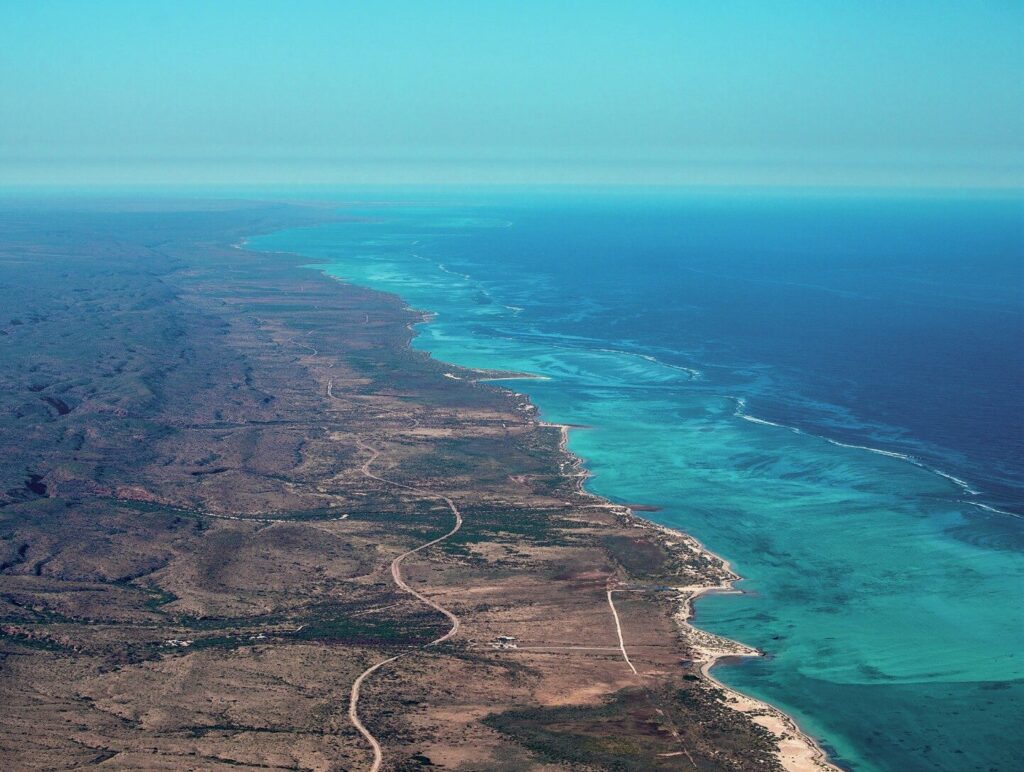
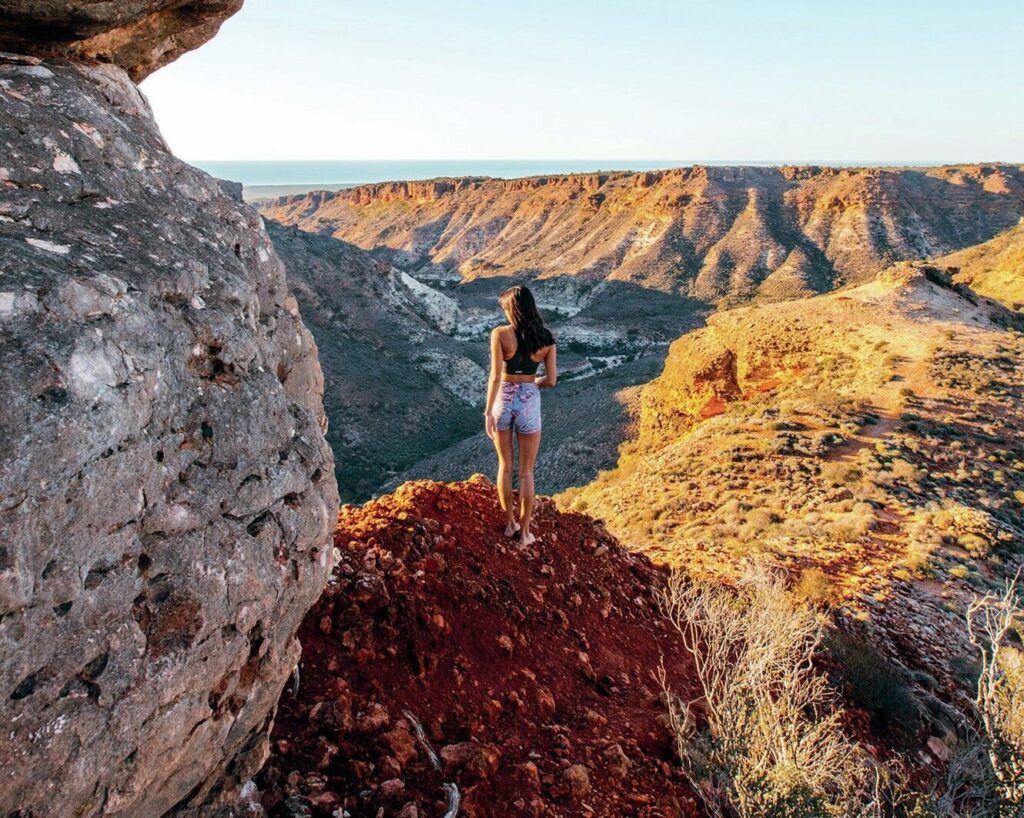
Over the course of a month-long housesit, I was able to jump into the water plenty of times, and also explore the town with my family in our borrowed 4×4 (four-wheel-drive is recommended here). The following is a round-up of some of the well-known dives that are accessible from Exmouth and Coral Bay, with the exception of the Muiron Islands, which really deserve to have their own separate article. Though I’ve focused on dive sites within this article, the surrounding desert landscape of Australia’s Coral Coast is also worth exploring, with surprising gems including Charle’s Knife and Shothole Canyons. Sunrise is best.
Did you know?
Ningaloo is home to some of Australia’s grandest megafauna. For photography, your go-to lens should be something wide like 24mm. Strobes will have little use here, unless you’re diving the Navy Pier (which is a must for the avid photographer).
Book extract
The following is an edited extract from Ultimate Dive Sites by Todd Thimios published by Hardie Grant Explore – out on 1 February 2025. Grab your copy at: www.thimios.com/books
Ningaloo Reef, WA, Australia
Swim straight off the beach and into Australia’s largest fringing coral reef.
Why it’s special
Drive 13 hours north of Perth and you’ll arrive at one of Australia’s most-remote towns, Exmouth, gateway to Ningaloo Reef, or Nyinggulu in the language of the Traditional Owners, the Baiyungu, Thalanyji and Yinigurdira People.
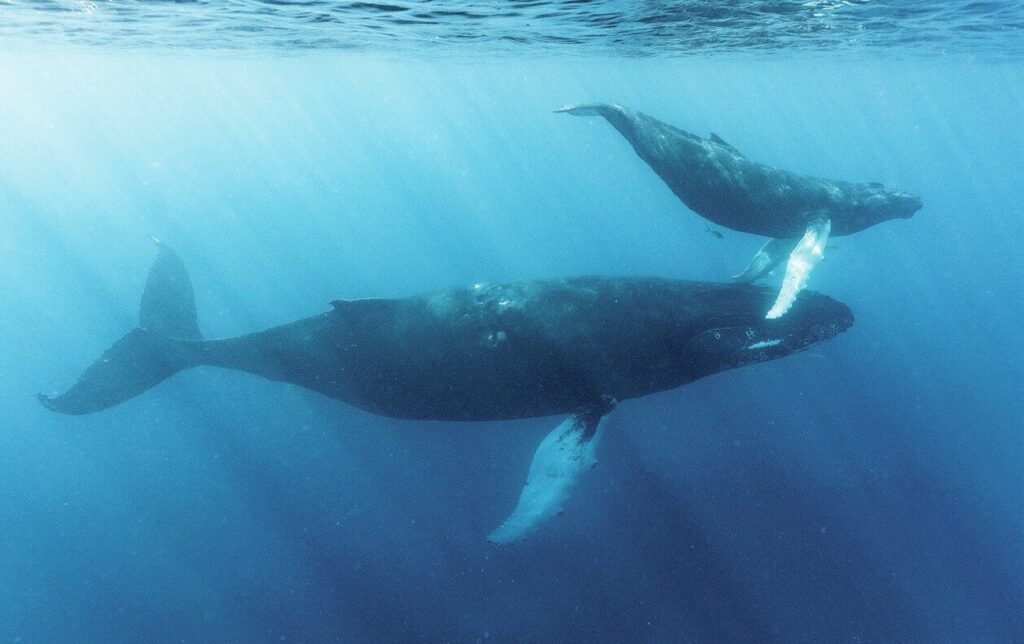
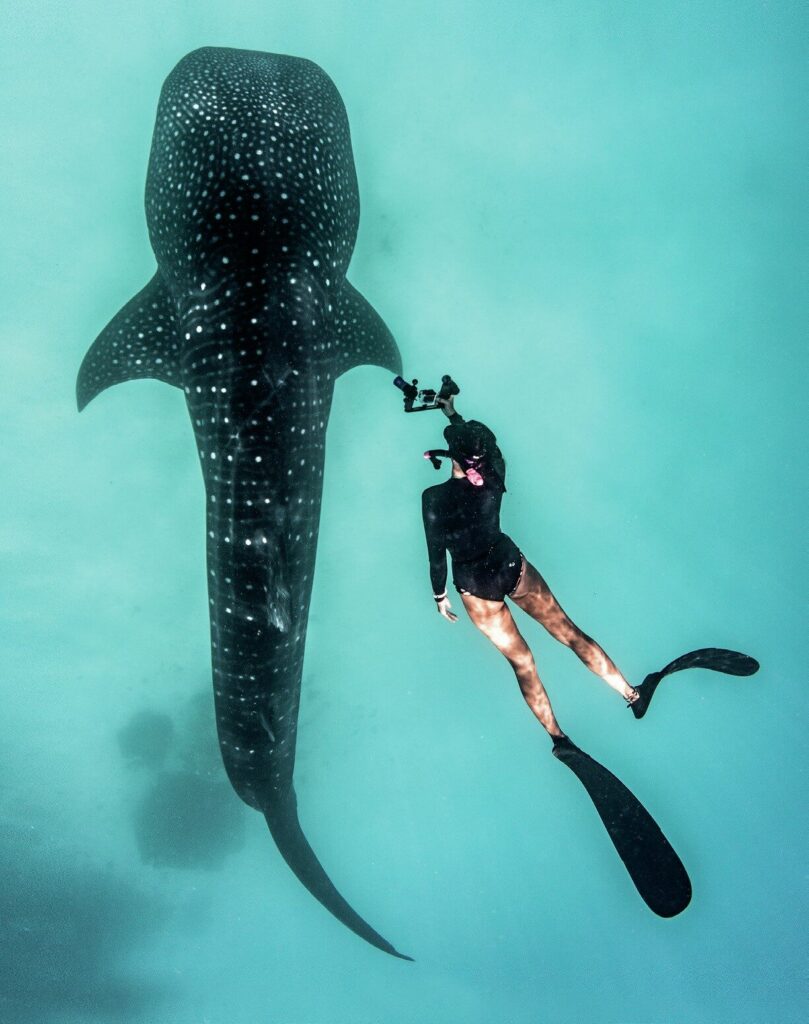
Here on Australia’s Coral Coast, where desert meets reef, all the action happens in the sea. There’s a boat in every second driveway (when the winds are up) and the town has very few shops. From March to October, this town of 3,000 doubles in population as travellers descend upon Ningaloo to swim with its most well-known annual visitor. This is where the world’s largest documented aggregation of whale sharks happens every year. I saw my first whale shark at Ningaloo and I intend to bring my daughters back here, one day, to see their first as well. It’s also on the migratory path of over 40,000 humpbacks a year and, out here, the land is so quiet that you can hear them breathing from the beach at night.
Best time to dive
Whale sharks arrive after the coral spawn, usually in March or April and disappear again by August. For your best chance of seeing them, visit in May or June. These are comfortable months to visit, with average air temperatures in the mid to high 20s in Celsius. This is ideal as opposed to summertime when temperatures can soar into the 40s. When planning your visit, check on Australia’s school holiday dates, when this small town packs a crowd and accommodation books out. Humpbacks visit from July to October and mantas are found year-round.
Dive in
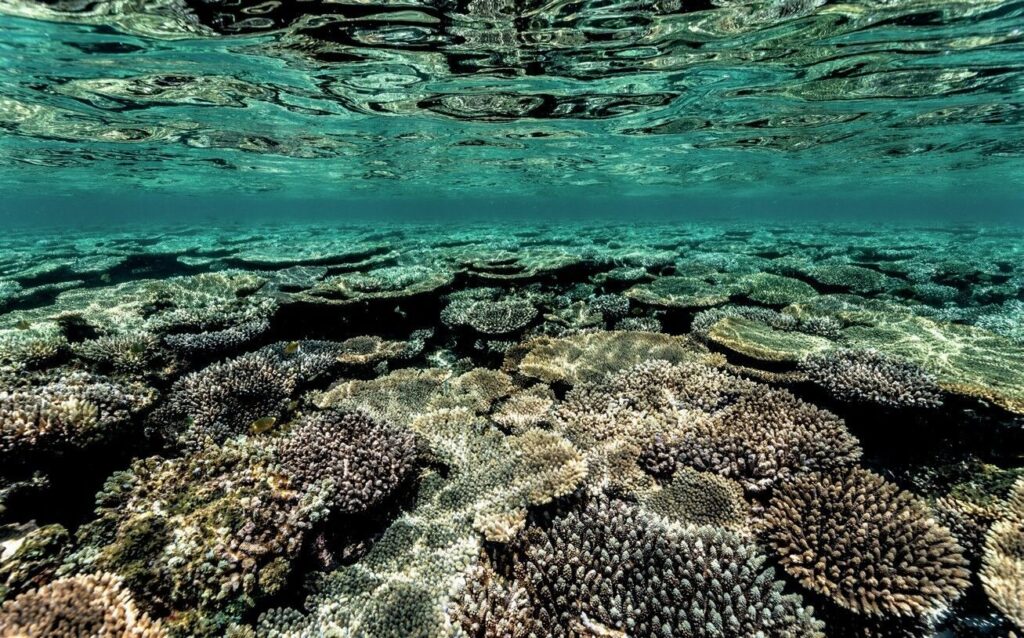
At the northern tip of the 260km World-Heritage-listed Ningaloo Marine Park, you’ll find the towns of Exmouth and Coral Bay. The beaches along this stretch are deserted, apart from the odd wandering emu, the land is uninhabited. But step into the sea and you’re greeted with a very different scene. There are colourful coral bommies just metres from the beach and the fringing reef is high in biodiversity (over 500 species of fish, over 300 coral species, 155 species of sponges… the list goes on), thanks to the influence of the warm Leeuwin current and the cooler Ningaloo current. There are turtles galore (including loggerhead, hawksbill and green), dolphins, sharks and mantas, then, just beyond the reef, there’s the show-stealers that appear each year – whale sharks and humpbacks.
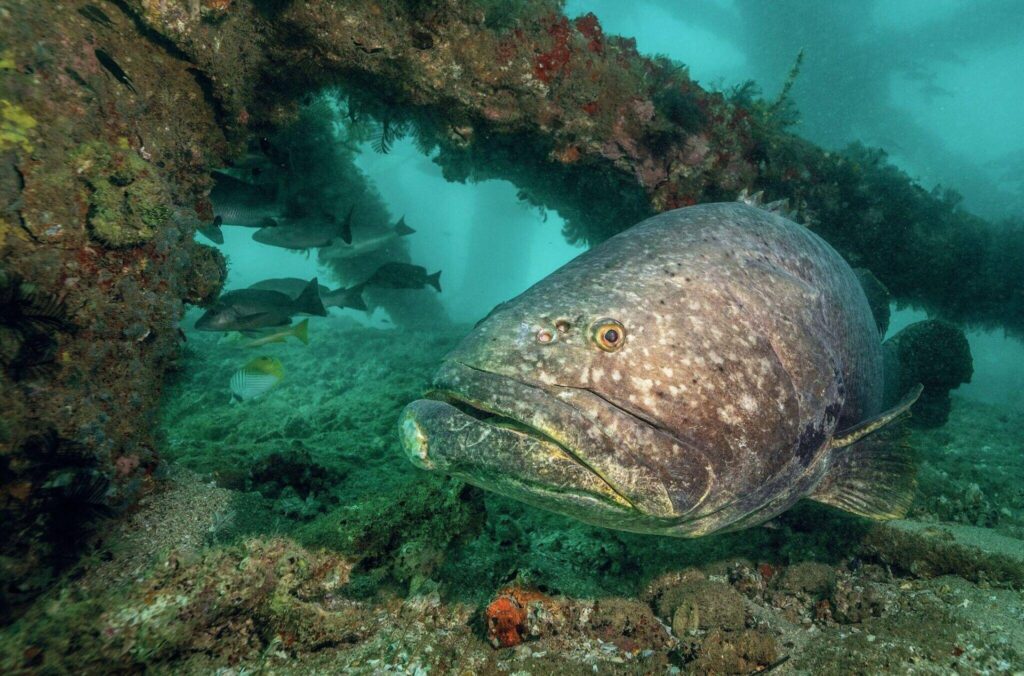


“Thick schools of mangrove jacks are commonly found overhead, while sea snakes, octopuses and the occasional grey nurse shark can be found below “
Did you Know?
Snorkellers, freedivers, and scuba divers of all levels can enjoy the spectacular scenery above and below the water!
The real beauty of Ningaloo (Nyinggulu in the language of Baiyungu, Thalanyji and Yinigurdira peoples, the Traditional Owners of the land) is how wild and underdeveloped the whole scene is. Fish will swim right up to your mask and the rawness of the experience is magnified by the surrounding ancient limestone landscape.
With such accessible marine encounters and some of the world’s best diving, one could wonder why this region is so underpopulated. For many, the arid landscape of the desert, sweltering summer heat, cyclones, flies, and isolation are all deterrents. Shady trees are a dime a dozen and there are no freshwater creeks or waterfalls to wash off the salt and dust. But for long-time locals, such as novelist Tim Winton, there’s nowhere they’d rather be. Winton’s documentary Ningaloo Nyinggulu is a must-see for anyone travelling to the region, offering a local’s perspective on this incredible corner of the continent.
The Navy Pier
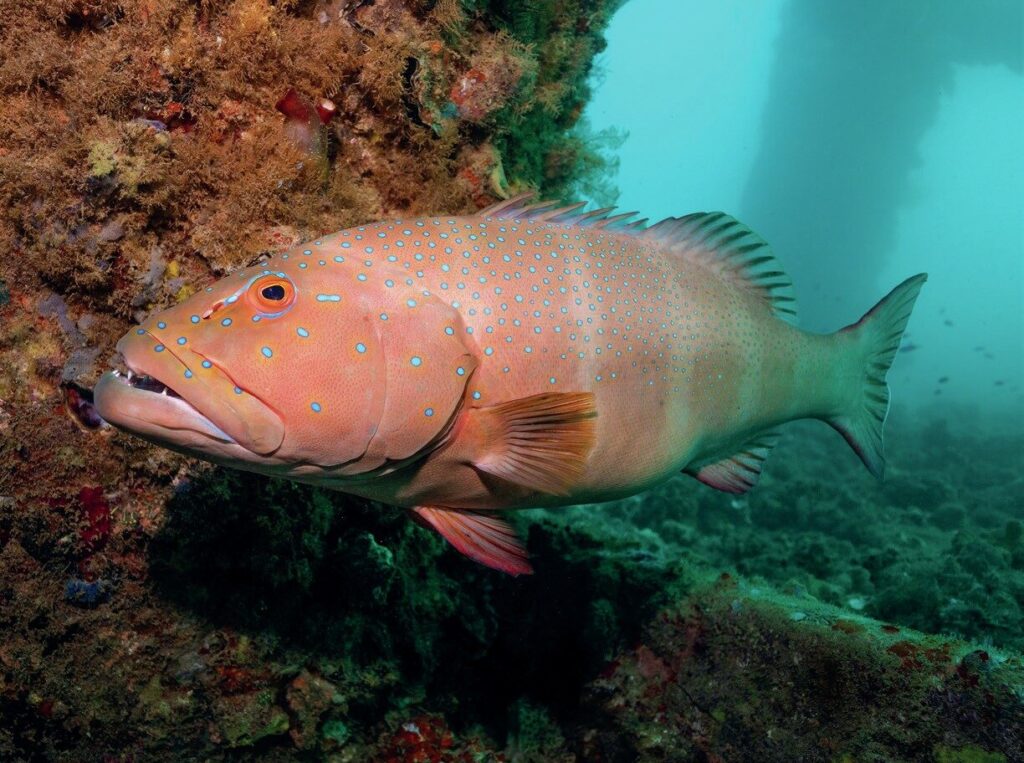
Within Exmouth’s Naval Communications Station is one of the Australia’s best shore dives. Soft corals and sponges cling to the jetty’s pylons attracting nudibranchs and various species of reef fish like butterfly, angel, Moorish idol and parrotfish. Thick schools of mangrove jacks are commonly found overhead, while sea snakes, octopuses and the occasional grey nurse shark can be found below. A giant grouper, nicknamed the BFG, lingers at around 15m, though he can tend to creep up on you since visibility ranges between three to ten metres. Dive times very much revolve around the tides here. The only way to dive the Navy Pier is with Dive Ningaloo and you’ll need to verify your identity with the Australian Federal Police on arrival. Book as soon as you arrive in Exmouth, or better still, before you arrive.
The lagoon
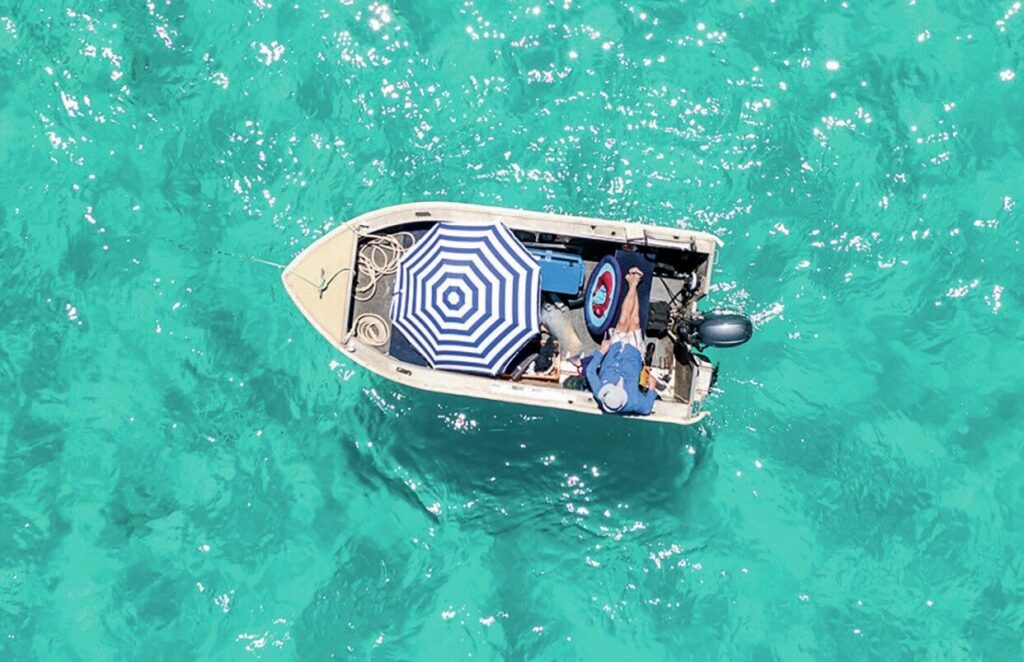
Ningaloo is a freediver’s paradise; with the fringing reef running parallel to the coastline, there’s a long lagoon that averages about 2m-4m deep with coral bommies and all kinds of marine life, including dugongs, dolphins, sharks and turtles. Oyster Stacks is a good place to start as the action begins straight off the beach, but it can be crowded. If you want a patch of reef to yourself, your best bet is to hire a kayak and paddle to a kayak mooring at Tantabiddi or Osprey Sanctuary Zone. If you’re hoping to spot dolphins or a tiger shark, hire a boat for half a day from one of the local rental companies. Be sure to check the wind forecast prior to booking and bring a beach umbrella for shade inside your dinghy. For bargain beachside camping, pre-book a Cape Range campsite via the Department of Parks and Wildlife (exploreparks.dbca.wa.gov.au).
Manta rays at Coral Bay
Drive an hour and a half south of Exmouth and you’ll arrive at the coastal oasis of Coral Bay, consisting of a couple of caravan parks, a convenience store and a handful of tour operators. Year-round, you can find manta rays in the pristine waters surrounding Coral Bay. Manta, meaning ‘blanket’ in Spanish, is a fitting name for these creatures, as their wing spans can reach up to eight metres wide and, if you happen to be freediving beneath one as it passes overhead, it will block out the sun. Your best bet for finding them is by jumping on a half or full day boat tour.
Megafauna beyond the reef
If you want to swim with a humpback or whale shark, you’ll need to book with a tour operator, but be prepared as day trips (six to eight hours) can be pricey. Pilots in spotter-planes fly overhead and locate animals, then the tour boats race to the location to get everyone into the water and in the path of the oncoming whale shark or humpback. There’s no scuba involved; just snorkelling and freediving. Though it’s a bucket list item that lures travellers to Ningaloo each year, it can feel like a very manufactured tourism experience. But, if you’re wanting to get up-close with one of these majestic animals, Ningaloo is the place to do it and the industry is well regulated for the protection of the animals, with only ten people allowed in the water at a time, and strict rules regarding the distance you keep from them. A tip: spend more for a boat that takes less people, especially if you want to maximise your time in the water.
Gear recommendations
A 3mm wetsuit, reef safe sunscreen and sun protective clothing are all a must when visiting. If you like camping, bring gear to stay at one of the cheap seaside campgrounds run by national parks. There is almost zero shade on the beaches here. Bring your own beach umbrella or buy one from a tourist shop in town on your first day. You’ll use it a lot.

Did you know?
There are daily direct flights (two hours) from Perth into Learmonth Airport, which is 20 minutes south of Exmouth’s CBD. Coral Bay is a 1.5-hour drive south.
Frequently Asked Questions
Where is Ningaloo Reef located?
Ningaloo Reef stretches along Western Australia’s Coral Coast near Exmouth and Coral Bay, about 1,200km north of Perth.
What is Ningaloo Reef famous for?
It’s renowned for whale shark encounters, manta rays, humpbacks and one of the world’s largest fringing coral reef systems.
When is the best time to dive Ningaloo Reef?
The best time is from March to August for whale sharks, with comfortable weather in May–June and humpbacks visiting from July–October.
Can beginners dive or snorkel at Ningaloo?
Yes — the reef is accessible straight from the beach. Snorkellers, freedivers and scuba divers of all levels can enjoy the lagoon and coral gardens.
What is special about the Navy Pier dive site?
Located in Exmouth’s Naval Station, it’s one of Australia’s top shore dives, famous for giant groupers, sea snakes and dense fish schools.
This article was originally published in Scuba Diver Magazine
Subscribe today with promo code DIVE1 — enjoy 12 months for just £1!

Fyi – for non Australian citizens you need a passport to dive the pier, no other i.d. is accepted.