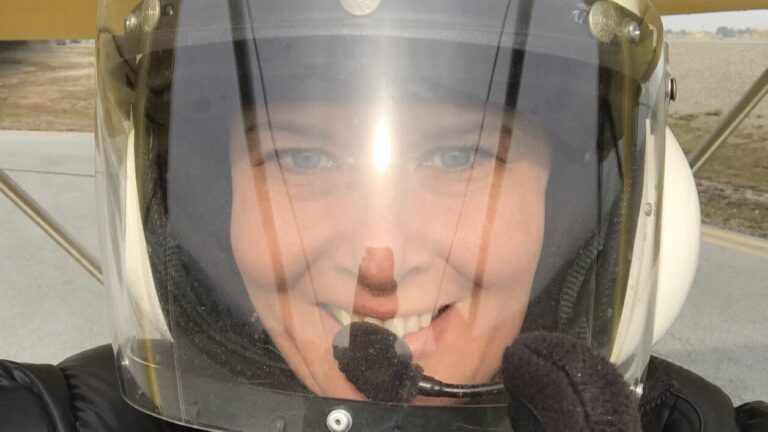
We chat to Women Divers Hall of Famer Dawn Kernagis, a NASA-trained NEEMO Aquanaut, Fellow of The Explorers Club and Director of Scientific Research at DEEP, about how she got into diving in the first place, what drives her continued interest in our blue planet, and what the future holds for underwater living
Photographs by Dawn Kernagis / DEEP / NASA
Q: As we always do with these Questions and Answer sessions, how did you first get into scuba diving?
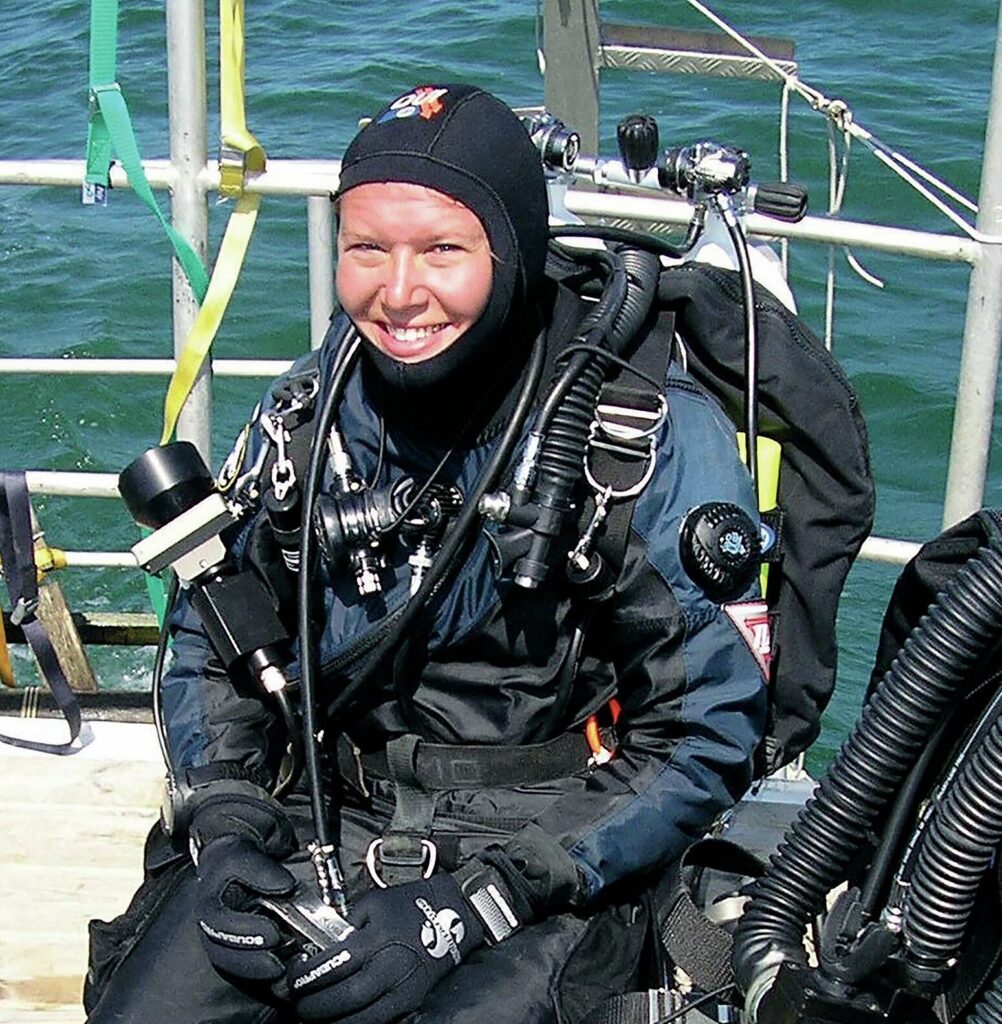
A: I was in absolute awe of the ocean from a very young age (and still am!). I had my first chance to see the Pacific Ocean with my parents when I was three years old and visiting family in California. We visited the Atlantic Ocean for the first time when I was eight years old, right after moving to North Carolina. Both visits, I was amazed at the power and beauty of the ocean, and the life within it (at least what I could see from the beach!).
Science was my passion from an early age, too. I collected fossils and rocks with my Dad, learning everything I could about geology and paleontology. I would also read through my parents’ old college science books about chemistry, biology, and physics.
After that first Atlantic Ocean visit, eight-year old me knew I wanted to be a scientist that studied some aspect of the undersea world. I started reading more about oceanography and marine science, and I decided I wanted to become a marine biologist. For Christmas, I asked for the Jacques Cousteau books, Ocean World, and Whales. I carried those books with me everywhere, even in my backpack to school, and I read them cover to cover several times.
As I learned more about marine biology and read about the adventures of Jacques Cousteau, I realized I absolutely had to learn how to scuba dive. After several years of reading everything I could get my hands on about scuba diving and waiting until I met the age limit, I took my open water scuba class when I was 15 years old. I absolutely and immediately fell in love with being underwater!
That class was the first of many over the last 30-plus years of diving, and I still am in awe of the underwater world just as much today.

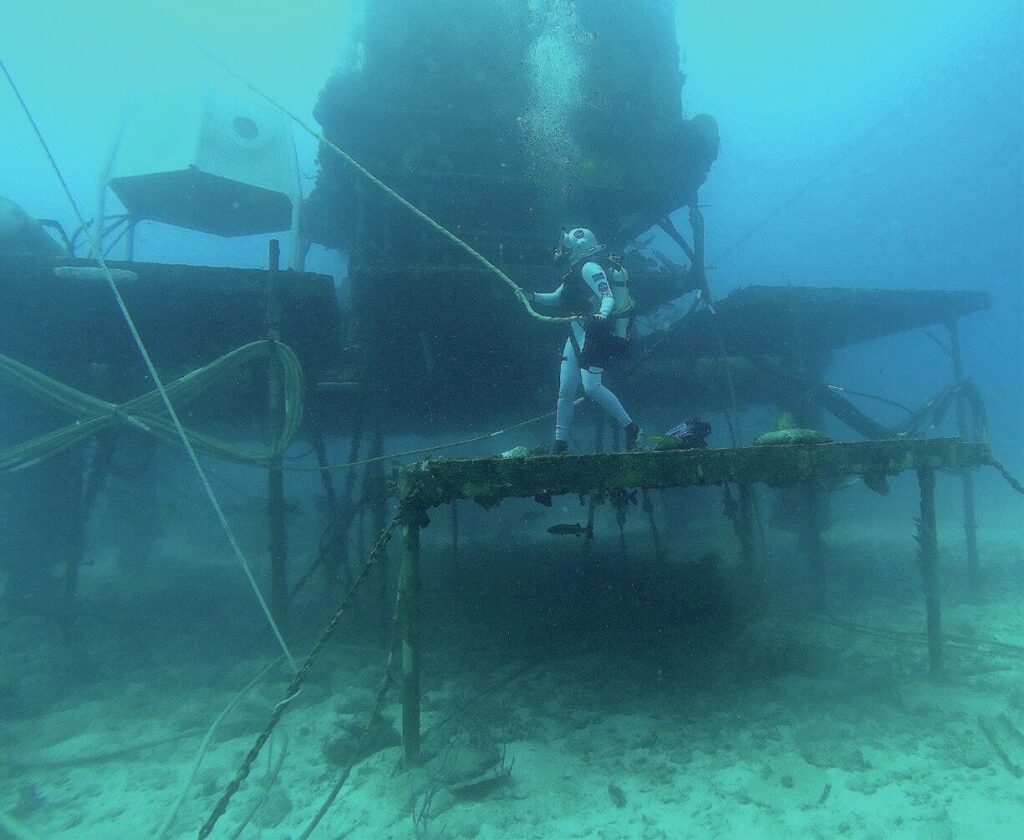
Q: You are the Director of Scientific Research at DEEP, and as regular readers will know, this is an ambitious project to establish underwater habitats and have a permanent human presence in our oceans. However, you already had first-hand experience of underwater living from your time at the Aquarius Reef Base off the Florida Keys. Tell us more about the NEEMO 21 mission.
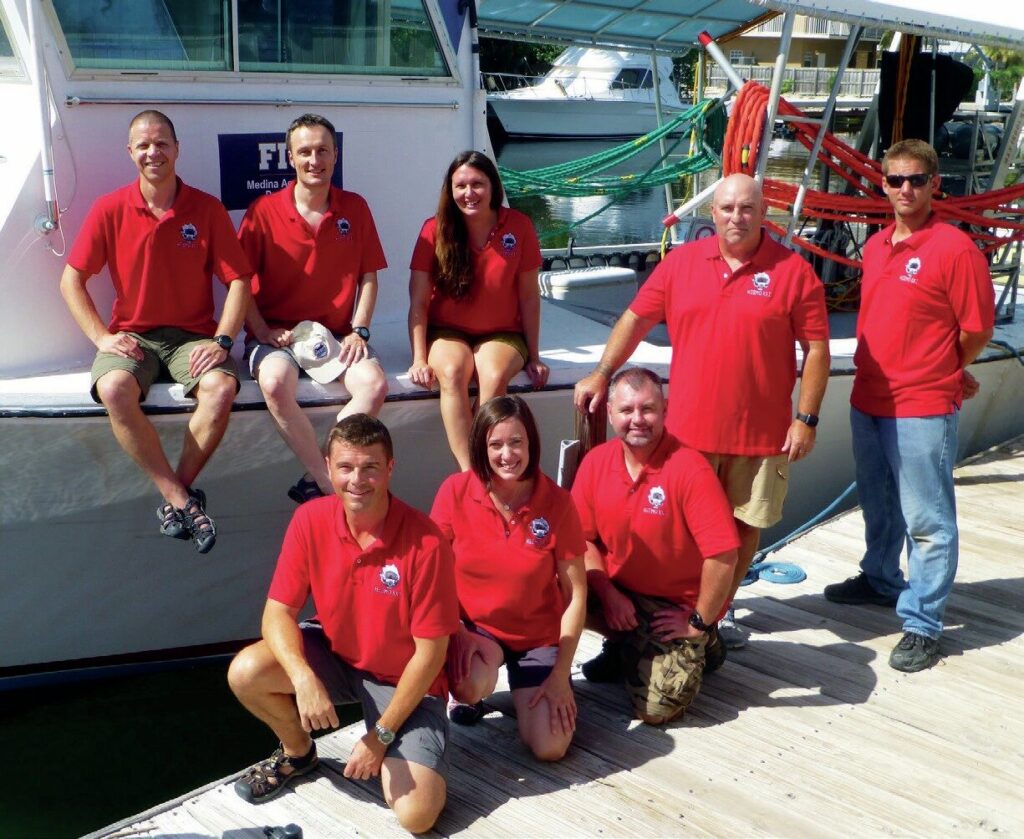
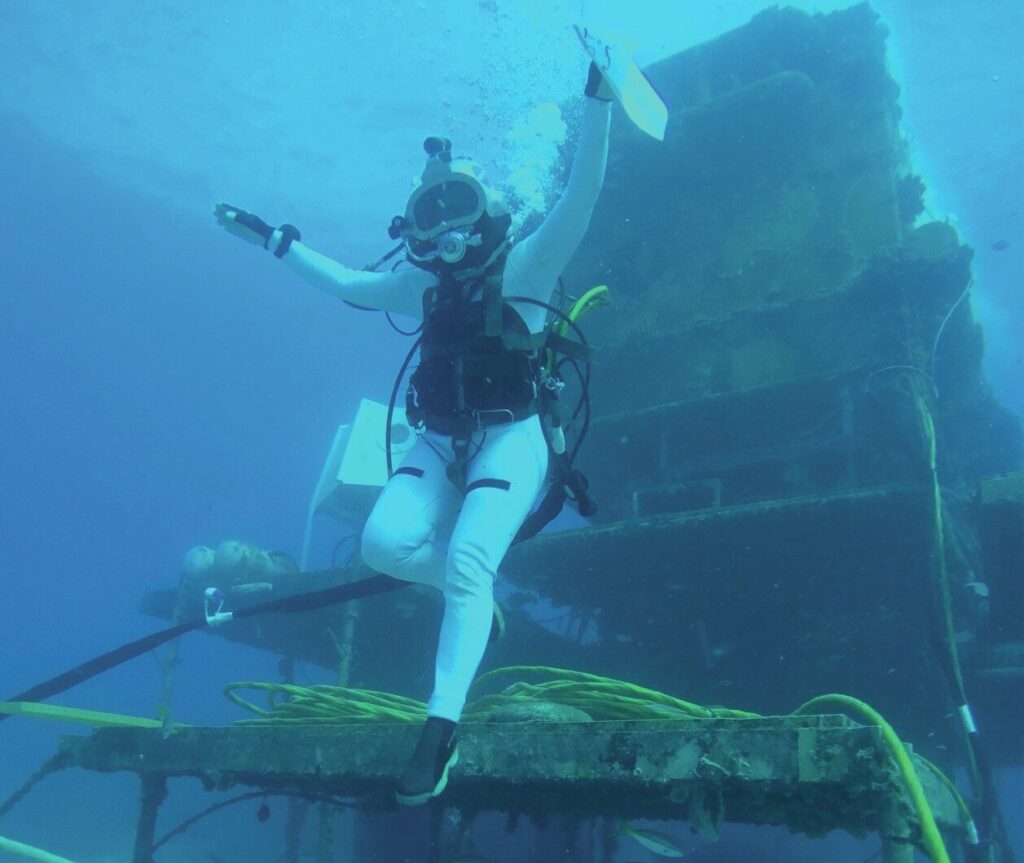
A: NEEMO 21 was a life-changing experience. For a bit more background, NEEMO (NASA Extreme Environment Mission Operations) is an underwater space simulation mission run by NASA that sends astronauts, engineers, and scientists to live undersea for up to several weeks at a time. NEEMO missions started running in 2001, and they have taken place at an undersea station called Aquarius, which is located off the Florida Keys. NASA conducts these missions for equipment and protocol testing, training, and a wide variety of scientific research relevant to spaceflight and humans in extreme environments.
After that first Atlantic Ocean visit, eight-year old me knew I wanted to be a scientist that studied some aspect of the undersea world
Crew members are able to live in the habitat and work at depth continuously for days and weeks because they are saturation diving, which is a type of diving that involves being at depth long enough to bring all of the body’s tissues into equilibrium with the partial pressure of the inert gas being breathed. In the case of NEEMO, we were breathing air while living at 50ft of depth, and we were considered ‘saturated’ with nitrogen after 24 hours at depth. Once saturated, we were able to conduct dives outside of the habitat that lasted up to six hours because we didn’t have the decompression-related time restrictions for each dive excursion; instead, we had one long decompression at the end of the mission that brought us out of saturation and back to the surface.
Having completed my PhD just several years before the invitation to join the 21st mission of NEEMO, this opportunity was an incredible way to combine my science career with my previous diving experience. Working with a world-class team, which included my fellow crew members, operational divers, scientists, and engineers, was a dream. Especially since that work involved living and conducting research undersea. There is a blog that I kept during that mission, which provides more detail of the day-to-day experiences from the NEEMO 21 mission: www.ihmc.us/neemo21_intro/

If we think about how much technology has progressed since the 1980s, it is exciting to think about how the next generation of undersea habitats can (and will) evolve
Over the course of our 16-day mission, our crew couldn’t get enough of watching the world outside of the habitat, diving with the local reef’s inhabitants, and truly immersing ourselves in the undersea world.
Having that exposure and perspective for multiple days and around the clock allowed us to witness the normal fluctuations, interactions, variations of the coral reef ecosystem that surrounded the habitat – things that would be difficult or even impossible to capture with a single dive or even a series of dives. With that mission, I learned how valuable that continuous and extended immersion could be for scientists and for humanity to truly learn about the dynamics of the undersea world.
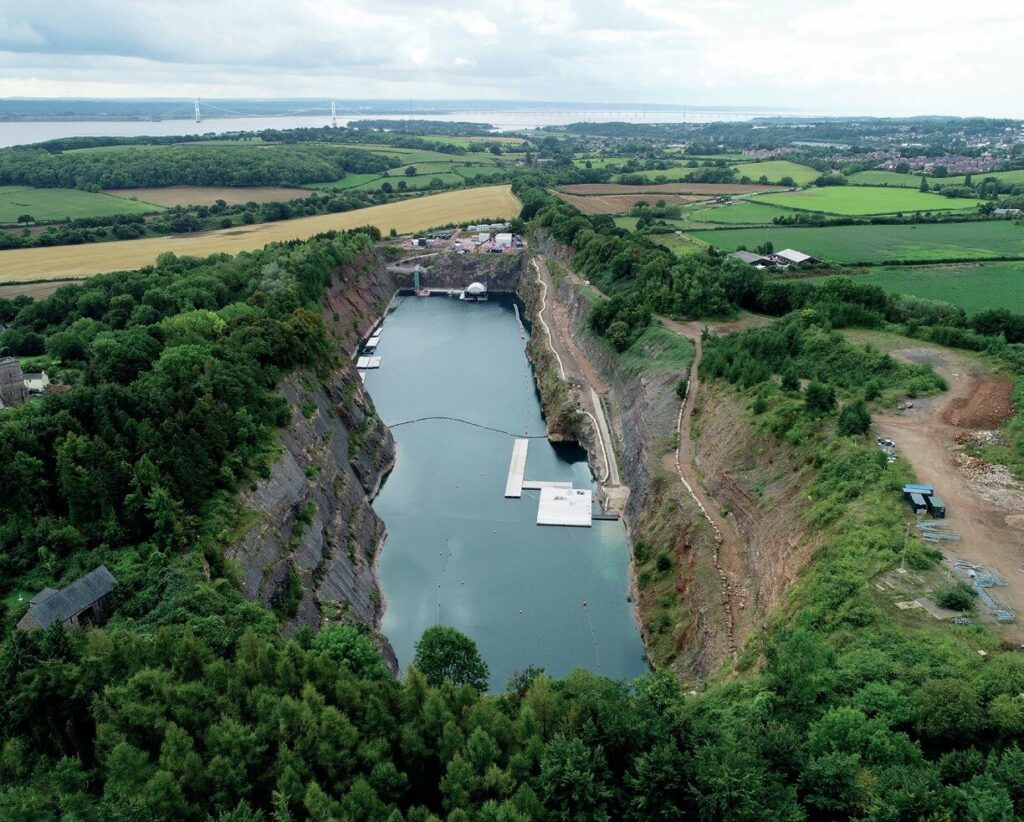
Q: I have seen a full-size mock-up of a Sentinel system at DEEP’s Bristol HQ in the UK and it is certainly an impressive sight. What elements of the DEEP underwater habitat project are you most excited about?
A: We were so happy to have you visit DEEP! There are so many things to be excited about that I am not sure where to start! The last undersea habitats were built in the 1980s. If we think about how much technology has progressed since the 1980s, it is exciting to think about how the next generation of undersea habitats can (and will) evolve. Safety, comfort, and habitability are all priorities for the habitat systems we are building, and innovative technology will allow us to optimize all of these factors.
Being able to sleep well, eat nutrient-rich and tasty food, and have expansive working space that allows for integration of research tools will truly increase productivity for scientists working undersea.
My role as Director of Scientific Research is to develop and lead DEEP’s science and research portfolio. Identifying scientific collaborators and working with them to ensure our systems have the infrastructure and resources required to conduct research is critically important as we design and manufacture our habitats. I am incredibly excited about the scientific partnerships we have established and additional ones in development across marine science, engineering, and human biomedical research.
Ultimately, going back to my NEEMO experience, every habitat mission will be an amazing opportunity to introduce individuals to the incredible experience of living and working subsea. Knowing the breadth of research that has been conducted with previous undersea labs, such as Aquarius, I am thrilled about the scientific impact from our team and our collaborative network using a habitat as an integral tool for undersea research and operations.

Q: What do you see as the most-beneficial aspects of being able to conduct all manner of research while living underwater for a sustained period, rather than having to try and collect all materials during a dive and then return to the surface?
A: Being able to collect and process samples at depth will be significant benefit of research conducted using DEEP habitats. If a biological sample undergoes decompression as it is brought to the surface and before it is processed for analysis, the response to decompression itself could impact the measurement.
For example, if a blood sample is collected from a diver during a dive, and it is brought to the surface, there is the possibility that the changes in molecular markers in that sample are not related to the dive itself, but a biological response to decompression from the dive. Decompression and extended time from collection to processing can also lead to sample degradation and reduced integrity.
It is exciting to think about the possibilities of having the ability to process samples under pressure and expeditiously, and how this capability will enhance both marine science and human undersea biomedical research.
You can read part two of this interview here.
Frequently Asked Questions
Who is Dawn Kernagis?
Dawn Kernagis is a Women Divers Hall of Famer, NASA-trained NEEMO aquanaut, Fellow of The Explorers Club, and Director of Scientific Research at DEEP.
What is NEEMO and how was Dawn involved?
NEEMO (NASA Extreme Environment Mission Operations) is an underwater research program simulating space missions. Dawn joined NEEMO 21, living underwater at the Aquarius Reef Base for 16 days to study life and work in extreme environments.
What is DEEP and what is its goal?
DEEP is a UK-based company developing advanced underwater habitats to enable long-duration human presence and research in the ocean — effectively a “space station for the sea.”
Why is underwater living important for science?
Continuous underwater habitation allows scientists to observe ecosystems in real time, conduct extended experiments, and process biological samples under pressure, avoiding degradation or decompression effects.
What excites Dawn most about the future of underwater habitats?
She’s most excited about integrating modern technology, safety, and comfort into habitat design — creating environments where humans can live, work, and research the ocean more effectively than ever.
This article was originally published in Scuba Diver Magazine
Subscribe today with promo code DIVE1 — enjoy 12 months for just £1!
