
The Galapagos Islands are an archipelago like no other and top many diver’s bucket lists, including Adrian Stacey’s! Over the following two issues, he’ll explain why! This month, he looks at what makes the Galapagos so special, and next month, will recount his liveaboard journey through this amazing collection of islands.
The Galapagos are named after the giant tortoises that were once found in abundance throughout the archipelago. They consist of 13 main islands, six smaller islands and numerous islets and rocks. Only four islands are inhabited -San Cristobal, Santa Cruise, Isabela and Florian – with a combined population of just under 40,000. The Galapagos also welcomes over 170,000 tourists per year! There are two main airports, and they are located on Baltra, which also houses a military base and is close to Santa Cruz and San Cristobal.
A Brief History of the Galapagos Islands
The islands were first discovered in 1585 by the Bishop of Panama, Fray Tomas de Berlanga, who was blown off course while sailing to Peru. Pirates were the first settlers who used the islands as a safe haven from which to raid Spanish convoys and coastal towns. In the late-1700s, whalers used the island as a base to conduct operations throughout the region. In 1832, Ecuador gained independence from Spain and claimed the islands. Then, in 1835, the HMS Beagle arrived, bringing with it the island’s most-famous visitor, Charles Darwin. Many naturalists, biologists and geologists have visited the Galapagos. However, Darwin has had the most-significant influence by far, and his fleeting presence is still evident all over the islands, even today.
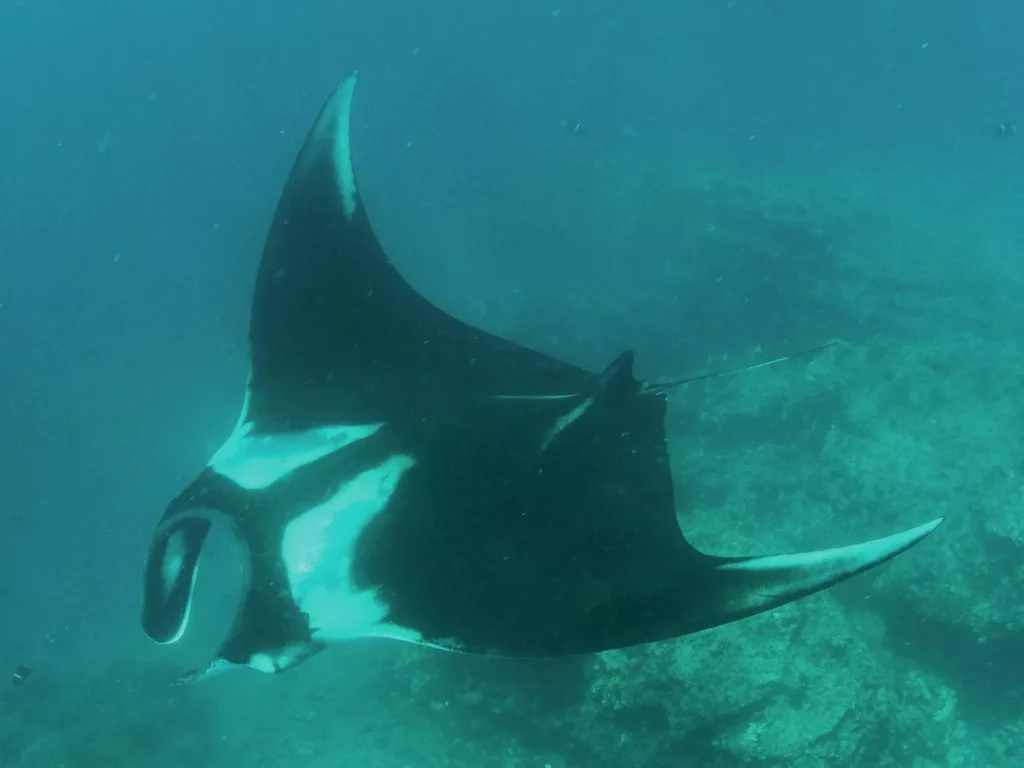
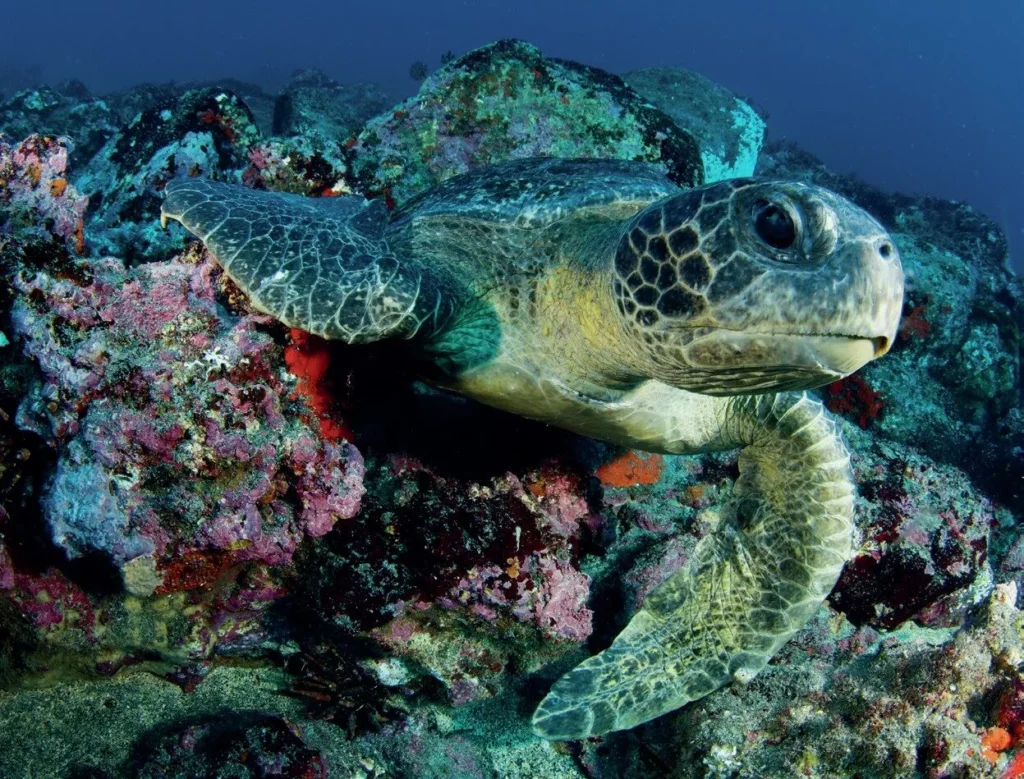
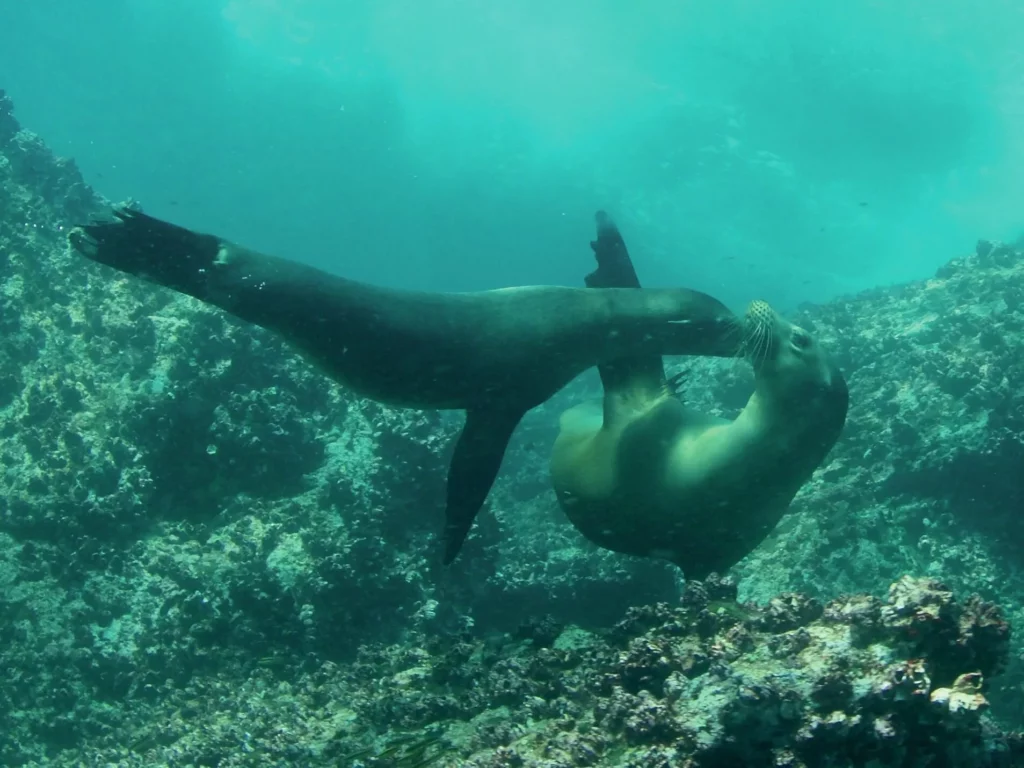
While Darwin and Wolf are regarded as offering the best diving in the region, many other locations provide phenomenal diving with a host of fantastic creatures. Sealions, turtles, mantas, and other rays and sharks are found year-round in the archipelago
How the Galapagos Were Formed
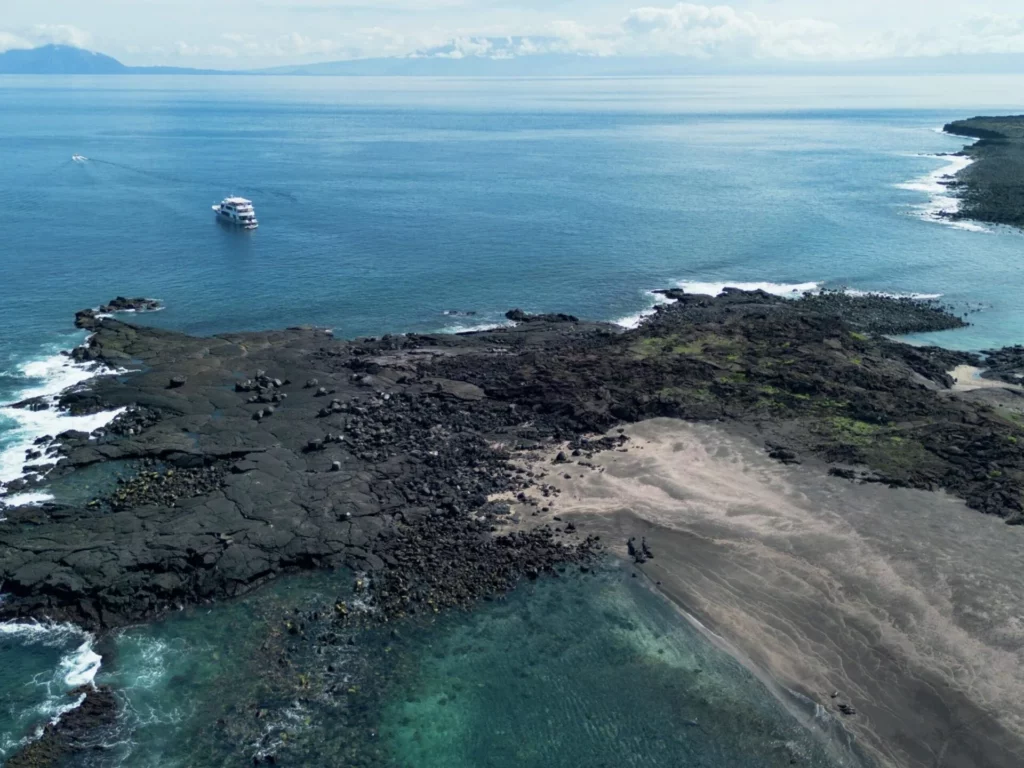
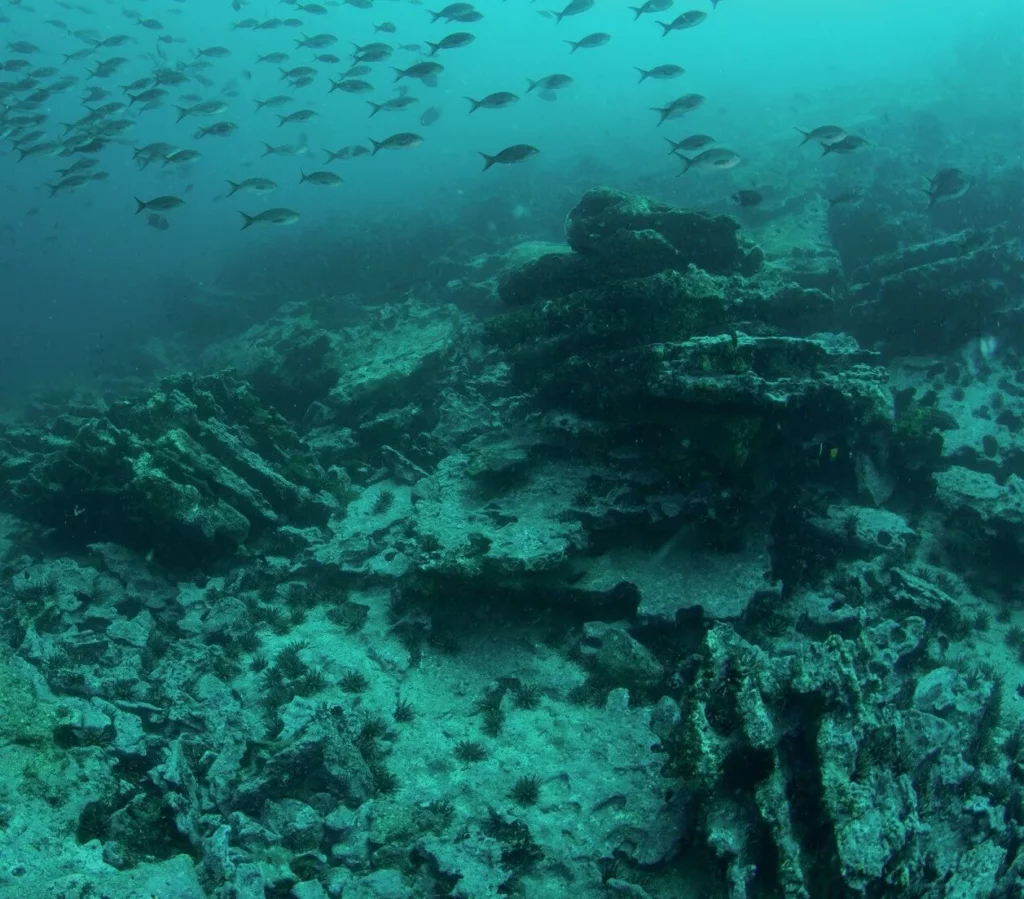
The Galapagos Islands formed millions of years ago as the Nazca tectonic plate moved east over a permanent hotspot in the Earth’s crust called the Galapagos mantle plume. The islands are the result of continuous layering and lifting of repeated volcanic and seismic action. The onward march of this tectonic plate towards the South American coast ensures a continually changing landscape, creating new islands while simultaneously consigning others to the waters they rose from. This process does, of course, take a very long time, and it is estimated that the more easterly islands of San Cristobal and Espanola are several million years older than their western neighbours, Isabela and Fernandina.
While the stunning topography of the islands can be attributed to volcanic action, the incredible diversity of flora and fauna is mainly due to the island’s isolated location in the vast expanses of the Pacific Ocean and its position at the confluence of several major ocean currents. The Galapagos are over 1,000km from the Ecuadorian coast, and it is thought that many plants and animals that inhabit the area arrived by air or sea, either swimming or on natural rafts of vegetation. This remote location allowed the inhabitants to evolve and adapt to the unique ecosystem undisturbed by outside influences. An amazing variety of animals inhabit the Galapagos, many of which are endemic.
The Ocean Currents That Shape Galapagos Life
Three major currents profoundly affect all aspects of life on and around the islands – the Humbolt, Panama and Cromwell. These currents hit the Galapagos plateau, converging to create a unique environment. The most influential and main reason for the island’s diversity is the Humbolt Current. Starting in the frigid waters of the Antarctic, it travels north along the western coast of South America. At the equator, it makes a sharp turn west due to the Coriolis effect and passes through the Galapagos, bringing rich nutrients. From the North, the Panama Current brings warmer waters from Central America. The deep-running Cromwell current brings colder, nutrient-rich waters from the west.
Seasons and Diving Conditions in the Galapagos
The currents also play a big part in the region’s seasons. From June to November, the Humbolt Current is at its strongest due to the trade winds, resulting in a cooler dry season; the seas tend to be rougher during the dry seasons, and the water temperature is usually around 20 degrees C. From December to May, the Panama Current is the predominant force, bringing warmer, wetter weather. The seas are much calmer, and the water temperature is generally a balmy 28 degrees C. The air temperature hovers at about 30 degrees C year-round.
Why Galapagos Diving Is Unlike Anywhere Else
Quite simply, the diving is otherworldly, the underwater topography of these volcanic islands is stunning, and the diversity of marine life is incredible. The dry season is considered to offer the best diving, with the months between August and November regarded as the peak diving time as the cooler nutrient-rich water attracts creatures from the bottom of the food chain all the way up to the top.
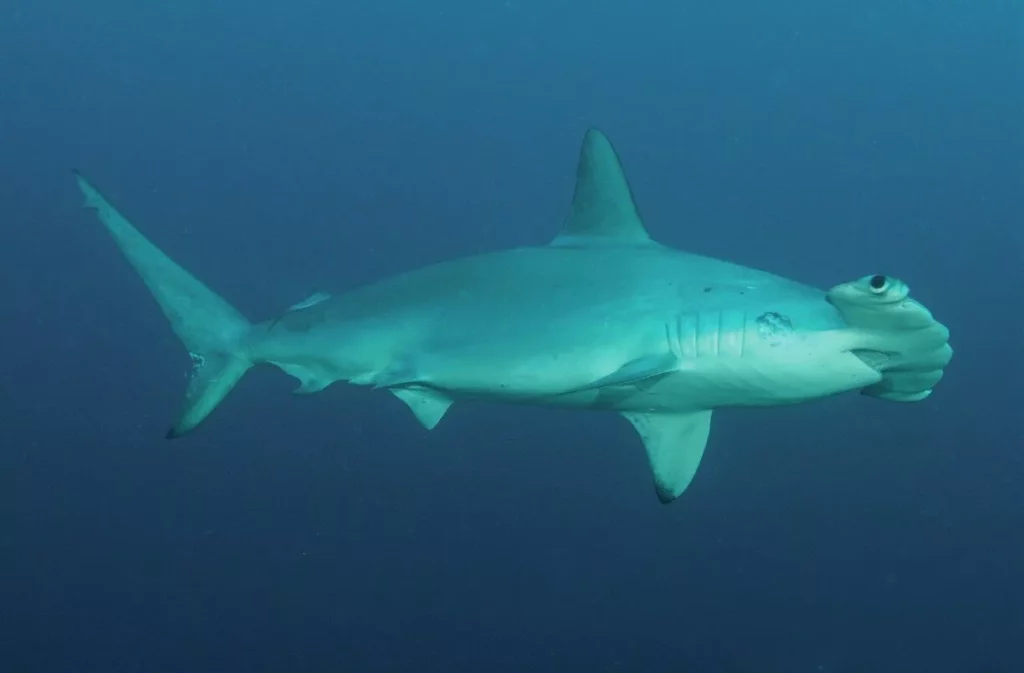
At this time of year, Galapagos’ most-famous dive sites, Darwin and Wolf, are at their peak. Located in the far North and only accessible by liveaboard, they attract all manner of pelagic travellers, including massive schools of hammerheads and huge whale sharks. Most of these placid creatures are usually pregnant females, some measuring up to 18 metres in length.
Did you know
Visibility varies between 10-20 metres and is mainly affected by current and plankton.
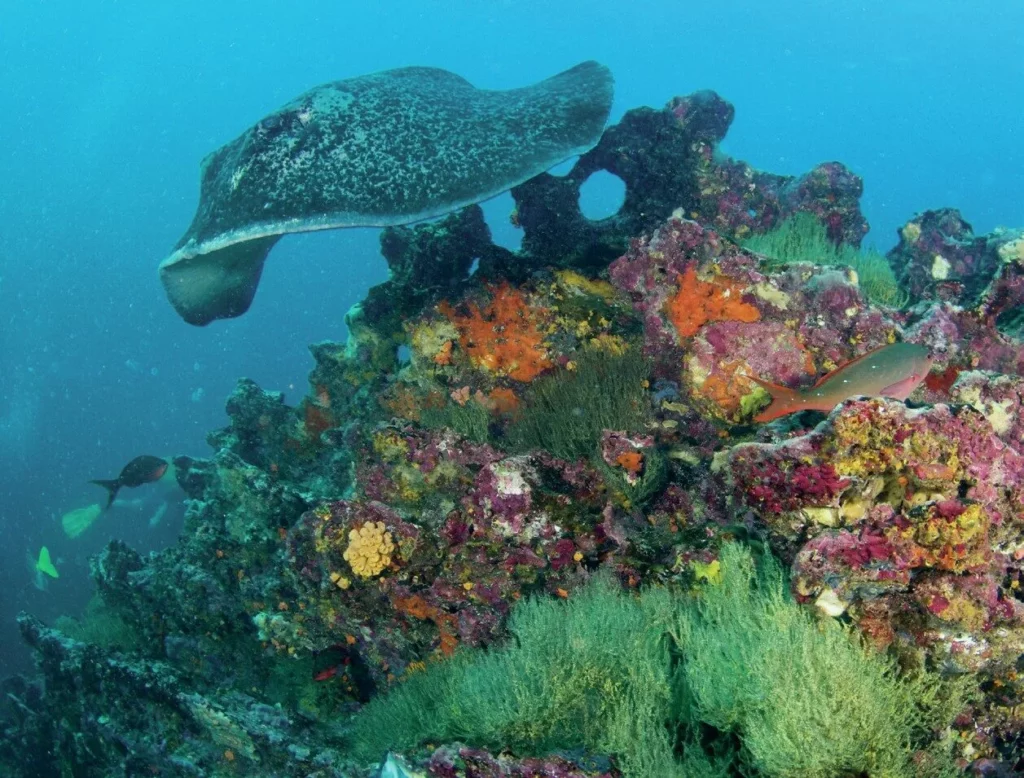
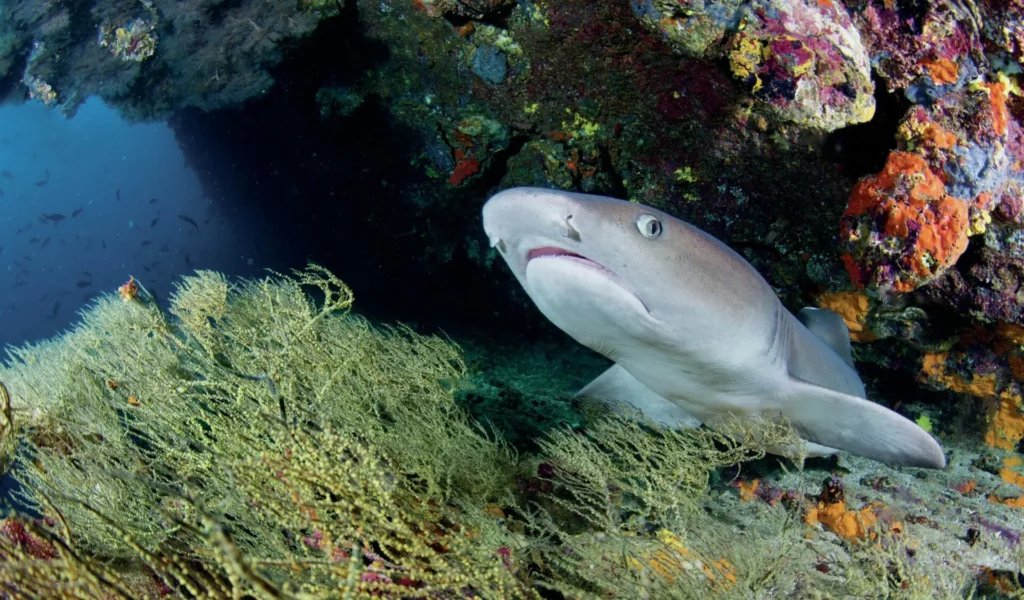
Throughout the year, it is possible to encounter a variety of other elasmobranchs, including Galapagos sharks, whitetip and blacktip sharks, manta rays, golden rays, eagle rays, and stingrays. Plus, numerous other marine species, including dolphins, sailfish, schools of barracuda, surgeons, snapper, and many more.
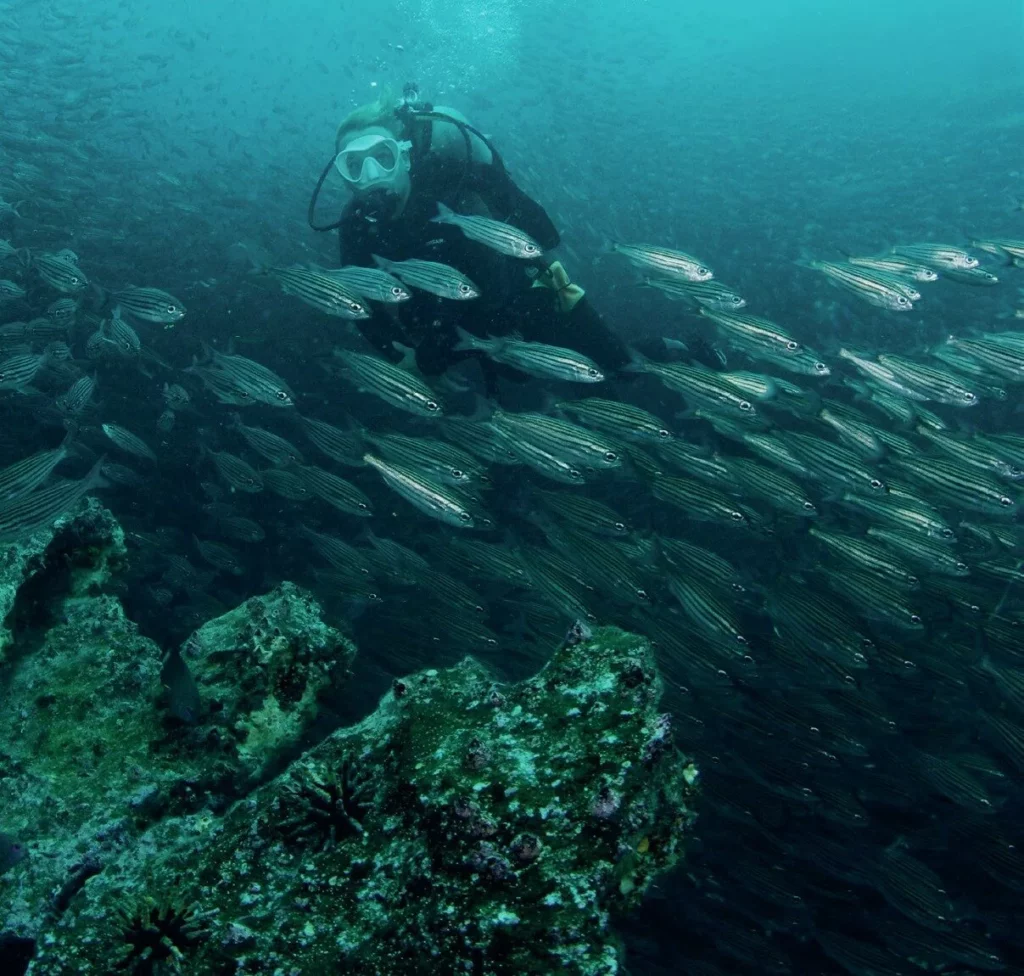
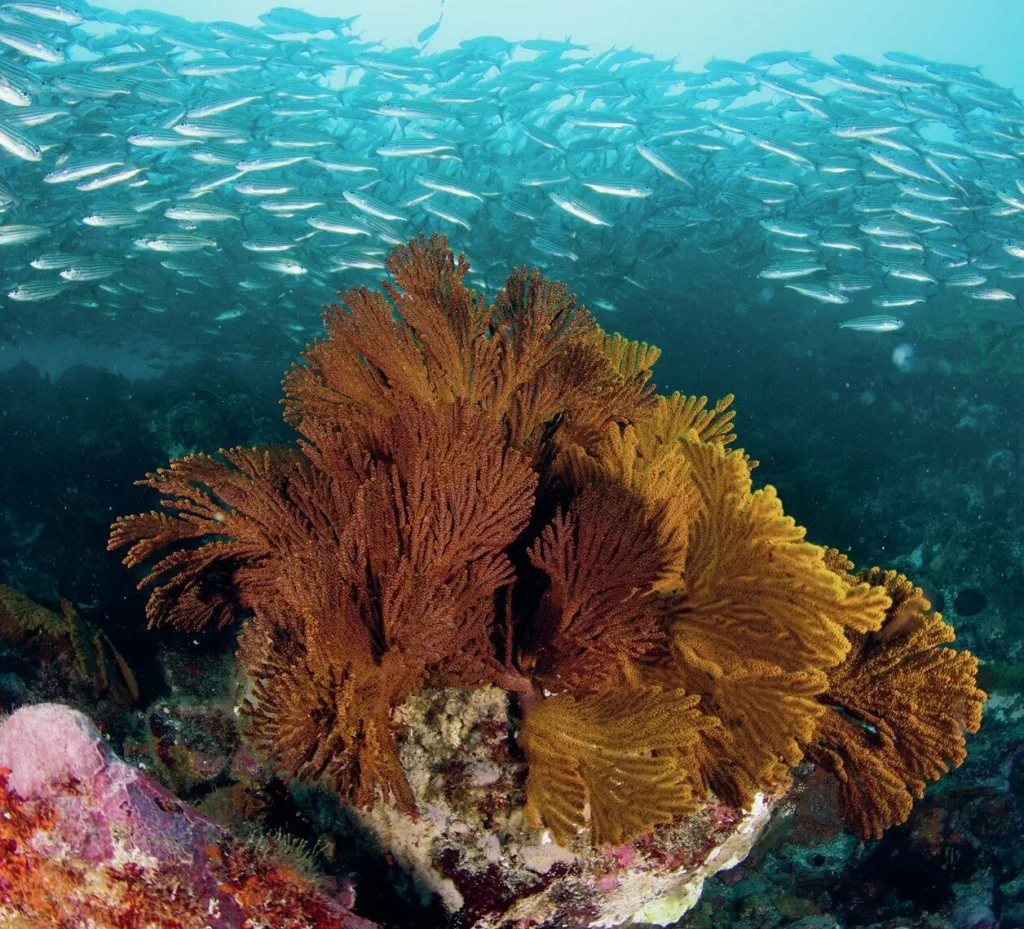
While Darwin and Wolf are regarded as offering the best diving in the region, many other locations provide phenomenal diving with a host of fantastic creatures. Sealions, turtles, mantas, and other rays and sharks are found year-round in the archipelago. Marine iguanas are abundant, and one of the best places to dive with them is Fernandina. This island is also a good place to snorkel with penguins. Mola mola sightings offer another unique experience, with Santa Cruz and Isabella being particular hot spots. Huge schools of fish including jacks, bonito tuna, surgeonfish and mega schools of black-striped salema can be encountered at numerous dive sites.
Over 500 fish species reside in the area, 17% endemic. Plus, many mammals and seabirds either live on and around the islands or are seasonal visitors, including many species of whales. Surprisingly, there are also 22 species of coral in the region. The majority are hard corals, but black corals and multi-coloured sea fans are abundant at a select few sites.
Galapagos Aggressor III
The Galapagos Aggressor III offers seven-day itineraries throughout the year. They run from Thursday to Thursday, departing from Santa Cruz/Baltra, and include up to four dives per day on most days, plus a couple of land excursions to see some of the terrestrial wildlife and sights. The Galapagos Aggressor III is ideally suited to plying the waters of the Galapagos. The staff are experienced and friendly, and the rooms are clean and comfortable. There is even a jacuzzi onboard. Starlink is available, and so are nitrox and larger tanks. www.aggressor.com


Protecting One of the World’s Most Unique Marine Ecosystems
In 1959, the Ecuadorian Government declared 97% of the Galapagos National Park, with only 3% of the land specifically zoned for urban and rural areas. UNESCO recognised the islands as a world heritage site in 1978 and as a biosphere reserve in 1985. In 1986, a marine reserve was created, which currently covers an area of 133,000 sq km, making it one of the largest in the world.
The main challenges to the island’s wildlife come from introduced species, over-tourism and fishing. Only locals are allowed to fish in the region, and tight quotas exist, but that does not stop large commercial vessels from plying the waters just outside the exclusion zone! Global warming and other manmade and natural environmental factors, like El Nino, also significantly influence the health of the islands.
Strict biosecurity measures are in place to gain entry to the Galapagos, and only nine liveaboards have permits to dive in the region. They are required to submit their schedule and stick to it before departure! Drones are not permitted unless a special exemption is granted. This is to stop the birds from getting disturbed and, to a lesser extent, to save the drones from polluting the ocean. Hawks and other birds of prey have been known to attack drones, which then end up in the water.


Why the Galapagos Remain a Bucket-List Destination for Divers
The diversity of marine life at the Galapagos is unrivalled, and the topography, both above and below the water, is absolutely stunning. Next month, I will focus on my first-ever visit to these fabled islands as a guest onboard the superb Galapagos Aggressor III. My trip coincided with what is considered the low season for diving, so I was interested in finding out if the Galapagos would live up to my expectations, which must be said were pretty high!
Frequently Asked Questions
Why are the Galapagos Islands considered a top diving destination?
The Galapagos offer unmatched marine biodiversity, dramatic volcanic topography, and nutrient-rich currents that attract large pelagic species.
What marine life can divers expect to see in the Galapagos?
Divers regularly encounter hammerhead sharks, whale sharks, manta rays, sea lions, turtles, marine iguanas, and vast fish schools.
When is the best time to dive in the Galapagos?
The best diving is typically during the cooler dry season from June to November, with peak conditions between August and November.
What role do ocean currents play in Galapagos diving?
Three major currents converge around the islands, delivering nutrients that support an incredibly diverse and dense marine ecosystem.
Are Darwin and Wolf Islands accessible to all divers?
Darwin and Wolf are only accessible by liveaboard and are best suited to experienced divers due to strong currents and challenging conditions.
This article was originally published in Scuba Diver Magazine
Subscribe today with promo code DIVE1 — enjoy 12 months for just £1!
