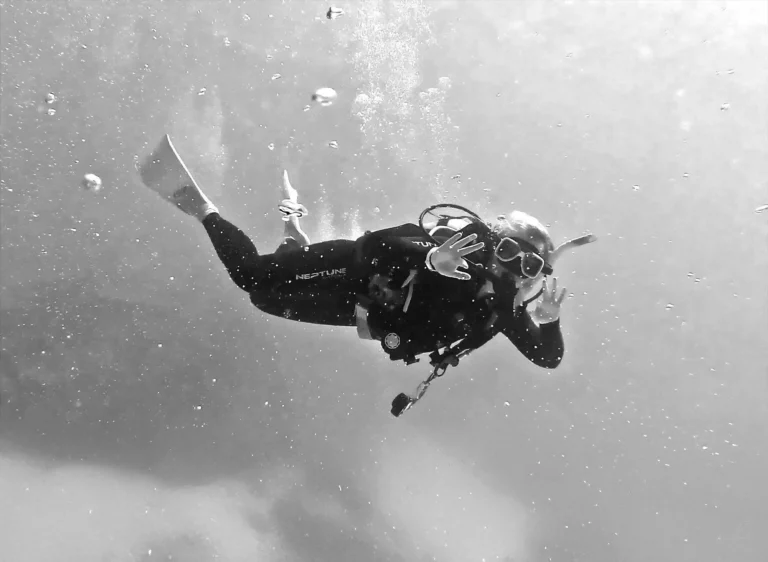
Documentary film review: How To Kill A Mermaid
As recent news headlines so graphically remind us, out-of-court settlements in civil lawsuits do not necessarily make problems go away.
The amount paid to Virginia Guiffre and her charity for sex-trafficking victims four years ago on behalf of the man formerly known as Prince Andrew was estimated to be as much as £12 million, but that payment clearly failed to draw a neat line under the matter for Mountbatten-Windsor or the royal family.
The same might be said for however many dollars were paid by PADI and the other parties to the family of an American teenage dive student in another out-of-court settlement a year later, in 2023.
The fact that a moving new film about that death called How To Kill A Mermaid: The Linnea Mills Story made a splash recently at the Big Sky Documentary Film Festival in the 18-year-old’s home state of Montana suggests that public interest in this diving incident has not dissipated just yet.
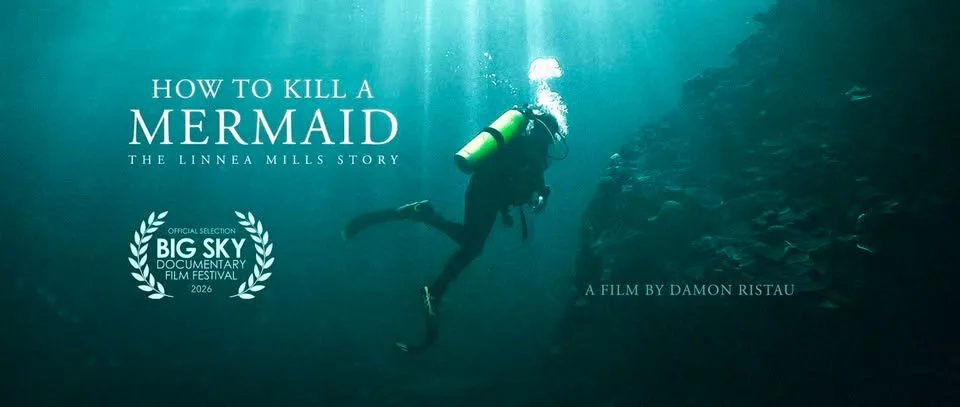
Mills died in November 2020 during what was supposed to be an Advanced Open Water Diver training dive in Lake McDonald in Montana’s Glacier National Park.
The “wrongful-death” civil lawsuit filed by her parents, fellow-trainee Bob Gentry and others sought up to US $12 million in damages for alleged negligence, unsafe practices and training violations by dive instructor Debbie Snow and volunteer dive assistant Seth Liston, their employer Gull Dive of Missoula and its owners David & Jeannine Olson, and certifying agency PADI.
The undisclosed settlement meant that the family’s claims never went before a jury, and of course no admissions of guilt or liability were made.

But scuba divers watching this disturbing 135-minute documentary, directed and produced by Damon Ristau and including footage from the fatal dive, might well wonder what would have happened had a jury been asked to consider the evidence.
Ristau is the father of one of Mills’ best friends at high school, and his film covers the incident in some detail before going off in an unexpected direction with a redemptive narrative line that took me by surprise, involving the victim’s since-separated parents Scott and Lisa and her brother Nick.
Back in time
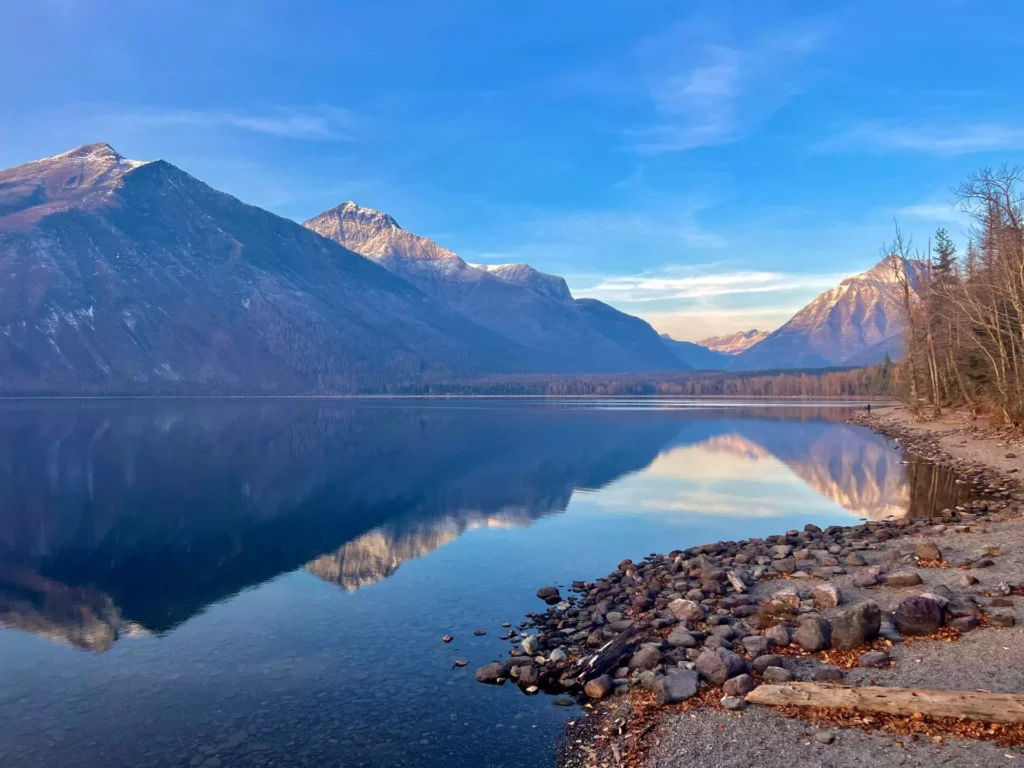
The film opens in a beautiful Montana landscape with a recording of the original call to the emergency services, and then we head back in time as the home-movies roll and Mills grows up, happy in the outdoors and especially in water. She was adventurous, and dreamt of becoming a marine biologist.
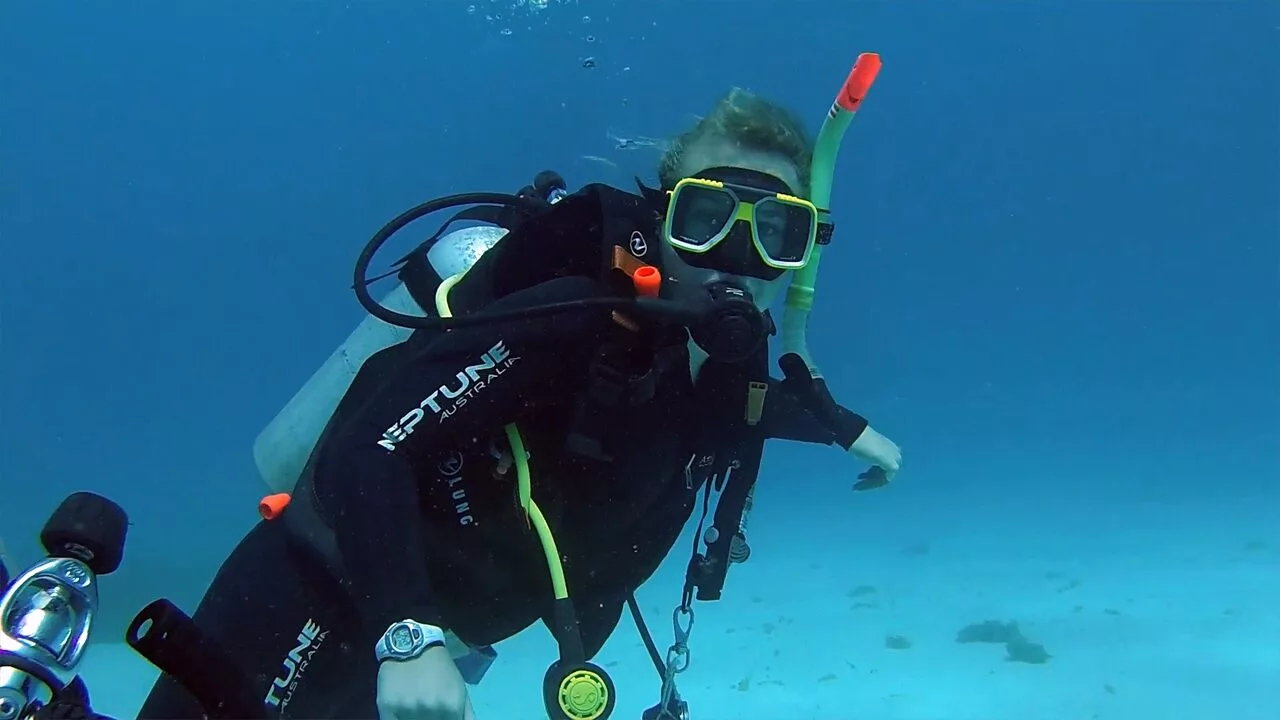
Certified as a PADI Open Water Diver at 15, she had dived the Great Barrier Reef but had no experience of the sort of coldwater diving required to explore the inland waters of her home state.
One of her Facebook posts was spotted by a Gull Dive employee, who enquired whether she had considered signing up for a PADI AOWD course.
This resulted initially in a miserable wetsuit experience, after which Mills was strongly advised to buy a drysuit and bought an ill-fitting secondhand job. The woman who sold it to her was among those cited in the subsequent lawsuit.
There was no way that the horrifically run dive on which Mills died, and on which the documentary centres, could be described as appropriate for anyone on their first drysuit dive.
Mills had had no pool orientation and her new purchase had not been checked before arrival at the dive-site, even though other students present were on a drysuit speciality course. The inflation hose on her suit didn’t match the available valve – metric, meet imperial. Instructor Snow decreed that Mills would be fine using her BC for buoyancy.
Weighed down with no less than 20kg of hard-to-ditch lead stashed in her drysuit pockets (her BC lacked quick-release weight-pouches), and with no means of inflating her suit to counter the inevitable squeeze, she was “dead before she hit the water”, as one of the film’s talking heads puts it.
The national park site was closed for the winter and Gull Dive was not licensed to operate there. Such a training course should have had an 18m maximum depth but Mills ended up far deeper than that. Debbie Snow, in charge of the group, had never dived at the site before.
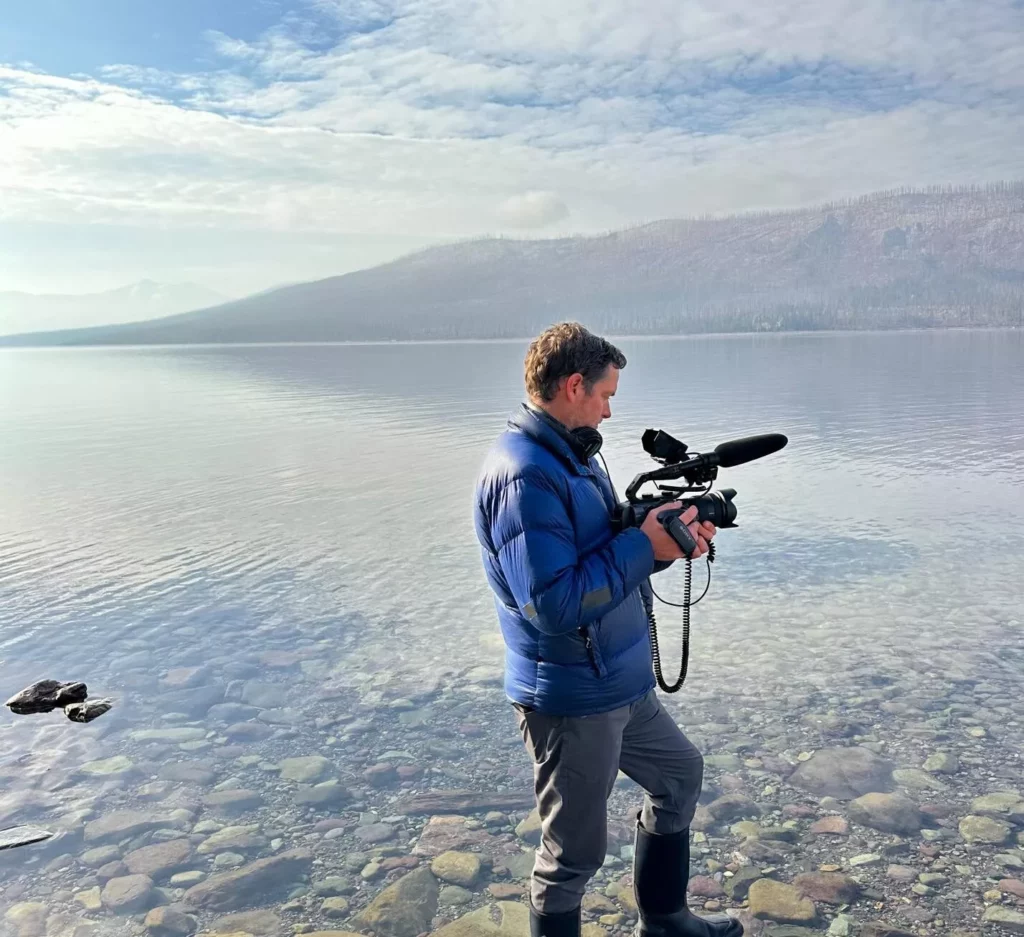
One shocking detail piles on another as the divers set off into the lake with the light already falling and fewer torches than divers, very much contrary to PADI standards for such a training dive.
Bob Gentry, who appears in the film, had enrolled on a drysuit speciality course with his own daughter and, despite his valiant efforts, would later be blamed by the dive professionals for failing to save Linnea Mills as she plummeted to her death.
It was Gentry’s GoPro, which one might not expect to be allowed on such a training dive, that provides the underwater footage seen here. His wife had been at the surface, and confirms that preparations for the dive had been chaotic.
Gentry says he had been under the impression that he, Mills and Snow were supposed to be diving as a three, even though they were doing different courses. When the inevitable happens, the instructor fails to see Mills’ frantic signalling and can be seen swimming obliviously between her and Gentry’s camera.
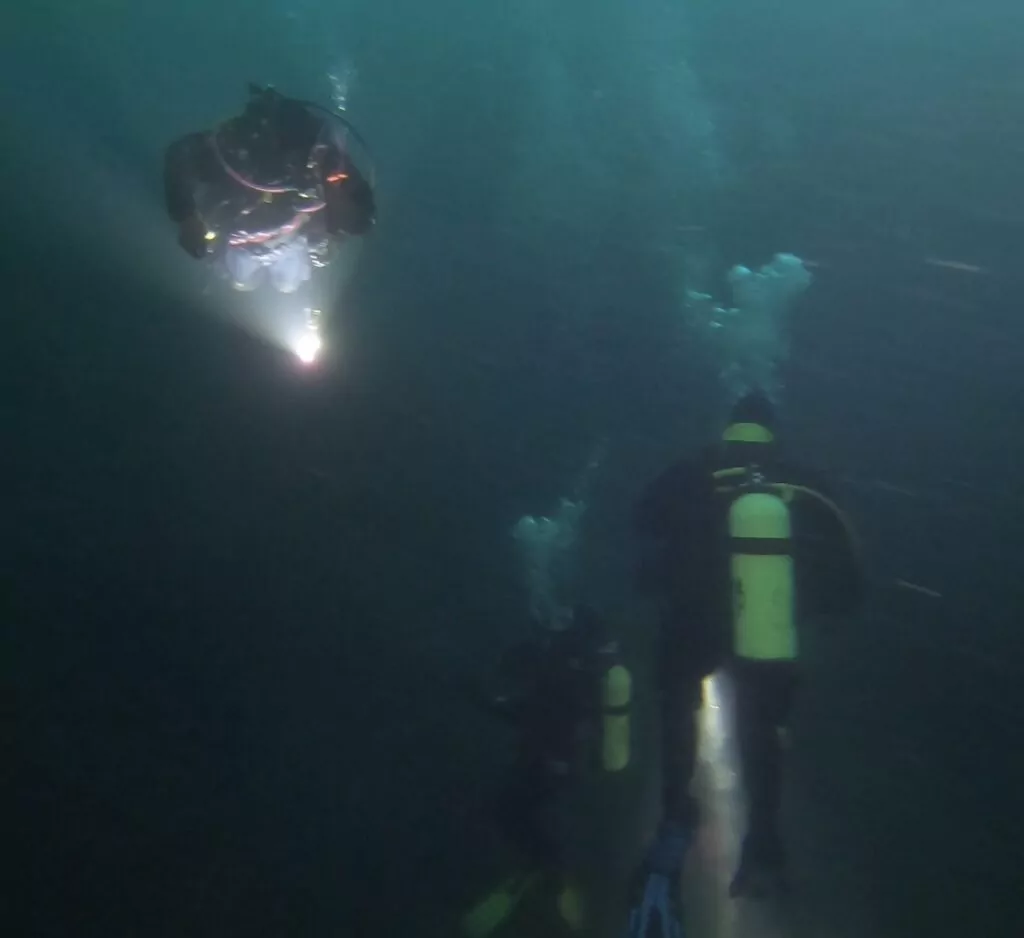
Mills would have been struggling to breathe but unable to ascend because of the overweighting and lack of buoyancy control. Gentry tries to grab her and give her air but doesn’t know about the squeeze and can’t locate or release her weights. They descend past 40m before he is forced to get himself back up.
At the surface he informs Snow, who goes back down. She and Liston bring Mills back up but it’s too late. Liston’s own drysuit fails and he balloons up to the surface – the effects of his arterial gas embolism won’t go away, we are told.
‘Just a looking screen’
The talking heads try to make sense of what happened, but it isn’t easy. Gentry is understandably bemused; hotshot diving-incidents lawyer David Concannon, whose wife had known Mills’ mother for years, and his investigator veteran FBI agent Mike Pizzio, formerly of the bureau’s dive-team, speak out and don’t hold back.
Mills’ parents had trusted Gull Dive but it is said that the centre failed to contact them for eight days after her death. They were “lawyering up”, we are told.
Snow had taken the 18-year-old’s dive-computer away with her and Gull Dive owner Janine Olsen is said to have implied to Gentry that as Mills’s buddy her death was his fault. He says he feared being sent to prison.
This film will make you angry. Negligent homicide should be the minimum charge for those responsible for Mills’ death, says Concannon, who goes on to accuse the National Parks Service – with the exception of the first ranger at the scene – of doing an “appalling job” on the investigation.
Ignorant of diving, its officers had swallowed Snow’s assertion that computer dive-profiles are not downloadable – “it’s just a looking screen” – which alone is probably cause for arrest for obstruction of justice, according to Pizzio. But the federal government had declined to prosecute even for criminal endangerment.
This is not a film likely to be welcomed by PADI, which should not have enabled Snow to instruct, asserts Concannon, along with quite a lot more invective on the side.
That kind of diver
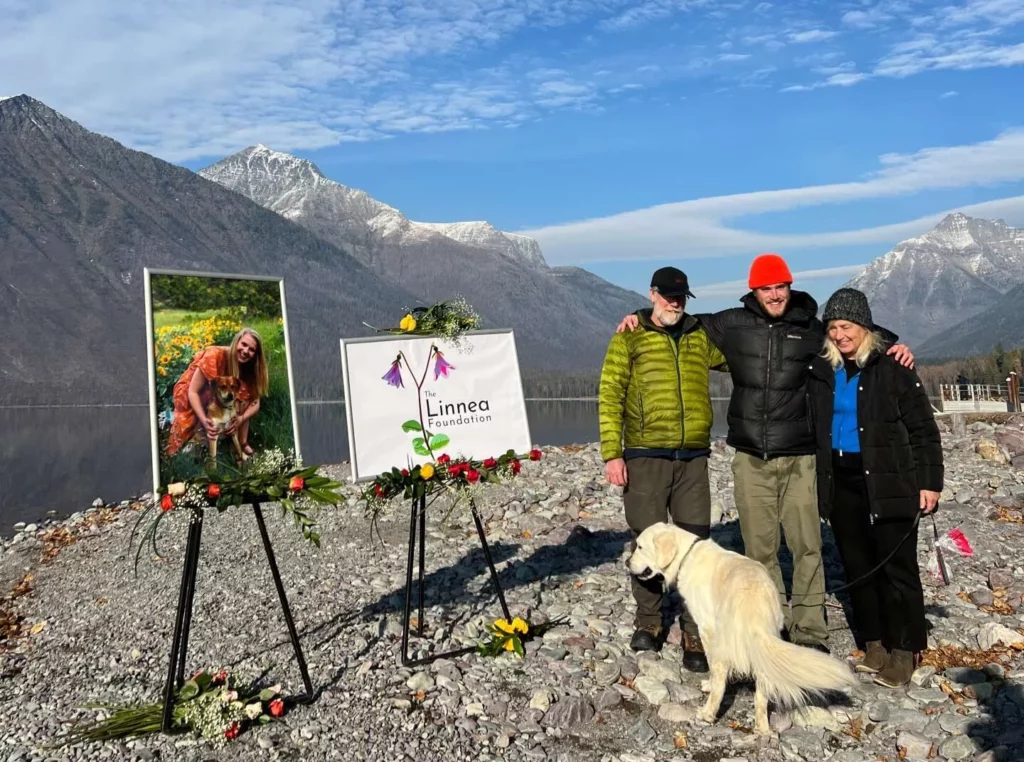
And that curveball ending? Mills’ brother Nick decides not only to learn to dive but to do the very dive on which his sister died, with dad Scott agreeing to join him. Concannon is dubious but makes the necessary introductions.
This development perhaps becomes more explicable – movingly so – when we hear Nick say that he wants to be the kind of diver who could have saved his sister.
Do films like this have an effect? It’s possible if they are widely seen. David Concannon has also been advising another family in the more recent and no-less shocking incident in Texas that left 12-year-old dive trainee Dylan Harrison dead.
He tells me that in that case the “whole thing would have been swept under the rug if it had not been for adverse media publicity. That’s when the Texas Rangers stepped in and did a real investigation.” Criminal charges have now been brought against the lawman / instructor who had been in charge of Harrison’s dive, having already allegedly worked for 29 hours flat.
In terms of Linnea Mills, Concannon believes that “lightning could strike twice as a result of How To Kill A Mermaid. The film will be shown at additional film festivals and I believe it will be picked up by a distributor – hopefully Netflix or Amazon. If so, the authorities could be shamed into doing their jobs.”

The world premiere screening at Big Sky went “unbelievably well”, Damon Ristau tells me. “The theatre was at near-capacity of 750 seats. There was a lot of emotion from the audience and we did a 20-minute Q&A afterwards with Linnea’s father, mother and brother. It was powerful.”
How To Kill A Mermaid is a well-made documentary and it hits the spot. This is not ground-breaking film-making and it doesn’t need to be – it’s all about the story. It is of course also one-sided, in that the other parties named in that lawsuit declined to take part.
The production is now set for another festival showing in dive-centric Florida and discussions are underway with distributors for what Ristau hopes will be a worldwide release soon.
There might well be a few people in the diving world who would prefer that this story just went away, but I have a feeling most divers will welcome the light it shines into the murkier recesses of our sport.
How To Kill A Mermaid: The Linnea Mills Story is produced by FilmWest.