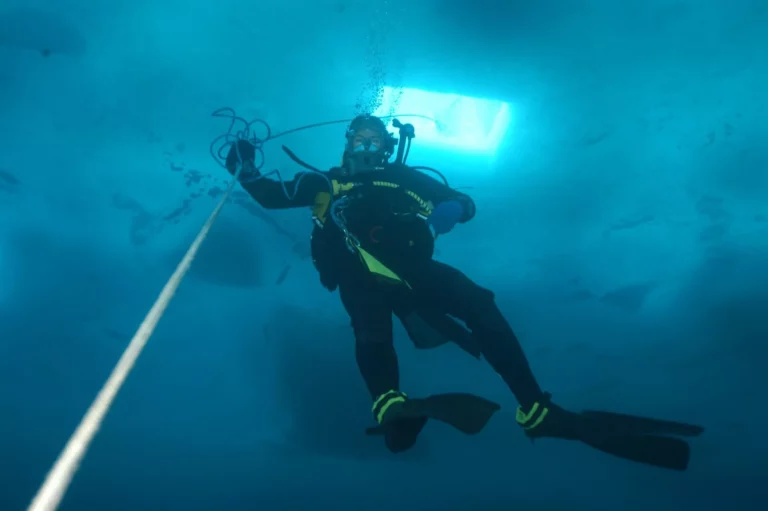
Some scuba divers dream of escaping to work in lands of warm sea and sunshine, with underwater experiences on tap every day. A smaller number of confirmed coldwater divers imagine themselves enjoying regular under-ice experiences in the polar regions.
The opportunity to make that reality has arrived with a new British Antarctic Survey (BAS) recruitment drive. Described as the “ultimate career change for those seeking adventure at the end of the Earth”, a variety of staff are being sought to work at its research stations, in roles that include scuba diving.
It was BAS researchers who discovered the ozone hole in 1985 and identified key evidence for climate change in ancient ice. “The people working on our stations are ordinary people, often doing an ordinary job – just in an extraordinary place!” says Rothera Research Station operations manager Mike Brian.
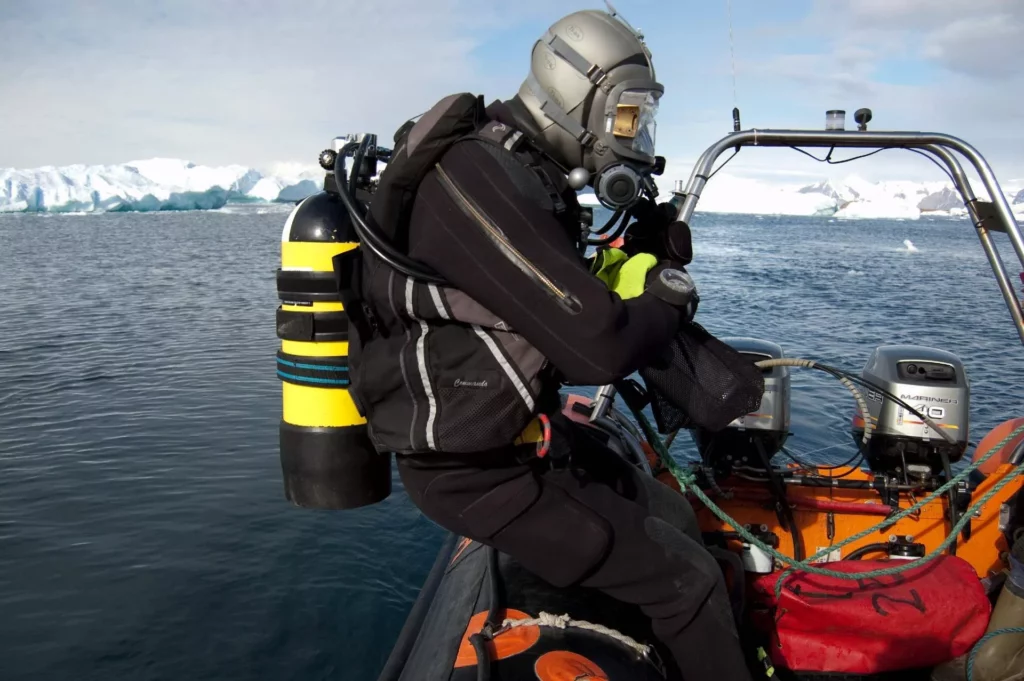
Year-round research takes place at Rothera, the largest station, focusing on marine biology from Adelaide Island; at King Edward Point, a marine and fisheries research station owned by the South Georgia & South Sandwich Islands government; and at Bird Island on South Georgia, a centre for research into seal and bird biology.
The first batch of jobs including those of diving officer and boating officer can be found now on the BAS website, with flexible 6-18-month contracts starting between May and September. More vacancies for roles such as zoological field assistants and station leaders will appear over the next three months.
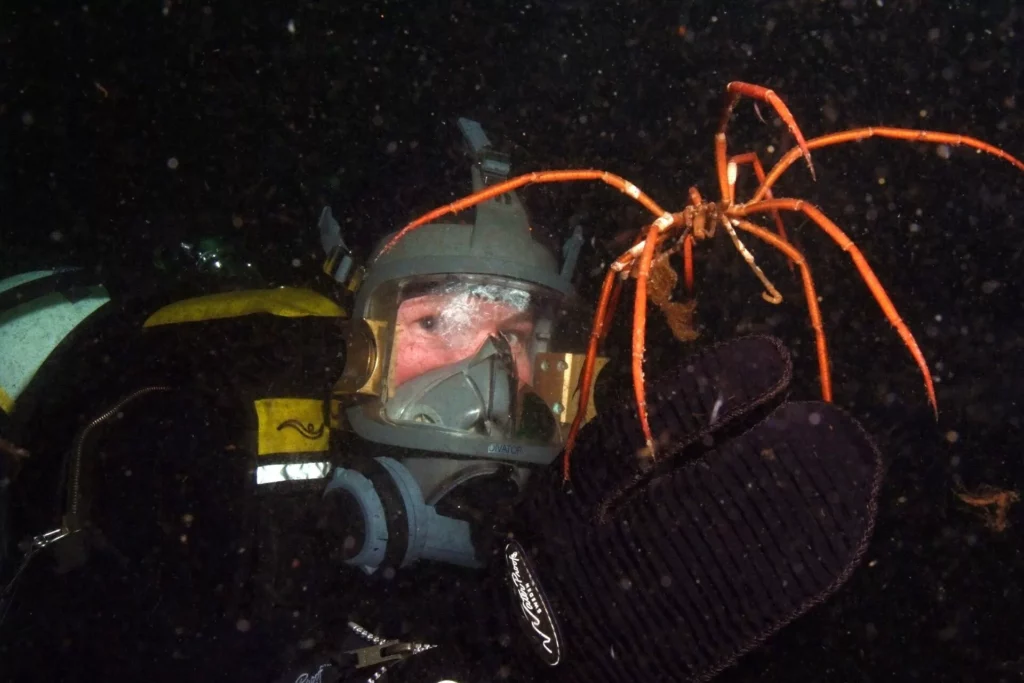
Salaries start at more than £30,000, with a benefits package and ample opportunity to save your pay. “There are no living costs in Antarctica,” points out BAS. “Accommodation, food, travel, specialist clothing, tools and training are all provided.”
BAS HQ in Cambridge is holding a biannual Open Day on Saturday, 21 March and anyone interested in an Antarctic posting can discover more about the life on its podcast Iceworld.