
Scuba diving accidents are rare, but they do happen. Knowing how to recognise and appropriately respond to diving injuries and illnesses may benefit you or someone you care about.
The most commonly reported diving injuries and illnesses via email and the DAN Emergency Hotline are ear and sinus barotrauma, decompression sickness, and marine envenomation.
Ear and Sinus Barotrauma: One of the Most Common Diving Injuries and Illnesses
- Ears feel ‘full’ or like they have water in them
- Severe ear pain
- Dizziness, vertigo, nausea
- Muffled hearing, hearing loss, ringing in the ear
- Red or swollen external ear
- Blood or fluid oozing from ear
- Pain when swallowing
If you or another diver experience any of the above symptoms, stop diving and seek medical care – ideally from an ear nose and throat specialist.
After ruling out an infection, the doctor may recommend nasal steroid sprays, acetaminophen, ibuprofen, a hot compress, or oral decongestants like pseudoephedrine.
Avoid ear barotrauma by equalising early and often. Never force your descent and avoid using decongestants.
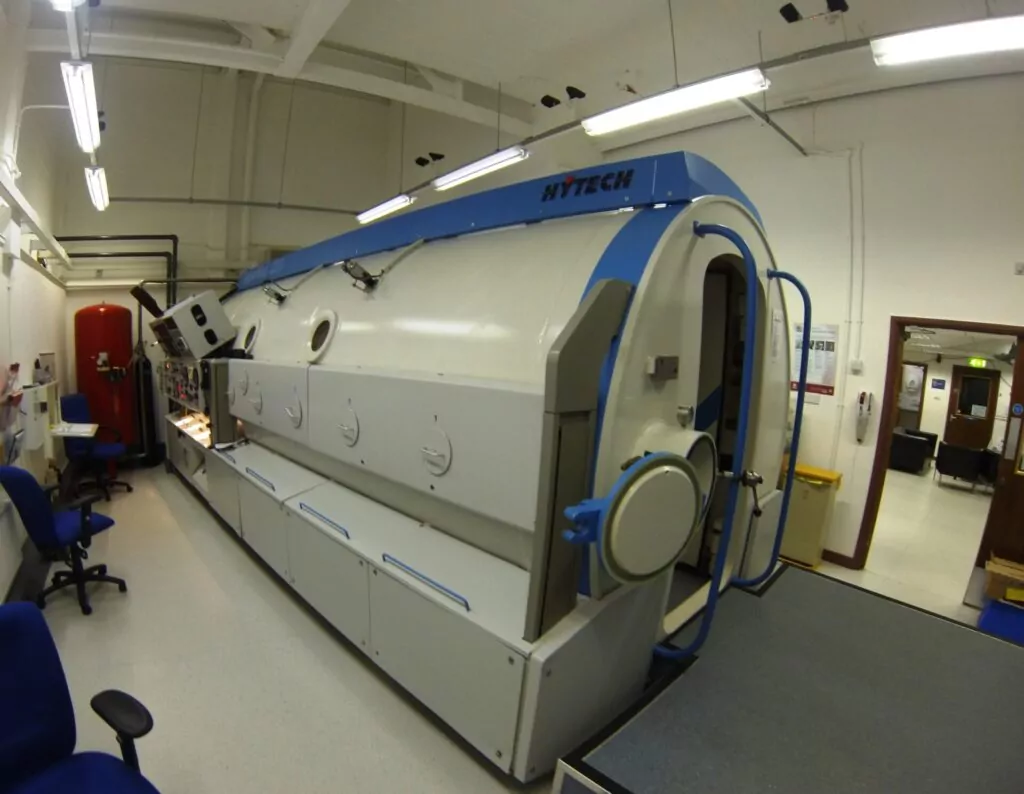
Decompression sickness (aka The Bends)
Decompression sickness describes injuries resulting from a rapid decrease in surrounding pressure. Nitrogen absorbed by the body at depth comes out of solution and forms bubbles in body tissues and the bloodstream.
DCS occurs most often when a diver pushes depth and time limits, but it can occur without obvious cause.
Symptoms of DCS may include skin rash, itching, joint pain, dizziness, fatigue, and bladder problems. These symptoms usually occur within one hour after surfacing, but can be delayed up to 24 hours.
Denial is arguably the worst ‘symptom’ of DCS as the sooner DCS is treated, the more likely it is the diver will make a full recovery.
Oxygen first aid is essential and may reduce symptoms; however, O2 is not a substitute for a full evaluation by a medical professional. Always contact DAN or a dive physician if signs of DCS are observed – even if they’ve diminished.
Marine envenomation
Many marine animals use toxins for self-defence or for prey capture. Envenomation occurs when direct contact is made and the venom or toxin is injected by bite, puncture or sting.
Injuries typically occur as divers are entering or exiting the water, but they can also happen when a diver accidentally or deliberately attempts to handle an animal. Envenomations usually cause itching, burning, or other irritation. Rarely do life-threatening reactions occur.
Coral scrapes are perhaps the most-common marine liferelated injury experienced by divers and snorkellers.
Cuts and scrapes from coral and barnacles can fester like a cat scratch – taking weeks or even months to heal without proper treatment. Spine punctures and stings are another common marine life injury. How to treat:
- Carefully remove the spine or stinger (not recommended for stingray spines)
- Immerse the wound in non-scalding hot water: 43.3 – 45°C (to tolerance)

DAN encourages divers of all levels to get first-aid training and be prepared to respond to diving injuries and illnesses, including first aid for marine life injuries.
However, if the injured diver is weak, vomiting, short of breath, or acts intoxicated, seek immediate medical care.
Preventing Diving Injuries and Illnesses
Most diving injuries and illnesses are preventable. Breathe constantly, equalise regularly, avoid contact with marine life, and ascend slowly. Always prioritise safety and know the symptoms of common diving injuries and illnesses before your dive.
Disclaimer: The information above is for informational purposes only and is in no way meant to take the place of skilled medical care.
For an extensive range of diving health and safety information and downloadable resources, research studies, incident summaries, and free e-Learning courses, take the time to explore DAN World’s website.

FAQs
What are the most common diving injuries?
The most reported diving injuries include ear and sinus barotrauma, decompression sickness (the bends), and marine envenomation.
How can I prevent ear and sinus barotrauma while diving?
Equalise early and often during descent, avoid diving with congestion, and never force your ears to clear to reduce barotrauma risk.
What are the early signs of decompression sickness?
Early signs include skin rash, itching, joint pain, dizziness, fatigue, and bladder issues. These can appear within an hour of surfacing.
How should marine envenomation injuries be treated?
Remove any spines or stingers if safe, immerse the wound in hot (non-scalding) water, and seek medical care if symptoms are severe.
When should I call DAN or seek emergency medical care?
Always call DAN or go to a medical facility if symptoms worsen, involve breathing difficulties, vomiting, or neurological changes.
Why is first-aid training important for divers?
First-aid training prepares divers to respond quickly to injuries, potentially reducing severity and improving recovery outcomes.
This article was originally published in Scuba Diver ANZ #63
Subscribe today with promo code DIVE1 — enjoy 12 months for just £1!
