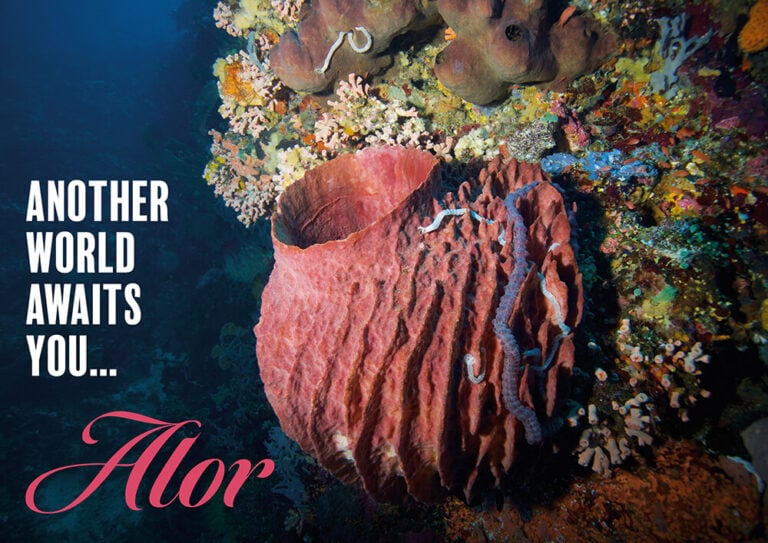
John Magee is entranced by the diverse selection of dive sites, and the myriad varieties of marine life, when diving Alor in Indonesia.
Nestled away in the corner of the Coral Triangle is a hidden marine paradise. The Alor Tanapi Dive Resort is located at the bottom of the Banda Sea in Indonesia and is one of the last untouched gems of the diving world. Their coral reefs boast drop-offs, lagoons and muck diving, and host fish and critters of all shapes and sizes. It truly feels like a local paradise with no alarm clocks needed here; instead, the fishermen putting their boats out each morning will gently wake you for a day of phenomenal diving.
Getting to Alor and Arriving at Alor Tanapi Dive Resort
Getting here from Australia can be a bit of a mission, but it is well worth it. You can either head to Jakarta or Bali, and from there it’s a hop to Kupaug and finally a skip and a jump to Alor itself. Alor is part of the Alor archipelago of islands and is the largest of the 92 islands that make up this area. The resort staff will pick you up from the airport, and it’s a beautiful one-hour drive to the accommodation.
From the very beginning, I could tell this was going to be a special experience. Driving past pristine white sand beaches and scenery that a movie would be jealous of, I could see the potential of this island even before I got in the water.
As soon as you arrive at the Alor Tanapi Dive Resort, whatever worries life gives you just melt away. With only six bungalows, this resort offers an intimate and private style holiday with over 40 dive sites to choose from on a daily basis. You certainly get the feeling here that this is the place for divers seeking that escape like no other.
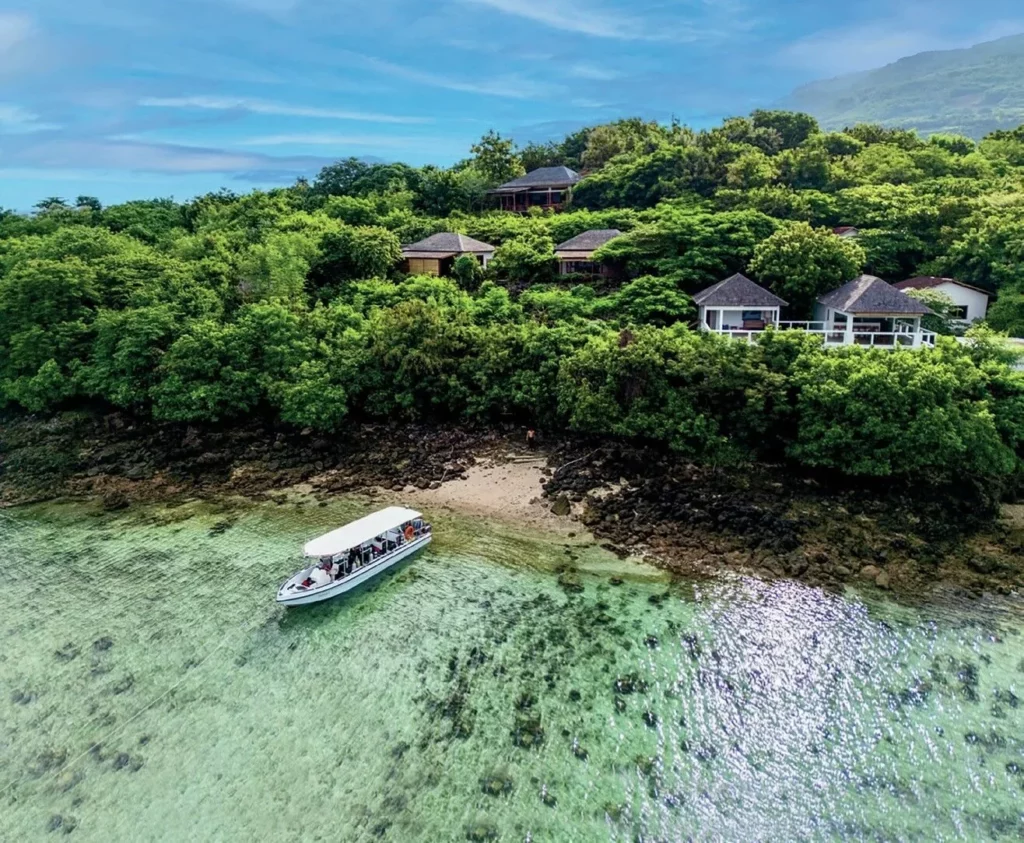
After getting settled into my beautiful cabin, it was time for my first dive. The dive set up here was amazing with perfectly maintained equipment and a great changing area, air and nitrox are both available and if you have anything at all that you may have forgotten, the resort probably has it to borrow. There is even a photography room with all the power and facilities you may need as an underwater photographer! The resort offers three dives a day with an optional extra night dive. I stayed for seven nights and dived three times a day, there was just so much to explore!
Did you know?
Alor is one of the world’s most ethnically diverse places. On the island there are 140,000 people divided among 50 tribes, each of which speaks a distinct languages or dialects that fall into seven distinct language groups.
House Reefs and Wall Diving Around Alor
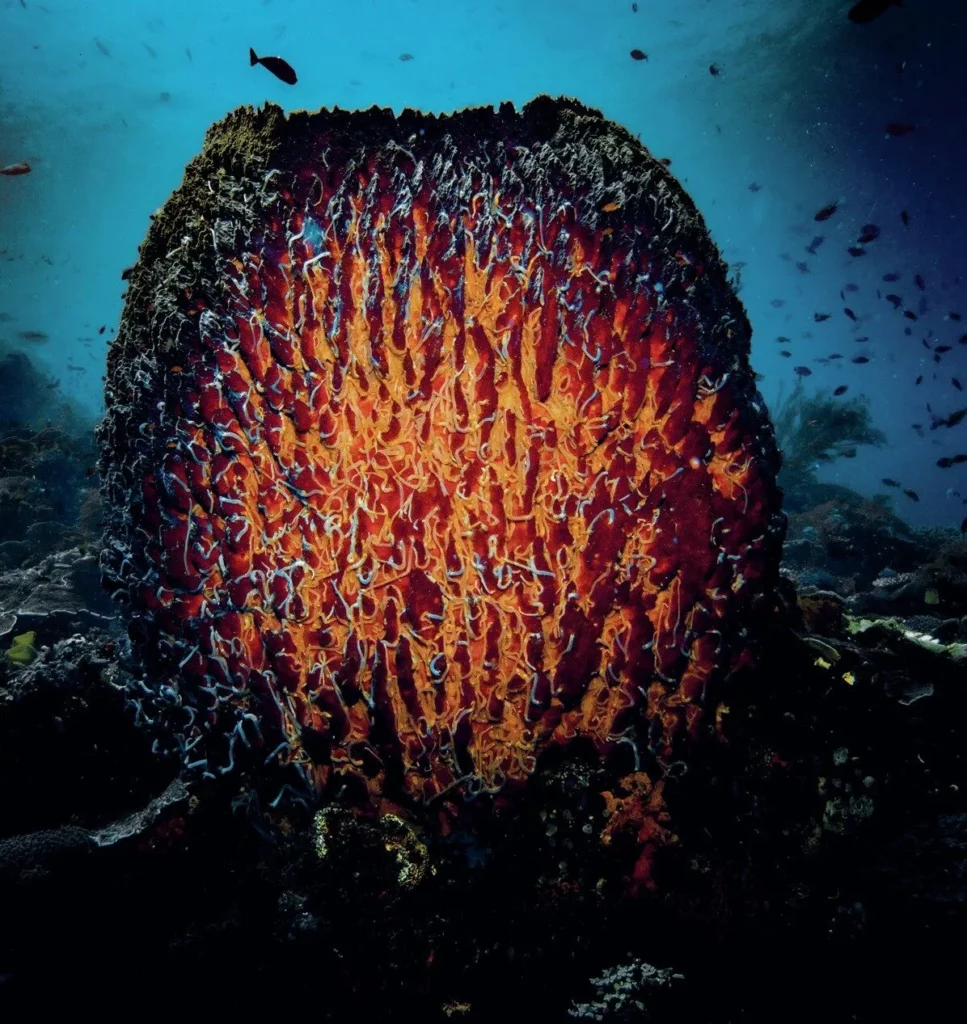
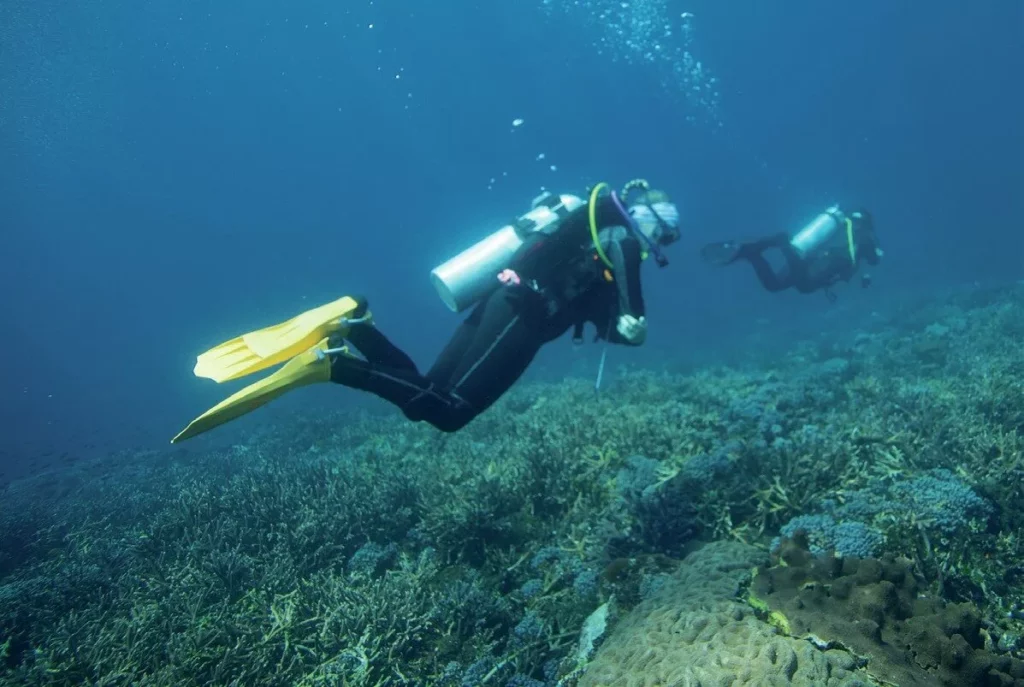
The first dive of the trip was a site just close to the resort called Hula. This coral wall drops away to the depths of the ocean, so we stayed around 20m and drifted lazily with the current. The wall was covered in both hard and soft corals, barrel sponges everywhere you looked, some that even seemed to hold their own little ecosystem within them. Turtles and tuna swam past me, and I enjoyed the warm waters. The water here does get cooler but it’s only later in the season that you would need a thicker wetsuit.
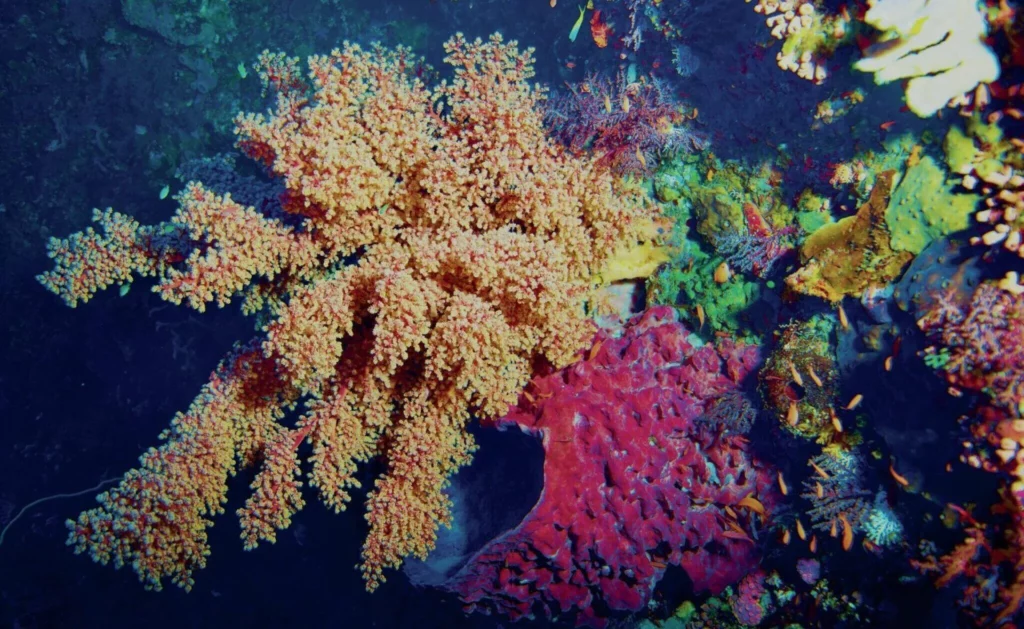
The next day turned out to be one of the best days of the trip. Breakfast was, as always, bright and early, with a great selection of food to choose from, local fruit and a strong coffee to get the day going. I jumped into the resort’s dive boat and headed 15 minutes across the bay. The boat is small and comfortable, easily taking eight divers and their gear, but it did not feel crowded at all. Once at our destination, Bama Wall, we jumped into what you can probably guess was another wall dive, but a step up even from day one. I quickly lost count of the number of different species of coral that I saw, as well as reef fish everywhere you looked. A couple of days later, we even heard that a whale shark had been seen there – just my luck!

Driving past pristine white sand beaches and scenery that a movie would be jealous of, I could see the potential of this island even before I got in the water
Macro and Muck Diving: Bakalang Jetty and Beyond
The second dive of the day was another short boat trip to Bakalang boat jetty. This dive was one of the highlights of the trip. A drop next to the jetty and a short swim takes you to a 14m deep sandy slope with two jetties side by side, old and new. Both provide fantastic protection for macro life and some beautiful wide-angle shots for the more artistic photographers.
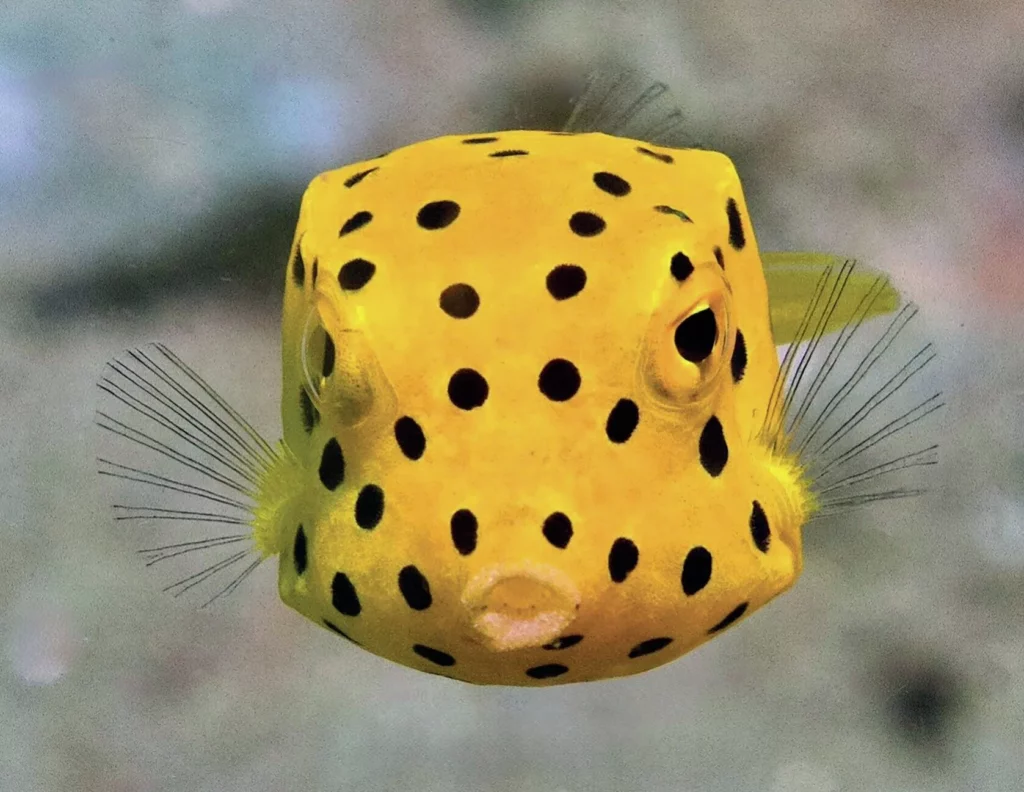
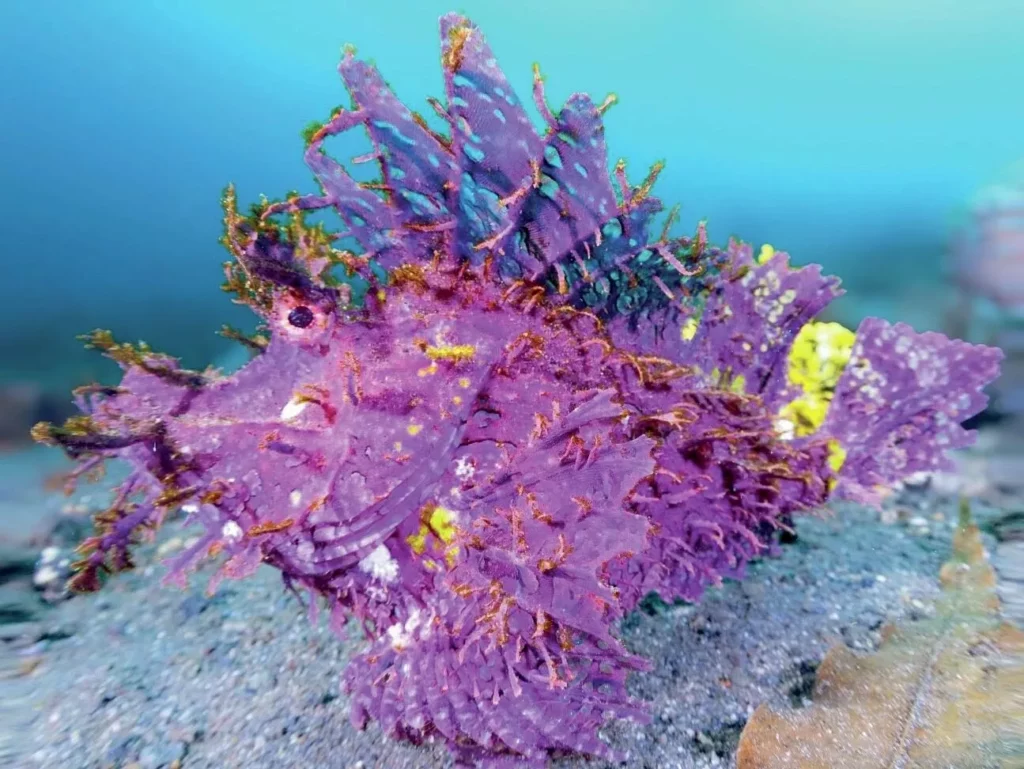
In among the structures, I was lucky enough to find waspfish, ghost pipefish, shrimps, crabs, nudibranchs, ribbon eels, juvenile boxfish… I think you get the picture. It really was a macro paradise, and I was finding new things to photograph every time I turned. I ended up having to be dragged back to the boat, still clicking away furiously.
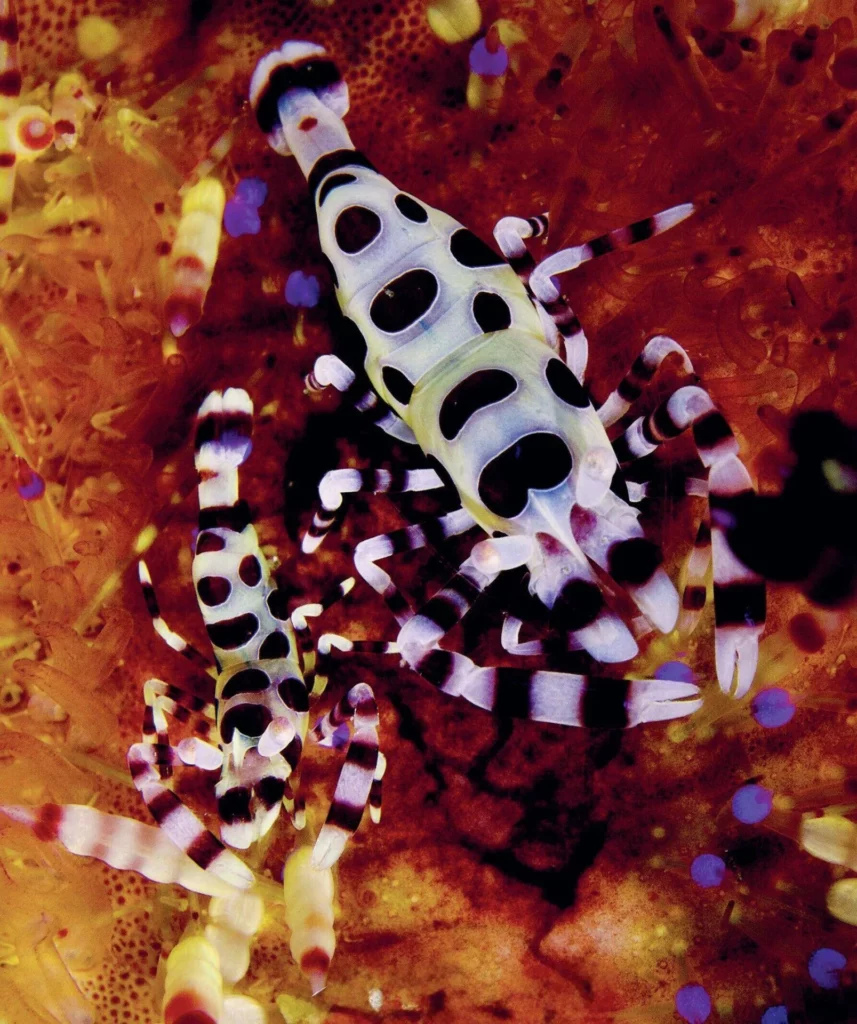
Lunch was, as was always the case, the most-delicious local Indonesian food with a wide variety of choices. If this wasn’t to your liking, however, they were very happy to cater to your individual needs. After the required refuel for the divers, we jumped back in for the third dive of the day. As became a pattern, the third dive was a muck dive, this first one being just beside a pearl farm where I was wary of potential watchful guards ensuring the divers didn’t get too close for a sneaky souvenir!
Signature Dive Sites: Cathedrals, Red Sand and Apul Reef
Back at the resort, the cabins provided an amazing night’s sleep with air conditioning and beautiful outdoor bathrooms complementing the modern design of the rooms. But there was no rest for the wicked, I came here to dive, and so the next day I was back at it again, this time heading south to a site they don’t often get to visit due to weather conditions, Cathedrals. This site boasted a huge swim through at 30m, likely giving it its namesake, with coral walls hosting thousands of red tooth triggerfish. It really was a sight to see.
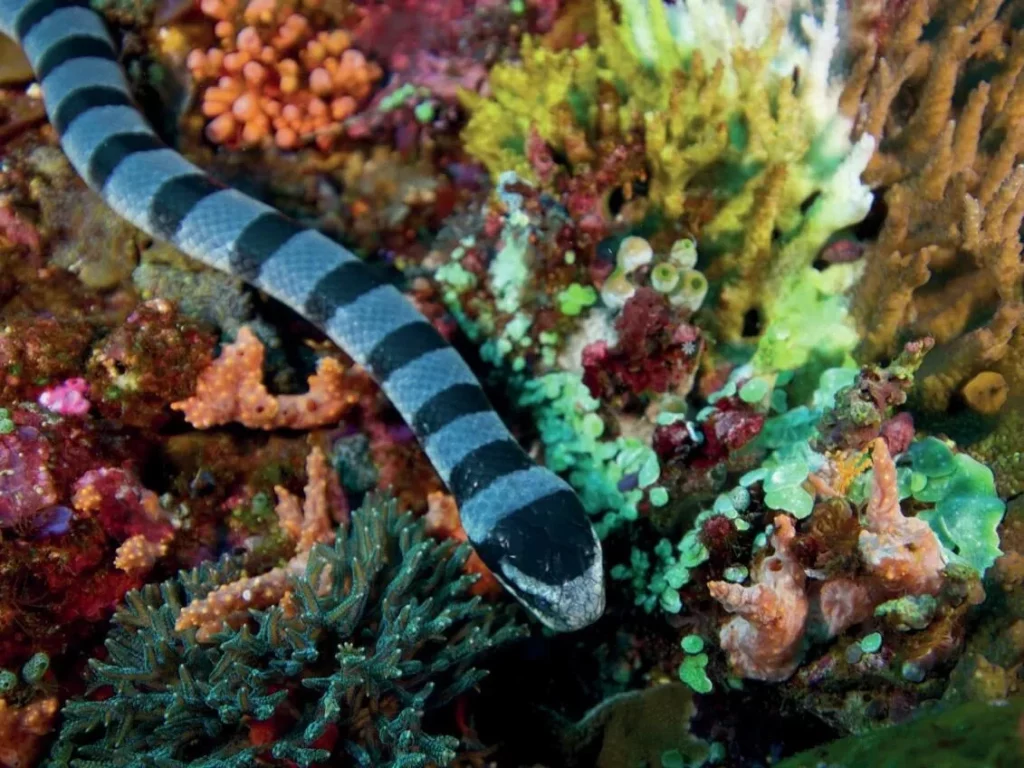
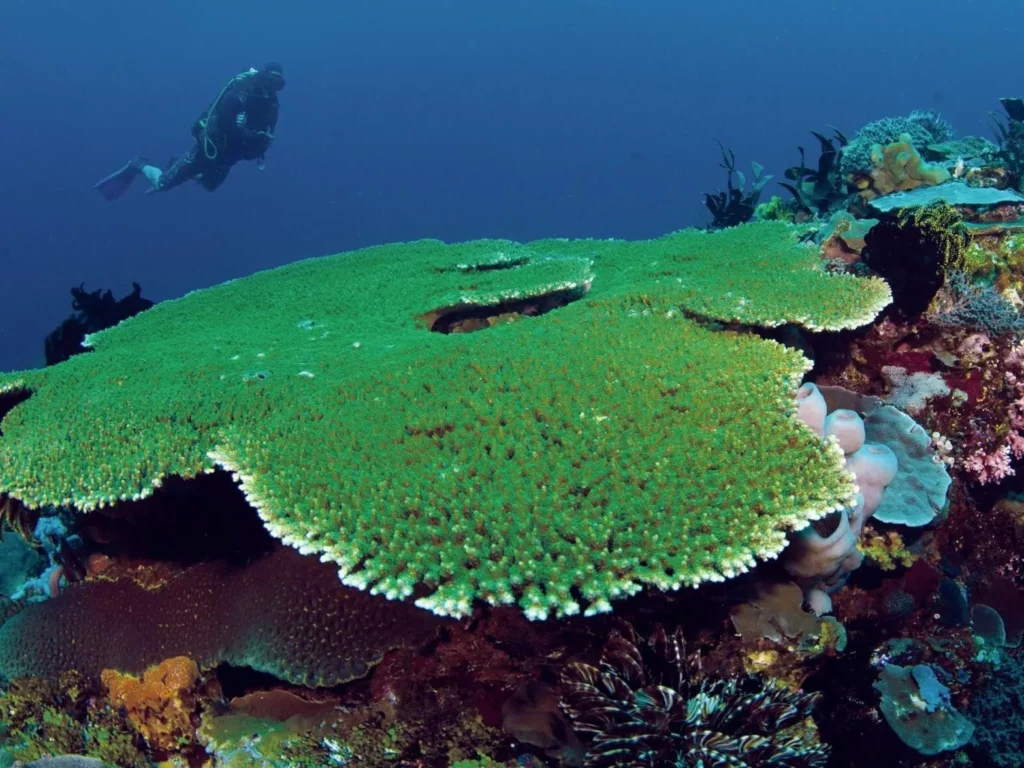
And so, over the next few days, I fell into a routine. Three dives a day on sites that were all unique and supported some phenomenal marine life. It truly does seem to be one of the last untouched places on earth. Some of the other personally worthwhile site mentions were Red Sand, with sea snakes and turtles everywhere, Apul Reef with staghorn corals as far as the eye can see, and Schools Out, a slow and shallow drift dive with marine life everywhere.
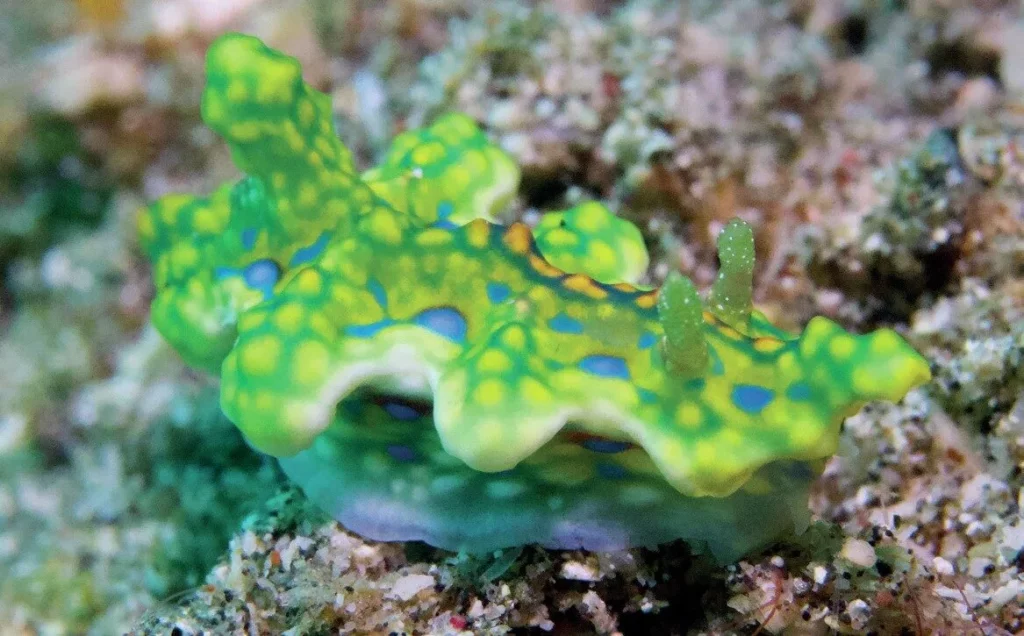
Mucky Mosque was another highlight for macro life. Although initially not so impressive, like many muck dives, at this site we found everything you could imagine. After pipefish, nudibranchs, seahorses and frogfish, I realised that the guides weren’t that impressed and were looking for other things. It turns out that this site also boasted the rare rhinopias but there were very tricky to spot. Although we had no luck on this trip, it just gives me an excuse to head back again another time. It truly felt like the fish at many of these dive sites had never seen humans before, many of them will stop what they are doing and turn to look at you, regarding the strange and unco-ordinated creatures that are intruding in their slice of paradise.
Marine Life and Seasonal Highlights When Diving Alor
And paradise it is. Not only is the resort designed for diving, it provides everything you could imagine in terms of relaxation and privacy as well. The season here tends to go from April to December and at different times of the year, you can see different things. Between June to November, blue whales have been spotted, and October is time for hammerhead sharks, false killer whales and dolphins following the tuna that come in around then. And you may be lucky to see one of the local rare celebrities, Mawan the Manatee. I can guess when I will be back!
Why Alor Remains One of Indonesia’s Last Untouched Dive Destinations
The Alor Islands are home to possibly one of the last places in the world where you can find reefs and marine life like this, as well as staying in such a unique and beautiful divers paradise that is the Alor Tanapi Dive Resort. A huge thank you to Isabelle and the staff for making this a wonderful experience on every level and I can’t wait to return.
Frequently Asked Questions
Where is Alor located in Indonesia?
Alor lies in eastern Indonesia at the southern edge of the Banda Sea, within the Coral Triangle, and is part of the Alor archipelago.
What type of diving is Alor known for?
Alor offers wall diving, coral reefs, muck diving and macro photography, with strong currents bringing exceptional marine biodiversity.
Is Alor good for macro photography?
Yes. Sites like Bakalang Jetty and Mucky Mosque are macro hotspots featuring ghost pipefish, nudibranchs, frogfish and rhinopias.
When is the best time to dive in Alor?
The main dive season runs from April to December, with whale sightings possible from June to November.
What large marine life can be seen in Alor?
Divers may encounter turtles, tuna, sea snakes, hammerheads, dolphins, false killer whales and occasionally blue whales.
This article was originally published in Scuba Diver Magazine
Subscribe today with promo code DIVE1 — enjoy 12 months for just £1!
