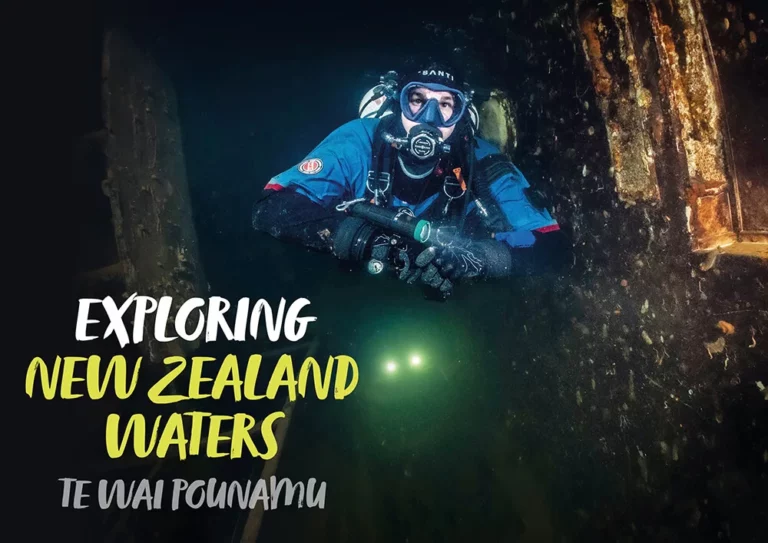
The Māori name for New Zealand’s South Island – Te Wai Pounamu – translates as ‘the waters of greenstone’, so it seems fitting that those willing to brave the rugged conditions will be rewarded with a plethora of magnificent dive sites, as Judy Ormandy explains
Te Wai Pounamu
Above water, you will find soaring alps and wild coastlines, and the scuba diving is as dramatic as the scenery above. For the adventurous diver, Te Wai Pounamu offers a rugged beauty that is unmatched anywhere else in the Southern Hemisphere. The waters cool as you move south, making a drysuit almost essential – the brave may cope in a 7mm wetsuit.
Mikhail Lermontov Shipwreck, Port Gore, Marlborough Sounds
Picton Harbour Master Don Jamieson has never explained his decision to detour the Russian cruise ship Mikhail Lermontov too close to the rocks of Port Jackson, but his baffling navigation has benefitted wreck diving enthusiasts since the 1986 sinking. The 186-metre–long intact cruise liner lies on her starboard side near Port Gore in 40m of water. Within recreational diving limits, you can swim in the ship’s swimming pool, meander along the winter garden and complete a bar crawl through the Bolshoi Lounge, Nevsky and Neptune bars. You can make a grand entrance along the now-horizontal staircase that descends into the Bolshoi lounge, admiring the anemone-encrusted chandelier that juts sideways from the now-vertical ‘ceiling’. In the bridge you can admire the ship’s navigation and control systems, now commandeered by crayfish.
Penetrating the wreck requires technical training and the use of a reel. The layout can be confusing and internal areas silt out easily. Exploring the multistoried engine room can occupy you for several dives. In the ship’s restaurant, you will find tables eerily protruding sideways and the kitchens still have numerous appliances and sinks designed to meet the demands of large-scale cooking. Now faded red chairs and a silt-coated piano sit in the crew’s mess, and those keen for some shopping can explore the duty-free corridor.
Did you know ?
The top of the Mikhail Lermontov wreck sits in 12m of water allowing even novice divers to explore the exterior. Diving deeper there are various openings for wreck penetration and lots of fish and curious marine life.
Fiordland
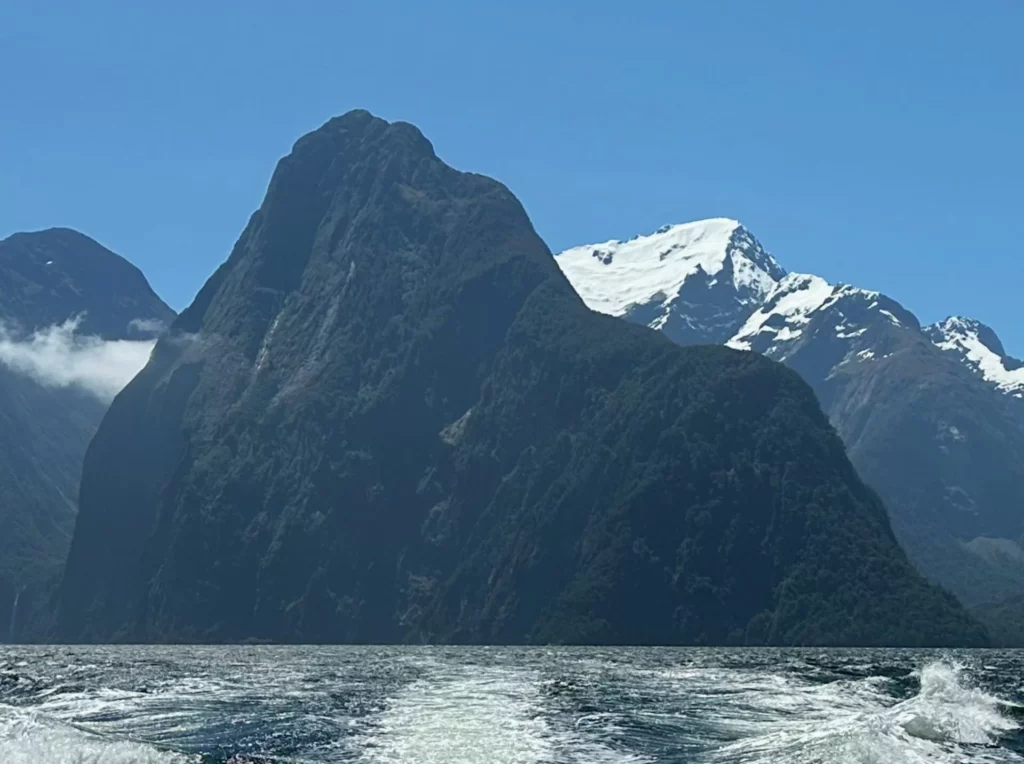
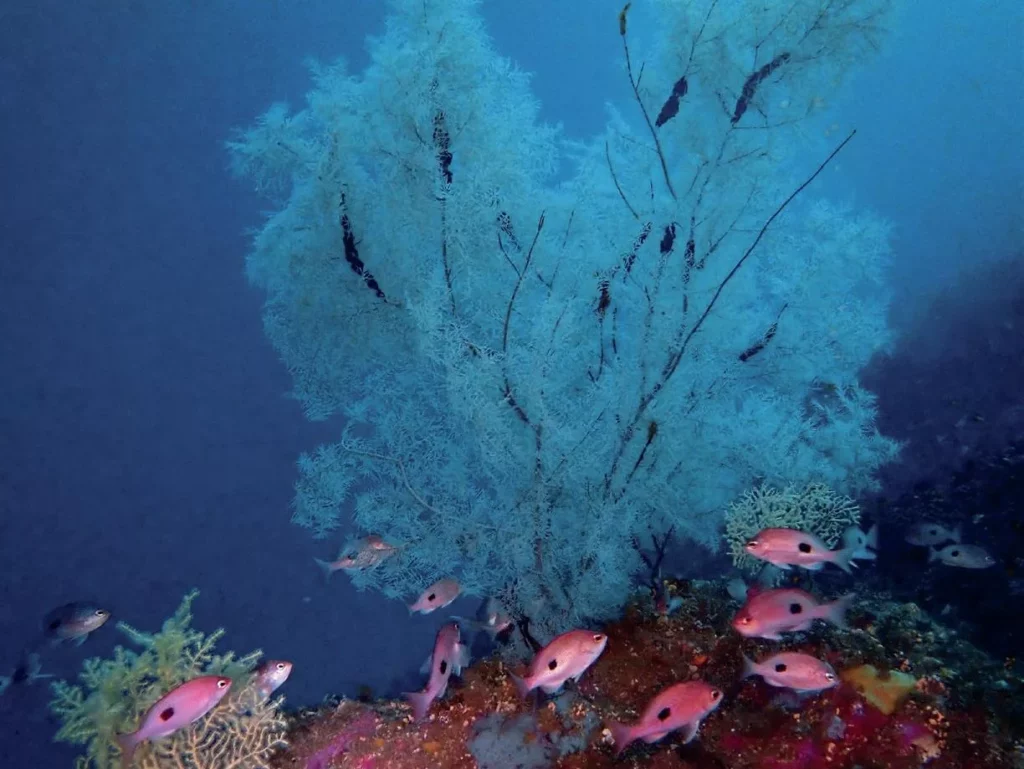
Located in the remote southwest corner of Te Wai Pounamu, Fiordland is home to spectacular fjords carved out by glaciers, cascading waterfalls and striking landscapes. For those willing to brave the cooler temperatures, what lies below the surface is even more extraordinary. Fiordland receives nearly eight metres of rainfall each year and the glacial run-off causes a tannin-stained freshwater layer to float on the seawater below. The darker fresh water reduces light penetration so deeper water species such as black coral are able to thrive in shallower water. This allows divers a glimpse of deep-sea ecosystems at recreational depths.
Diving in Fiordland presents some challenges in access, but is worth the effort and expense. Milford Sound can be dived as a day trip, but those venturing to Dusky and Doubtful Sounds or Preservation Inlet for the truly adventurous will require a liveaboard and probably a picturesque helicopter ride too.
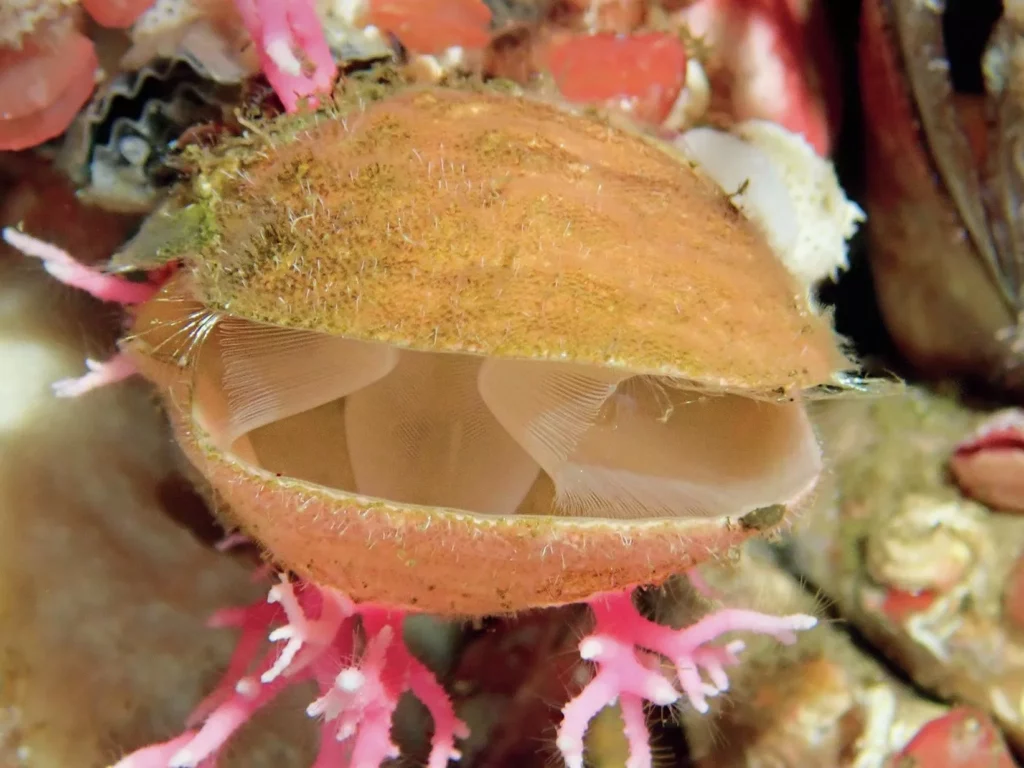
Fiordland is home to large populations of black coral (Antipathes fiordensis). The coral is actually white but so named for its black skeleton. The treelike colonies of black coral are intertwined with snake stars and are habitat for critters and schooling butterfly perch. The sheer cliffs above water continue below water providing never-ending wall dives – the depth rapidly drops to over 100m in places, so depth needs to be monitored and divers will need good buoyancy control. The walls are choked with tunicates, sponges and bryozoans. Red corals, smaller and equally delicate emerge from the depths, contrasting with yellow zoanthid anemones. Colonies of brachiopods, ancient marine invertebrates also known as lamp shells, are commonplace in Fiordland. These primitive shellfish are unchanged over millions of years, seemingly forgotten by evolution. Inquisitive seven-gill sharks may startle divers in gentle swim-bys.
Dunedin
Located on the Southeastern coast of the South Island, Dunedin can fly under the radar as a dive destination. Divers will find thriving kelp forests, crayfish, sea perch and numerous nudibranchs in dive sites around the Otago Peninsula and Aramoana Mole, although the friendly sea lions can get a little too enthusiastic on occasion. The Mole is a man-made rock wall created to prevent the harbour from silting, with several wrecks scuttled along it to protect it from erosion. In the weeds near Monarch Wharf, you can find the distinctive pot-bellied seahorse. Shore diving can be done independently although the local shop runs guided club dives and sometimes boat charters.
Lake Dunstan
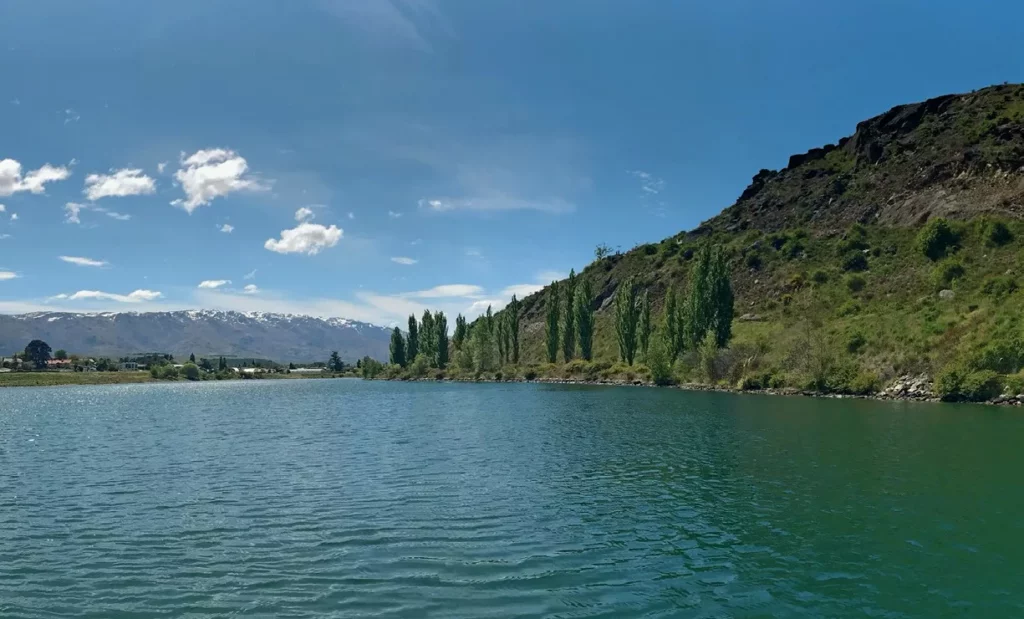
Diving the Cromwell and Lowburn bridges in the chilly Lake Dunstan is an eerie and surreal experience. Above water, you will be rewarded with stunning Central Otago landscapes. Lake Dunstan was created in 1992-1993 with the construction of the contentious Clyde Dam hydroelectric scheme, flooding parts of the town of Cromwell and adjoining lands. Prior to the lake being filled, the buildings of old Cromwell town and surrounding trees were removed, but the Cromwell and Lowburn bridges were left intact and can still be found lurking obstinately below the murky waters. The steel-structured Cromwell Bridge was built in 1864, once a vital link across the Clutha River. Supported by stone piers, the steel girder bridge now sits at a depth of 10m-25m under Lake Dunstan. Diving the bridge, the girders and piers evoke images of an industrial forest with their haunting framework shimmering in the low visibility waters. This bridge can be dived as a shore dive if desired.
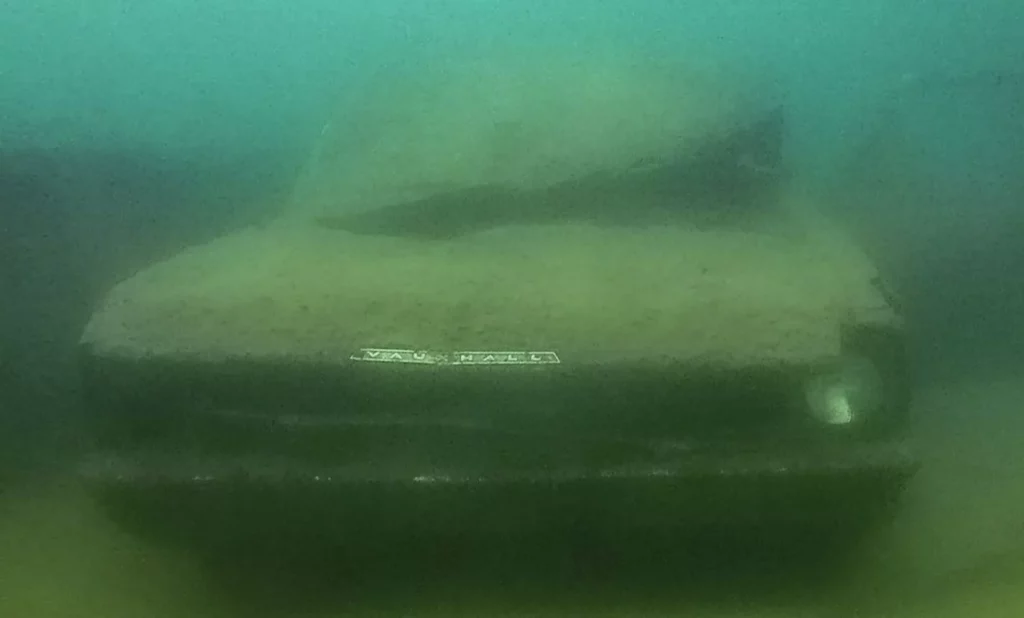
The Lowburn bridge was opened in 1938 to replace the Lowburn ferry and features a concrete arch design. As the waters of Lake Dunstan submerged the bridge, local dive club members spirited a car onto the centre of the bridge. The Vauxhall Cresta, now a focal point of the dive, sits forlornly in the gloomy waters. Ghostly and disheveled, only one headlight remains, the driver’s door sits ajar and the steering wheel pokes into the bleak waters. The bridge sits at between 10m-20m depth and a boat is required to access the dive.
Within recreational diving limits, you can swim in the ship’s swimming pool, meander along the winter garden and complete a bar crawl through the Bolshoi Lounge, Nevsky and Neptune bars
Rakiura Stewart island
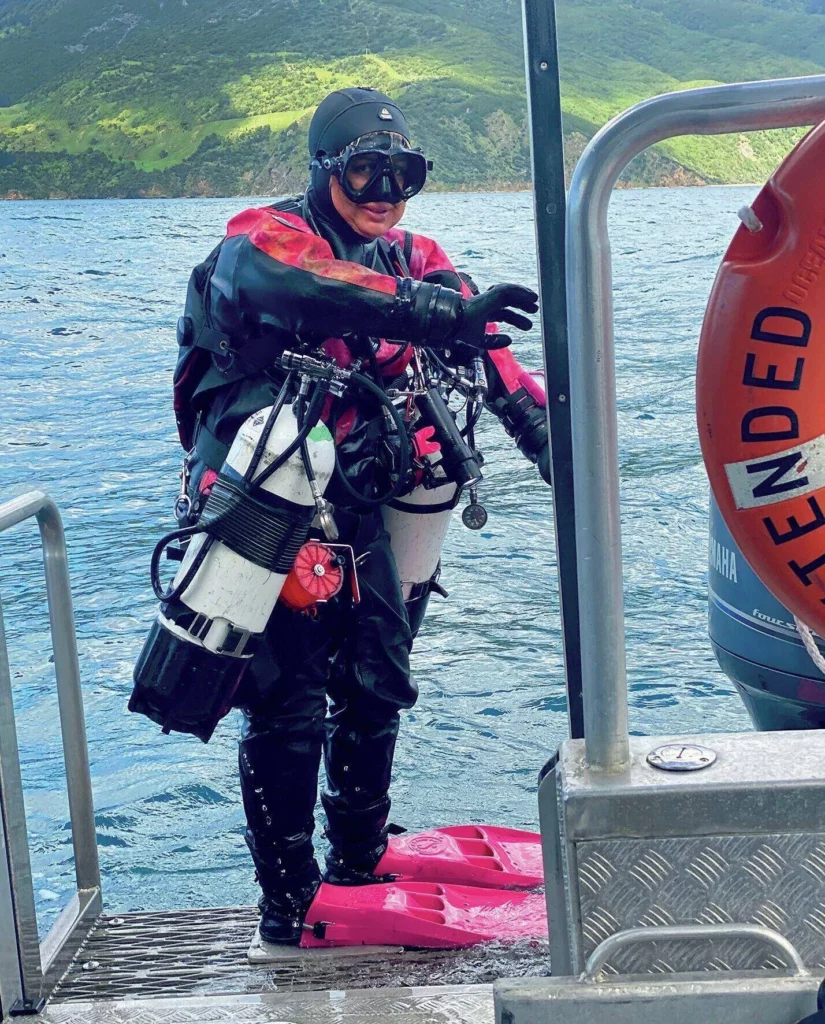
South of the Southern port of Bluff, lies Rakiura Stewart Island. Rakiura translates as glowing skies. Reaching this far south feels like reaching the edge of the world, marking a spectacular end to a diving journey through the waters of Te Wai Pounamu. Adventurers intrepid enough to dive here will be rewarded by breathtakingly wild scenery. The conditions above and below water are unpredictable and change quickly – I recall entering a 60-minute dive in glorious sunshine and emerging 60 minutes later to a pelting hailstorm. Accessing more remote areas will require a boat charter.
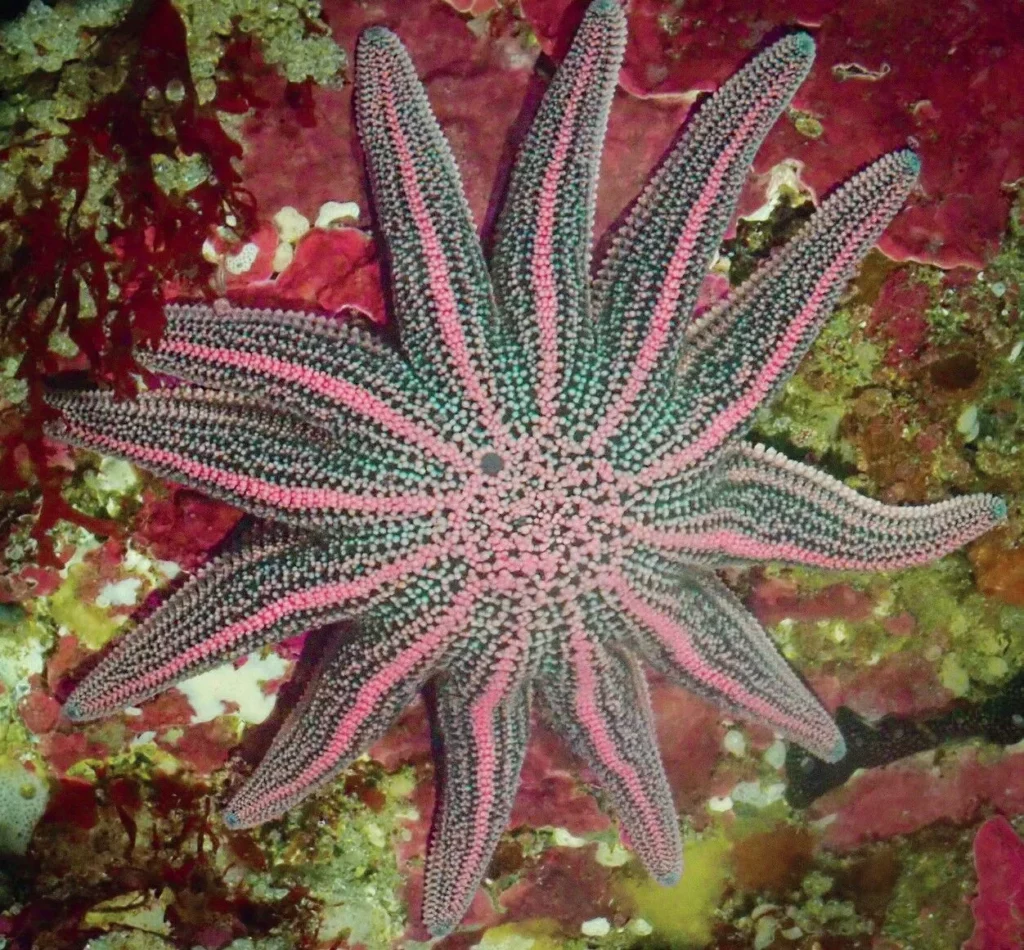
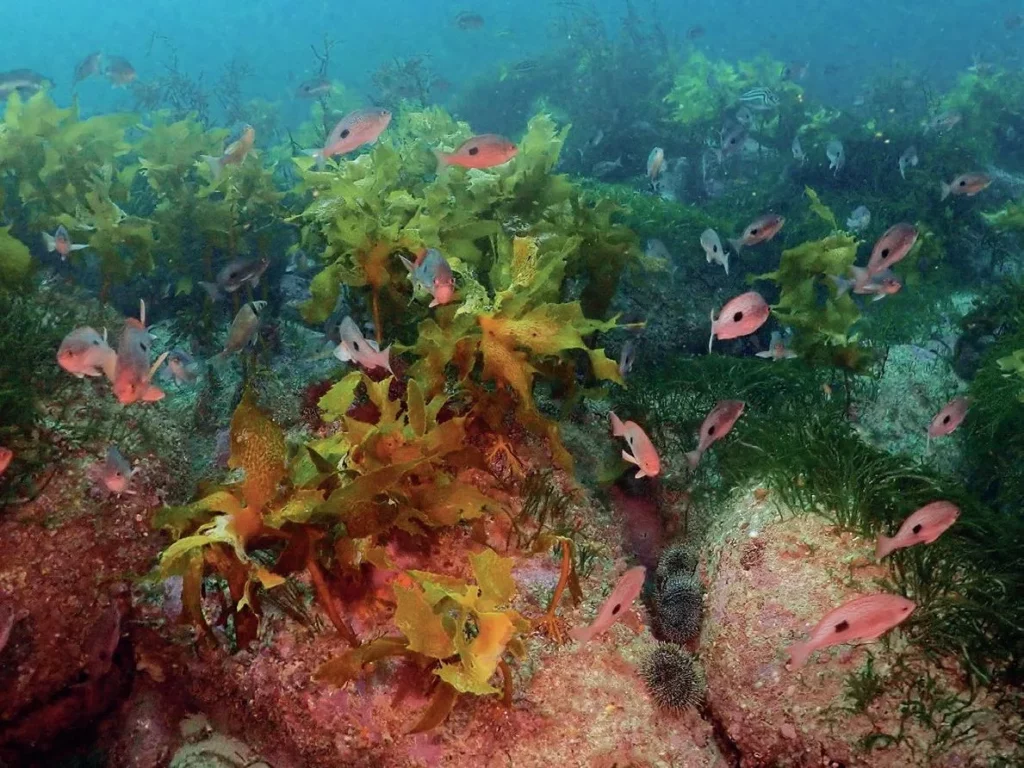
Isolated Port Pegasus is dominated by the imposing granite mounds of Gog and Magog. Underwater you will find lush kelp forests and a fish soup of schooling trumpeter, girdled wrasse and butterfly perch. Curious pirouetting sealions are unaccustomed to human interlopers in their corner of the ocean. Coastal inlets with amusing names such as Chew Tobacco have 20-30 metre visibility and pristine white sand beaches, but any tropical illusions are rapidly discarded upon entering the frigid 11-degree C water. In Paterson’s Inlet, close to the settlement of Oban, the marine reserve highlights include the bizarrely shaped southern pigfish, strawberry sea cucumbers and kelp forests.
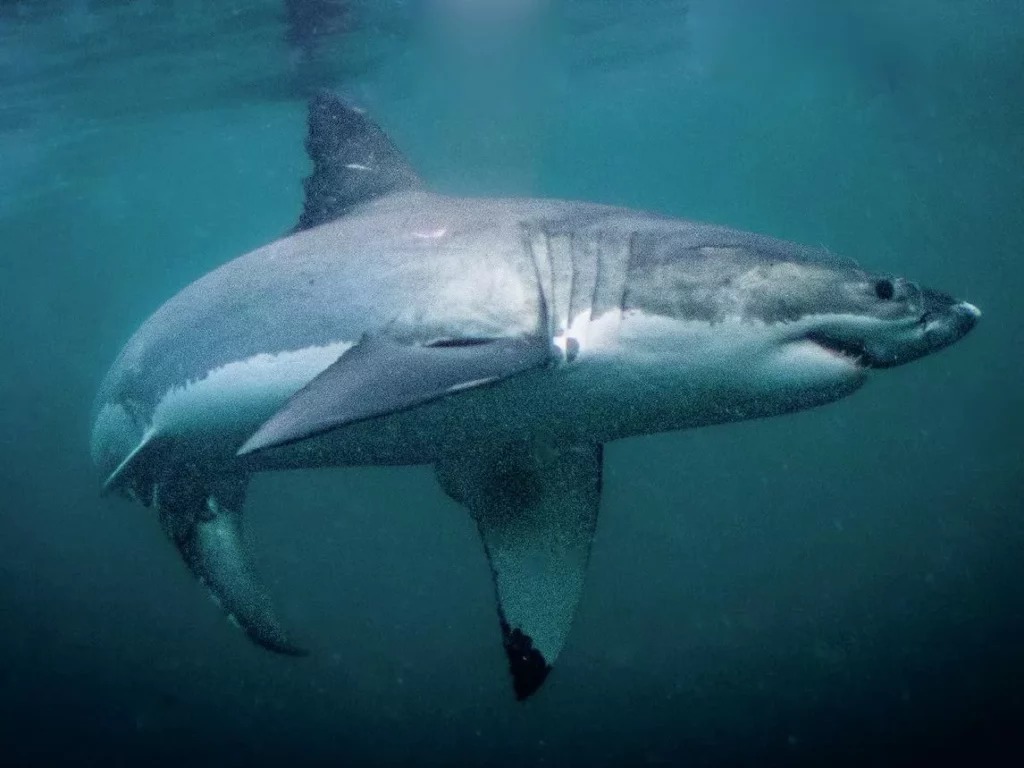
Stewart Island is also a thrilling and sometimes controversial spot for great white shark cage diving. Trips depart Bluff daily from December to June, allowing an opportunity for eye-to-eye encounters with the ocean’s apex predator. From the safety of a sturdy metal cage, observing the power and grace of a great white shark emerging from the ocean is an unforgettable experience.
FAQs
What is the best time of year to dive the South Island of New Zealand?
While diving is possible year-round, the most settled weather occurs from January to June. For those interested in Great White Shark cage diving off Stewart Island, the peak season runs from December through June.
Do I need a drysuit to dive in Te Wai Pounamu?
Can beginners dive the Mikhail Lermontov shipwreck?
Yes. The top of the wreck sits at just 12m, making the exterior accessible to novice divers. However, internal penetration of the ship’s bars and engine rooms requires advanced wreck training and technical certifications due to silt and complexity.
Why is Fiordland famous for deep-sea species in shallow water?
Fiordland experiences high rainfall, creating a permanent tea-colored freshwater “tannin” layer on the surface. This layer blocks sunlight, tricking deep-sea species like black coral into growing at recreational depths (under 40m).
Are there dive shops on Stewart Island (Rakiura)?
Yes, there are now specialised operators on the island. Dive Rakiura offers guided snorkeling and freediving experiences, while Rakiura Adventures provides water-based charters for those looking to explore the island’s pristine kelp forests and coastal inlets.
This article was originally published in Scuba Diver Magazine
Subscribe today with promo code DIVE1 — enjoy 12 months for just £1!
