
Understanding Seasickness and Diving
Seasickness is primarily caused by overstimulation of the inner ear’s vestibular balance organs and a mismatch between sensory inputs from the eyes and inner ears. Symptoms include nausea, vomiting, and feeling generally unwell. An important fact is that preventing seasickness is easier than treating it.
Dehydration due to vomiting is a serious threat to divers who suffer from motion sickness, so if you are prone to it, take preventative measures before you feel unwell.
How to Prevent Motion Sickness Before a Dive
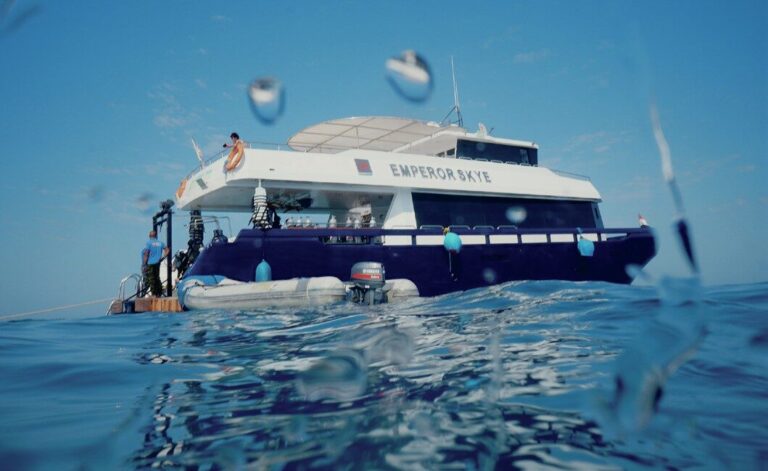
Do Your Homework – Choose the largest boat possible. Opt for a catamaran if available, and choose dive sites relatively close to shore.
The Day Before – Avoid drinking alcohol and eating heavy meals. Take antiemetic medication; some divers find taking Bonine or Dramamine the night before a dive to be more effective than taking it the morning of.
Check the medication’s guidelines to see how long it takes to take effect and how long the effects will last. Don’t dive under the influence of any medication you’re using for the first time.
Set Up Gear Right Away – If possible, assemble your dive gear on the dock or before the boat gets underway so you don’t have to do it while moored.
Watch the Horizon – When possible, stare at an unmoving object in the distance, such as the horizon. Avoid reading, writing, or using a mobile device for long periods. Find a Stable Spot – Stay near the center of the boat, avoiding upper or lower decks where bobbing and swaying will be more pronounced.
Avoid Odors – Position yourself in a well-ventilated area. Stay away from strong smells such as engine exhaust.
Eat a Little, Stay Hydrated – Opt for easily-digestible snacks such as dry crackers or bread throughout the day. Stay hydrated with water or sports drinks; avoid carbonated drinks and caffeine.
Best Treatments for Seasickness While Diving
Over-the-counter medications
Anti-nausea medications such as Bonine (meclizine), Dramamine (dimenhydrinate), Marezine (cyclizine), and Benadryl (diphenhydramine) can relieve symptoms. Drowsiness is a side effect of many of these medications, so experiment with them to test your susceptibility to drowsiness before using one of these medications while diving.
The seasickness patch
Some divers acquire a prescription for the scopolamine patch. The patch releases the drug slowly through the skin; because scopolamine affects the central nervous system, its side effects can impair your ability to dive safely. Talk to your doctor before diving while taking scopolamine.
Natural Remedies That Really Work
Ginger – For some individuals, consuming ginger tea, ginger candy or ginger ale can soothe the stomach.
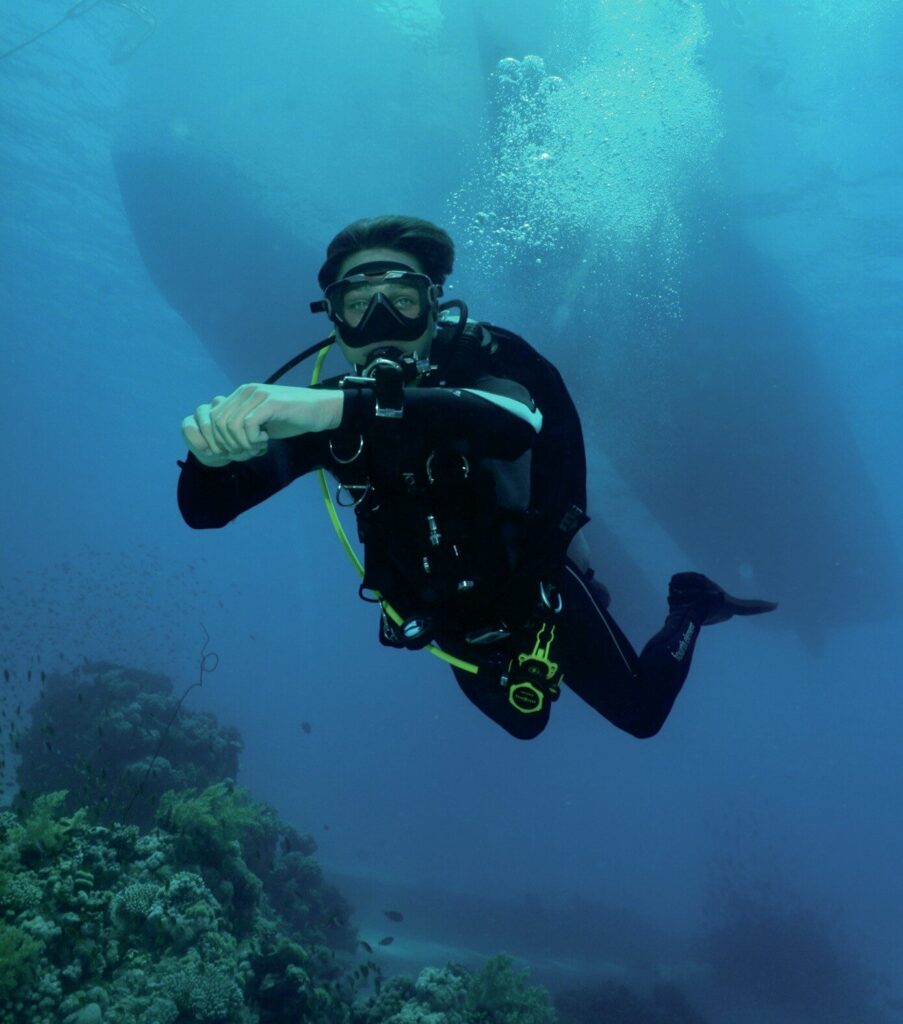
Dive In – If you start to feel ill, ask if you can be one of the first to enter the water, as you may feel better once you enter the water. If you become ill underwater, keep your primary regulator in your mouth and vomit through it. Most regulators can process vomit without issue, but it’s good to keep your spare second stage handy in case things get messy.
Acupressure Bands – According to traditional Chinese medicine, applying pressure to a point on the wrist can suppress nausea caused by motion sickness. The ReliefBand sends out a small electrical pulse; other bands simply apply pressure.
Before taking any medication or trying a natural remedy in a diving setting, know how it affects you.
For an extensive range of diving health and safety information and downloadable resources, research studies, incident summaries, and free e-Learning courses, take the time to explore the DAN website.
Frequently Asked Questions
What causes seasickness while diving?
Seasickness occurs when the inner ear senses motion that the eyes don’t see, creating a sensory mismatch that leads to nausea, dizziness, and vomiting.
What’s the best way to prevent seasickness before diving?
Choose a large or catamaran-style boat, avoid alcohol, eat light meals, and take antiemetic medication the night before diving.
Can I dive if I feel seasick?
It’s best to enter the water early if you start to feel unwell — many divers feel relief once submerged. However, avoid diving if symptoms are severe.
Are seasickness medications safe for divers?
Some anti-nausea drugs cause drowsiness or slow reaction times. Test any medication before diving and always consult your doctor first.
Are there natural remedies for motion sickness?
Yes — ginger tea or candy, acupressure wristbands, and staying hydrated can help reduce nausea without medication.
This article was originally published in Scuba Diver Magazine
Subscribe today with promo code DIVE1 — enjoy 12 months for just £1!
