
Barotrauma refers to pressure-related tissue injuries that occur in various structures and organs of the human body. Avoiding barotrauma when diving is essential, but why? A person may experience barotrauma when pressure changes in the surrounding environment cause air contained in the body to expand or contract in a manner that damages the surrounding tissue.
Scuba divers must be particularly mindful of the risks associated with barotrauma due to the high-pressure conditions of the diving environment. Divers Alert Network (DAN) offer the best advice when it comes to avoiding barotrauma.
Divers may experience barotraumas of the ears, sinuses, mask, and lungs, with ear barotrauma being the most common. The risks associated with all these types of barotrauma are the greatest at shallow depths -from the surface to about 33ft.
Proper equalization is key to avoiding barotrauma. Avoid wearing ear plugs or eye goggles while diving, as these create air spaces that cannot be equalized. To avoid pulmonary barotrauma, never hold your breath, and be sure to exhale in the event of a rapid or unexpected ascent. Symptoms of pulmonary barotrauma include chest pain and shortness of breath. In more severe cases, people may also cough up blood or have a bloody froth appear around the mouth from damaged lung tissue.
Air in the tissues of the neck may also compress the vocal cords which can cause the pitch or sound of a diver’s voice to change.
To avoid barotrauma caused by your mask (also known as mask squeeze), equalize your mask by exhaling through your nose from time to time. Divers with mask squeeze may have excessively red or bloodshot eyes from burst blood vessels. Other symptoms from mask barotrauma may present as a loss of vision or facial bruising.
The symptoms of ear barotrauma may include a feeling of cold water flooding into the ear, which may cause vertigo, disorientation, hearing loss, dizziness, and even vomiting. Divers may report that their symptoms eased during the dive, which can be explained by the water present in the perforated eardrum warming up to body temperature that may have temporarily eased their discomfort.
However, the symptom of hearing impairment resulting from a perforated eardrum will persist after the dive and may be accompanied by an ear infection that arises hours or even days later.
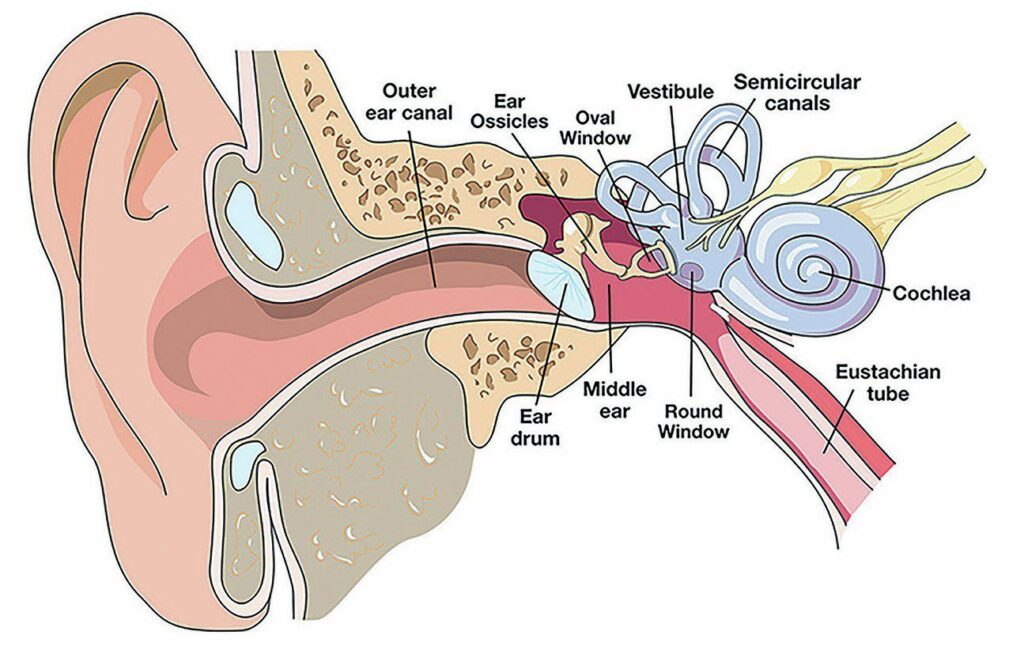
Sinus barotrauma symptoms often present as facial pain and/or a headache during descent and feelings of congestion in the face and nose during ascent. Tooth pain in the upper jaw may actually be a manifestation of sinus barotrauma. It is also possible for a diver to get a bloody nose from sinus barotrauma during ascent and they may also experience impaired vision or facial sensitivity, especially in their cheeks.
When it comes to avoiding barotrauma in both the ears and sinus, don’t dive with congestion or a cold, and equalize frequently throughout the dive using a method that works well for you. If you experience symptoms of barotrauma, see a doctor.
Many symptoms of barotrauma are also symptoms of other diving related injuries and medical conditions, so it’s important that a medical professional rules out other potentially serious ailments.
For an extensive range of diving health and safety information and downloadable resources, research studies, incident summaries, and free e-Learning courses, take the time to explore the DAN website.
Frequently Asked Questions
What is barotrauma in scuba diving?
Barotrauma is a pressure-related injury to tissues such as the ears, sinuses, lungs, or eyes, caused by expanding or contracting air during depth changes.
What’s the best way of avoiding barotrauma in ears when diving?
Equalize early and often, never dive with congestion, and avoid earplugs or anything that blocks natural pressure adjustment.
Can barotrauma happen in shallow water?
Yes, most diving barotrauma injuries occur at depths less than 33 feet, where pressure changes are most significant.
What are the symptoms of pulmonary barotrauma?
Chest pain, shortness of breath, coughing blood, or a change in voice tone from air escaping into neck tissues.
Should I see a doctor after suspected barotrauma?
Yes. Many barotrauma symptoms overlap with other diving-related conditions, so medical evaluation is essential.
This article was originally published in Scuba Diver Magazine
Subscribe today with promo code DIVE1 — enjoy 12 months for just £1!
