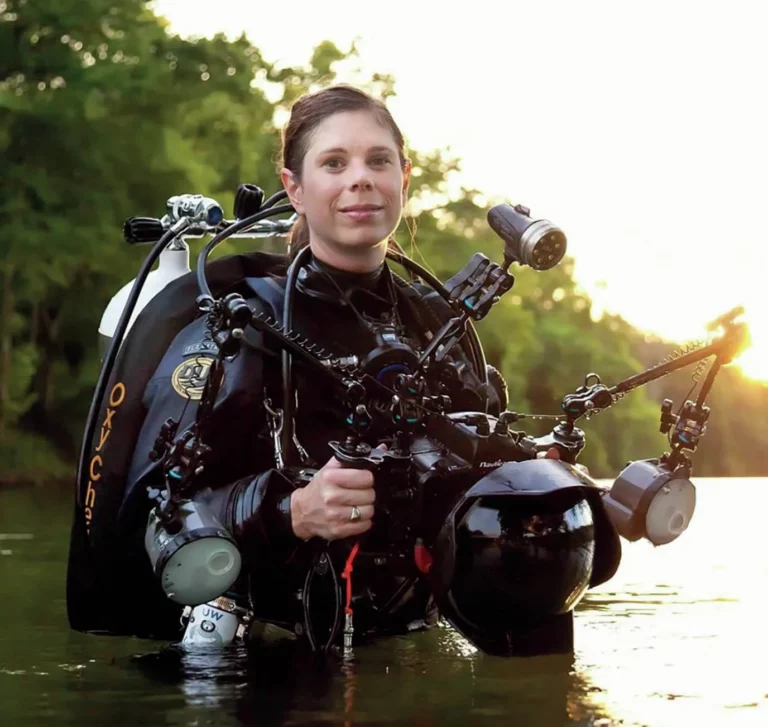
We chat to technical diver, underwater photographer and the first woman to dive all 50 states in the USA, Jennifer Idol, and find out what drives her enthusiasm for shooting photos all around the world, and where some of her favourite locations have been.
Photographs courtesy of Jennifer Idol
Q: As we always do with these Questions and Answer sessions, how did you first get into scuba diving?
A: Water has always been a part of my life. Since I could hold my breath as a young child, I’ve been obsessed with the sensation of exploring what’s below the waterline. Although I was eager to dive as early as five, I’ve been diving since I was 14. My first dive outside a Texas pool was in Cozumel, where I saw a grouper for the first time. It was then that I also knew how much I love wildlife.
Mastering Technical and Cave Diving Disciplines
Q: You hold an incredible array of certifications, including multiple instructor ratings and a rich selection of technical and cave diving qualifications. When did you first go down both the professional route, and into the realm of tech diving, and what was the attraction of the two disciplines?
A: I dive with purpose. Every certification I earn relates to a needed skill that I would like to use to go further in diving. Education is core for the best foundation to execute my dives safely.
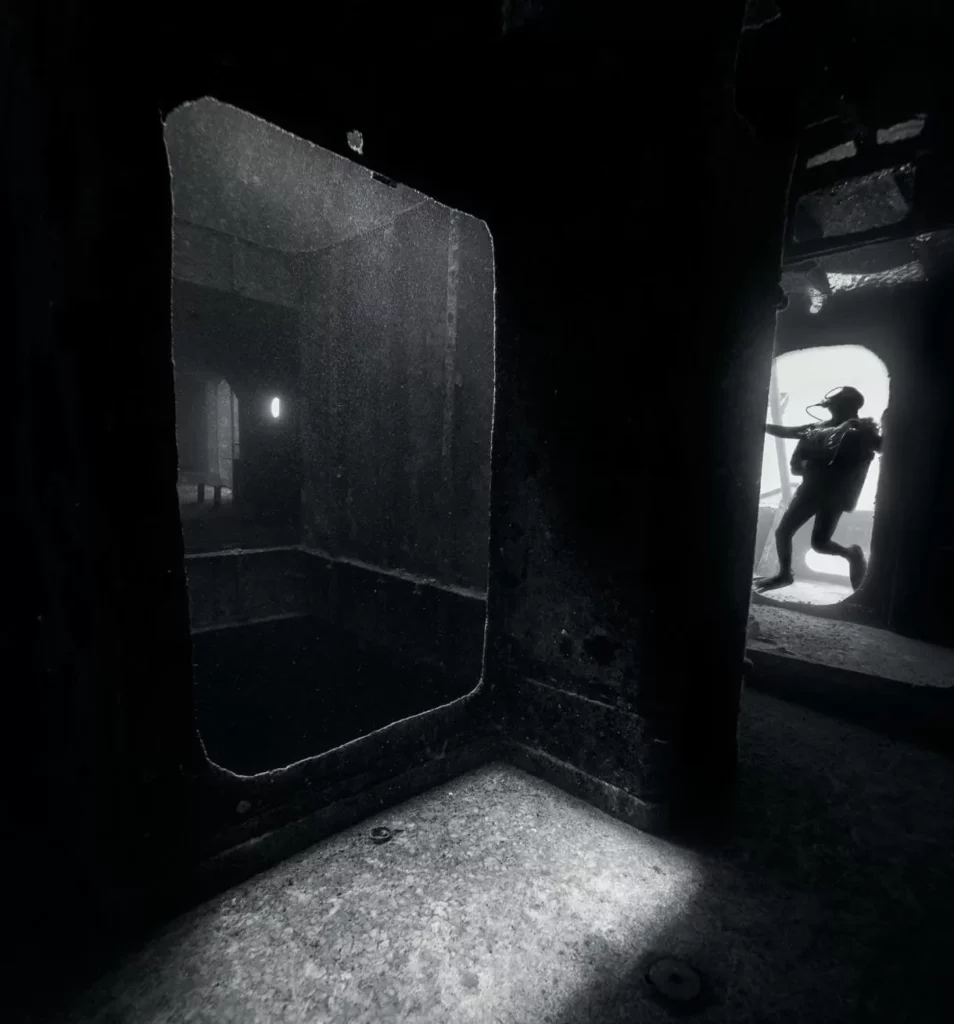
I first went down the professional route following my experience as a solo recreational diver. I wanted to be more than self-sufficient and competent by better understanding and helping the people around me. This led to my Rescue certification, followed by Divemaster, and eventually instructor. I’ve been a PADI dive professional for more than 25 years. It was my urge to explore that led me into technical diving. Our dive shop started offering the training. I was particularly excited about seeing some of the big wrecks in the Gulf of Mexico and the Mighty O (USS Oriskany) was first on my list.
Since I could hold my breath as a young child, I’ve been obsessed with the sensation of exploring what’s below the waterline
It was after I completed my initial dives on that wreck in 2010 that I was introduced to members of the Ozark Cave Diving Alliance. They recognized that I was driven by underwater photography to document meaningful subjects underwater. So, my eventual cave diving instructor casually mentioned that he knew of a fish that I might like to document. I was hooked on that idea.
He knew that I had stated that I had no desire to dive in caves and that I was eager to get into wrecks. However, that fish happened to require additional training. I am a fan of training, so that was no matter, even if it became cavern that led to Cave 1 and 2. We never did see the fish, but I was happy to have achieved my cave diver skills and went on to document some caves that I find very meaningful.

The Journey to 50 States: Diving American Waters
Q: Back in 2011, you set out with the ambition to dive in all 50 states across the USA. Given the size of the country, this was a mammoth task you set yourself – what on Earth made you take on this epic quest?
A: I was driven by a massive need to document life underwater and had recently started shooting professionally in that space. It was on my first professional shoot that I was returning across the Gulf of Mexico when I saw the Deepwater Horizon oil spill. This devastating event froze me in my seat, and I regrettably did not take the photo.
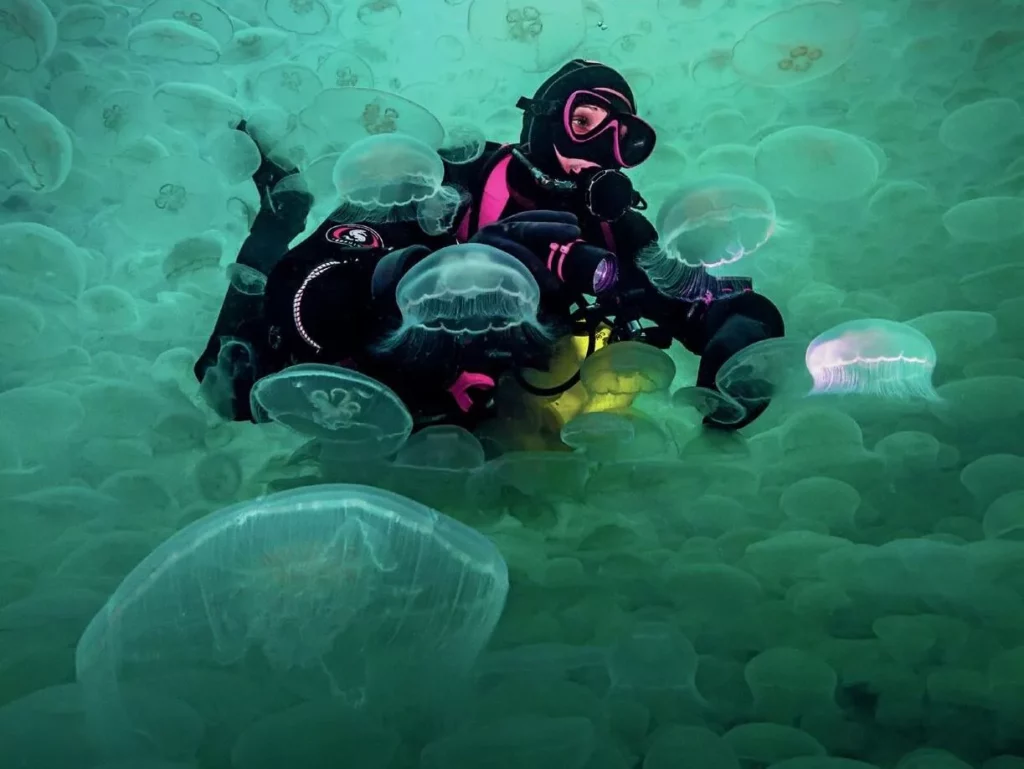
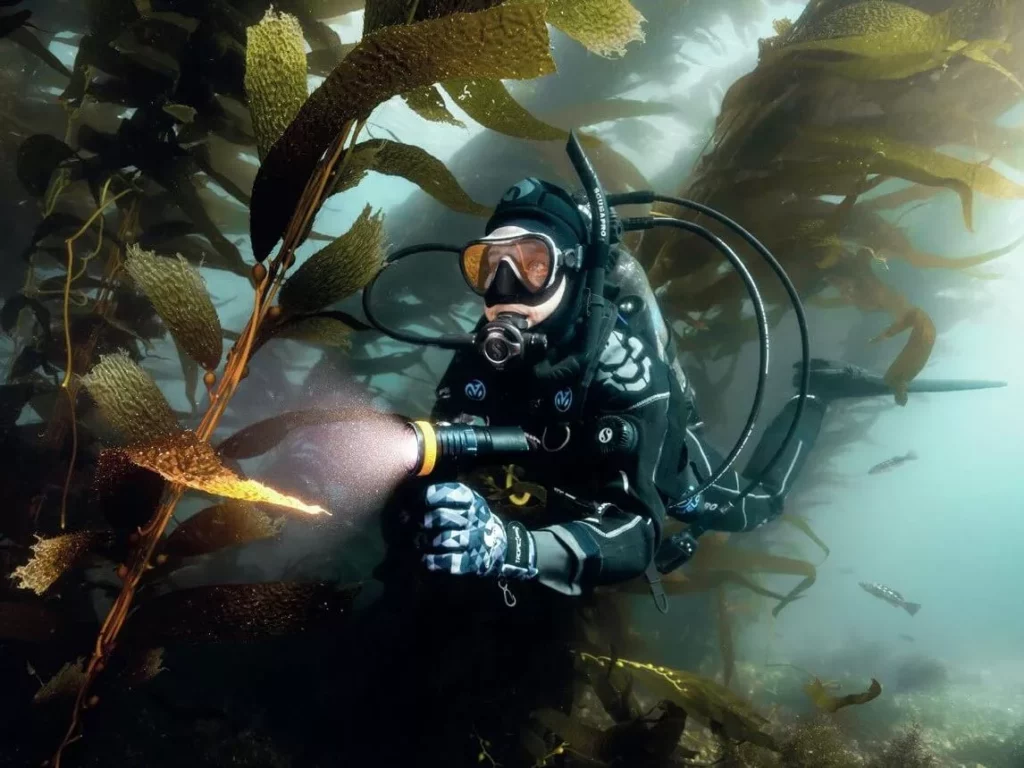
Consumed by guilt of my failure, I set out to dive in all 50 states to connect people with their local waters. That journey transformed my outlook and professional trajectory. This mammoth task reached beyond diving the country and has become a lifelong quest to tell meaningful stories underwater that help improve the world around us.
Capturing the Deep: The Art of Underwater Photography
Q: You have built up quite the reputation as an underwater photographer. When did you first take photos on a dive, and what are some of your most popular subjects?
A: I first took a photo of a manatee as a child in Florida from above the water. I could see into the crystal-clear spring water of Homosassa Springs and wanted others to see that photo. I entered my mediocre image into my first photo competition, which I soundly lost.
It wasn’t until later in my career as a corporate graphic designer shooting topside, that I thought to take image making underwater. I did not know it could be a career, only that I wanted to show people what I saw, so I borrowed a friend’s point-and-shoot film camera around 2005, then got a Nikonos V, followed by a Canon Powershot with which I won my first photo competition of a triggerfish on the USTS Texas Clipper.
The only professional photographer and photograph I knew of was of Australian sea lions by the renowned David Doubilet. I had heard this image was the Audubon of the Sea, and I thought it was glorious.
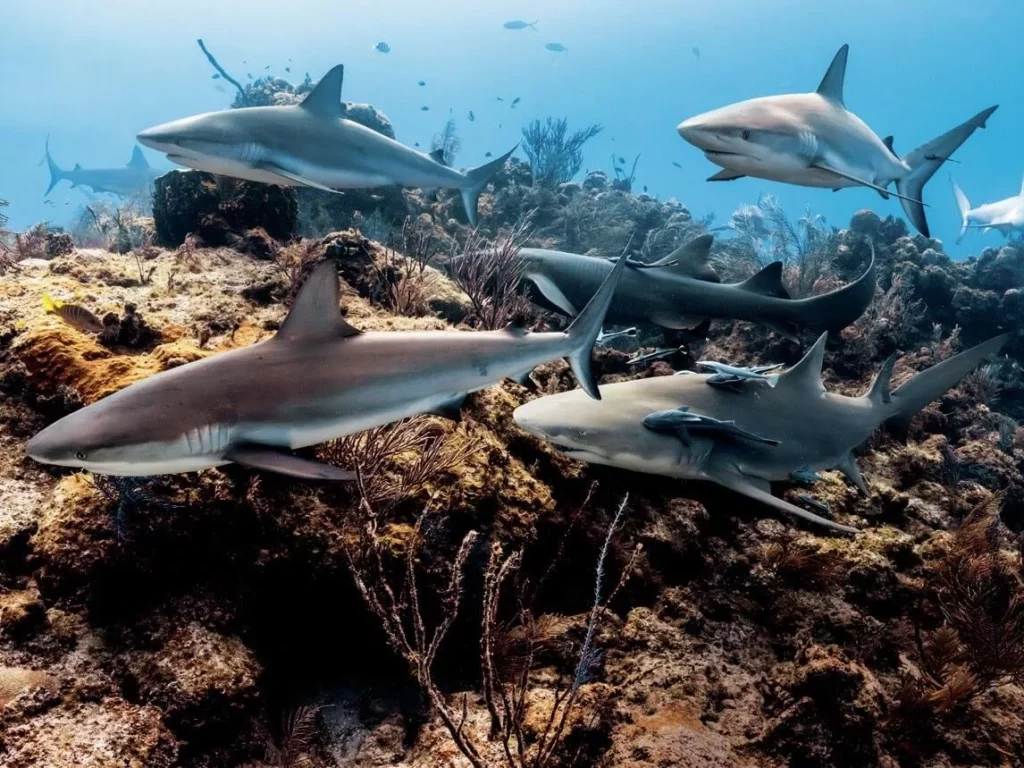
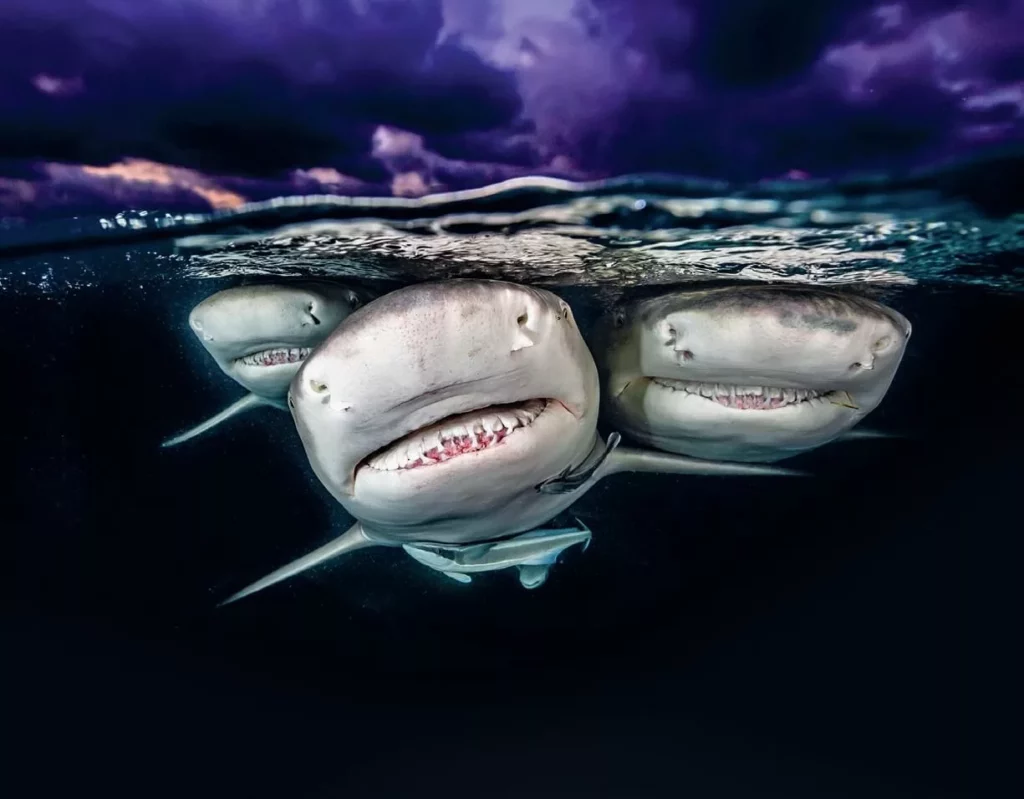
I’m not sure what subjects most directly represent my work, since David even remarked once to me that I am like him, a bit of a generalist. It is the art of creating a compositionally powerful and vivid image that defines my output. I will say that although I might be a generalist, I am known for my wide-angle photography. Although I do shoot macro, it is the larger scene with big animals like sharks and whales that compels me.

Leading Global Big Animal Expeditions
Q: You also lead trips all over the world to dive with ‘big animals’, such as whales and sharks, or at shipwreck Meccas like Newfoundland. How did you get into this field, and what makes your expeditions stand out from others?
A: As a dive instructor, I started by leading drive-and-dive trips to connect people with nearby sites. Along the way, I dove with dozens of divers and began organizing groups during my 50-state journey. After completing that quest in 2016, I booked a trip with Big Fish Expeditions to see salmon sharks. I fell completely in love with them and knew I had to find a way back. Leading trips became a natural path to reconnect with that mesmerizing species and share it with others who feel the same. When the opportunity came, I joined Andy Murch and his team at Big Fish Expeditions. Andy has photographed more shark species than anyone else in the world, and his passion for elusive and charismatic animals sets the tone for our adventures.
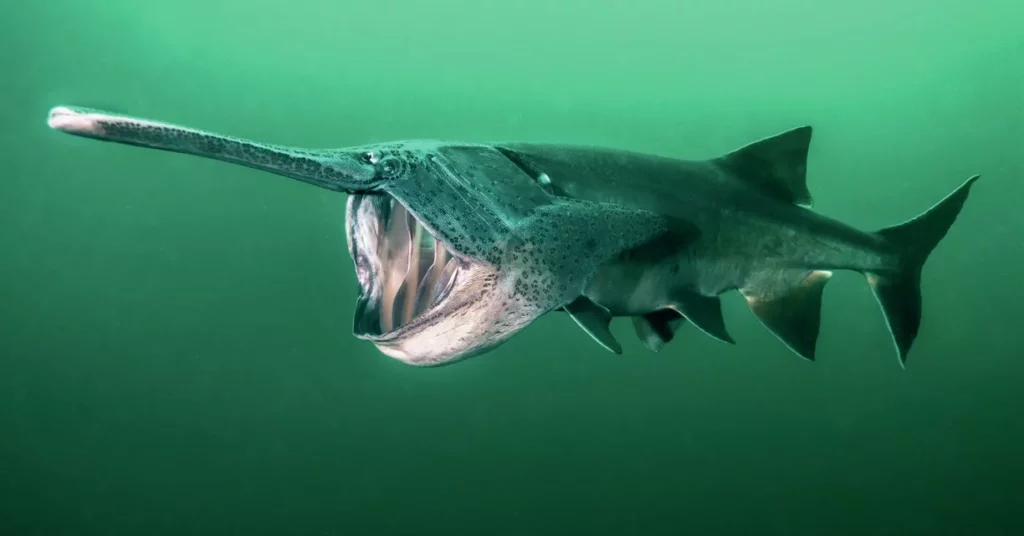
What makes our expeditions different is the way we connect people with the species and environments that define each destination. We focus on small groups, which means everyone has time in the water, space for encounters, and the chance to contribute to the group experience. We share photo tips, natural history, and fieldcraft along the way, so guests leave not just with memories, but with skills and knowledge. Our trips are built around respect for the animals, for the environment, and for each other, which creates a collaborative spirit that makes every expedition special.
Innovating the Future with the Avelo Diving System
Q: You are currently heavily involved with helping promote and expand the innovative Avelo diving system. When did you first encounter this unique device, and how did you get on board as part of the team showcasing this to the world’s diving fraternity?
A: I was first introduced to Avelo through a fellow photographer, Ron Watkins, who recommended me when the team was looking for a logo designer. I’m forever grateful for that connection, because it opened the door to something much bigger than I imagined. As a graphic designer, I began by shaping the brand visually. But as a dive professional, photographer, and filmmaker, I was also able to bring industry perspective that helped guide how we developed the system to truly serve divers. This all began during Covid, which gave us a rare window to innovate quietly. With working prototypes in hand, we formed what we called the Experimental Dive Team, a small, dedicated group who tested, refined, and reimagined every detail until the Avelo System was ready for the world.
When I first dived the system, there was no specialty course or training yet. I was simply oriented to how the controls worked and then went underwater. Unlike many divers, and perhaps because I’ve used such a wide variety of equipment over the years, even historic diving gear, I wasn’t surprised by its performance. Instead, the advantages of buoyancy control were immediately clear, especially for underwater photography. From that moment, I wanted to help keep refining Aviad’s invention and help bring its benefits to divers everywhere.
That spirit of innovation remains our core value. Since then, I’ve grown into the role of Marketing Director, where I lead design, photography, and film to share Avelo’s story globally. Today, our team has expanded into a passionate network of professionals and dive centers around the world. Together, we’re not just launching a product. We’re reshaping how people experience diving: lighter, safer, and more fun than ever before.
Jennifer Idol´s Memorable Encounters and Lessons
Q: What is your most memorable diving experience?
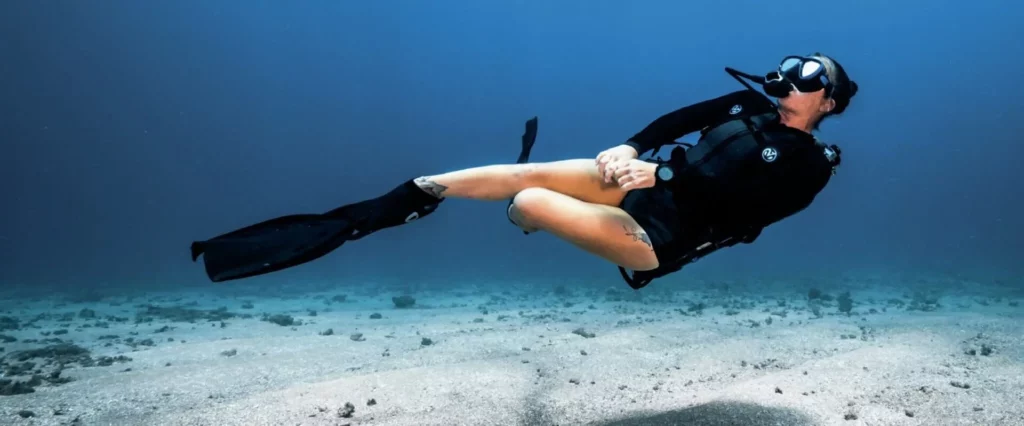
A: You ask some truly great questions! My diving history is incredibly diverse, so when people ask me about a favourite dive, it really depends on the kind of experience they’re seeking. I’ve done everything from ice diving to photographing sharks, and I’ve had magical encounters with whales. Freediving has recently entered my work as well. Although I’ll always consider myself a scuba diver first, freediving has taught me a new calm and a deeper control over the way I experience the ocean.
So what’s most memorable? Was it touching down on the seafloor at 67m and feeling the weight of that depth? Or the way Cindy, one of the tiger sharks at Tiger Beach, circled with what seemed like genuine curiosity? For me, the most-unforgettable moments happen when the elements align: an extraordinary encounter, the shot coming together, and the joy of sharing it with a great dive buddy or group.
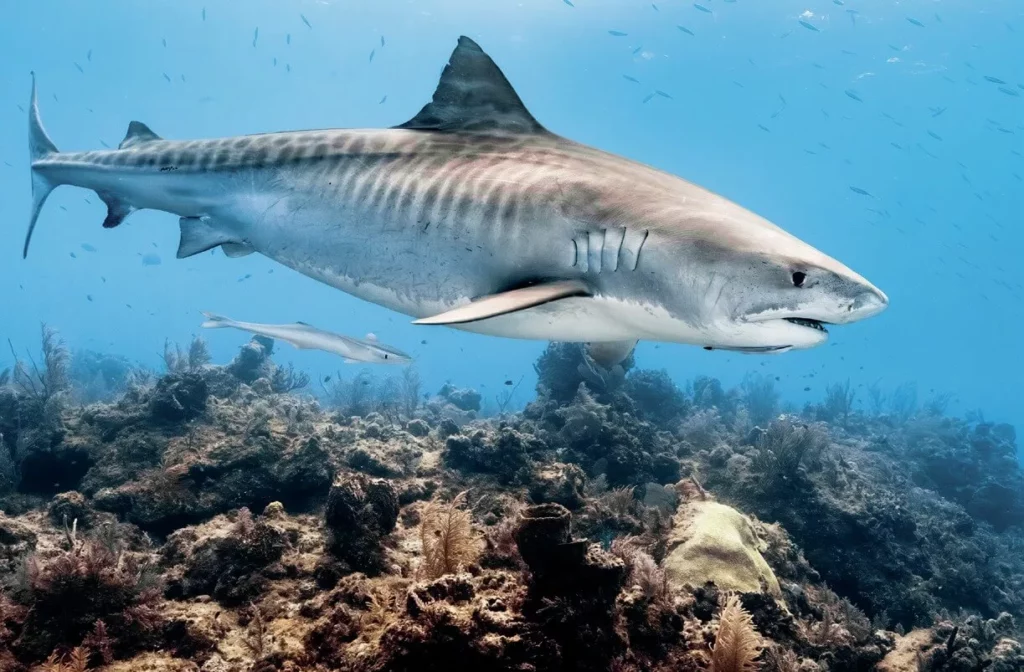
Divers shape our memories as much as the wildlife does. I’ve had the privilege of diving with too many remarkable people to name, but I’ll give a big shoutout to my friend Alex Rose. Our laughter and shared chaos make every dive one for the books.
Q: On the flipside, what is your worst diving memory?
A: This is easier to define because of how deeply affected I was by a series of rolling failures that my training got me through. I will never more deeply appreciate when, as cave divers, we defer to the exiting divers. In that moment, I appreciated the unobstructed exit following a solo exit after experiencing a free flow at the back of the cave.
Q: What does the future hold for Jennifer Idol?
A: The future for me is about continuing to bridge exploration, storytelling, and innovation. Through my work with Avelo, I’ll keep helping divers experience the ocean in safer, lighter, and more inspiring ways. Through my photography and films, I want to connect more people to the water, from freshwater systems in my home state of Texas to the most remote seas on the planet.
I’m especially excited about projects that bring science and art together, like the Protected Waters film series I cohost with Alex Rose, and my ongoing expeditions with Big Fish Expeditions to share rare encounters with sharks and whales. At the heart of it, my future is about showing that water connects us all, and that every dive, every image, and every story can be a step toward protecting what we love.
FAQs
Who is Jennifer Idol?
Jennifer Idol is a renowned technical diver, underwater photographer, and author. She is famously recognized as the first woman to dive in all 50 U.S. states, a project documented in her book An American Immersion.
What inspired Jennifer Idol to dive all 50 states?
Driven by the desire to connect people with their local waters, Jennifer began her “50 states” quest following the Deepwater Horizon oil spill. She aimed to document the diverse aquatic life across the entire country to advocate for environmental protection.
What is the Avelo diving system Jennifer Idol promotes?
The Avelo System is an innovative scuba technology that integrates buoyancy control directly into the air tank. Jennifer serves as the Marketing Director, helping showcase how the system makes diving lighter and more streamlined for photographers.
What types of expeditions does Jennifer Idol lead?
Jennifer leads specialized “big animal” expeditions with Big Fish Expeditions. These trips focus on encounters with sharks, whales, and salmon sharks, as well as shipwreck exploration in locations like Newfoundland.
Is Jennifer Idol a technical diver?
Yes, Jennifer holds numerous certifications, including PADI Instructor, cave diver, and technical wreck diver. She transitioned into tech diving to access deep wrecks like the USS Oriskany and to document rare species in cave systems.
This article was originally published in Scuba Diver Magazine
Subscribe today with promo code DIVE1 — enjoy 12 months for just £1!

But has she dove the 51st state? 🙂
Kidding….