UPDATED 27 MAY
Two of the cave-divers who took part in the high-profile 2018 Tham Luang rescue in Thailand have joined a multinational effort to reach seven people trapped inside a flooded cave system in Laos. Persistent monsoon rain, constricted passages and unstable water levels continue to complicate the operation.
Flash-flooding and a landslide in the Long Chaeng district of Xaysomboun province reportedly sealed access to a cave used by local villagers for small-scale subsistence prospecting.
UPDATE 27 MAY: Five villagers found in chamber
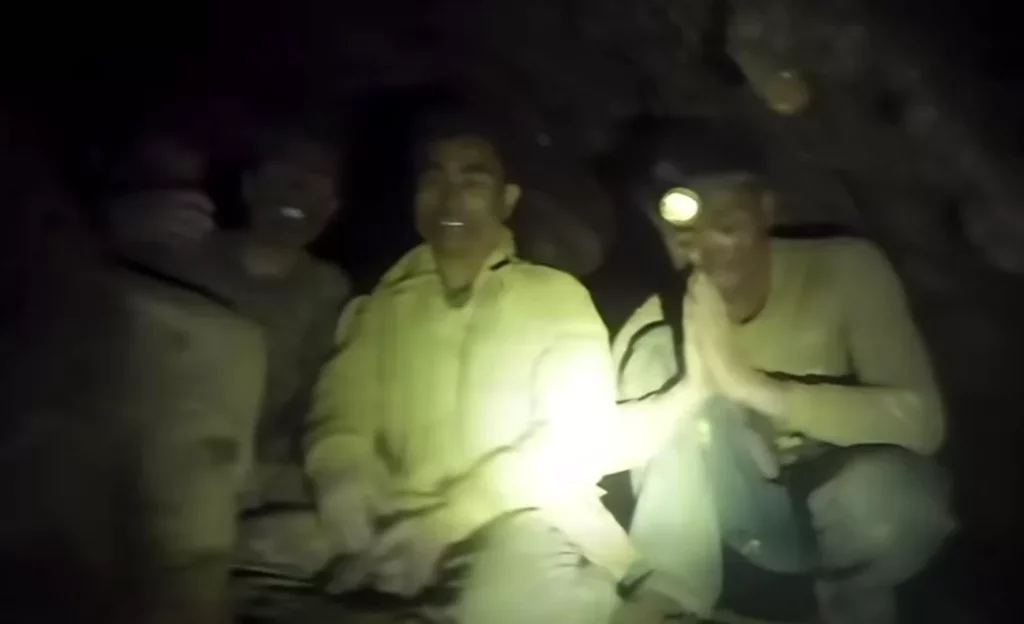
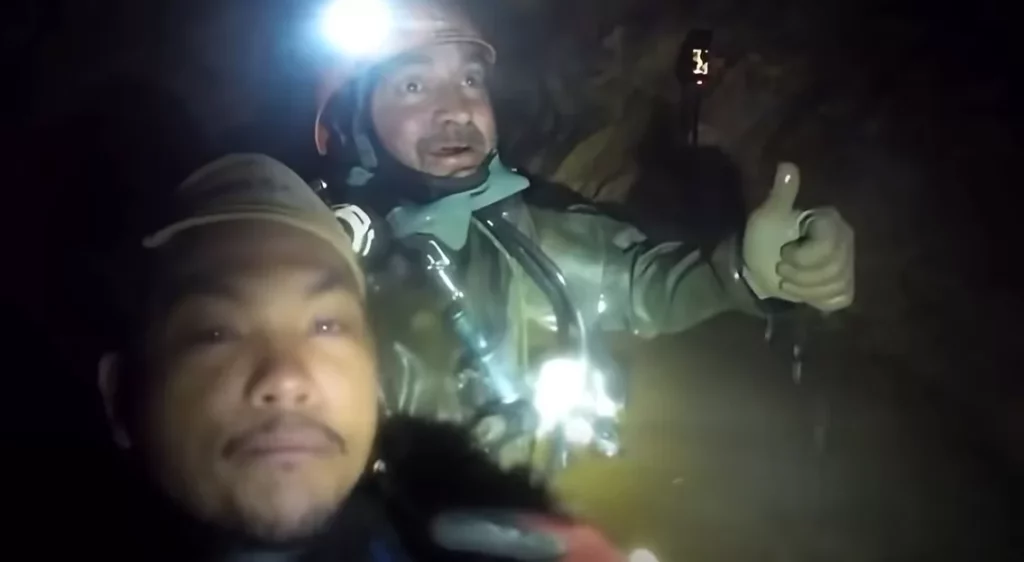
Cave-rescue divers Mikko Paasi and Norrased Palasing found five of the seven trapped villagers alive at 4.30pm today (27 May), perched on rocks inside an elevated chamber with an airflow. Search operations are continuing for the other two missing people.
The rescuers succeeded in locating the survivors in conditions that experienced cave-divers commenting online had regarded as close to unsurvivable following a week of flooding. The five were said to be conscious and in relatively good spirits but hungry, exhausted and with no immediate prospect of extraction from what has now been described by the rescuers as the Ban Long Chang abandoned goldmine.
The technical challenges of getting them out are extreme, with reports describing flooded restrictions as narrow as 60cm; muddy, low-visibility conditions; an unstable airflow and submerged sections requiring specialist cave-diving penetration.
Eight people had entered the cave on 20 May in search of gold ore and wild animals such as bats to hunt “as part of their livelihood”. After floodwater had surged into the system, one of them managed to escape and alerted the Lao authorities.
Soldiers, police, medical personnel and civilian volunteers were mobilised while pumps were deployed in an attempt to reduce water levels inside the cave.
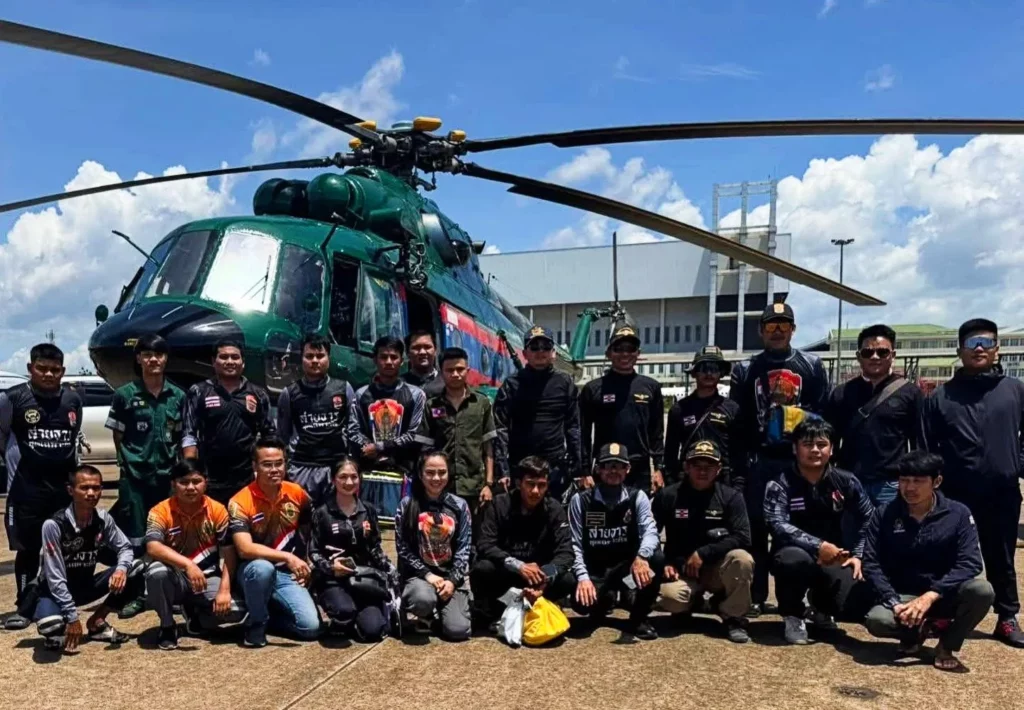
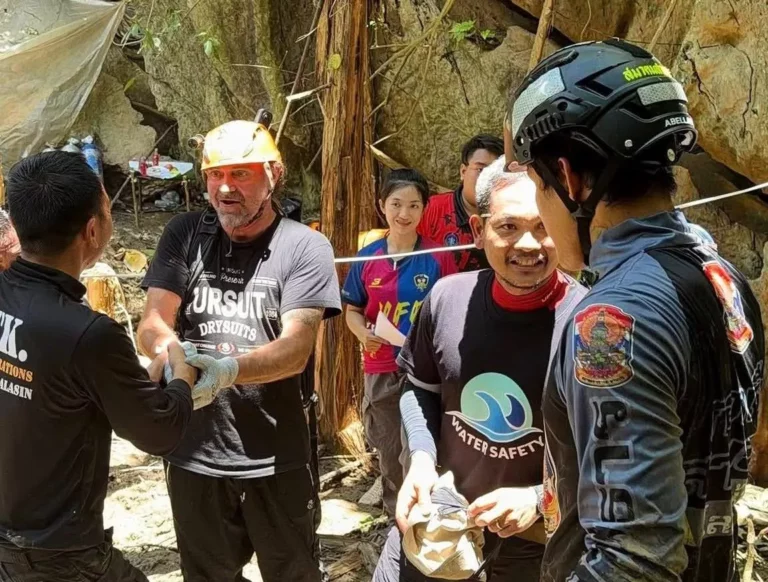
According to the Thailand Rescue Diver network and personnel at the scene, Finnish-born cave-diver Mikko Paasi and Thai cave-diving specialist and instructor Norrased ‘Ben’ Palasing are part of a Thai contingent of more than 20 volunteers, including seven divers. They travelled to Laos at the request of the authorities to reinforce the rescue effort.
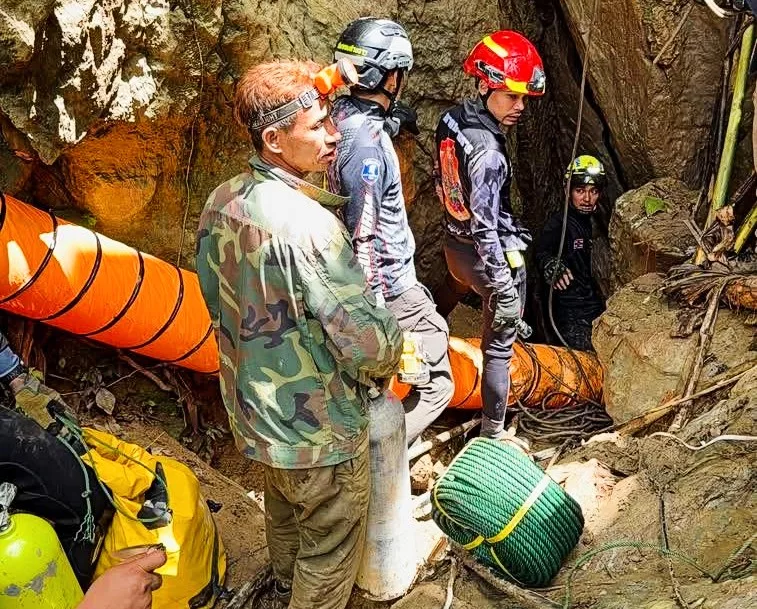
Paasi and Palasing were among the divers involved in the rescue of the Wild Boars youth football team, widely regarded as one of the most technically demanding submerged rescue operations ever completed.
The two men belong to the small cadre of divers with direct operational experience of monsoon cave-rescues in South-east Asia, where rapidly changing hydrology, low visibility and complex karst systems can create conditions unlike those encountered in most European cave-diving environments.
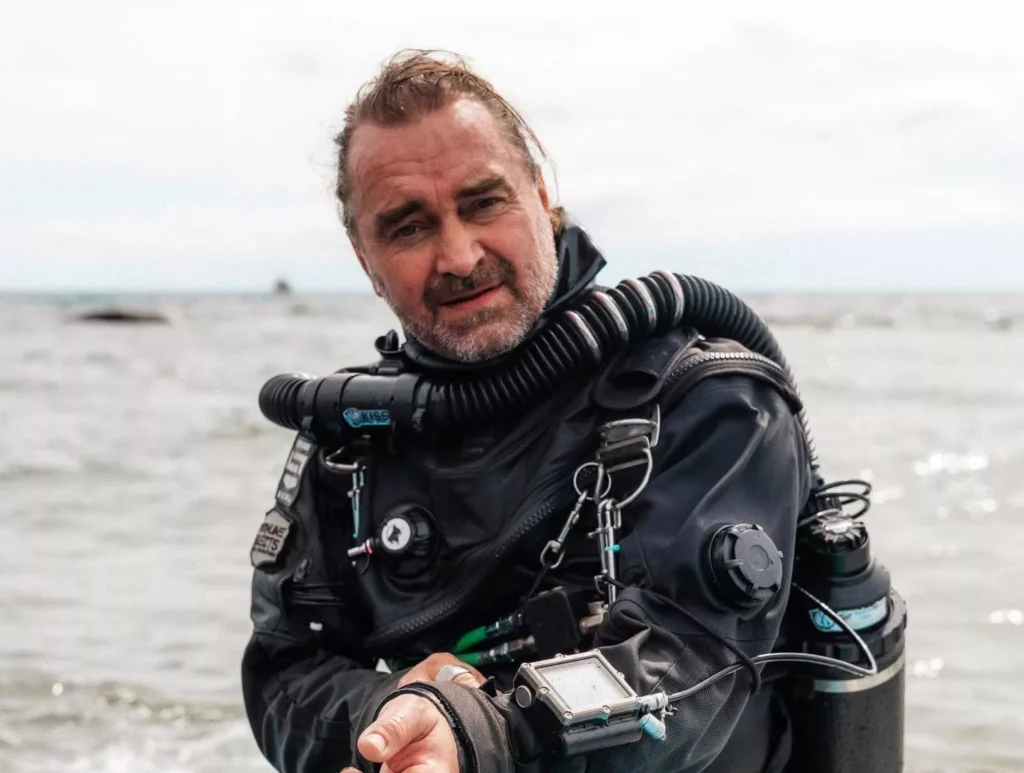
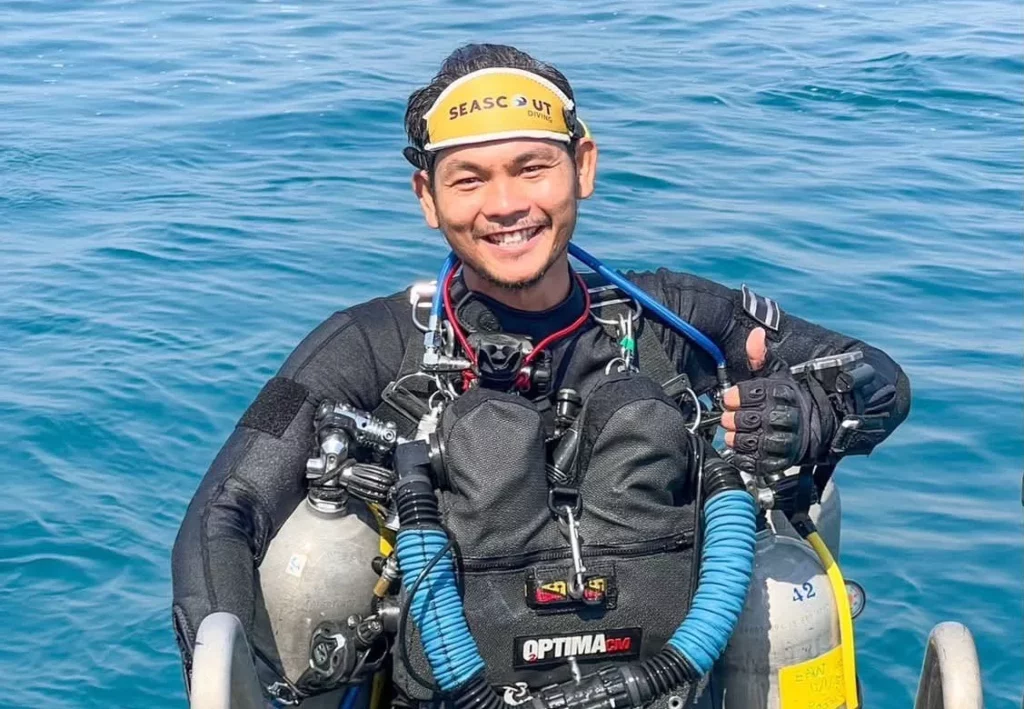
The Tham Luang rescue required staged cylinders, guideline management in zero visibility and repeated submerged transits through narrow restrictions under monsoon conditions.
Unlike a conventional mine rescue, the teams in Laos appear to be operating inside an unmapped natural karst system with unstable hydrology, little fixed infrastructure and limited information about the trapped group’s precise location. Continuous rainfall can rapidly alter visibility, current strength and available airspace inside flooded passages.
Long based in Thailand, Paasi has extensive exploration experience in Thai and Lao karst systems and had been involved in mapping and support-diving projects in northern Thailand prior to 2018.
During the Wild Boars rescue he worked on logistics, guideline operations and underwater transport support. Palasing is part of the cohort of Thai volunteer technical divers who went on to expand cave-rescue capability domestically after 2018.

Elevated chamber
As deteriorating weather has slowed further penetration into the Lao cave system, the latest reports from rescuers indicate that they believe they are within 30m of an elevated chamber in which the trapped group might have taken refuge.
“The officers who come to the scene have to sleep there overnight because the 4km climb up and down the mountain takes from an hour to two hours,” said Thai team-member Chakkrit Taengtang. “It’s an extremely challenging mission.”
Team-members have had to carry large amounts of equipment up the steep jungle approaches and, once in the system, face tight, muddy restrictions and low visibility.
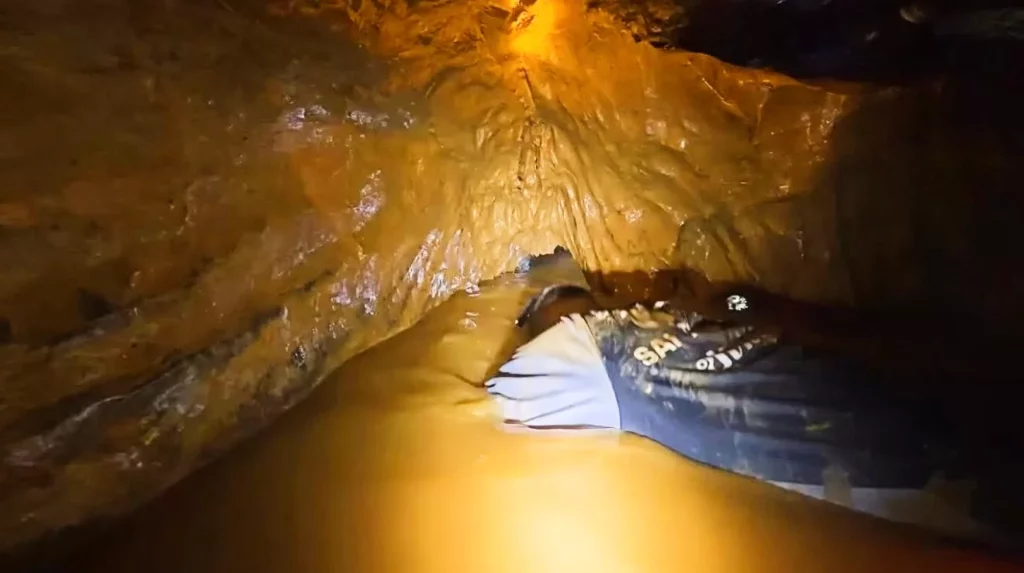
Continuous rainfall remains the principal operational hazard, with water levels inside the cave reportedly still rising, reducing available air bells and breathable space and rapidly altering flow conditions in already narrow sections.
Any advance into newly flooded passage could require repeated re-laying of guidelines and re-positioning of staged cylinders in response to changing water levels and flow conditions.

UPDATED 27 MAY: Five villagers found in chamber