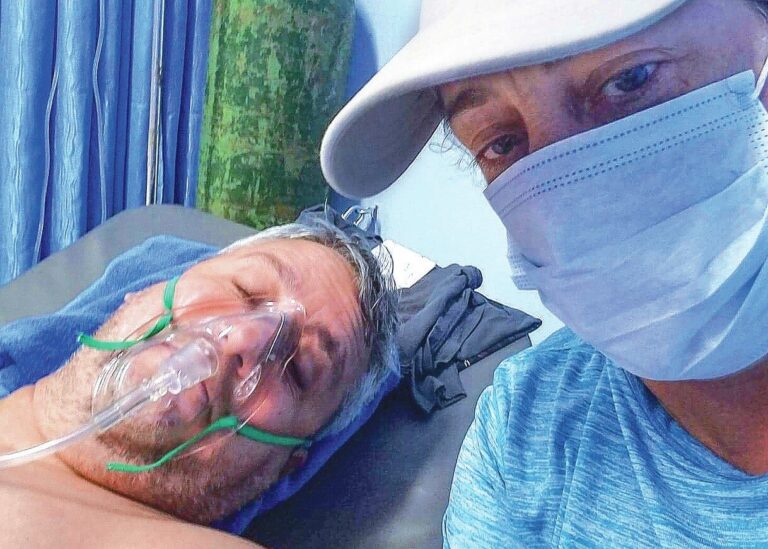
A DAN Member shares his experience with decompression sickness (DCS) following nine days of diving in Little Cayman when he developed muscular pain in his chest, and his right leg lost motor function
I am grateful for the safety information DAN publishes, their recommendations for dive medicine physicians, and the peace of mind their insurance coverage provides. My wife and I have had DAN insurance for many years and are fortunate to have called DAN in an emergency only once following a lionfish sting. Our diving had been without any incidents aside from that, but our last trip to Little Cayman was different.
A Perfect Dive Trip Turns Dangerous
We planned to take advantage of the pristine conditions with three dives a day, all no-decompression dives on nitrox with appropriate safety stops and surface intervals. A typical day was a morning boat trip for two dives, returning to the dock for lunch, and then an afternoon dive.
The first dive each day would be the deepest but well within the limits, with slow ascents and a final safety stop before surfacing. After spending a one-hour surface interval travelling to a second site and enjoying snacks and hydration, we would do the next dive. The third dive would be after a two- or two-and-a-half-hour surface interval, and then we’d spend the rest of the afternoon relaxing before having an early dinner and bedtime.
We had no problems until the ninth day of diving. That morning was normal, with a first dive 26m for one minute at maximum depth. The second dive took us to 18.3m, but we spent most of it over the reef at about 6m. After lunch we had one of the most-amazing dives of our lives, enjoying an interaction with Caribbean lobster on a sandy expanse at 14.3m, our maximum depth, and a beautiful eagle ray was also feeding there. We made an appropriate ascent to a three-minute safety stop along the mooring line at 4.6m, after which we returned to the boat.
The Incident: Sudden Onset of Symptoms
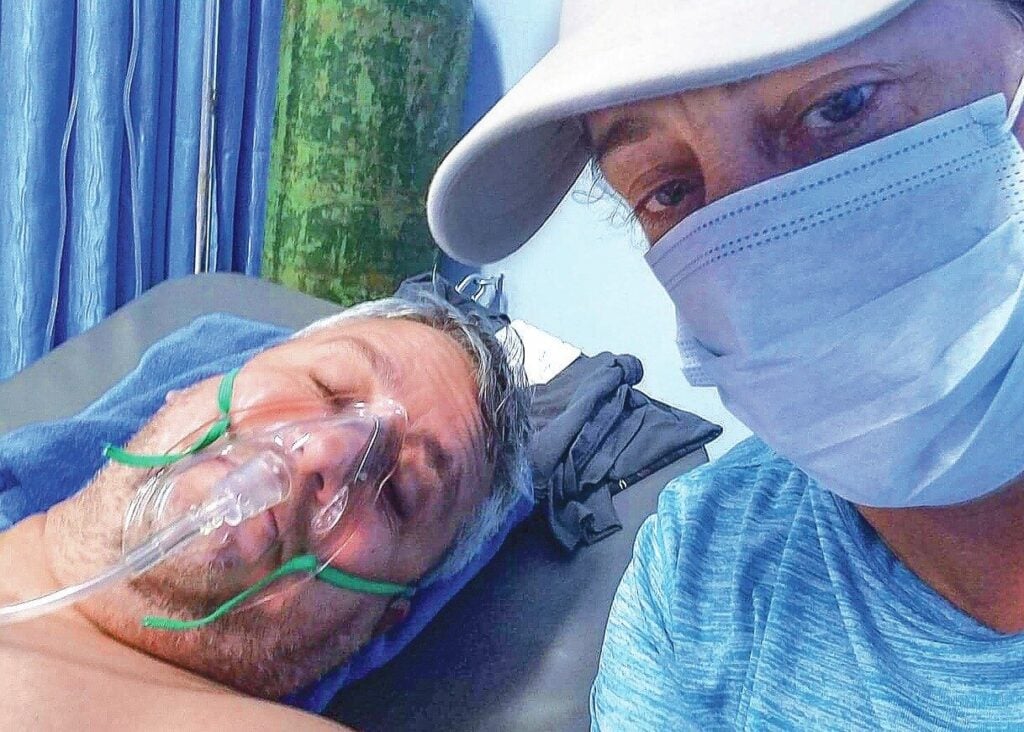
About ten minutes after boarding the boat, I began to experience muscular pain in my lower chest, my right leg lost motor function, and I knew I was in trouble. Our Divemaster immediately started me on oxygen, radioed for help, and got us to the dock in record time. They took me to the island’s clinic, where a very knowledgeable nurse continued my oxygen, took my vitals, ran an electrocardiogram, and asked about my symptoms. She was in constant contact with DAN and a doctor on Cayman Brac. The DAN physician guided me and the nurse through the acute stages of treatment for decompression sickness (DCS), helped me decide about my care, and provided a much-needed resource with deep knowledge about DCS.
Recovery and Follow-Up Care
The treatment quickly resolved my symptoms: The chest pain went away, and I regained control of my leg. Both the DAN physician and the nurse insisted that I continue oxygen therapy for another four hours. With my diving over for this trip, I returned to the clinic the next morning for a follow-up.
DAN stayed in contact throughout the trip and was responsive and helpful over numerous calls and emails. After returning home, I visited a DAN-recommended dive physician for a full dive fitness evaluation and was cleared to resume diving. The support from DAN didn’t end there, as they continued to answer my questions and provide guidance as I planned my next dive.
In all my years of diving I had never experienced DCS before that episode, and I hope I never experience it again. We did everything right with our profiles, off-gassing, hydration, and rest. After consulting with DAN and the dive physician, we plan to adjust future trips to have full days off during multi-week dive trips and think about how we can dive even more conservatively.
The Value of DAN Dive Insurance
I am extremely grateful to DAN for their professionalism, responsiveness, and high level of competence and skill. We have always purchased DAN dive accident insurance, and I was especially grateful we had it when we needed help.
For an extensive range of diving health and safety information and downloadable resources, research studies, incident summaries, and free e-Learning courses, take the time to explore the DAN website.
Frequently Asked Questions
What are common symptoms of decompression sickness?
Pain in joints or chest, numbness, weakness, dizziness, and loss of motor control are typical DCS warning signs.
What immediate action should divers take if DCS is suspected?
Stop diving, begin oxygen therapy, contact DAN or local emergency medical services, and seek hyperbaric evaluation immediately.
How did DAN assist during this diver’s emergency?
DAN provided real-time medical consultation, coordinated treatment with local clinicians, and ensured post-incident follow-up care.
How can divers prevent decompression sickness on multi-day dive trips?
Plan rest days, stay hydrated, maintain slow ascents and safety stops, and avoid over-diving consecutive days without recovery time.
Does DAN dive insurance cover DCS treatment?
Yes. DAN dive accident insurance covers recompression therapy, medical evacuation, and follow-up dive fitness evaluations.
This article was originally published in Scuba Diver Magazine
Subscribe today with promo code DIVE1 — enjoy 12 months for just £1!
