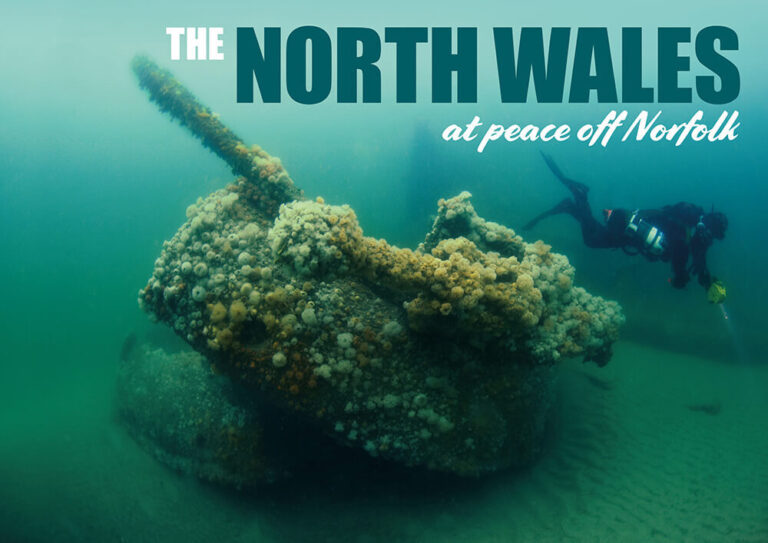
This 19th-century shipwreck discovered off the north Norfolk coast hadn’t been seen in 142 years when a dive-team finally came across it. Not only had divers missed the North Wales wreck, but so had the slingers of nets and lines, to the advantage of the marine life it hosts – and Paul Hennessey hopes it will stay that way.
Discovery of the North Wales Wreck
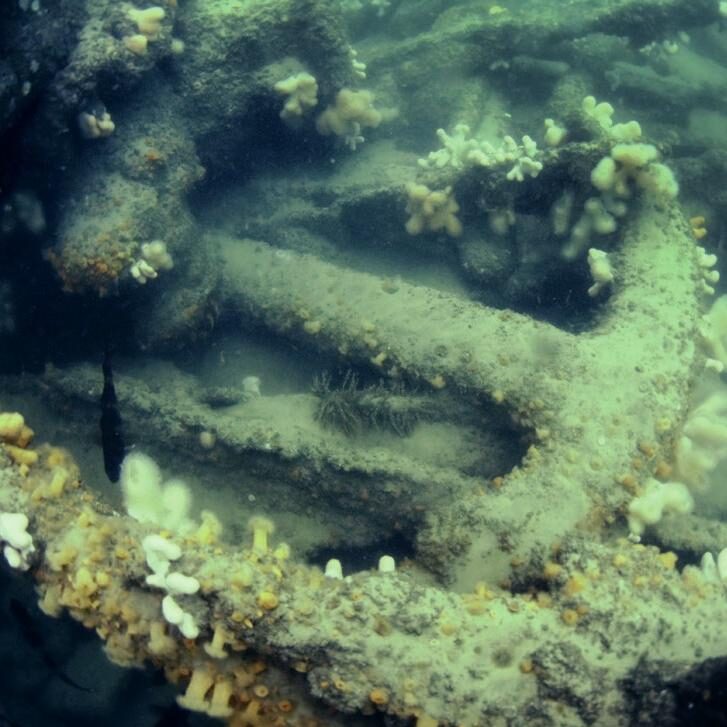
Reaching the seabed on our first dive at the wreck-site, in July 2023, it was immediately apparent that what we had found was a sailing ship of metal construction. It lay at depths between 6m-12m, the deepest part being the starboard side and the shallowest the port side forward of midships, where a sandbank had been formed.
With me on that first dive were Roger Smith, Paul Whistler and Tony Holmes from local club Anglian Divers (BSAC East Anglian Branch 11). I run Norfolk Wreck Research (NWR), and through my investigations had located the mark – which I would now need to go on and identify.
My initial research offered up four possibilities -the Alf, North Wales, Optima and Tay – but on our subsequent dives it became clear that this was the wreck of a coal-carrying vessel. Strewn through the wreckage there seemed to be no end to the number of large lumps of coal, many of them up to 30cm across.
With this in mind, the Alf and the Tay could be dismissed, because neither vessel had been carrying coal at the time of its loss. That left the Optima and North Wales. At the time of Optima’s loss she had been carrying a cargo of coke, coal and patent fuel (much of which had been salvaged or jettisoned at the time of her loss). The North Wales was listed as carrying 1,572 tons of coal at the time, along with an additional unspecified cargo.
The Optima’s registered dimensions were 95 metres by 13.3 metres by 7.8 metres – considerably bigger than the North Wales, which measured 66 metres by 10.6 metres by 6.2 metres. On measuring the overall length of the site from bow to stern, we found it to be 67 metres. On site too was the intact forward hatch-coaming of the vessel, and further research had revealed the respective hatch sizes for both the North Wales and the Optima. The coaming was an exact match in size to that fitted on the North Wales – the evidence was conclusive.I would succeed in identifying the Optima later that year, too.
Did you know?
In 1881, the North Wales ran aground on Haisborough Sands while carrying coal from Newcastle-Upon-Tyne to Java. Divers from Norfolk Wreck Research and Anglian Divers discovered the wrecks location in 2023.
The state of the North Wales site suggested strongly that this was a virgin wreck, with our dive-team the first to see this iron barque since she had been lost in Victorian times. A barque was a sailing vessel with three or more masts, the foremasts square-rigged and the aftermast rigged fore and aft. The North Wales was one that had been built by Humphreys, Pearson & Co of Hull in 1875. The ship had several co-owners, but Hugh Roberts of Newcastle had been appointed managing owner the following May.
The North Wales had a six-year career carrying coal and other cargoes in her three holds. She had been en route from Newcastle to Java when she grounded on Haisborough Sands off the Norfolk coast on Sunday 16 January 1881.
That evening the lifeboat crew at Caister received by a letter by messenger from Sea Palling station reporting that a ship was on the sands. A steam tug was sent out from Great Yarmouth and on the following morning, the Caister No 2 lifeboat Godsend also set out in an effort to aid the stricken vessel. The vessels arrived to find the North Wales hard on the sandbank. With a flooding tide the steam tug tried to pull her free but had to give up after several attempts as the North Wales started to take on water. With no hope of saving the vessel, Godsend took off all 20 crew plus the pilot James Jackson and transferred them to the steam tug.
Jackson had been responsible for much of the navigation of the North Wales. The subsequent court of enquiry found that the ship’s stranding had been caused by those in charge, and particularly Jackson, who it accused of having been mistaken about the true position of the vessel.


While it attached blame to him, it also found the ship’s master William Williams to be at fault, because he had relied too much on the pilot and should have verified the vessel’s position himself. The two men’s failings are divers’ gain, because the North Wales makes for an excellent dive. At its relatively shallow depths there is plenty of time to take in all that this beautiful wreck has to offer.
Exploring the Wreck Site: What Divers Found
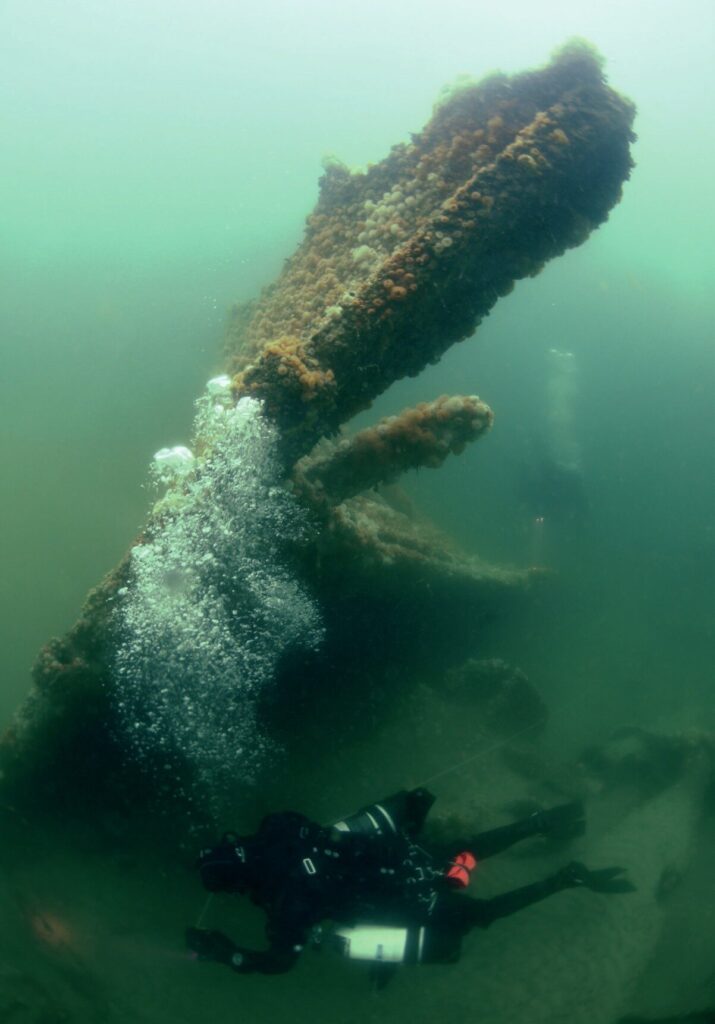
The most-intact section is the magnificent clipper bow, which stands some four to five metres tall, completely intact and upright. The bowsprit cannot be seen, and there is no sign of it on the seabed below, although both the port and starboard anchors can be found on there. Standing vertical up against the starboard side of the bow is a broken section of the foremast, which is open and offers a good area for exploration.

”When we had discovered the wreck, not only did it appear never to have been dived but it also showed no signs of ever having been fished or potted”
Preserving Norfolk’s Underwater Heritage
The Norfolk coastline is littered with wreck-sites, many dating back to the era of sail but most from the 19th and 20th centuries. Norfolk Wreck Research (NWR) was set up in 2018 by Paul Hennessey, a diver with more than 35 years’ experience, with the aim of investigating and consolidating all wreck research in the county into a single user-friendly database.www.norfolkwreckresearch.co.uk

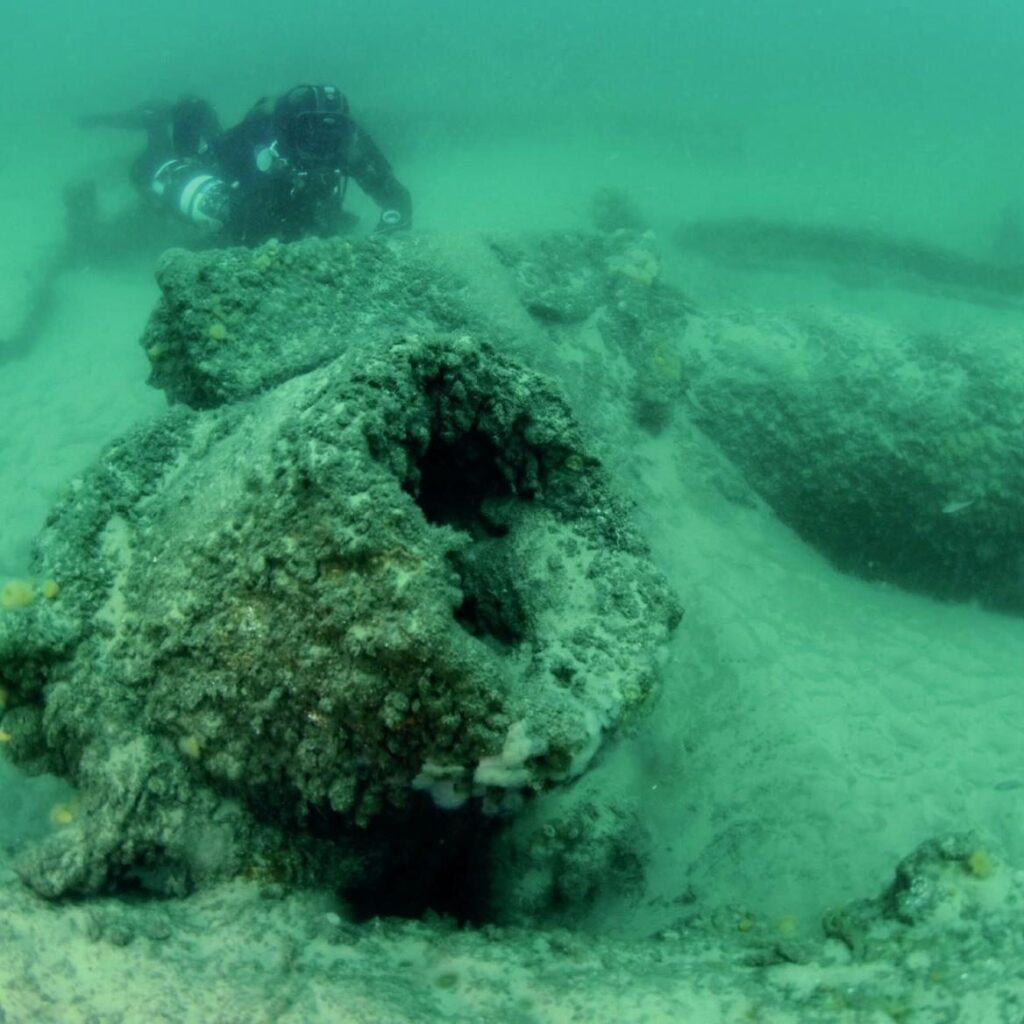
Back from the bows can be found the stump of the foremast, standing some four-and-a-half metres or so high. Also around this area is the forward hatch, winch, spare anchor and a small vertical boiler complete with brass valves for powering the steam winches.
Heading aft from this point the North Wales is quite broken, with much of the wreckage standing only one to two metres high in places. As with the rest of the site, this area shows evidence of the scattered cargo.
On the way to the stern two more winches can be seen, along with various pieces of associated steam pipe. What now remains of the stern lies over on its starboard side, standing about three metres proud of the seabed.
A year after the discovery, last July, a break in the summer weather allowed us to get out to the North Wales again to find out how the winter months had affected the site.
We were lucky to have the very talented photographer Sam Lister on the team, and she was able to produce some fantastic wide-angle images of the shipwreck. Joining us were Barry Lister, also of Norfolk Wreck Research, and Paul and Roger were back with Mike Thomas, all from Anglian Divers.
It was quickly apparent that much of the area from midships to stern had become exposed because of the movement of sand.
Anglian Divers
70 years old in 2023, this BSAC club focuses on shore and boat dives off the north Norfolk coast and also organises dive-trips abroad. It runs two RIBs out of Sea Palling seven days a week through the spring, summer and autumn months, and visits many of the local wrecks. It also offers members the use of its air and nitrox filling station.www.angliandivers.co.uk
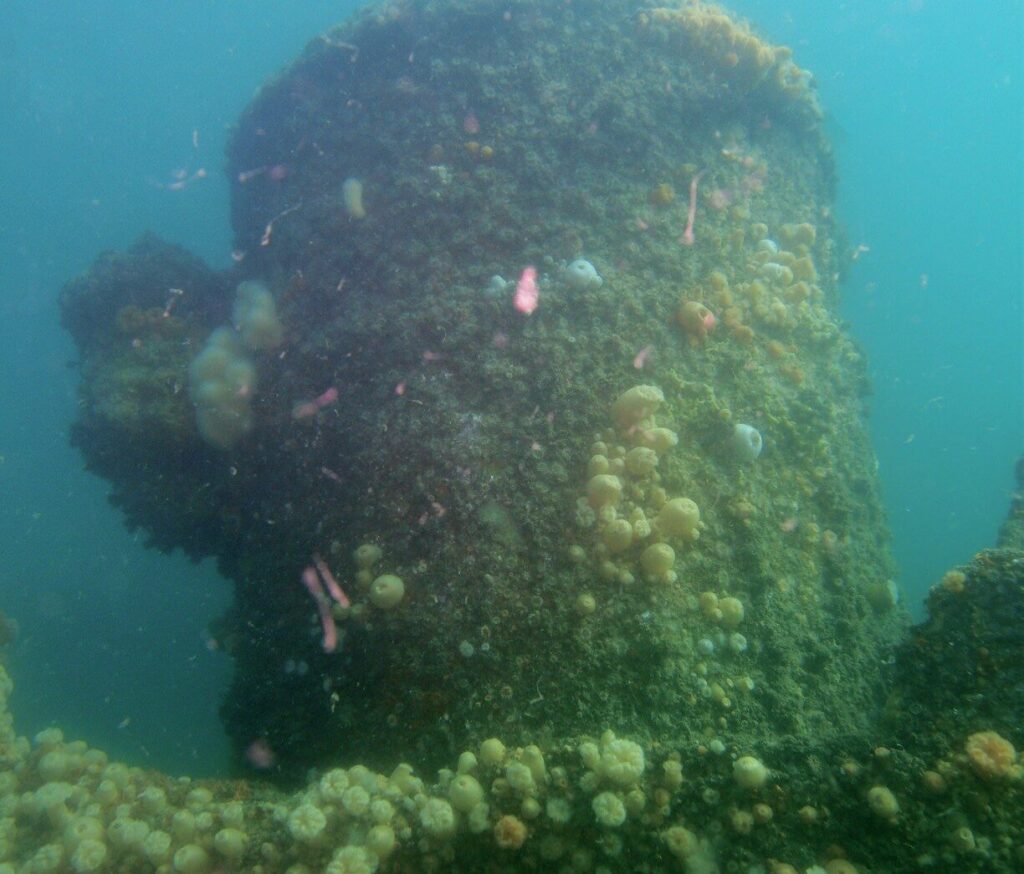
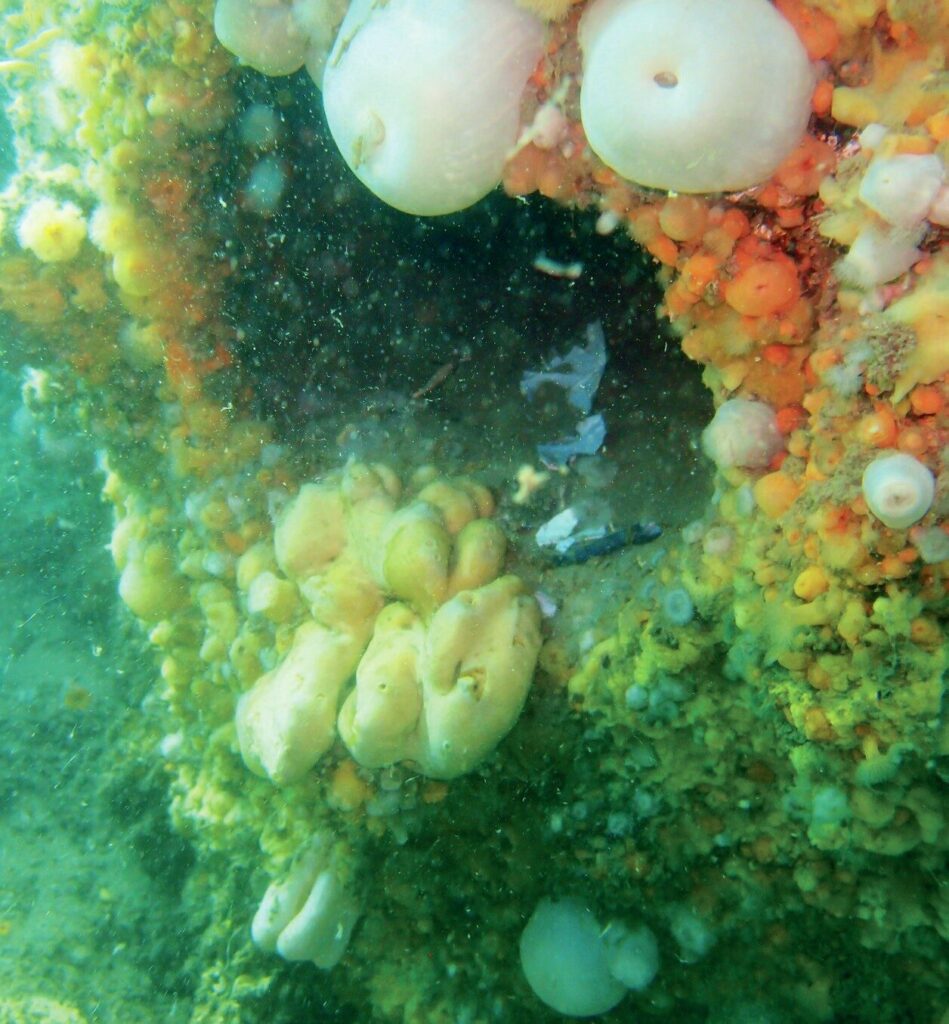

”The most-intact section is the magnificent clipper bow, which stands some four to five metres tall, completely intact and upright”
For the most part, this had taken the form of beams and frames becoming exposed just clear of the seabed, along with a winch. The shifting sands had also exposed more of the associated wreckage around the stern area, and the rudder could be seen lying on the seabed beside the large stern section. Off to the starboard side of the midships area more of the wreckage had also been exposed.
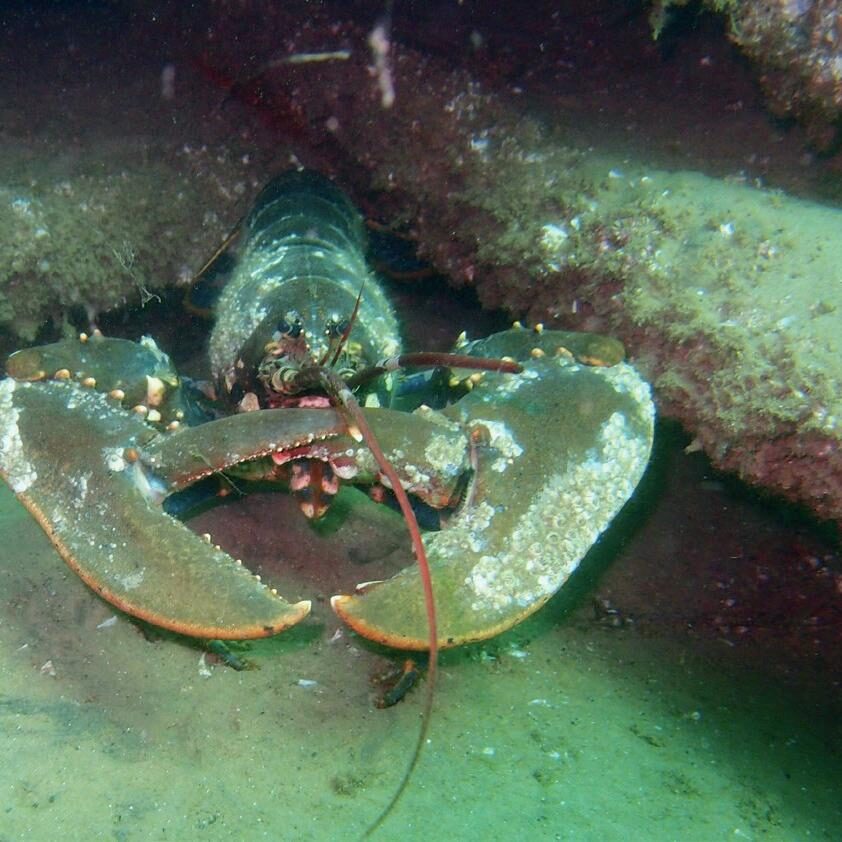
When we had discovered the wreck, not only did it appear never to have been dived but it also showed no signs of ever having been fished or potted. You would normally expect to find some sign of lost fishing gear on a wreck in this area, and the crabs and lobster that had made the North Wales home proved to be way above average size.
To allow the life on the wreck to continue to thrive, Anglian Divers has implemented a no-take policy on the site, such that none of its members are permitted to remove and land lobster or crabs from the wreck while on club dives.
We are withholding the position of the North Wales, as much as anything so that its crustacean population can continue to enjoy their charmed life there.
Frequently Asked Questions
When was the North Wales wreck discovered?
The North Wales wreck was discovered in July 2023 by divers from Norfolk Wreck Research and Anglian Divers, 142 years after it was lost.
How did the North Wales sink?
In 1881, the North Wales ran aground on Haisborough Sands while carrying coal from Newcastle to Java. Navigation errors caused by the pilot led to her loss.
Can divers visit the North Wales wreck site?
The precise location of the wreck is being withheld to protect marine life, but local clubs like Anglian Divers may have opportunities to explore similar Norfolk wrecks.
Why is the wreck of the North Wales important?
It’s a rare example of an untouched Victorian-era shipwreck, providing insight into 19th-century coal transport and serving as a thriving marine habitat.
What marine life can be found on the North Wales wreck?
Divers have reported lobsters, crabs, corals, and diverse fish species, thriving due to Anglian Divers’ strict no-take policy on the site.
This article was originally published in Scuba Diver Magazine
Subscribe today with promo code DIVE1 — enjoy 12 months for just £1!
