
Is Zen diving muck diving? Or vice versa? Or neither? Well, what is Zen?
‘Walking is Zen. Sitting is Zen. Then what will be the quality? Watchfully alert, joyously unmotivated, centred, loving, flowing, one walks. And the walking is sauntering. Loving, alert, watchful, one sits, unmotivated – not sitting for anything in particular, just enjoying how beautiful just sitting doing nothing is, how relaxing, how restful’ — Bhagwan Shree Rajneesh
Muck Diving Calms the Mind
You do not want to judge as a Zen diver, but it happens. Some diving practices, just like walking or cooking, there are better practices for experiencing Zen. The truth is, you can experience Zen in any way of living; if everything is Zen, then everything is Zen. But, there is a caveat.
Some practices are more accessible to quieting the mind, removing attachment to the past or future, and being in the present moment. Muck diving is one of those practices, and it’s become so popular there are even competitions built around it!
The prolonged, slow, and steady diving of macro or muck diving forces you into a state of hyper-alertness and stillness all at the same time.
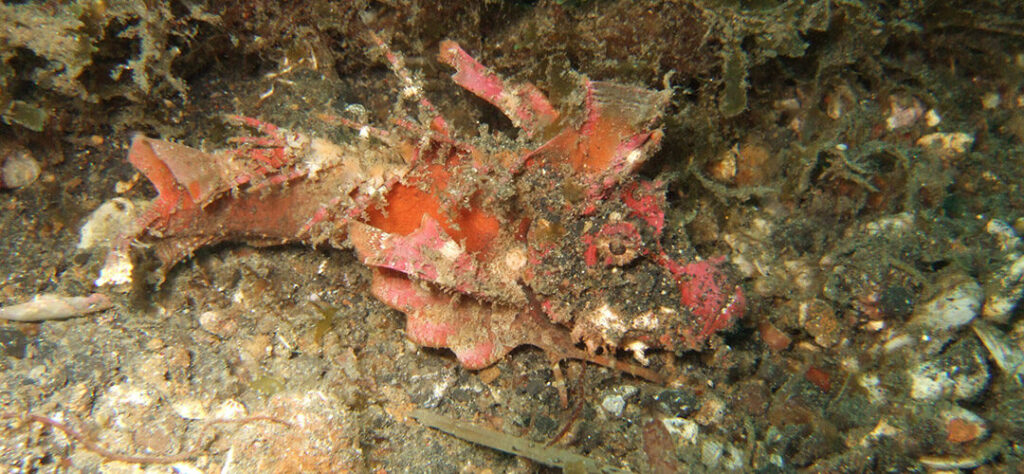
With muck, you must be completely aware of your body; how is it moving in the water? How is your buoyancy? Where are your fins positioned in the water? Are your fins low and brushing against the sand?
When you are on a great muck dive, you can be in a state of constant awe from the colorful nudibranchs, translucent cleaner shrimps, tiniest of most tiny frogfish, or the pure, simple abundance of the combination of all these alien creatures on a small area of reef.
This excitement or awe, mixed with how slow you must move to see all these critters, creates an odd happy stillness due to the overwhelming spectacle of these underwater landscapes.
The Zen part of muck is that you are unaware of its Zen. You are so present, so consumed by the search for the aliens, that you disappear into the diving, the ocean, and the reef. Muck is deeply meditative; you are flowing, loving, peaceful, alert, and excited simultaneously.
You have lost yourself. Most of the best muck diving is done in shallow water, especially in the Philippines. You can have dives that easily reach 90 minutes in 20ft to 30ft of water, and never want to get out of the water.
Some divers love going deep and bragging about how deep the dive was. The deep divers usually say, ‘I was down to 100ft for ten minutes and didn’t feel a thing and still came up with 300 psi’. If you ask them what they saw, they respond with, typically, very little.
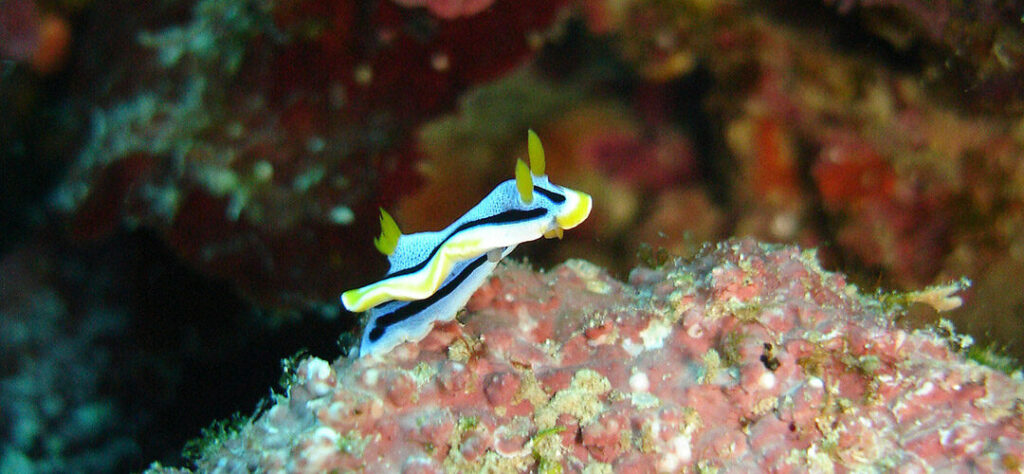
But muck divers, on a shallow dark sandy reef with an abundant mix of nudibranchs, crabs, shrimps, frogfish, gobies, octopus, cuttlefish, and seahorses, will talk your ear off. Divers impatiently wait for the surface interval to finish to gear up and go shallow again. If they could, they would take three tanks and slowly journey through the muck, staying as long as possible underwater.
You must practice one other Zen quality to enjoy the muck… you must be kind. Muck diving makes you more aware of how you dive, not for yourself, but for the aliens in the water. These critters are not robust large pelagics; they are small, delicate marine life that you can significantly impact their life with the wrong movement of a fin.
Also, photographers remember, these are tiny, fragile creatures that live in partial darkness, so your flashes can leave them temporarily blind, disoriented, and vulnerable. So this summer, go muck diving, stay calm, and be kind. Maybe, staying shallow has a deeper meaning.
Frequently Asked Questions
What is muck diving in scuba?
Muck diving is a type of scuba diving on sandy or silty sea beds, where divers search for small, unusual marine life such as nudibranchs, frogfish, and octopus.
Why is muck diving considered meditative or Zen?
Because muck diving requires slow movements, focus, and awareness, many divers find it calming, mindful, and almost meditative.
Where are the best places for muck diving?
The Philippines, Indonesia (especially Lembeh Strait), and parts of Malaysia are world-renowned for muck diving.
What kind of marine life can you see when muck diving?
Divers can encounter critters like nudibranchs, shrimp, seahorses, frogfish, gobies, cuttlefish, and mimic octopus.
How can divers practice responsible muck diving?
Maintain good buoyancy, avoid stirring sediment, keep fins off the seabed, and use photography flashes sparingly to protect fragile marine life.
Subscribe today with promo code DIVE1 — enjoy 12 months for just £1!
