Confirming the discovery of new marine species could at one time take decades – but now, with enough specialist scientists assembled on a boat with a deep ROV, state-of-the-art imaging and genome-sampling systems to hand, the same results can be achieved in a matter of days.
This was demonstrated on a recent expedition in the tropical South Atlantic Ocean during which 31 new midwater or Mesopelagic Zone-dwelling species were confirmed – and a first in seagoing research was claimed when the living internal cellular structure of a microbe was observed in 3D.
The expedition was the third in the US Schmidt Ocean Institute’s “Designing The Future” series, gathering an international team of midwater experts onboard the institute’s research vessel Falkor (too) to work together off the Brazilian coast.
The inaccessibility and sheer volume of the ocean’s Twilight Zone (midwater depths between 200 and 1,000m) make it one of the most challenging parts of the planet to penetrate, says the institute.
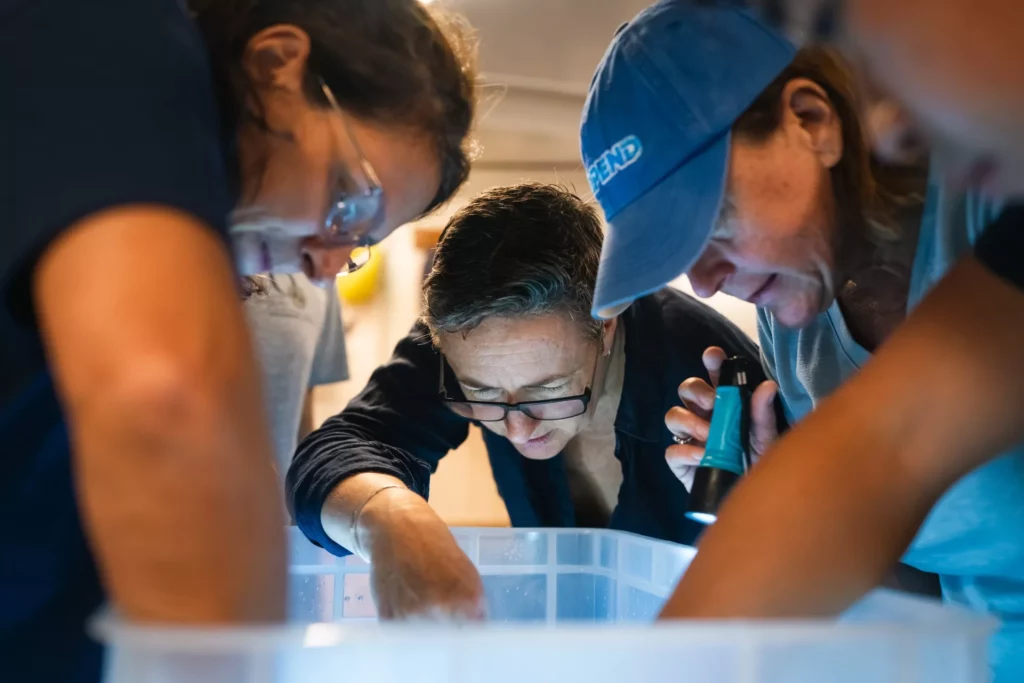
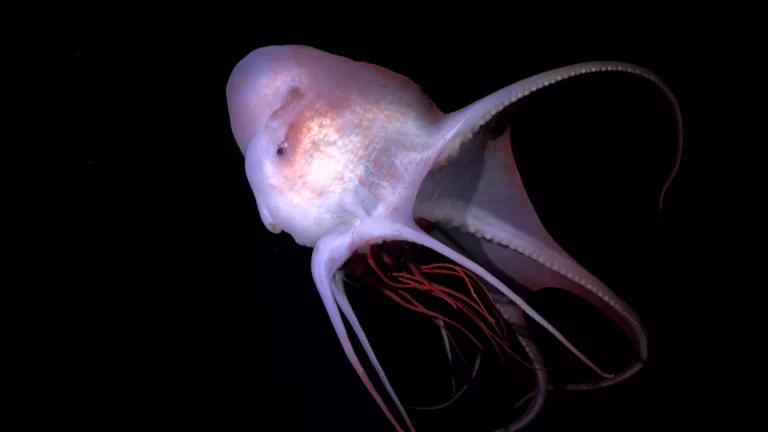
The team witnessed far more diversity and abundance of midwater organisms than they had expected, according to the expedition’s chief scientist, Dr Karen Osborn of the Smithsonian National Museum of Natural History. Highlights among the sightings were a glass squid and a pelagic octopus feeding on a bright red jellyfish (main image).
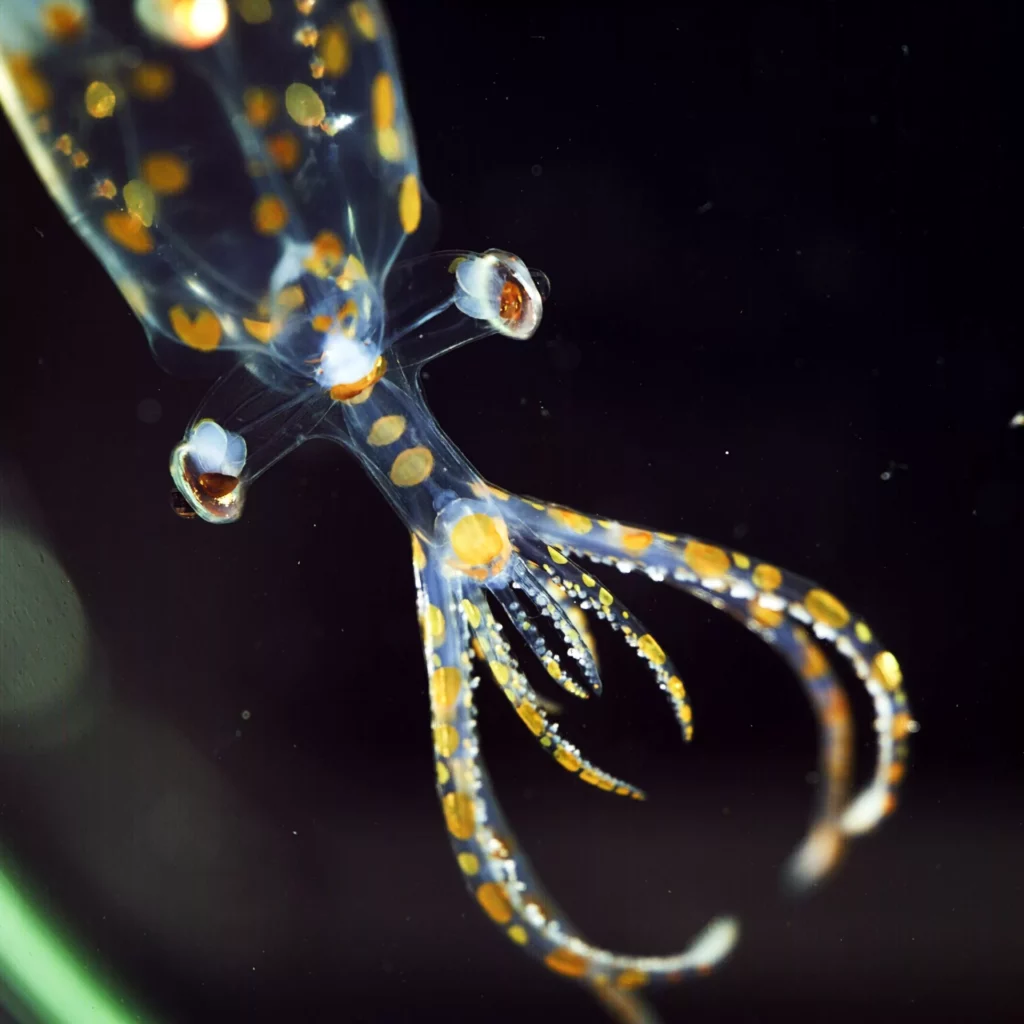
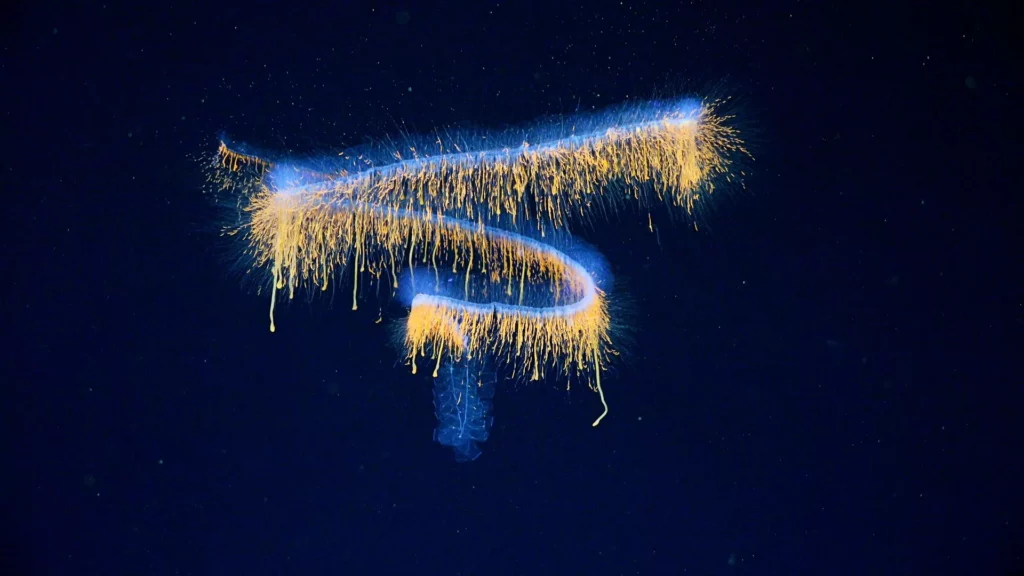
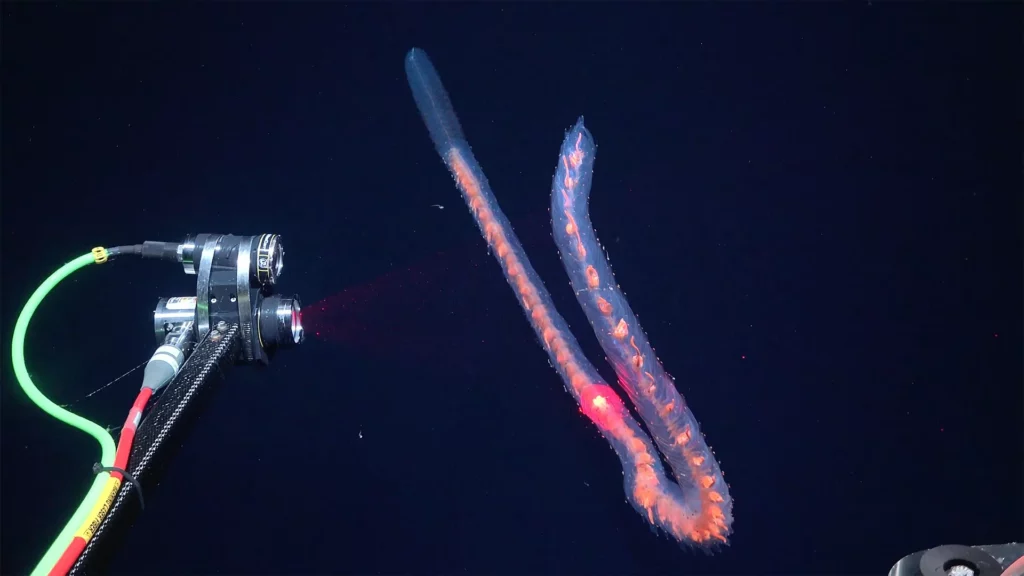
The deep-living creatures that proved new to science comprised an amphipod; an unexpectedly fast-moving gossamer worm; nine jellyfish; seven siphonophores; seven comb jellies; four tadpole-like larvaceans, said to be more closely related to humans than invertebrates; and two giant single-celled organisms called rhizarians.
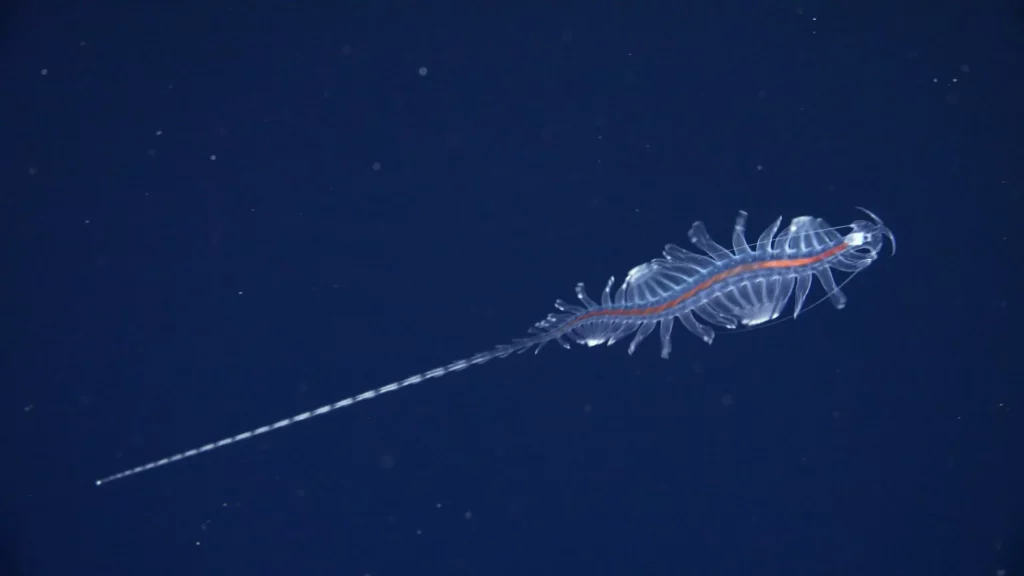
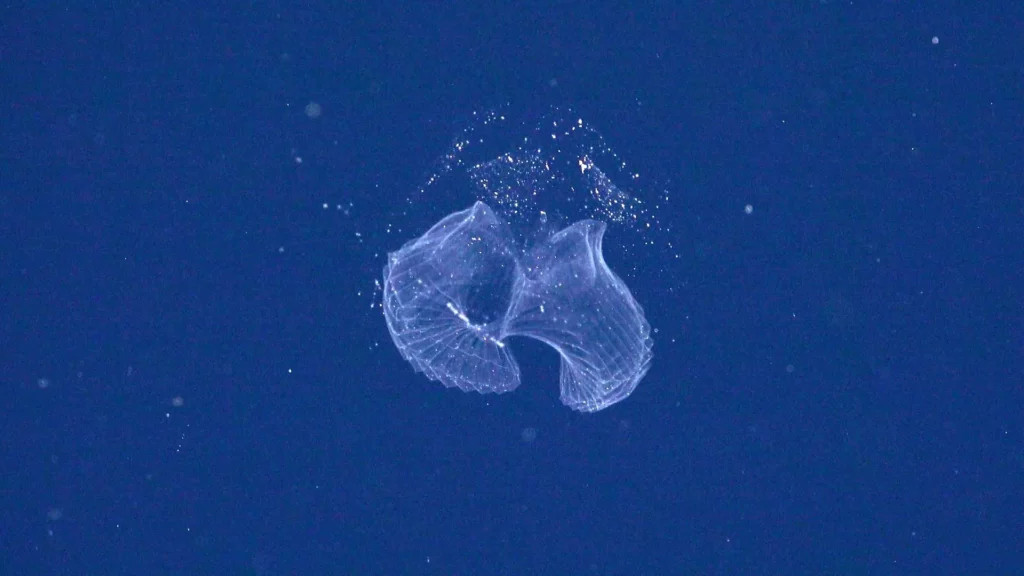
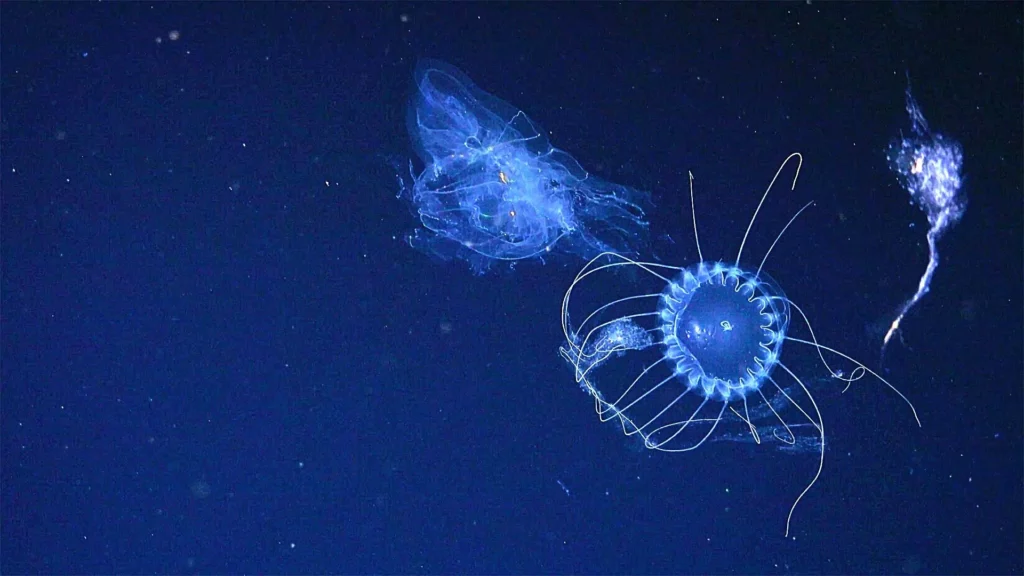
“The largest habitat on Earth, the midwater, is filled with incredible animals we are only just starting to understand,” said Osborn. “I continue to be fascinated by the fantastic variety of solutions they have evolved to survive in this formidable environment.”
The researchers used a combination of imaging systems and genetic analyses to conduct their research.
Non-invasive imaging instruments the DeepPIV (particle image velocimetry) and EyeRIS (remote imaging system), developed by the Bioinspiration Lab at MBARI (Monterey Bay Aquarium Research Institute), were attached to Schmidt Ocean Institute’s ROV SuBastian, scanning organisms using lasers and creating 3D images of them.
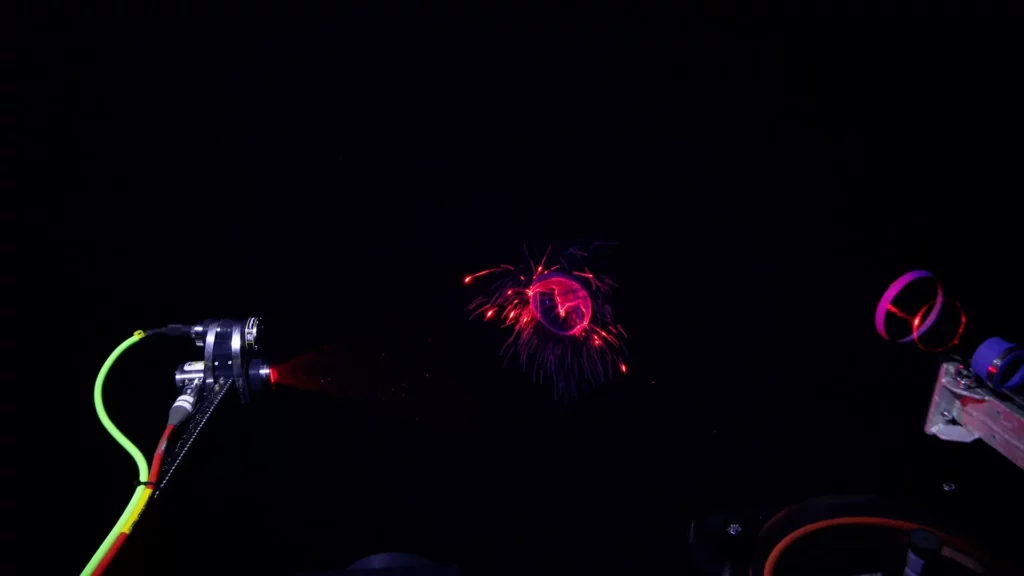
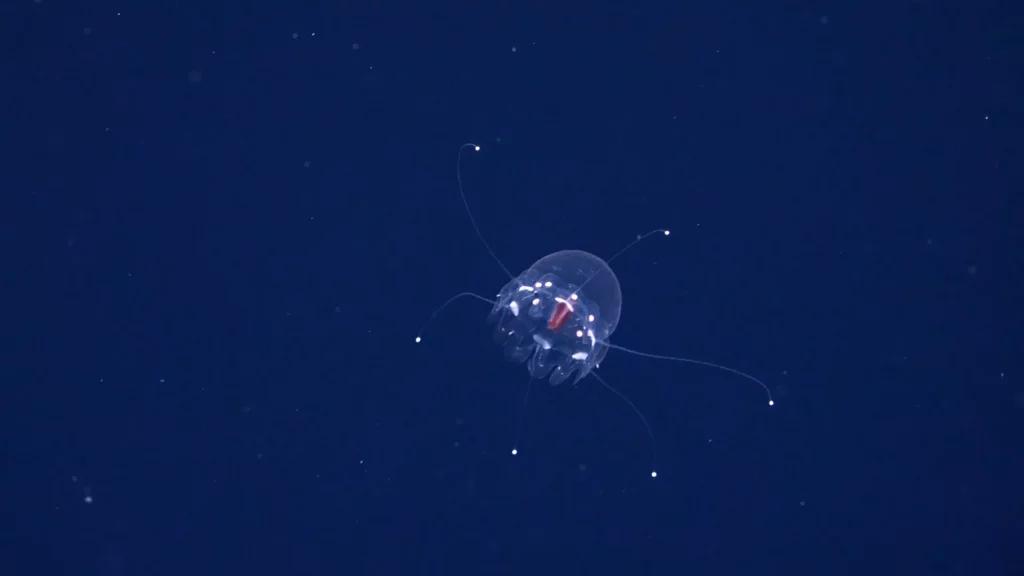
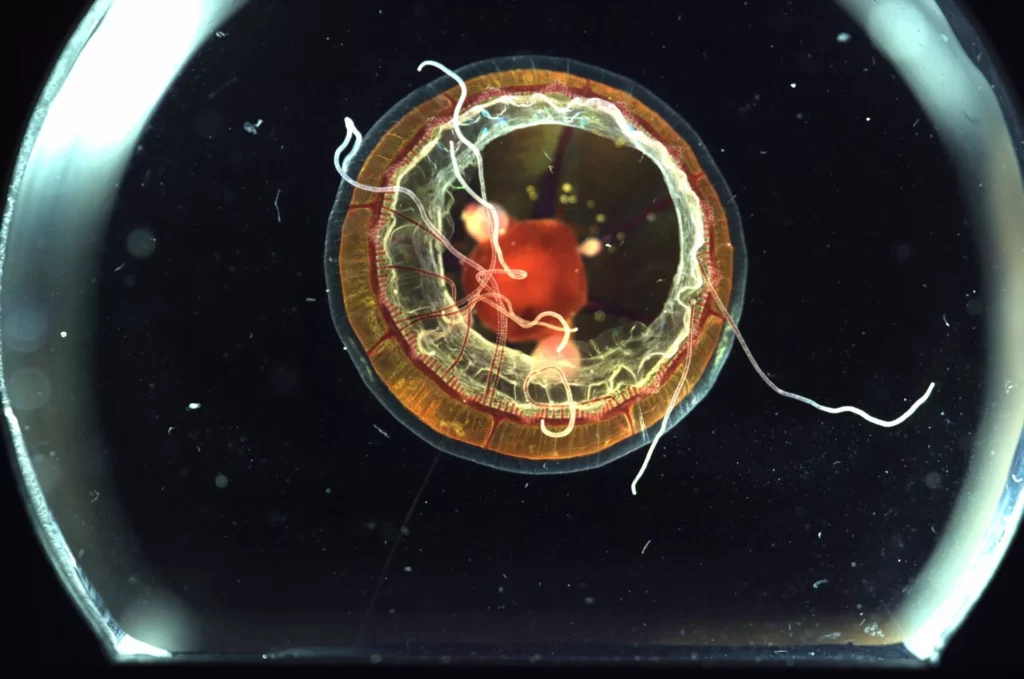
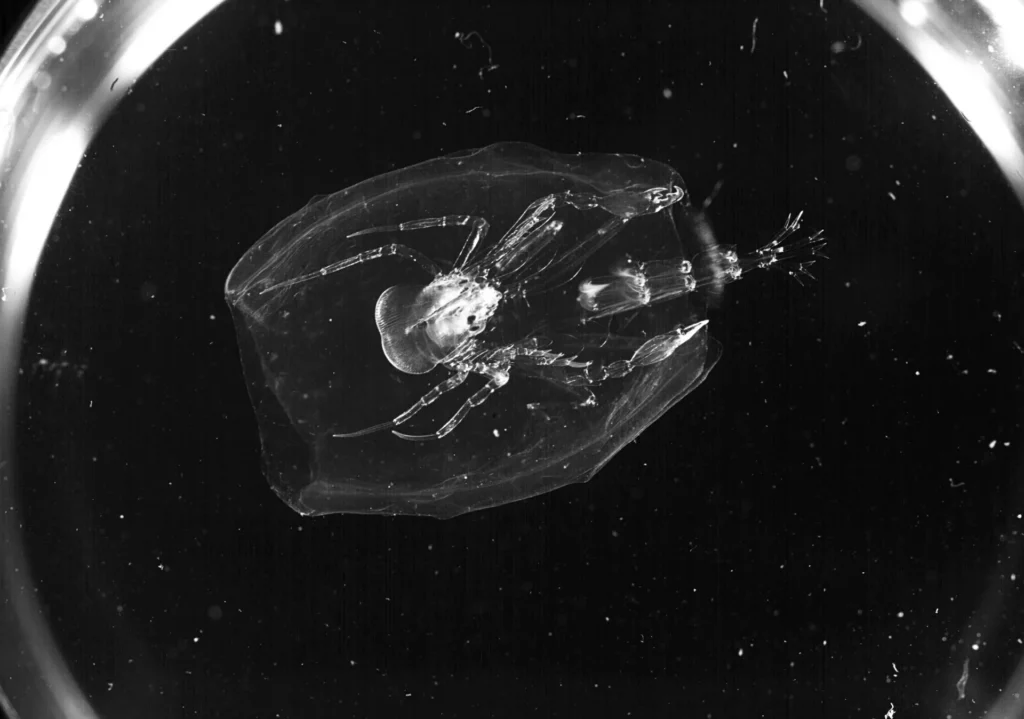
A shadowgraph camera from the Japan Agency for Marine-Earth Science & Technology (JAMSTEC) was also attached to SuBastian to capture fine details of animals not visible in the 3D scans. By these means the scientists were able to describe the shape and internal structures of animals without having to collect physical samples.
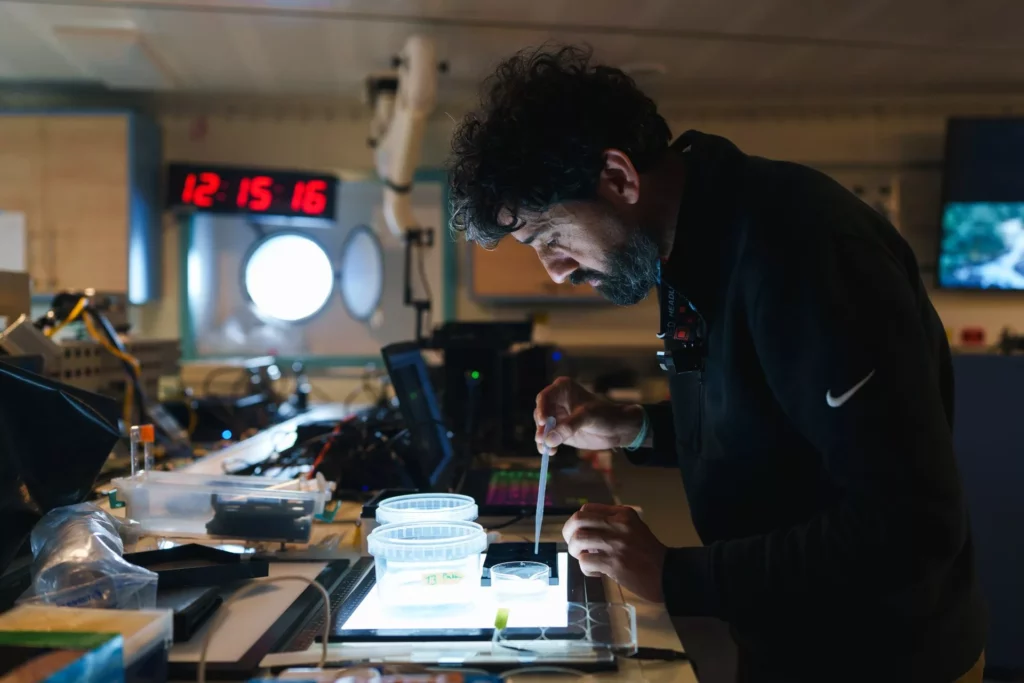
Problems associated with traditional sampling, which prove damaging when the delicate, often gelatinous bodies of animals are hauled to the surface, were addressed by enabling the researchers to study them in controlled environments that replicate their natural habitat.
These included a virtual reality chamber developed at the University of Western Australia and, from Stanford University in the USA, a microscope known as a Gravity Machine that provides a hydrodynamic treadmill for studying microbes, and another called Squid.
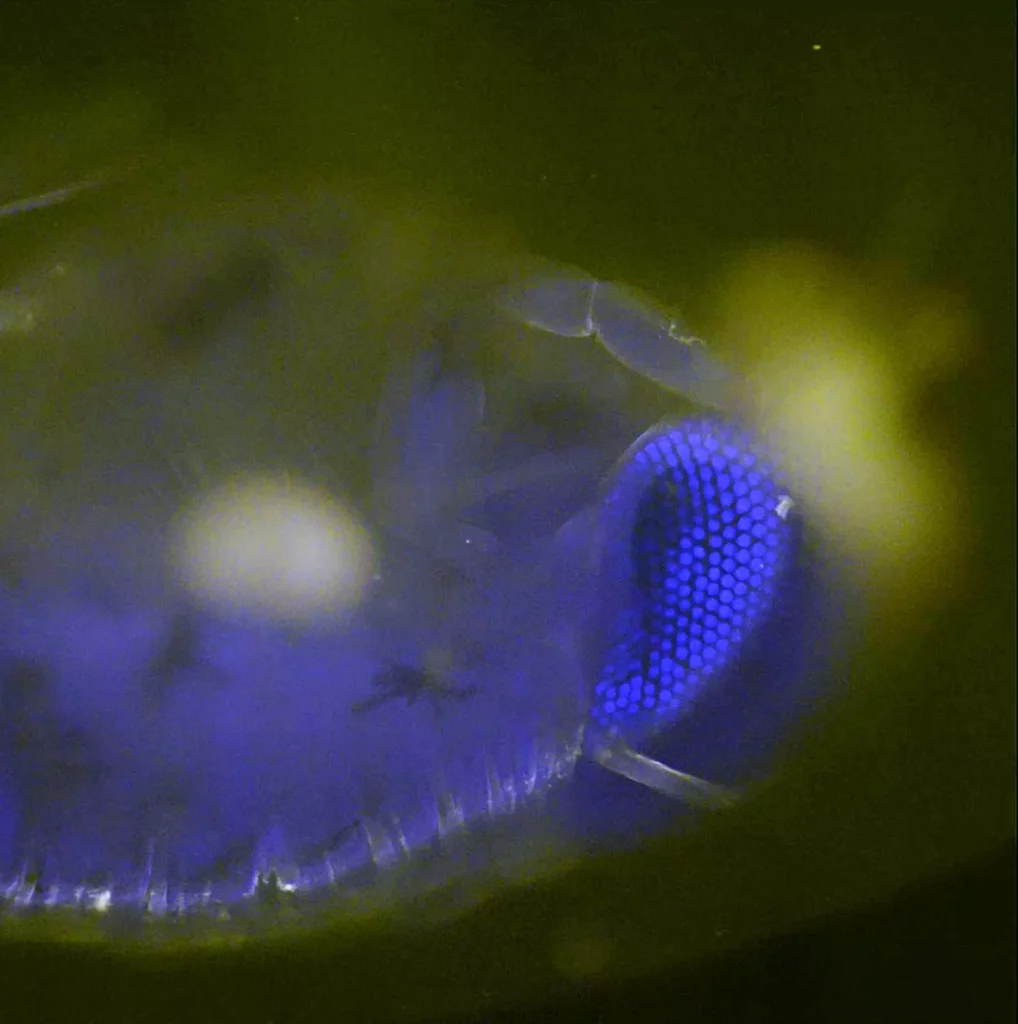
The latter was used to achieve the scientific first, revealing how the cellular structure of a large single-celled microbe called a protist interacted with its glass skeleton.
“This opens a new door for researching deep-sea physiology, linking cellular architectures to organism function,” said Dr Manu Prakash of Stanford. “We can now witness live internal processes within these extreme organisms adapted to withstand immense pressure and darkness,”
Also enabling rapid identification of new species, the team were able to sequence genomes from collected specimens on site.
“The novel suite of technologies on this cruise is a glimpse into the future of marine biological science,” said Schmidt Ocean Institute’s executive director Dr Jyotika Virmani. “We look forward to a future in which scientists study marine life as elegantly as this team did – and in virtual reality.”
The Sasakawa Peace Foundation’s Ocean Shot research grant programme funded two midwater programmes said to have made the work carried out on the expedition possible, one at the University of Western Australia and the other at the USA’s Bigelow Laboratory for Ocean Sciences.
Also on Divernet: ‘Death-balls’ among 30 deep-south underwater discoveries