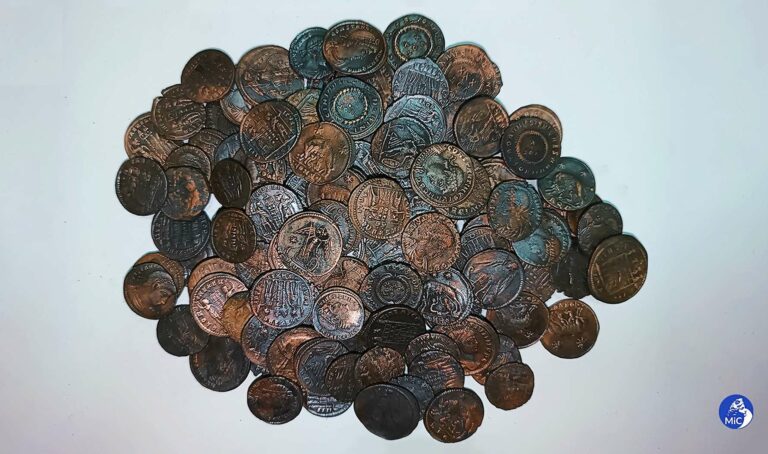
An observant recreational scuba diver has come across a vast deposit of large bronze coins dating back to the age of the Roman emperor Constantine the Great – and now it is hoped that remains of the ship from which they came can also be located.
The unnamed diver had reported seeing the coins in a shallow sandy area not far from shore in the Arzachena region of Sardinia’s north-eastern coast, according to the Italian Ministry of Culture.
His report sparked off a huge underwater investigation the following day, involving the underwater archaeological unit of the ministry’s Superintendency of Archaeology, Fine Arts & Landscape (SABAP), Sardinia’s Cultural Heritage Protection Unit and a number of carabinieri and fire brigade diving units, together with state and financial police and port authorities.
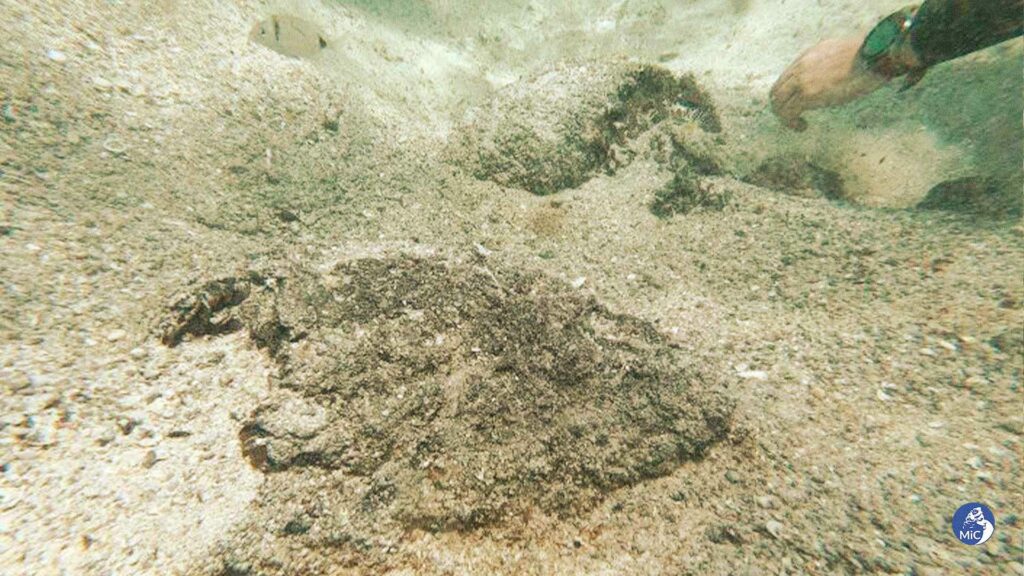
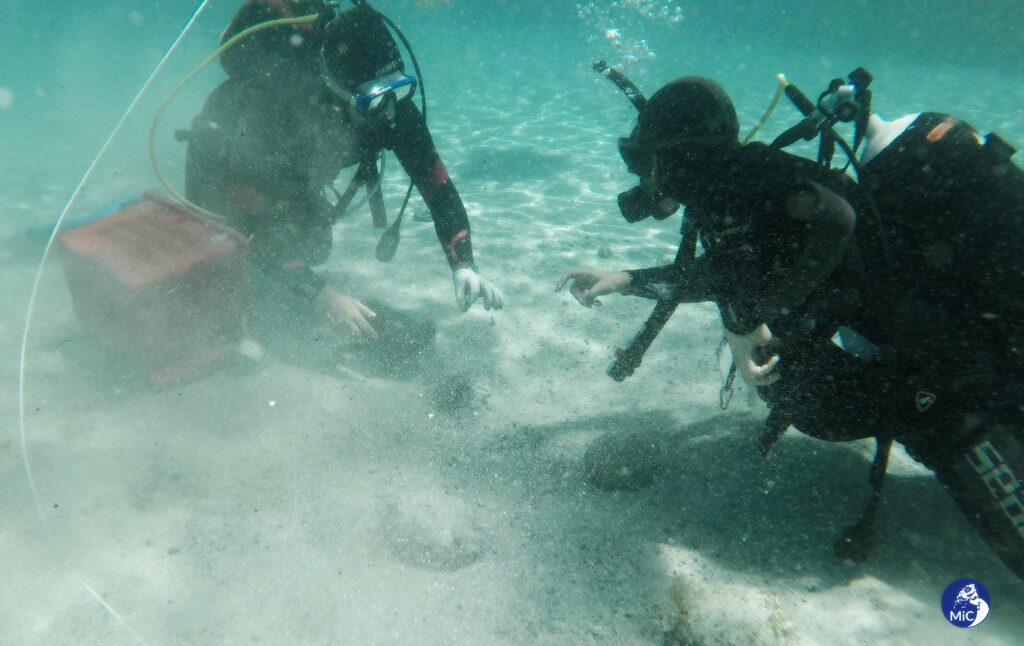
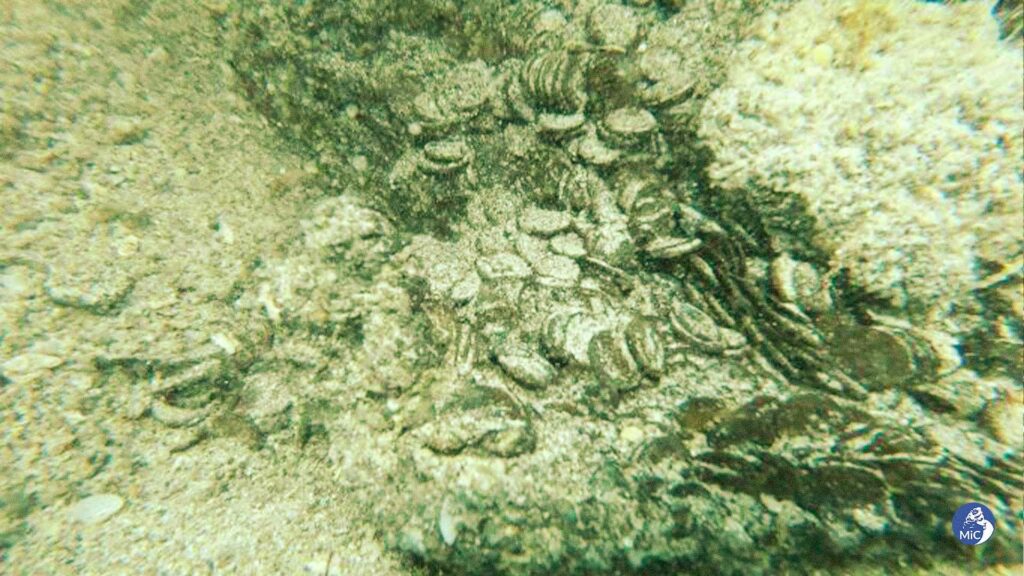
The dive-teams identified two sets of coins in a large sandy area that they reckon might have served to protect any wreck remains, even from 1,700 years ago.
Estimated on the basis of weight alone, the hoard is thought to contain between 30,000 and 50,000 Roman coins – many more, as the ministry pointed out, than the almost-23,000 coins from the same period found near Seaton Down in the UK by a metal detectorist 10 years ago.
‘Exceptional and rare’
All the coins examined so far have been in “an exceptional and rare” state of conservation, with only four of them damaged, though still legible. Large numbers of amphoras of African and, in smaller numbers, Asian origin were also identified.
The coins, known as follis, have been dated to between 324, the year of the death of the Roman emperor Licinius, and 340 AD, so cover the reigns of Constantine the Great and his son Constantine II.
The two Constantines had attempted to introduce bigger bronze coins called centenionales during this period, but none of these had been found, according to the ministry. The follis examined come from almost all the mints of the Roman Empire active during the period, with the exceptions of Antioch, Alexandria and Carthage.
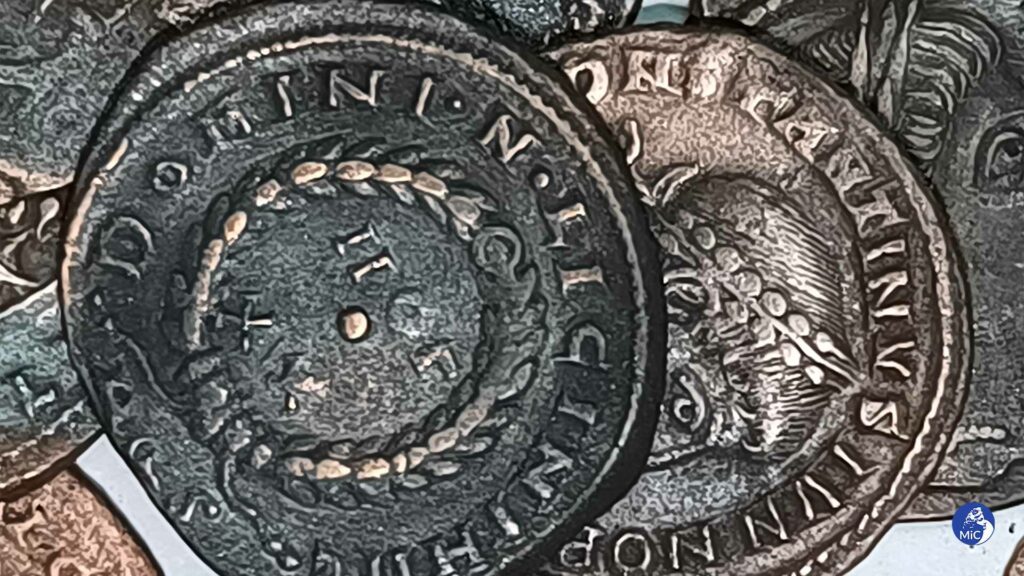
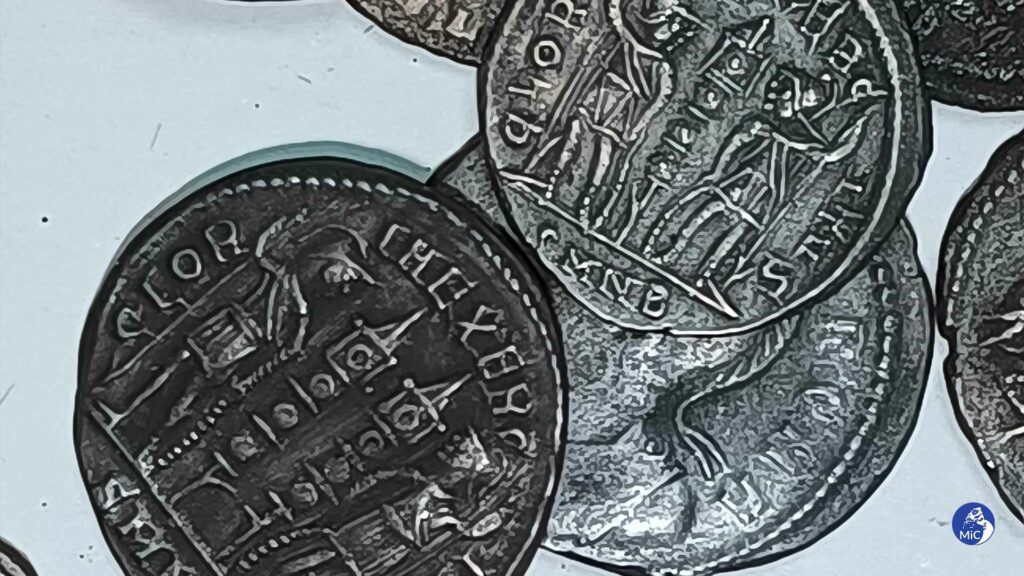
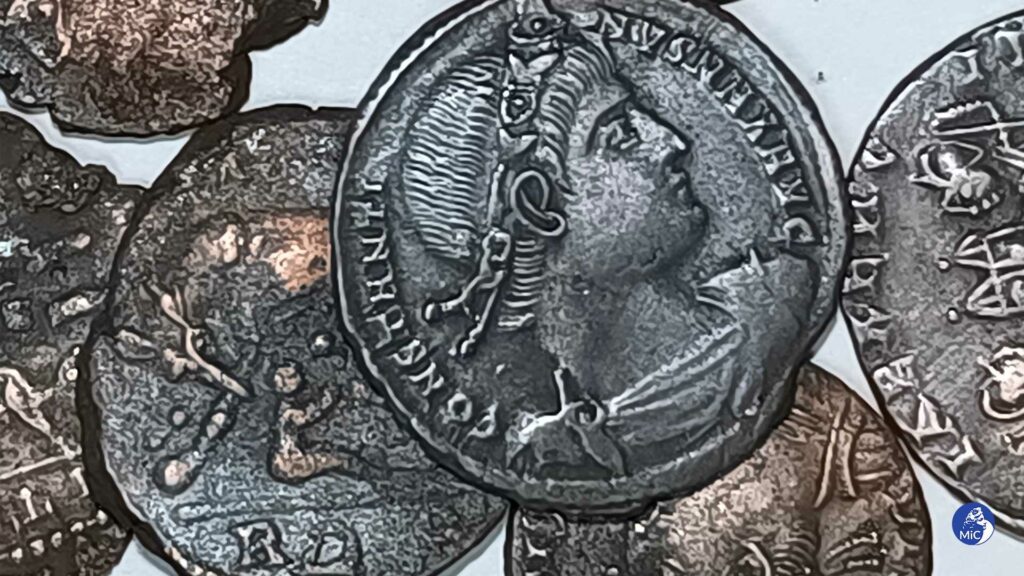
It was not made clear exactly when the coins were found or how many have been recovered, but restoration and conservation operations are now being carried out.
“The treasure found in the waters of Arzachena represents one of the most important discoveries of numismatic finds in recent years,” said SABAP director-general Luigi La Rocca.
He added that the discovery “highlights once again the richness and importance of the archaeological heritage that the depths of our seas, crossed by men and goods since the most ancient times, still guard and conserve.”
Stating that the discovery represented “an extraordinary but also very fragile heritage, constantly threatened by natural phenomena and human action”, La Rocca said that the ministry’s archaeological units would employ “extraordinary recovery and conservation methodologies and techniques” to protect and investigate the site and its contents.
Also on Divernet: Coins led divers to ancient Roman shipwreck, Spanish divers uncover Roman gold coins, Divers find smuggled coins on Rooswijk, Want to dive a ‘million-coin’ wreck?