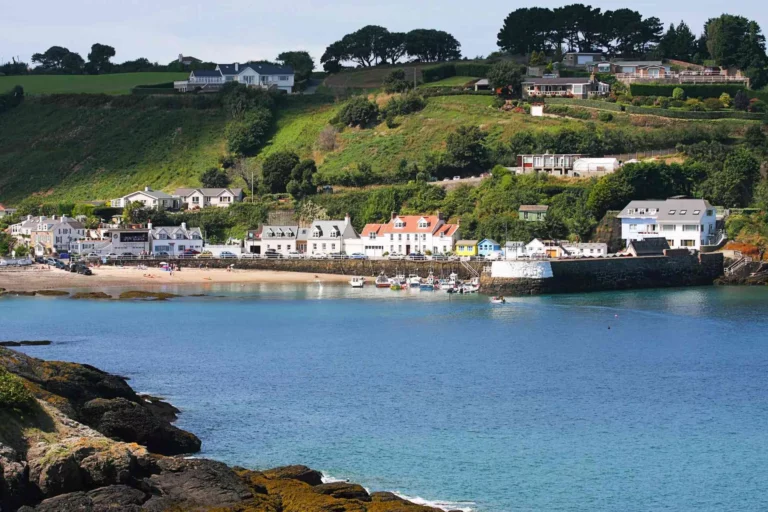
The sea around Jersey is set for an ecological reset after the Channel Island’s government approved one of the more ambitious marine-protection plans in the British Isles – potentially transforming some of the region’s most biodiverse sites over the coming decade.
A new Marine Protected Area (MPA) network is set to increase protection from damaging fishing methods to 21.7% of Jersey’s 2,445sq km of waters from 1 September this year, which almost quadruples the current level of protection. A further 1.9% is set to be added by 2030, bringing the total to just over 23%.
At the heart of the plan is a ban on mobile fishing gear, particularly dredging and bottom trawling, in sensitive areas. These methods are widely recognised as among the most destructive to seabed habitats, capable of stripping reefs, seagrass and fragile biogenic structures in a single pass.
For divers, the protected zones include some of Jersey’s richest habitats, including kelp forests, seagrass meadows and the slow-growing, coral-like algae that form maerl beds.
Maerl beds alone can host up to 173 marine-life species in a single square metre, making them among Europe’s most biodiverse marine habitats. The MPA will cover offshore reef systems such as Les Minquiers and Les Écréhous, known to local divers for their clear water and marine life.
‘Pivotal moment’
The decision follows years of seabed surveys, ecological research and consultation with the fishing community and local stakeholders, culminating in what was unanimous approval by Jersey’s States Assembly. UK conservation charity the Blue Marine Foundation (BMF) has described the move as “a pivotal moment,” allowing marine life to recover and improving resilience to climate change.
Evidence from other British Isles sites, such as Sussex’s trawling exclusion zones, shows that seabeds protected in this way can begin to recover within a few years, with increases in fish abundance and the return of habitat-forming species.
Most of Jersey’s small-scale fleet, using pots, rod-and-line or hand-diving for scallops, will continue to operate across large areas, and protecting nursery habitats and reducing seabed damage will, it is estimated, ultimately benefit fisheries by stabilising stocks and improving long-term yields.
The new measure puts the island ahead of England, where only some 11% of territorial waters have been accorded similar restrictions, though it is the effectiveness of enforcement measures that matters most. It also aligns more closely with the global “30 x 30” target (30% by 2030), though it will still fall short of that goal.
Meanwhile in Chile
Some 12,000km away in South America another significant ocean-protection deal has been signed in by its outgoing government.
At 3,370 sq km the sea around the Juan Fernández archipelago and Nazca‑Desventuradas marine park was already among the world’s biggest MPAs, but the new “no‑take” protection measures will mean that all fishing and extractive activities will be prohibited beyond a narrow coastal strip.
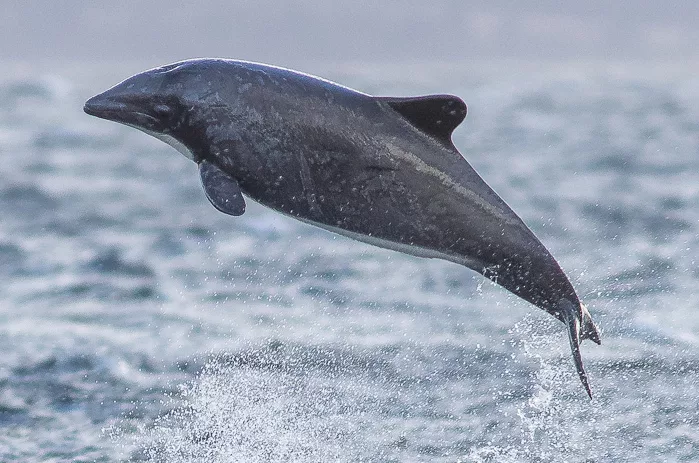
Scientists say that the area displays extraordinary biodiversity, with Nazca‑Desventuradas in particular featuring seamounts and deep‑sea ridges that support highly endemic species such as Chilean dolphins, vibrant benthic communities and complex food webs.
The BMF has also welcomed this development, while noting that its success depends on the incoming, more right-wing government’s own views on environmental laws.

Well done Jersey. There are some lovely sites that need conserving. I’m from Guernsey and they have been “talking” about doing this since time began. But too many groups and so called experts always seem to prevent this from happening.
The whole of the Channel Jslands is a mecca of incredible marine features and needs protecting. Dredging and bottom trawling have decimated in many large areas. The same people that are carrying out these operations, are the same ones who are moaning about the drop in catches and blaming everyone else.
Now there is a big argument going on about offshore wind farms . Those trying to stop it are those whose activities would be affected by this I.e. dredgers and trawlers. No one actually reads anything.
Look at the way marine life takes over wrecks, carefully sunken ships and artificial reefs. The same will happen on a wind farm given time . If you can, support all moves to ban dredging and bottom trawling. Sign petitions, lobby MPs support conservation groups. Do it now before we loose the all….forever.
Tim
BSAC Advanced Instructor
Retired HSE Diver
Retired fishing and dive boat operator