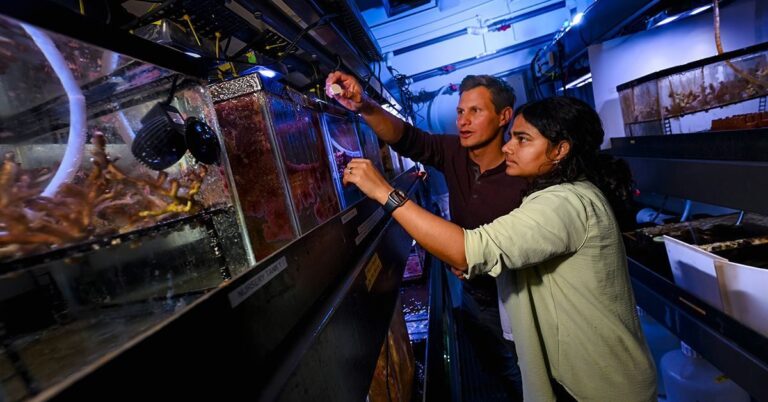
Researchers at UC San Diego’s Scripps Institution of Oceanography and Jacobs School of Engineering have developed a nano-particle gel that increases coral larvae settlement up to 20 times compared with untreated surfaces, which could be key to coral reef restoration.
According to a report published in Trends in Biotechnology, the gel, called SNAP-X, is applied as a coating and releases coral-attracting chemicals for up to a month. The research was funded by the Defence Advanced Research Projects Agency’s Reefence programme, which aims to develop self-healing, hybrid biological and engineered reef-mimicking structures for coastal protection.
Also read: Scuba diving: The $20 billion industry
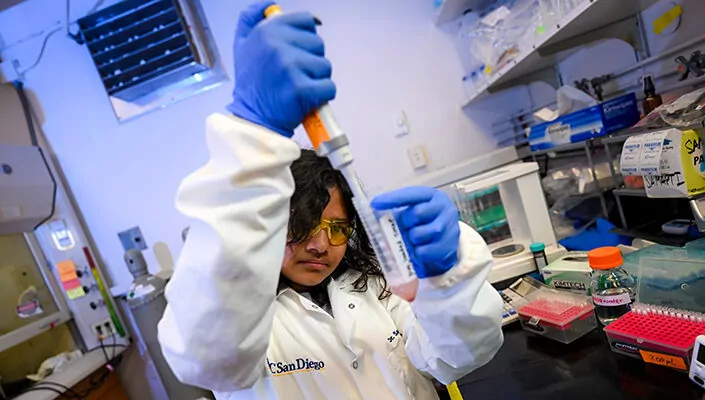
Daniel Wangpraseurt, the study’s senior author and a marine biologist at Scripps, explained: “Corals are animals, and their larvae are selective about where they are going to attach because once they do, they’re stuck there.
“With SNAP-X, we created a material that releases chemical cues that tell coral larvae this is a good place to live.”
He concluded: “My lab’s approach is to combine marine biology with physics and bioengineering to come up with new solutions.”
