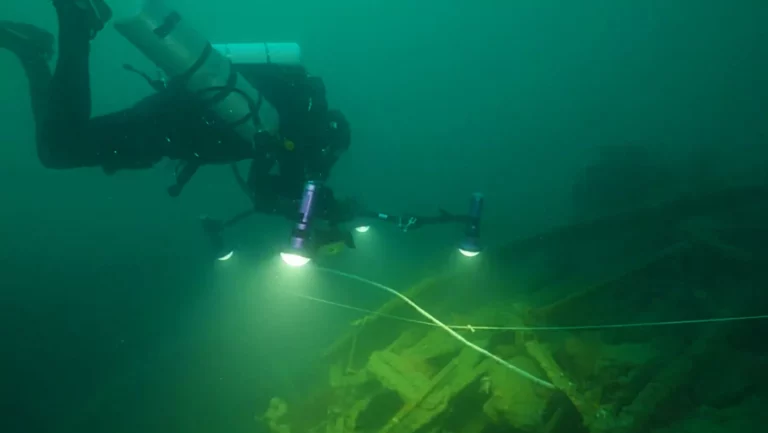
The wreck of the Japanese transport Hofuku Maru, one of the most tragic ‘hellships’ of WW2, has been located at a depth of around 50m by technical divers, 82 years after she sank with more than 1,200 Allied prisoners of war onboard.
The discovery of the tragic vessel was made off the west coast of the island of Luzon by a dive-team working with the Philippines-based Hellships Memorial Foundation (HMF) last December and January, though it has only recently been revealed.
The US-registered organisation says that the positive identification of the wreck followed years of historical research, archival investigation and field surveys.
Last year newly examined Japanese wartime convoy records provided a breakthrough in the research by indicating that the ship had sunk far from the position traditionally accepted by historians.
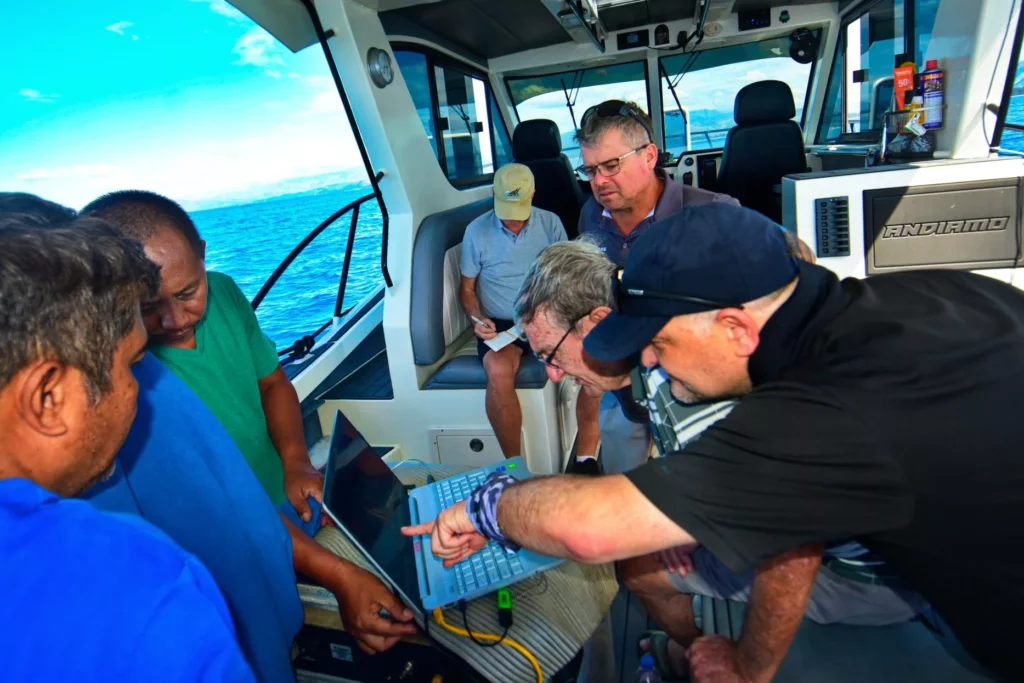
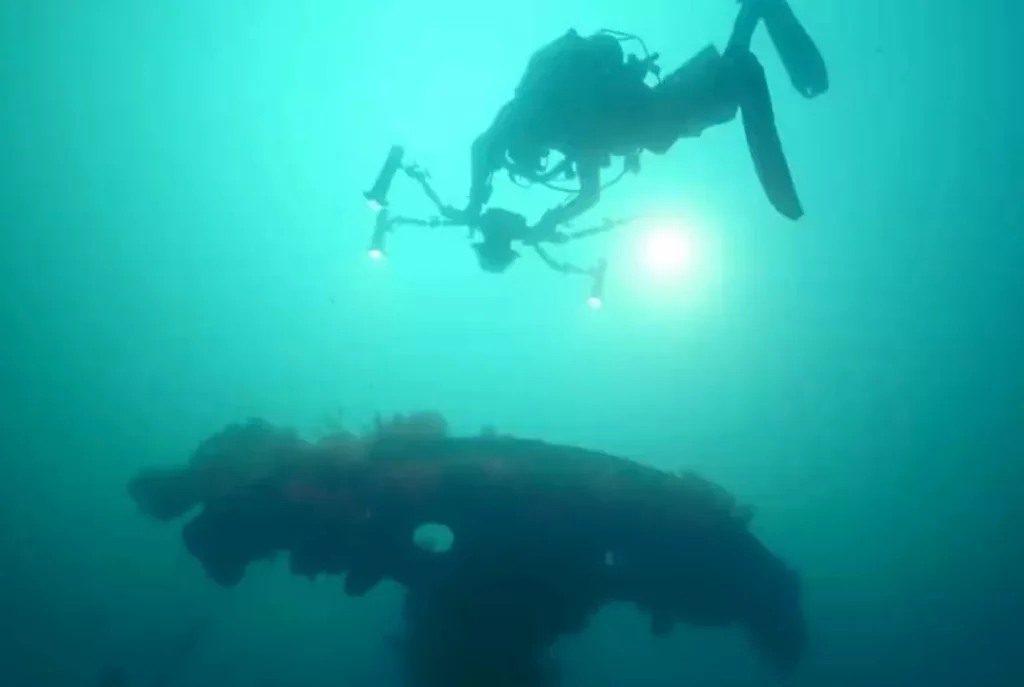
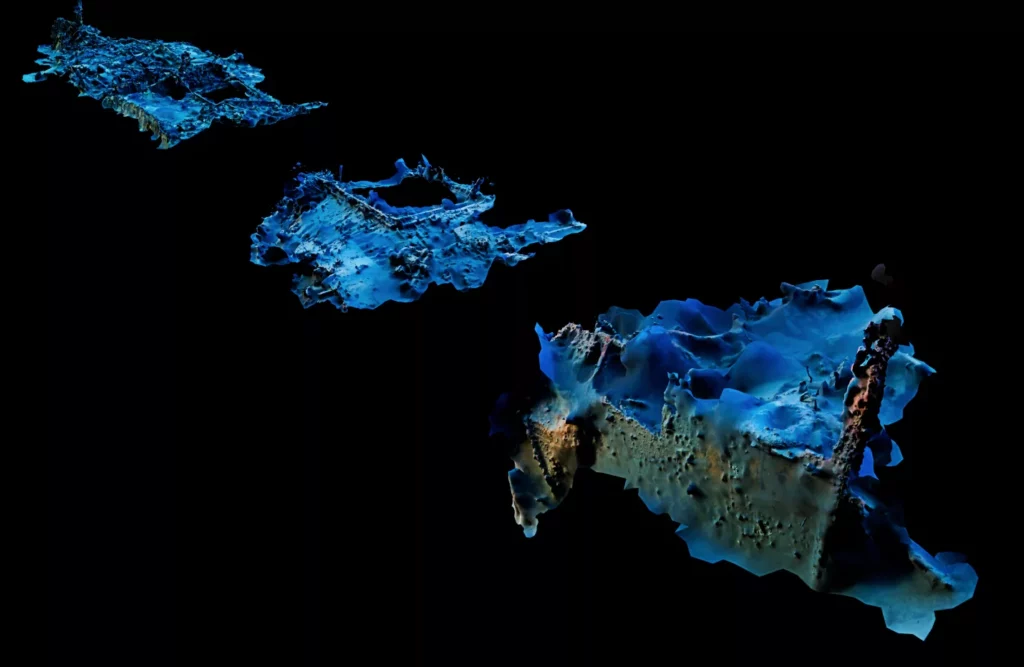
Targeted sonar surveys and technical dives were then conducted at suspected wreck-sites near the municipality of San Narciso to reveal a broken shipwreck matching the lost vessel’s dimensions.
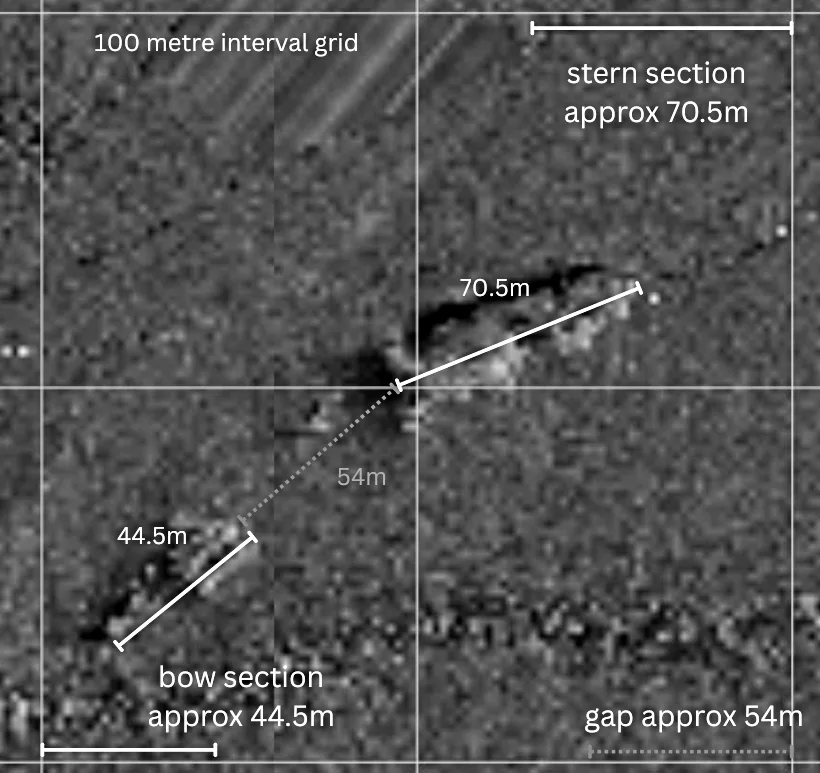
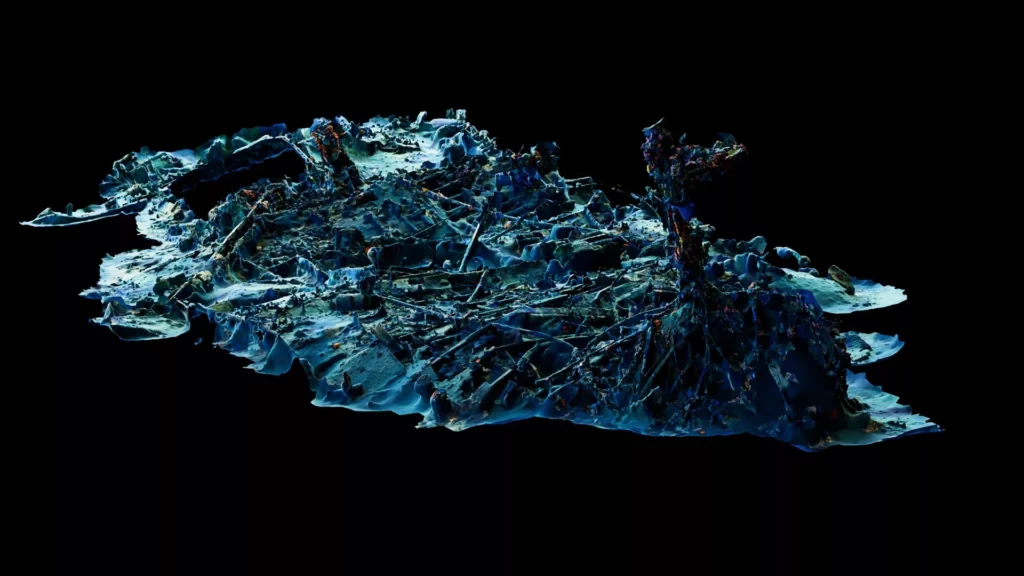
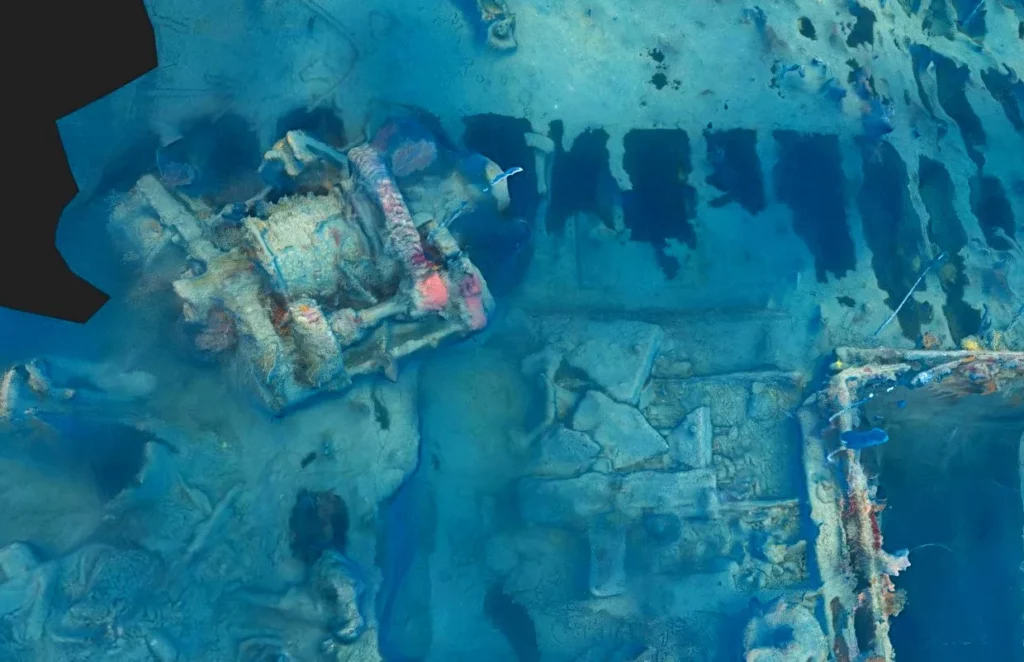
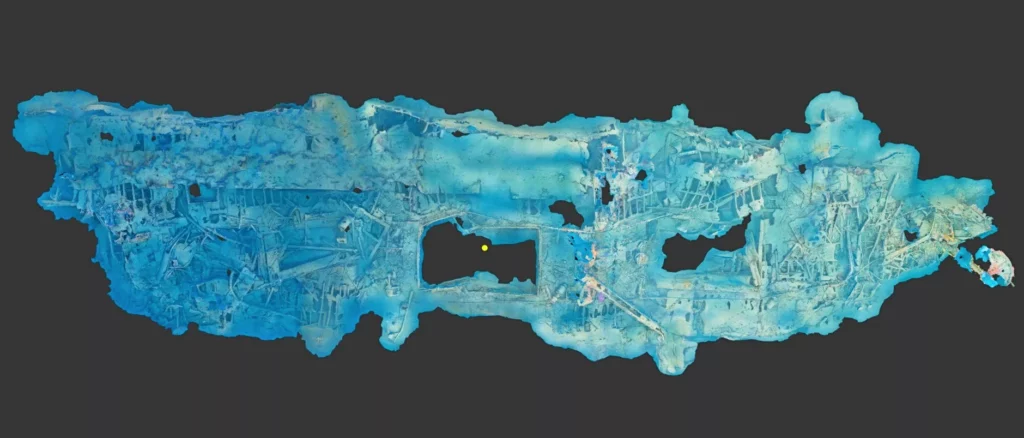
Underwater photography documented structural features, damage patterns and ship’s fittings that matched wartime plans, with blast analysis confirming characteristics consistent with the reported battle damage.
The expedition
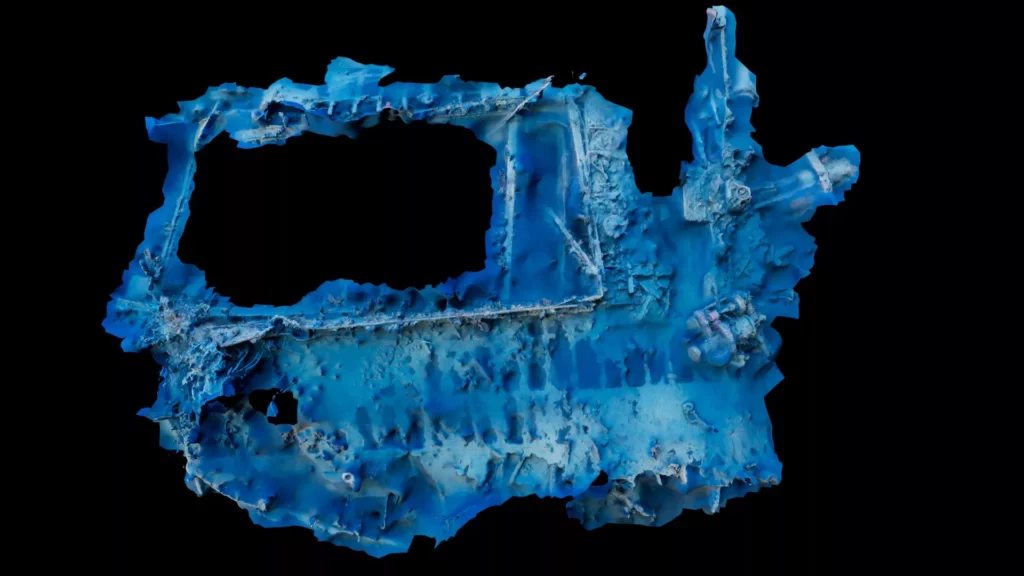
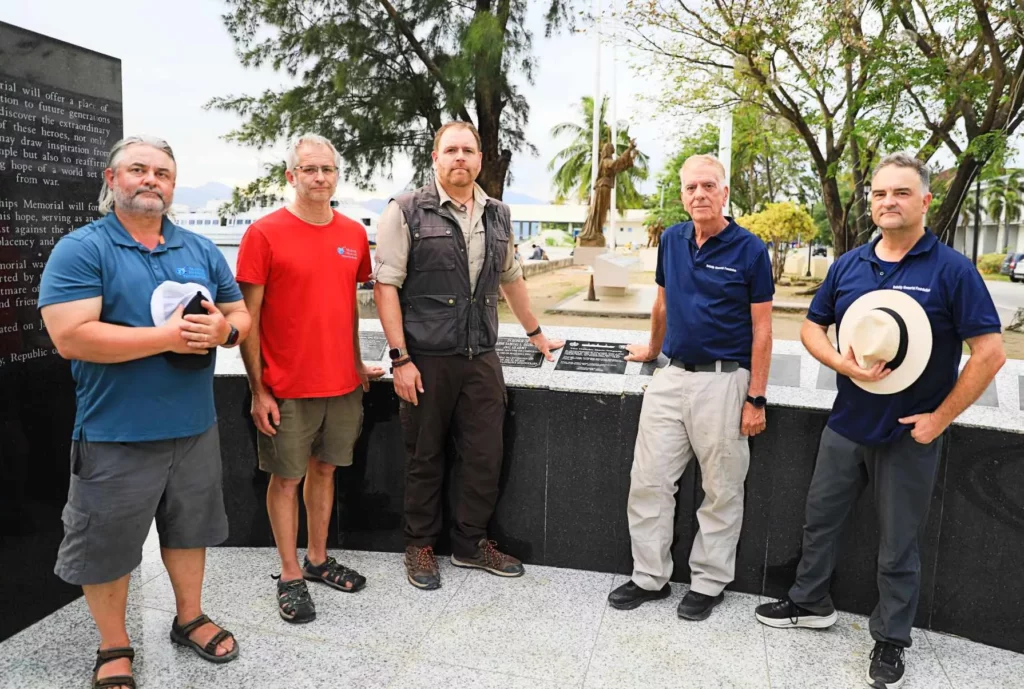
The expedition leader for the final phase of scuba diving was Josh Gates, host of a Discovery Channel adventure series called Expedition Unknown in which he investigates enduring mysteries. Diver Evan Kovacs, founder of Marine Imaging Technologies, produced the photogrammetric images required to model the wreck-site.
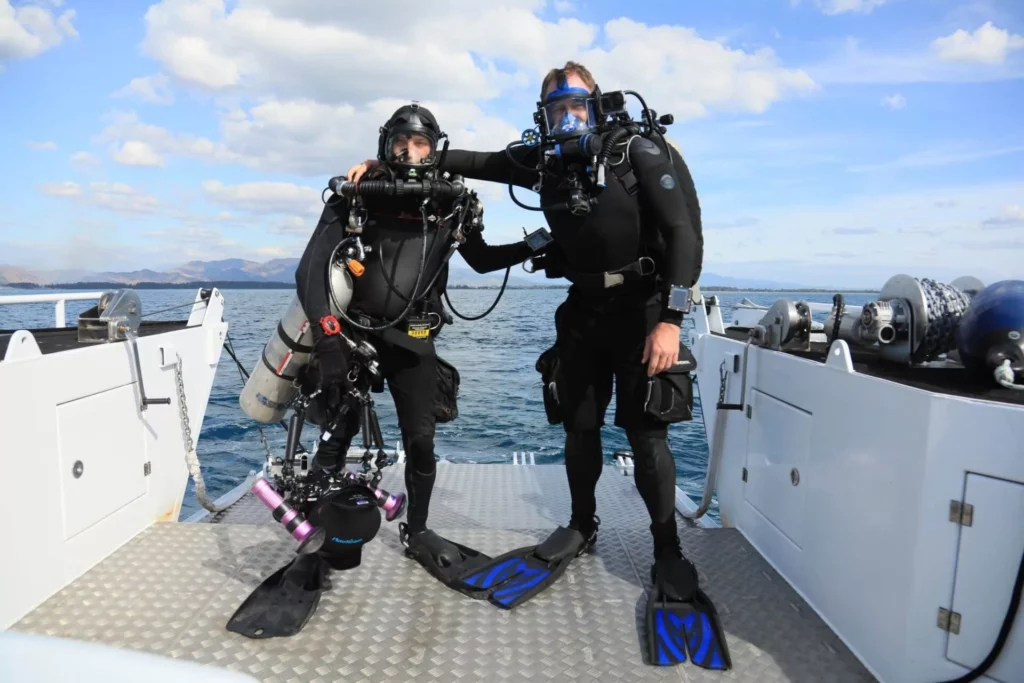
Other members of the team included Hellships Memorial Foundation founder Gerald Anderson, while the foundation’s search director Tim Beckensall oversaw the diving.
It was historical researcher John Duresky who located the Japanese convoy document that helped to solve the mystery of the wreck’s location.
After he had established that it must lie some 50km from where it had always been believed to have sunk, the foundation had presented the evidence to British, Dutch and Philippines military representatives and secured the funding needed to launch its sonar-scanning and diving operations.
“This has not only been a serious archival, archaeological and scientific investigation, it has also been an important one,” Beckensall told Divernet.
“The identification of this wreck as the Hofuku Maru not only changes the previous narrative as to the location and circumstances of the ship’s demise, it also highlights the suffering and ultimate fate of the Allied POWs onboard and acts as a reminder of the horrors endured by all Allied POWs under Japanese captivity.
“For the relatives, they now have a conclusion to the story and a location they can consider the war grave of their loved one.”
Beckensall oversaw the diving in three phases. The first, from 6-8 December, was carried out by three divers from Asia Divers (Sam Collett, Miko Zuletta and Jing Iya) and the second from 17-18 January by three from Philippine Technical Divers (Philtech): Alex Santos, Ram Yoro and Miya McGlone.
In the final and longest phase, from 23-26 January, Santos and Yoro were joined by Gates, Kovacs and maritime archaeologist Dr Calvin Mires.
End of a hellship
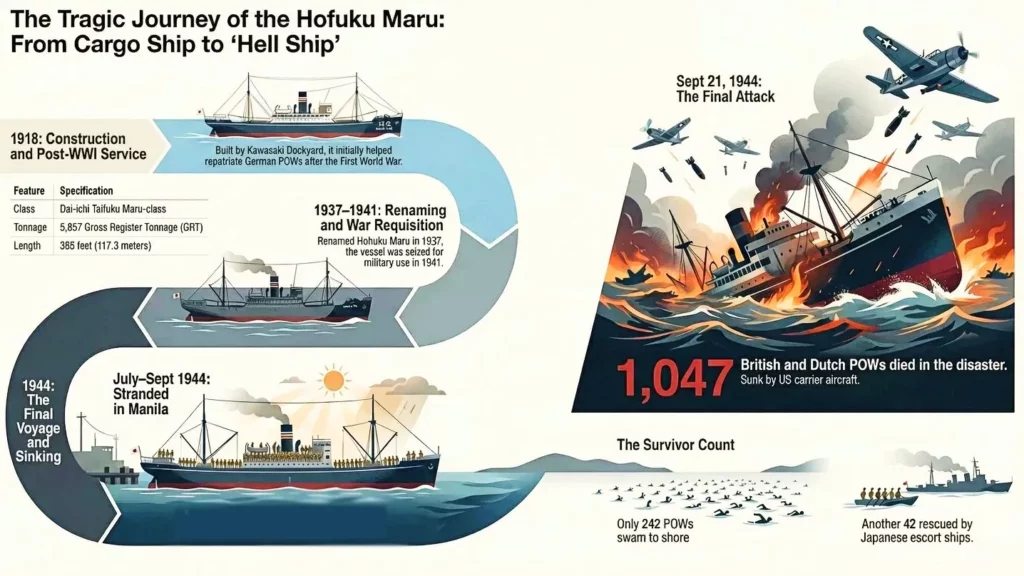
Hofuku Maru was a 117m Japanese cargo vessel built in 1918 and requisitioned by the Imperial Japanese Army during WW2 to transport Allied prisoners of war.
Such vessels became known as hellships because prisoners were carried in overcrowded, unsanitary holds with little food, water or medical care. They could be kept onboard for long periods, and were often already weak and sick when brought onto the vessel.
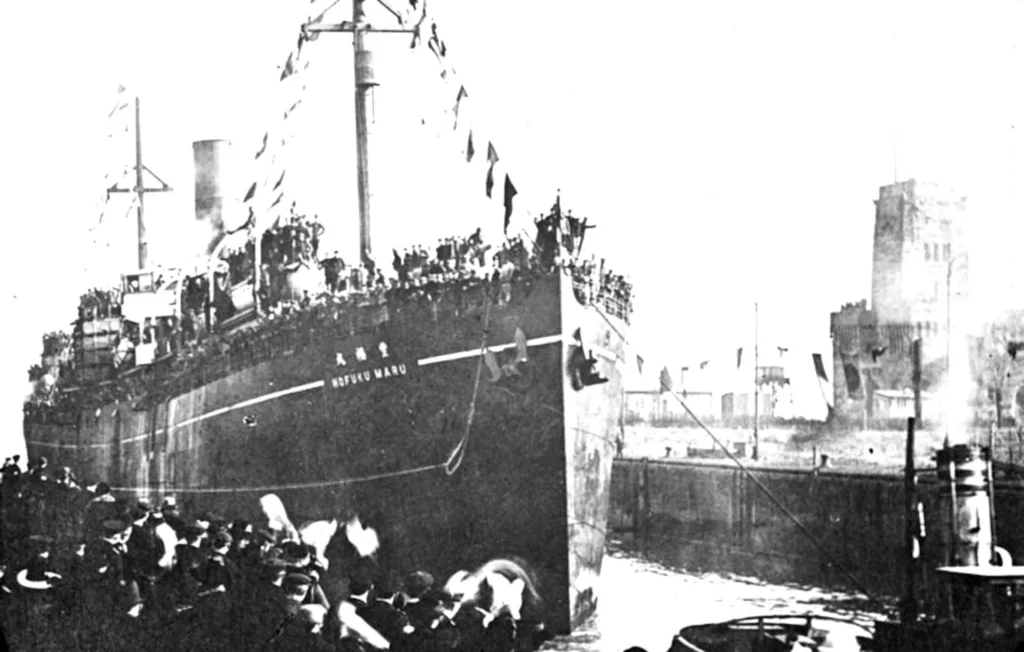
Unmarked as POW transports, many of these ships were sunk by Allied forces unaware that they carried a human cargo. As many as 26 were destroyed during the war, resulting in tens of thousands of POW deaths.
Hofuku Maru had joined a convoy of POW ships sailing from Manila to Japan, and was carrying 1,289 British and Dutch prisoners at the time. On 21 September, 1944, the vessels came under attack from more than 100 US Navy carrier aircraft.
Hofuku Maru was struck by bombs and torpedoes that broke her in two and caused her to sink rapidly. Only 242 of her prisoners survived. All 11 ships in the convoy were sunk in what was one of the war’s deadliest losses of Allied POW life at sea.
The shipwreck was found split into three sections consistent with wartime reports and survivor accounts. Human remains were observed during the non-intrusive dives on what is now a war grave.
“The identification of the Hofuku Maru is based on precise historical correlation, systematic sonar-mapping and careful visual confirmation by our dive-team,” says Beckensall. “From the
vessel’s structure to debris-field patterns, all evidence aligned with wartime records.“
One of a few
While the discovery resolves a long-standing historical mystery, it is also a rare one in that relatively few Japanese POW transport ships have been located since the war.
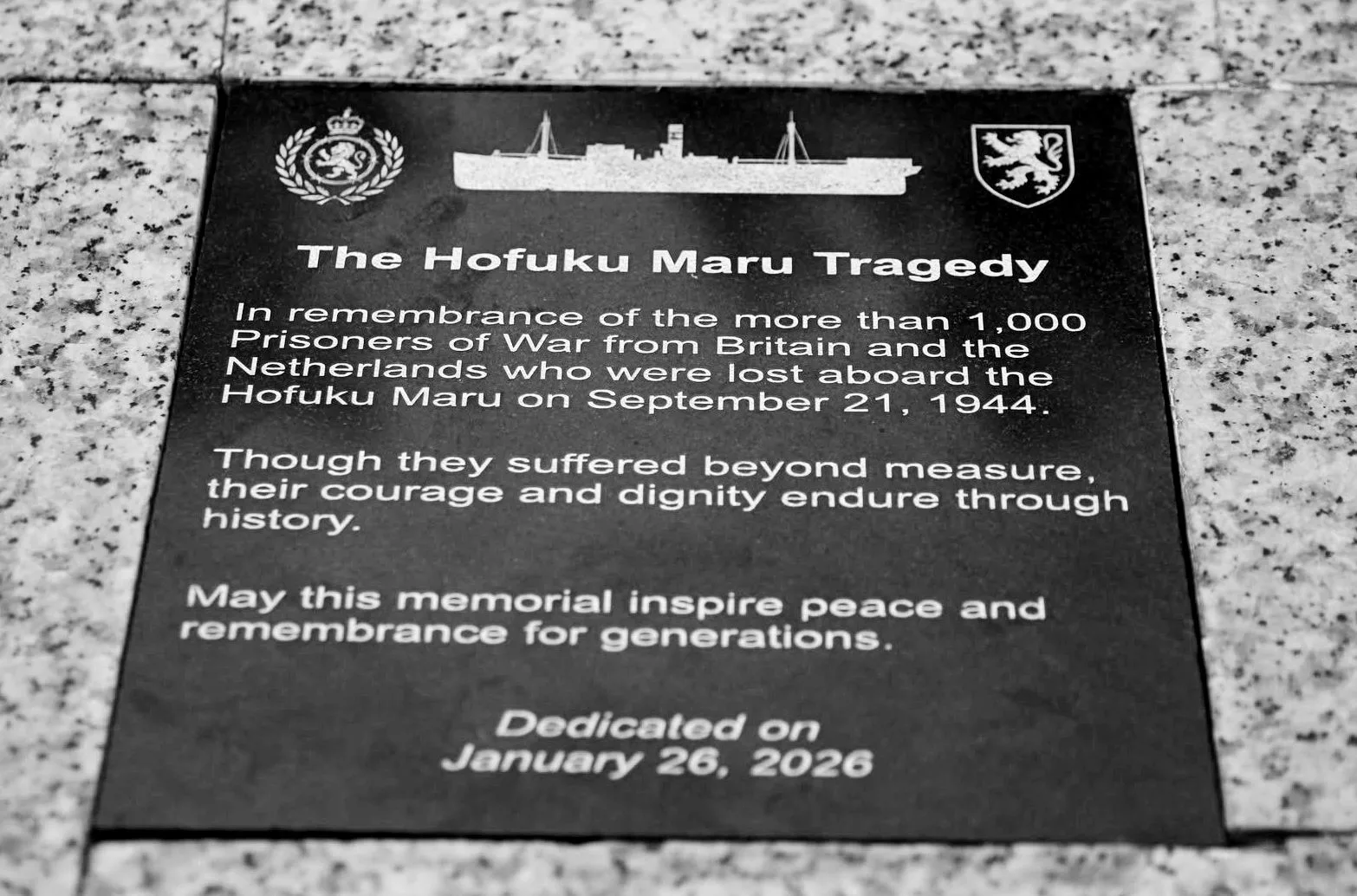
The Hellships Memorial in Subic Bay in the Philippines was established to honour those prisoners who died on the transports, and the foundation has expressed its hope that the new discovery might help to reconnect descendants with what it describes as a major but often overlooked wartime tragedy.
A commemoration ceremony is to be arranged at the memorial, with families of victims invited to participate.
“The Hofuku Maru is a story of unimaginable suffering and quiet heroism,” says Hellships Memorial founder Gerald Anderson. “This discovery helps ensure that the memory of those lost will not fade, and that history will speak for the men who could not.”
Discovery Channel’s Expedition Unknown episode on diving the Hofuku Maru will be shown in the USA on 24 June, as the first of a two-parter entitled Hunt For The Hellships.
Also on Divernet: WW2 shipwrecks from USA’s only invaded territory revealed