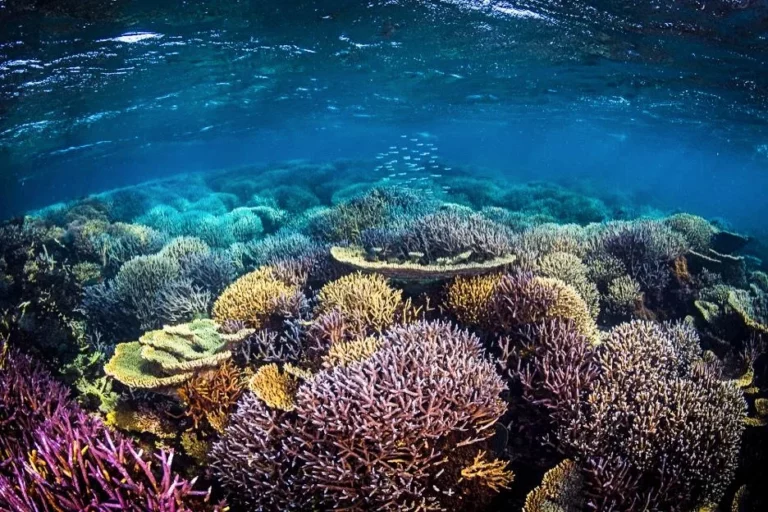
The UK has become one of five nations to sign a commitment to protect those coral reefs considered most likely to survive climate change and provide a firm basis for future reef recovery. The new undertakings bring the number of governments signing up to 20.
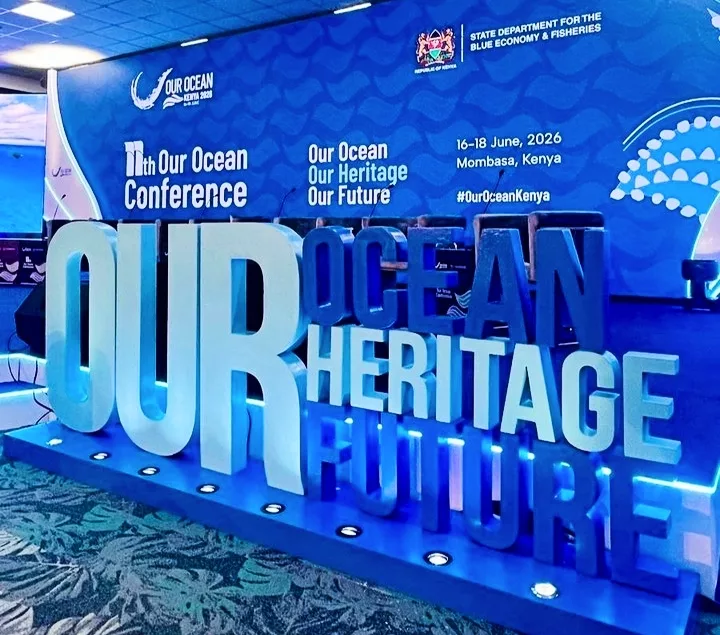
The other countries to add their name to the High-Level Climate-Resilient Coral Reef Commitment at the recent 11th Our Ocean Conference (OOC11) in Mombasa were Comoros, the Dominican Republic, host Kenya and Mexico.
The five have now committed to identifying and prioritising climate-resilient corals in their national policies and 30×30 planning.
They undertake to integrate reef protection into national biodiversity and climate frameworks; reduce local pressures such as water pollution and destructive fishing; implement national reef-monitoring and action plans; and ensure that community leadership and local knowledge underpin their actions.
Only 28% of identified climate-resilient reefs are currently within protected or conserved areas. Thirty-five environmental organisations are involved in the initiative, which is led by the Wildlife Conservation Society (WCS), The Nature Conservancy (TNC) and WWF Coral Reef Rescue.
“With 20 coral-reef countries now signing the high-level commitment, governments are embracing science-based action and making a statement that there is renewed hope for coral reefs,” said Dr Susan Lieberman, international policy VP for WCS.
New scientific techniques are being used to identify the most resilient reefs to determine where protection measures can have the greatest long-term impact.
“Our destinies are tied to the future of this ecosystem,” said Dr Eng Festus Ng’eno, Kenya’s environment & climate change principal secretary. “This is the turning point – the moment we stop mourning what we’ve lost, and start funding what we can still save.”
Shark & ray protection
Meanwhile two East African countries used OOC11, which ran from 16-18 June, to announce new shark and ray protection measures.
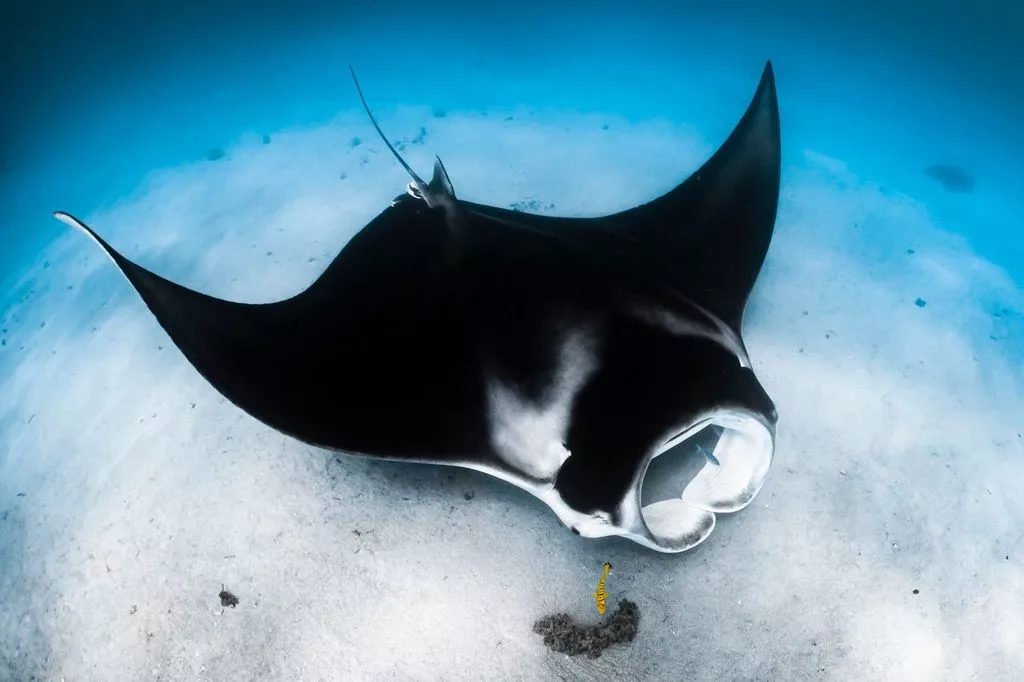
Zanzibar is set to protect 34 species in its coastal waters, including hammerhead sharks, thresher sharks and the endemic Zanzibar guitarfish, while Madagascar’s Wild Fauna Decree is designed to protect 14 species, including the Critically Endangered oceanic whitetip shark, whale sharks and manta rays.
“From global decisions to local action on the water, the scale and pace of progress in shark conservation is truly remarkable,” said Shark Conservation Fund executive director John Mandelman. “Yet threatened sharks and rays, and the habitats they depend on, still require the strongest protections. Together, these efforts are creating an essential pathway toward recovery.”
Further conservation commitments were made at the conference by Fiji and Panama, with their area of concern the human threat posed to the oceans’ Twilight Zone – the depths between 200 and 1,000m.
The two nations have officially taken on the newly announced Mesopelagic Zone Conservation Challenge, which calls for steps to be taken to protect the zone from industrial fishing and deep-sea mining, and to fill knowledge gaps about the ocean layer.
While the zone comprises only 20% of the ocean’s volume, by some estimates it hosts more than 90% of its fish biomass.
“The Twilight Zone serves as a gateway between the ocean’s surface and the deep sea,” said Ocean Conservancy’s conservation VP Chris Dorsett.
“Under threat from climate change, growing commercial interests for the production of fishmeal and health supplements and other activities, this ocean layer urgently deserves a spotlight… Fiji and Panama are setting a model for the world to follow.”
Ocean Conservancy (OC) is leading the initiative with the Marine Conservation Institute (MCI) and Environmental Defence Fund (EDF).
Tuna and swordfish
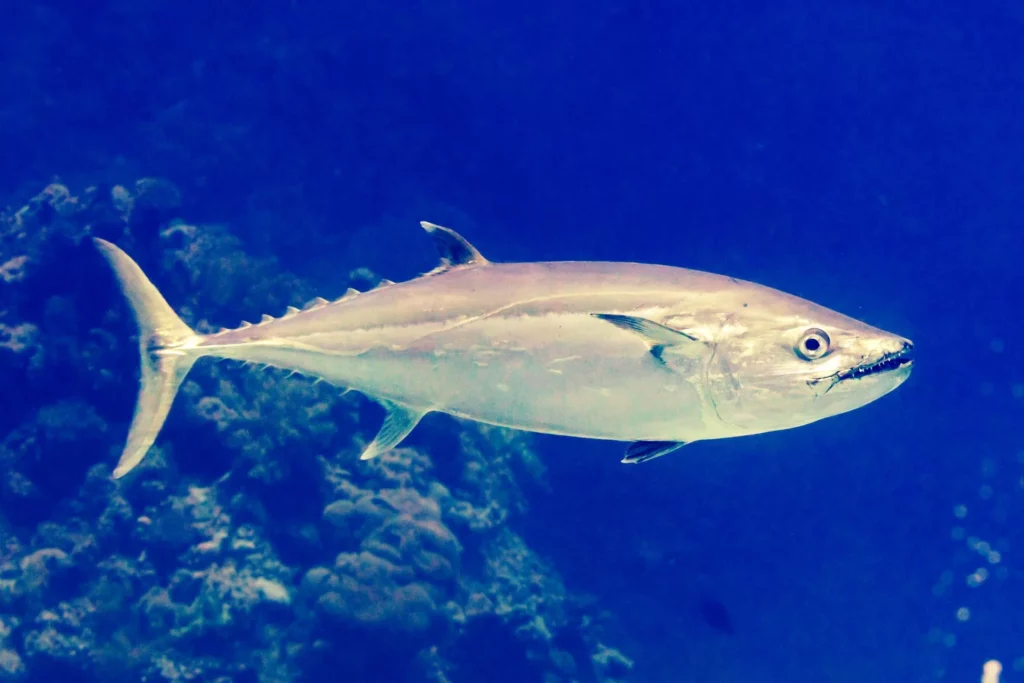
While OOC11 host-country Kenya was committing to coral-reef protection, elsewhere at the conference Ocean Conservancy analysis was highlighting that the primary food source for the nation’s tuna and swordfish fisheries comes from the Twilight Zone, with the danger that depletion of these species would seriously affect local incomes.
It was also Kenya that along with Madagascar joined a growing group of governments calling for a moratorium on deep-sea mining at the conference, lining up with Malawi, the only African country to have previously supported a pause on deep-sea mining.
“The fact that 43 countries are now calling for a pause or moratorium reflects an increasing recognition that the deep sea is too important to gamble with,” said Deep Sea Conservation Coalition (DSCC) global campaign director Sofia Tsenikli.
“This leadership must now translate into action at the International Seabed Authority, where governments have a responsibility to uphold the common heritage of humankind and establish a precautionary pause before it is too late.” The ISA meetings are set for July.
Fisheries transparency
Fifteen countries announced their adoption of the Mombasa Declaration on Fisheries Transparency, one of OOC11’s headline government-to-government outcomes alongside the deep-sea mining and coral-reef announcements.
The declaration commits governments to increase transparency around fishing-vessel identities, ownership, licensing, authorisations and fisheries data to combat illegal, unreported and unregulated fishing.
The signatories were Belgium, Cameroon, Chile, Dominican Republic, France, Gambia, Ghana, Guinea, Liberia, Panama, Papua New Guinea, Peru, Republic of the Congo, Somalia and South Korea.
Also during the conference, the Pacific island of Vanuatu announced a new initiative to strengthen independent science to better understand deep-sea ecosystems and identify critical gaps in scientific knowledge.
OOC11 took place after the BBNJ (High Seas) Treaty had gone into force in January, and several governments took the opportunity to announce or reaffirm their support.
$6.4 billion in commitments
The conference closed with “104 governments, businesses and civil society organisations announcing 320 new commitments valued at US $6.4 billion across Marine Protected Areas, sustainable fisheries, the ocean-climate nexus, maritime security, marine pollution and the blue economy,” stated the organisers.
This included the World Bank Group announcing plans to invest $1 billion over two years to help developing countries building sustainable blue economies, and Kenya matching that amount with 42 commitments, including a $200 million investment in electronic monitoring of all industrial fishing vessels in its waters,
The inaugural Our Ocean Conference was held in the USA in 2014, and OOC11 was the first of the annual events to be hosted in Africa, attracting more than 5,000 participants.