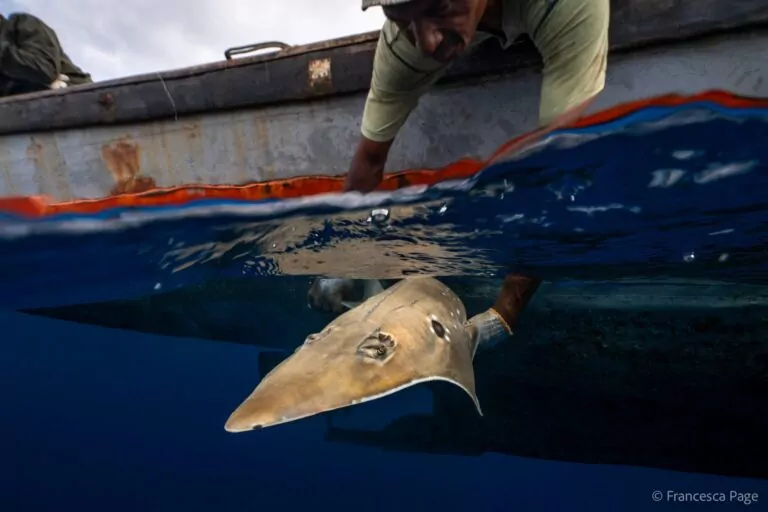
Incentivising fishing communities to release sharks and rays accidentally caught in their nets can be a positive move for conservation, but the approach can have unintended consequences, explains HOLLIE BOOTH of the University of Oxford
Sharks and rays are among the world’s most threatened species, mainly due to overfishing. They are sometimes targeted for their fins and meat, but more often caught as bycatch in nets aimed at catching other fish. Declines in these ocean predators can disrupt food webs, harm tourism income and worsen climate change by undermining the resilience of ocean ecosystems.
However, halting overfishing of sharks and rays is difficult because the social dynamics around it are complex. Many threatened species are caught in small-scale, mixed-species fisheries in tropical coastal areas, where households depend on the fish they catch – including endangered sharks and rays – for food and income.
For the past five years, I have been investigating how to support both marine life and the people who rely on catching fish. I’m part of a global team of interdisciplinary researchers focusing on shark and ray conservation in small-scale fisheries in Indonesia.
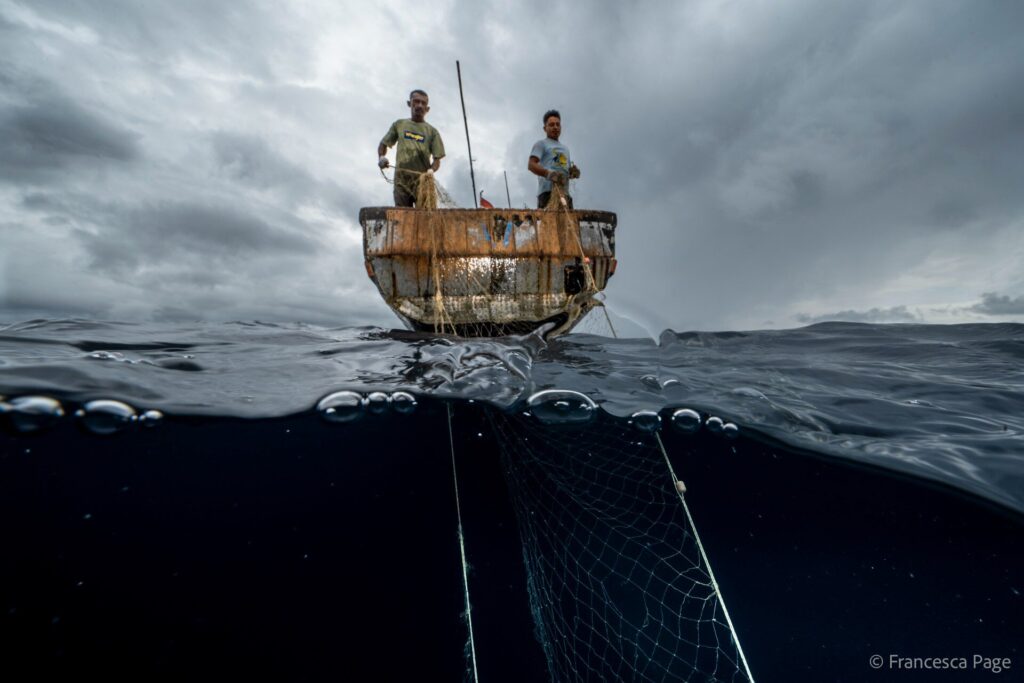
Our new study, just published in Science Advances, suggests that paying fishers to release endangered species can incentivise conservation behaviours and promote fisher welfare.
However, such payments can also have unintended consequences, which might undermine conservation goals, so it’s really important to design incentives carefully and rigorously evaluate initiatives as they progress.
Gift from God
Though sharks and rays are not necessarily targeted by small-scale fishers, threatened species such as wedgefish and hammerhead sharks are frequently captured.
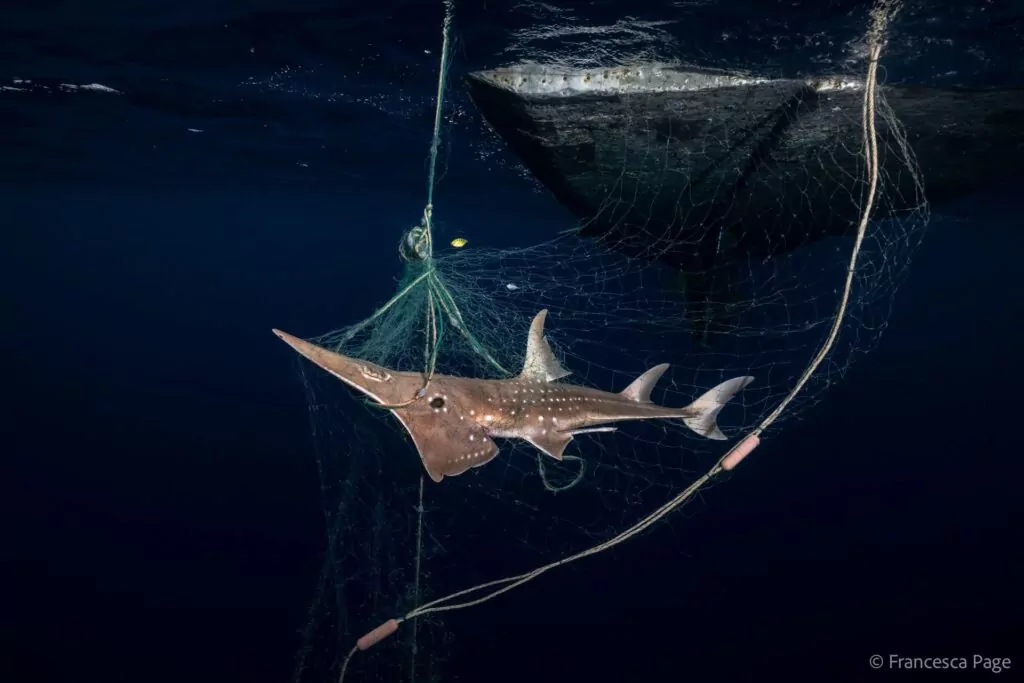
In our 2020 study, fishers often told us that wedgefish and hammerheads are “just bycatch”. However, further investigation revealed that fishers remain reluctant to reduce catches of these species because they would lose food and income.
“It brings more money even though it’s not the target” one fisher told us. “It is rezeki” (a gift from God). “If I return it to the ocean, it is mubazir” (wasteful and God will be displeased).
Knowing this, we explored the different positive and negative incentives that might motivate fishers to change their behaviour. We found that conditional cash payments, which compensate fishers for safely releasing wedgefish and hammerheads back into the sea, could be a cost-effective way to conserve these species without damaging fisher livelihoods.
Inspired by our results, I worked with students and collaborators to establish a small local charitable organisation to put our findings into practice – Kebersamaan Untuk Lautan (an Indonesian phrase meaning “togetherness for the ocean”).
We agreed to compensates fishers with cash payments – typically US $2-7 (£1.50-5) per fish – if they submit videos of wedgefish and hammerheads being safely released.
Testing the incentive
However, incentives can change fishing behaviour in unforeseen ways. For example, fishers might increase their catches to receive more payments at the expense of conservation goals. Payments might also end up going to people who would reduce catches anyway, or could release budget constraints allowing fishers to purchase more nets.
To see if and how the conservation payments worked in practice, we carried out a controlled experiment, randomly splitting 87 vessels from Aceh and West Nusa Tenggara in Indonesia into two groups.
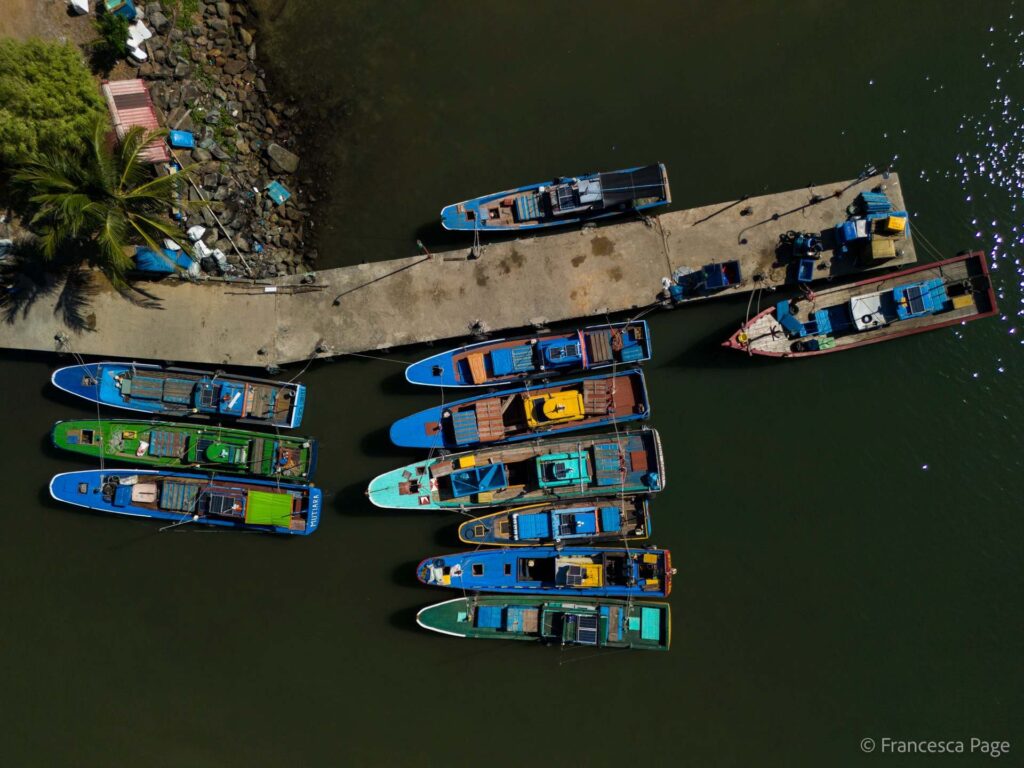
One group was offered compensation for live releases, while the other was not. We collected data on reported live releases and retained catches of wedgefish and hammerheads, and on fishers’ levels of satisfaction with the programme and life in general. Then we compared the two groups.
Since we launched the pay-to-release programme in May 2022, more than 1,200 wedgefish and hammerheads have been safely released. All participating fishers and their families felt satisfied.
“We use the compensation money to cover our daily needs. We hope that the programme continues in the future,” said the wife of one participating fisher.

Plot twist
However, our experimental data from the first 16 months of the programme (May 2022 – July 2023) revealed a plot twist. Even though the compensation incentivised live releases, results suggested that some fishers had purposefully increased their catches to gain more payments.
My team and I were initially distressed by the result. However, without the rigorous controlled experiment we would never have detected these unintended consequences.
Based on our results, we revised the compensation pricing and limited how many compensated releases each vessel can claim per week. We are also piloting a new gear-swap scheme, where fishers trade their nets for fish-traps, which have much lower bycatch rates. Preliminary data suggest these changes have boosted the programme’s effectiveness.
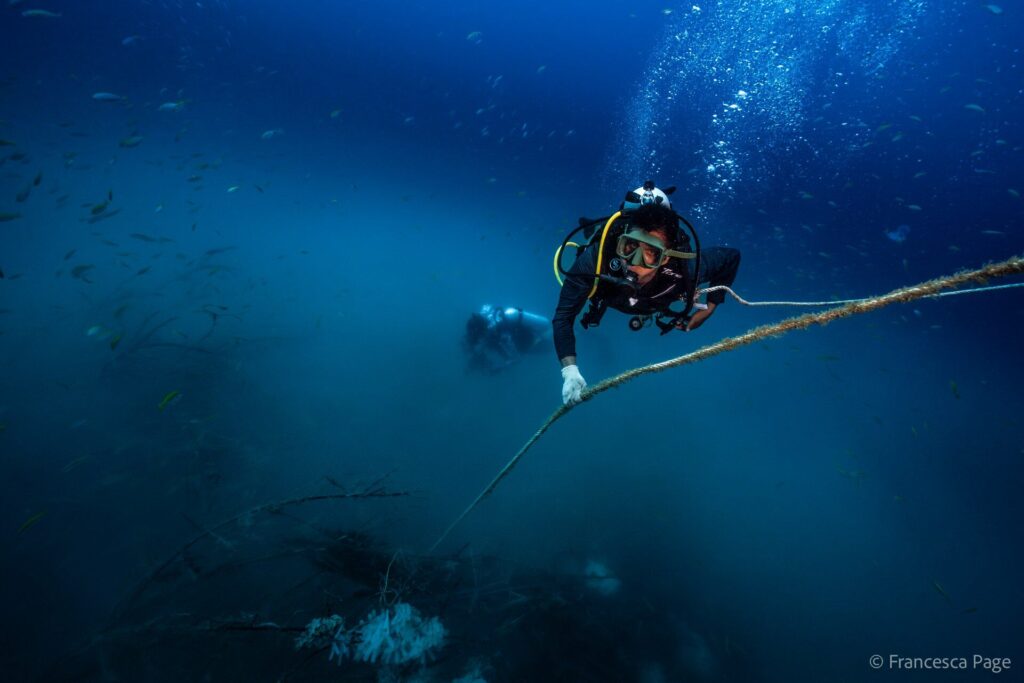
Our team at Oxford works closely with other local researchers and conservation organisations to help them design and assess their own locally appropriate incentive programmes.
Another recent study from conservation charity Thresher Shark Indonesia shows that its alternative livelihood programme reduced catches of endangered thresher sharks by more than 90%.
Positive incentives are an important instrument for solving the biodiversity crisis in an equitable way. It is unfair and unjust to expect small-scale resources users in developing countries to bear most of the costs of conservation, especially when wealthier and more powerful ocean users – such as commercial seafood companies – cause major negative impacts through overfishing while extracting huge profits.
However, conservation incentives must be well designed and robustly evaluated to ensure they incentivise the right actions and deliver intended results.
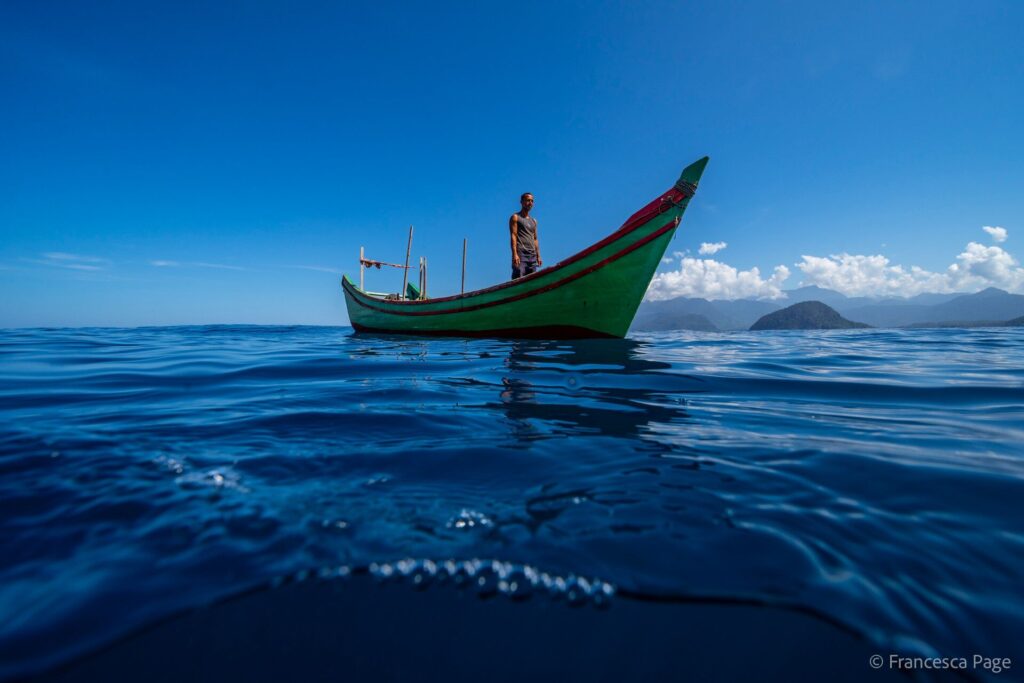
Don’t have time to read about climate change as much as you’d like?
Get a weekly roundup in your inbox instead. Every Wednesday, The Conversation’s environment editor writes Imagine, a short email that goes a little deeper into just one climate issue. Join the 45,000+ readers who’ve subscribed so far.
Hollie Booth is a Research Associate, Conservation Science at the University of Oxford. This article is republished from The Conversation under a Creative Commons licence. Read the original article.
Also on Divernet: MYSTERY RAYS UNDER INVESTIGATION, MOST MARINE-PROTECTION MEASURES ARE NOT WORKING, HOW TO MAKE BILLIONS – BY PROTECTING SCUBA HOTSPOTS