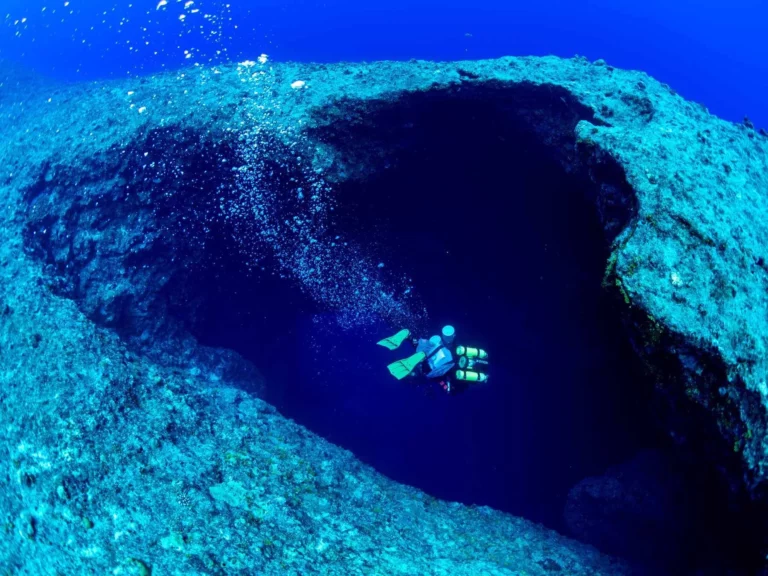
A “major milestone” for underwater research on the ocean’s deeper coral reefs has been claimed by the San Francisco-based California Academy of Sciences dive-team.
This follows an expedition to retrieve creatures and data collected over eight years from reefs lying as deep as 100m in Guam, the US island territory in Micronesia.
The findings of the scientific team are claimed to provide “the most comprehensive understanding of mesophotic reef biodiversity to date”, along with evidence of ocean-warming trends occurring on deep-lying reefs that are said to be as vulnerable as those within standard scuba-diving depths. The Mesophotic or Twilight Zone extends from around 30m to 200m.
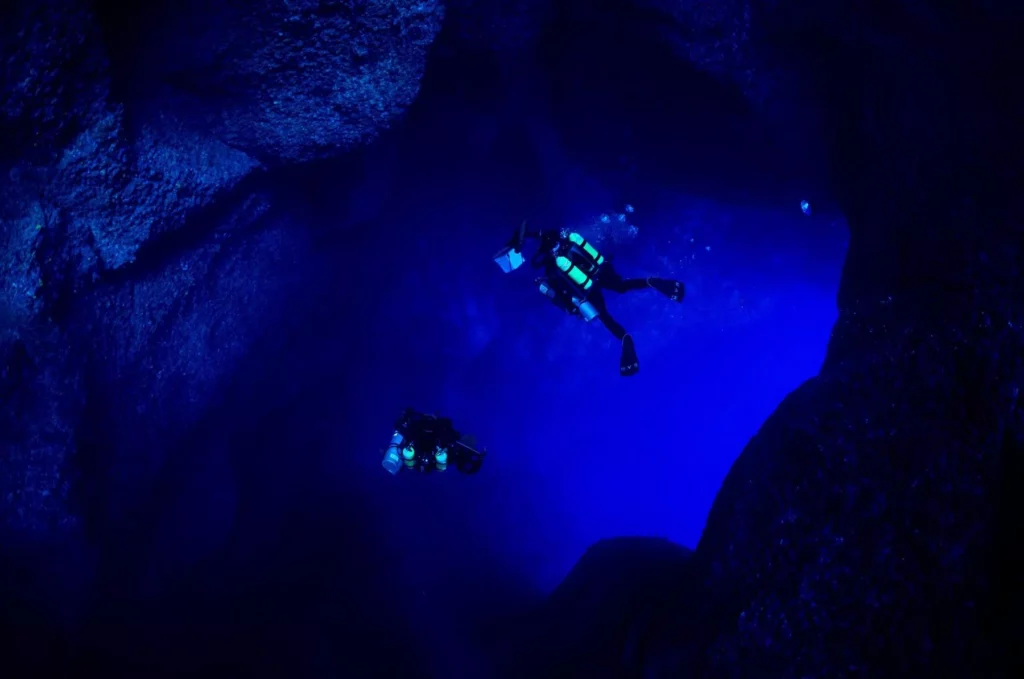
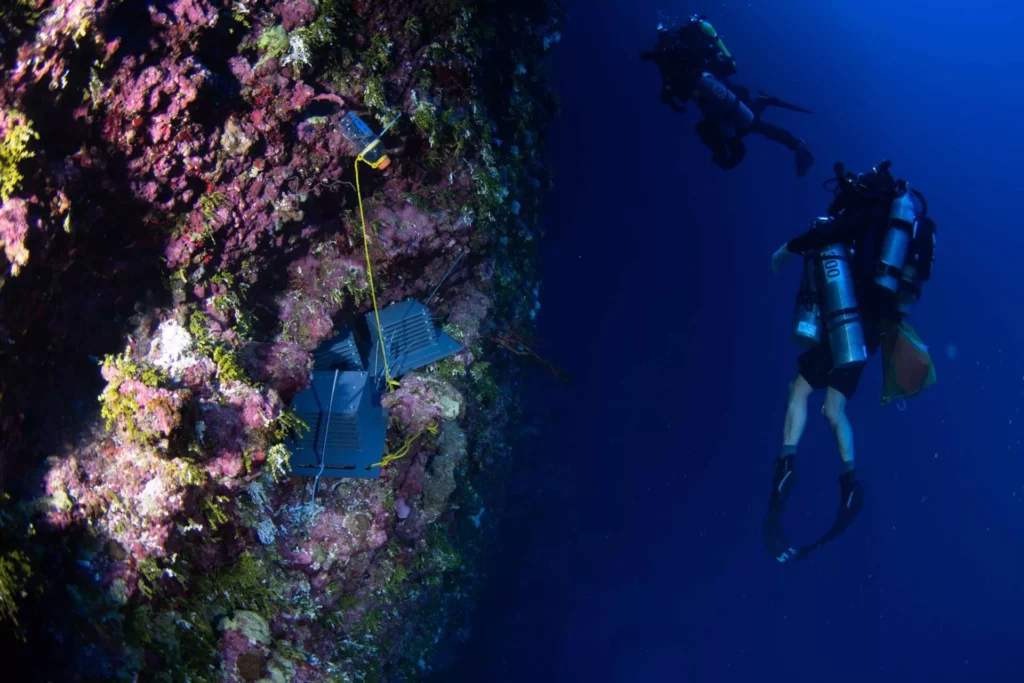
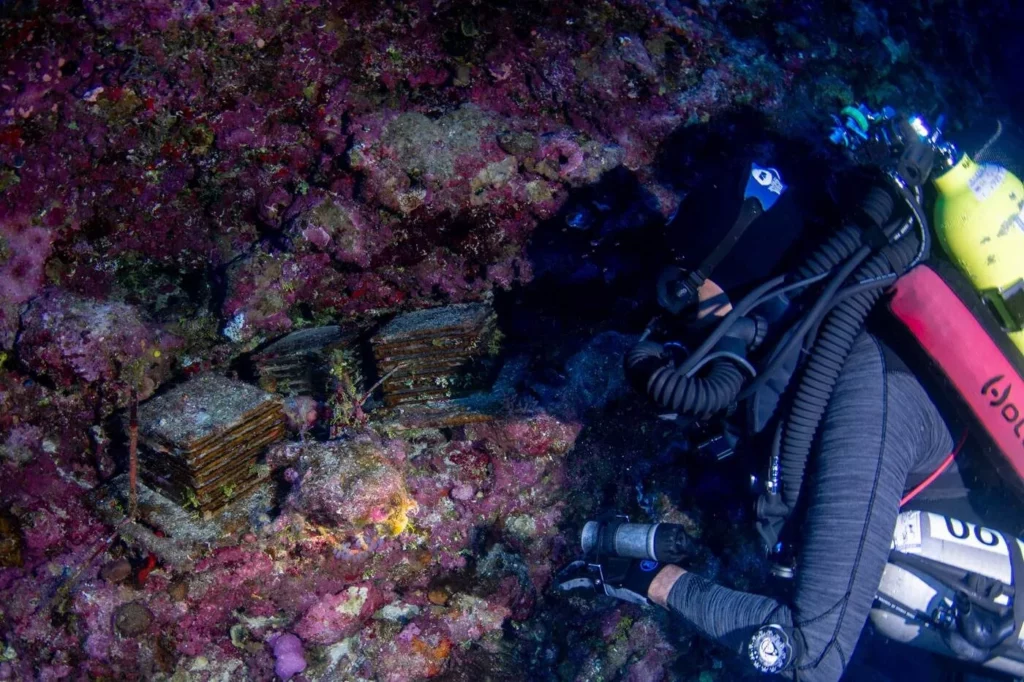
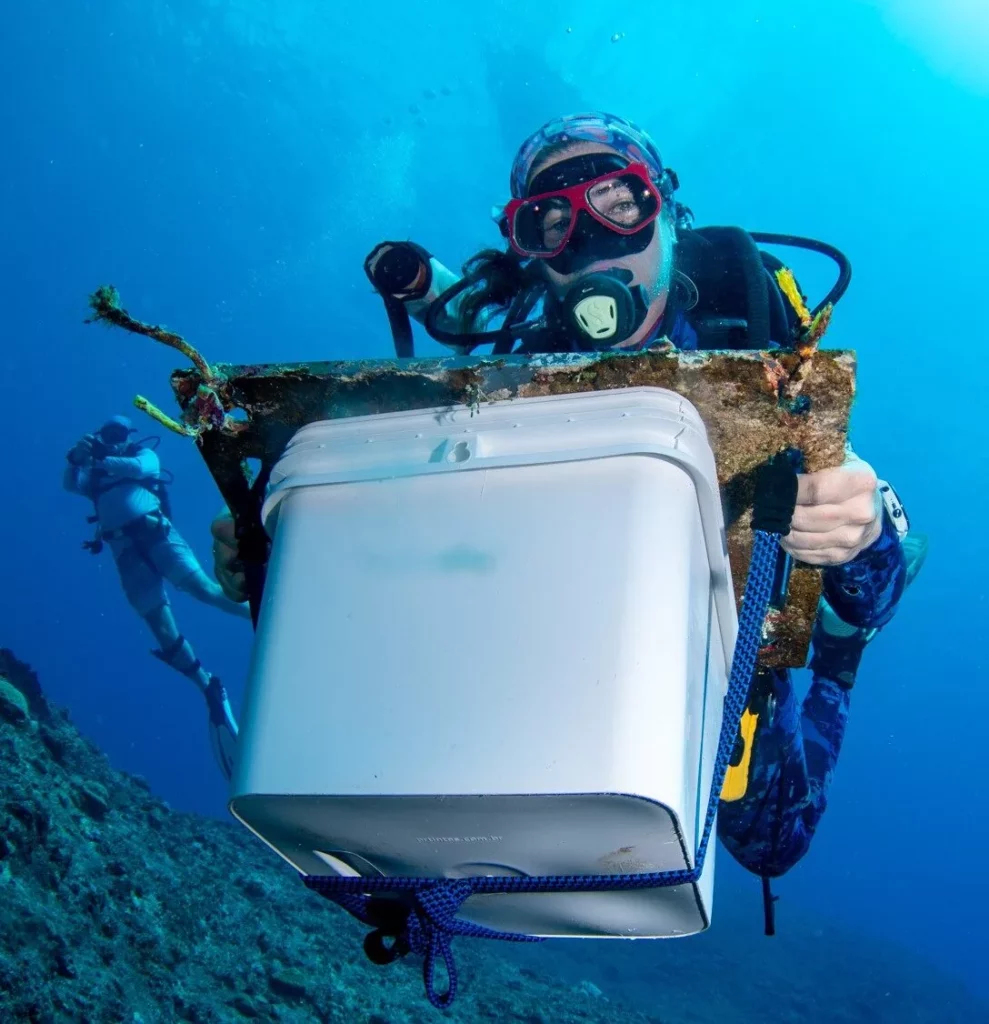
Over a fortnight, 13 Autonomous Reef Monitoring Structures (ARMS) that had been collecting biodiversity and temperature data since 2018 were retrieved by scientific divers using rebreathers in the course of a series of technical dives.
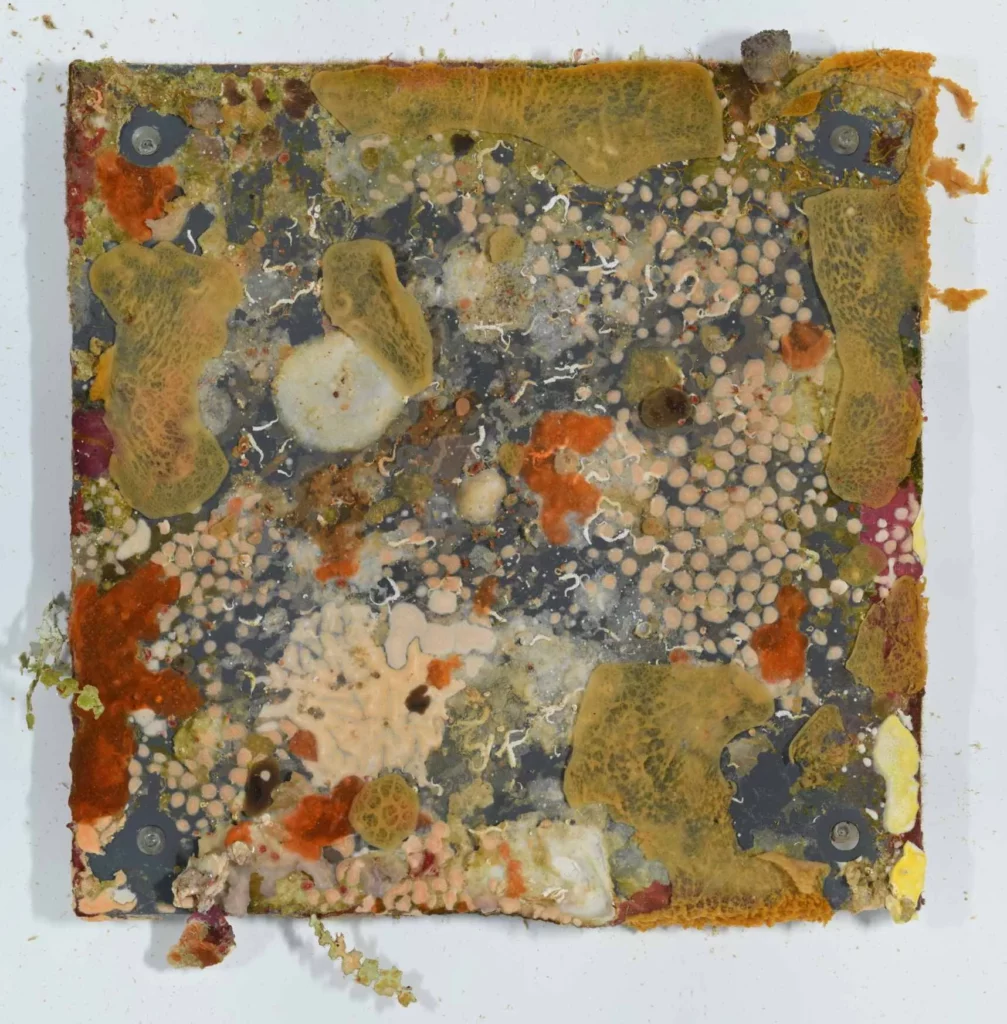
Dr Luiz Rocha, the California Academy of Sciences’s curator of ichthyology, described the ARMS, stacks of 30cm square PVC plates, as “small underwater hotels that coral reef organisms colonise over time”.

The ARMS were rushed to the University of Guam’s Marine Lab to be identified, photographed and individual specimens collected, with remaining encrusted material submitted to DNA analysis.
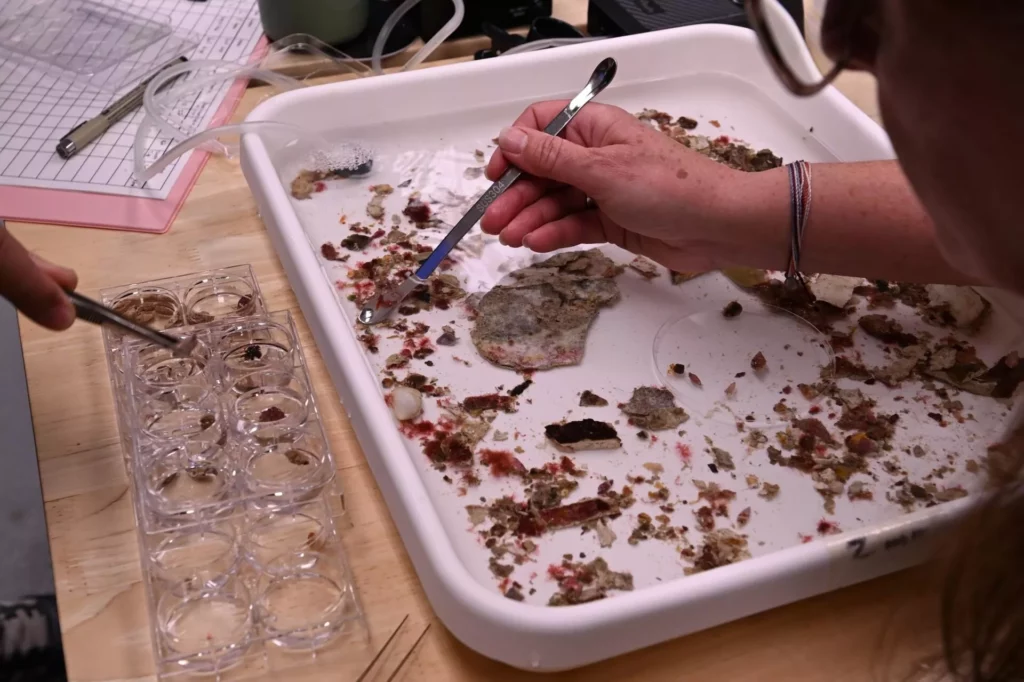
2,000 specimens
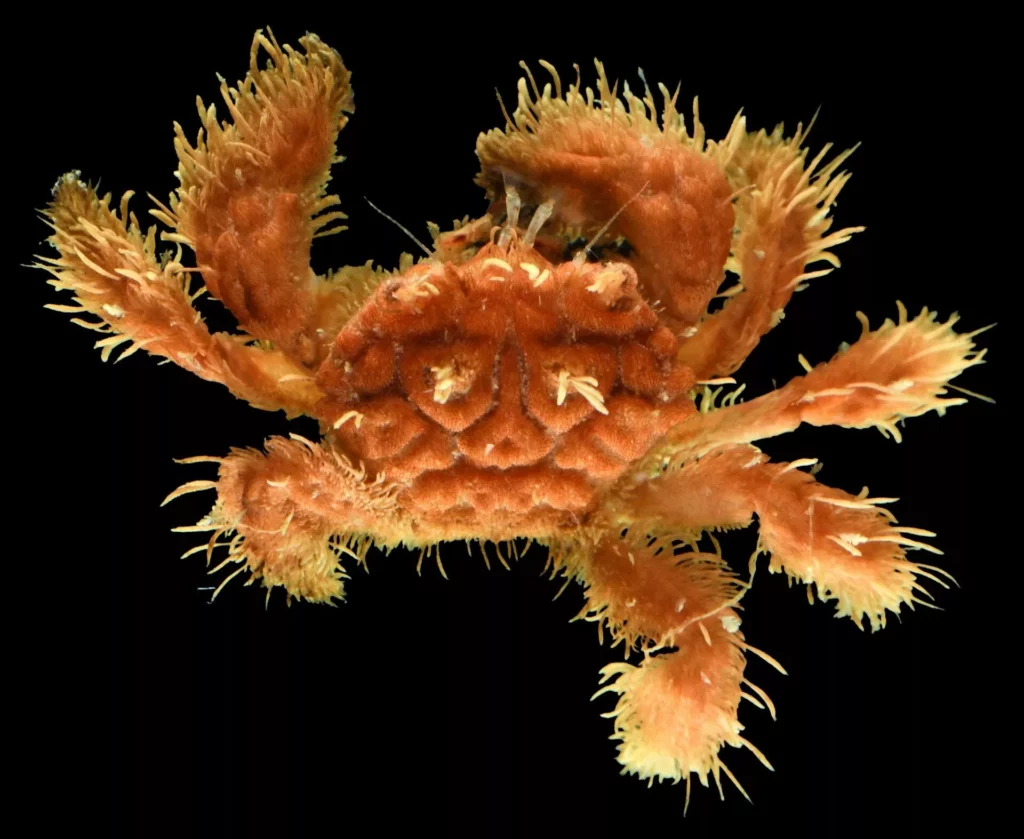
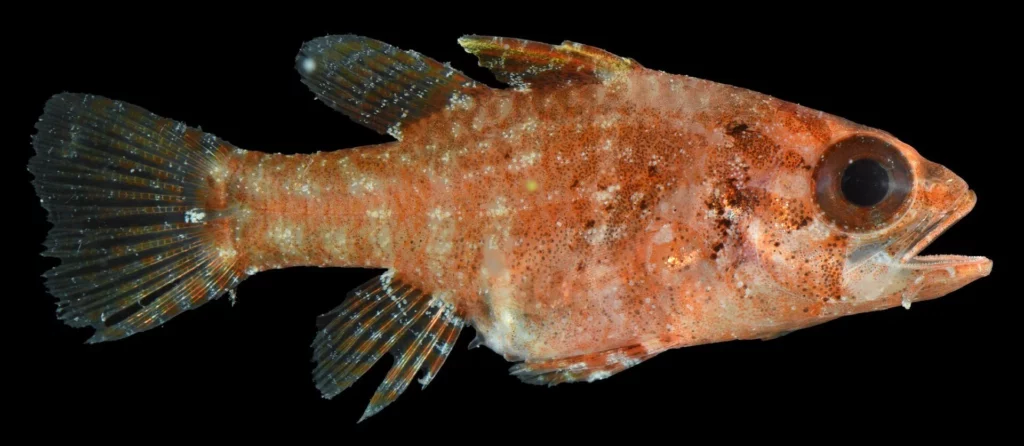
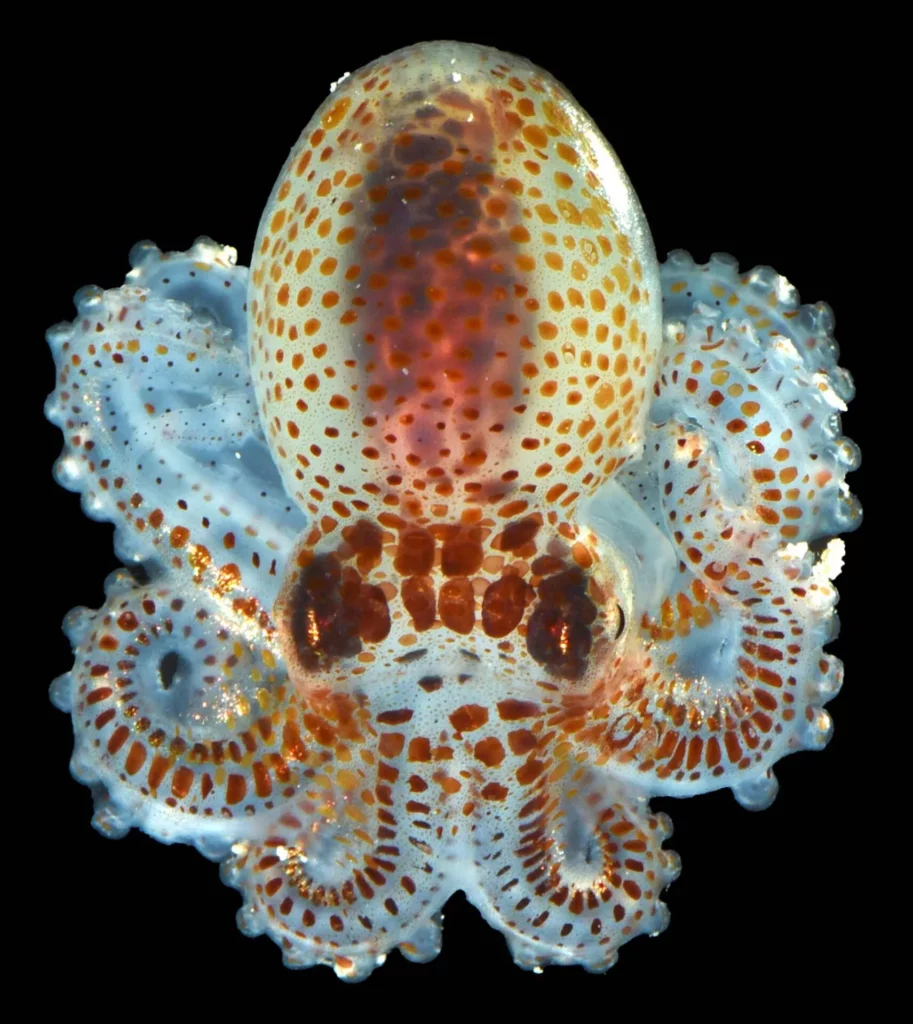
Two thousand specimens were collected, of which 100 species were recorded for the first time in the region and 20 potentially new species were discovered – both these latter figures expected to rise following final DNA analysis. In addition, three years’ worth of upper Twilight Zone temperature data was collected.
“As deep-reef scientists, our biggest limitation in studying the Mesophotic Zone is time, due to the long decompression needed to ascend,” explained Rocha. “While we humans can spend only 15-25 minutes surveying at these depths, ARMS have been collecting data 24/7 for eight years.
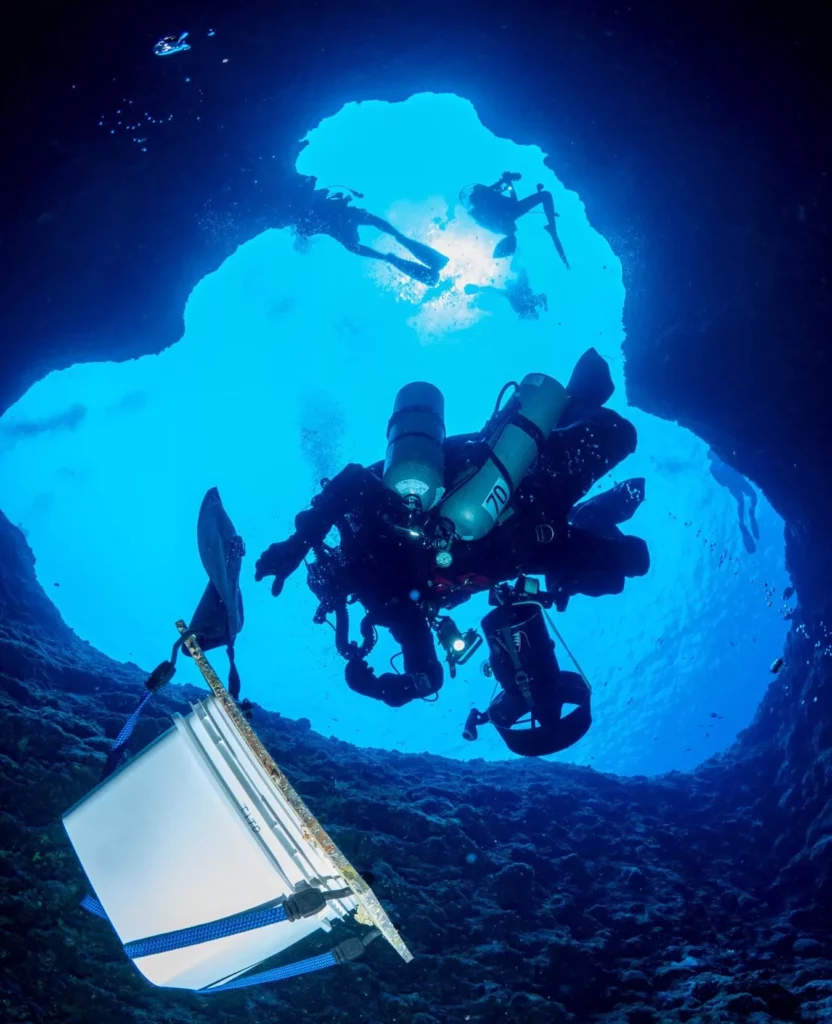
“This long-term snapshot of deep reef biodiversity is unparalleled, revealing everything from never-before-seen species to evidence of a clear and steady warming trend at depth.”
“We are pioneering the application of hand-placed ARMS to understand deep reefs on a global scale,” said Academy chief of science Dr Shannon Bennett.
“Our scientific diving programme is pushing the boundaries of underwater research, allowing us to build the first ecological baseline for these virtually unknown and under-appreciated reefs, whose life-forms are usually unique, often strange and very much in need of protection.
“With a decade of work behind us and continued retrievals planned for the years ahead, the Academy is driving global efforts to understand some of the ocean’s least-known ecosystems.”
Two-year programme
The Guam trip marks the start of a two-year retrieval programme to collect 76 Pacific ARMS deployed at deep reefs also in Palau, French Polynesia and the Marshall Islands. The results will form what the scientists say will be the world’s most comprehensive baseline of upper Twilight Zone biodiversity, combined with critical insights into thermal conditions at depth.
Recent studies indicate that plastic pollution derived mainly from fishing-gear increases with depth, so deeper seas do not necessarily offer a refuge for marine life from shallower waters. Academy scientific divers are said to be providing a more detailed picture in partnership with the Smithsonian Institution’s Global ARMS Program.
Protection of deeper reefs is a core focus of the Academy’s Hope for Reefs initiative. “More than half of the species that live in deep reefs are unknown, yet these reefs are already being affected by fishing, pollution and climate change,” says Rocha.
“Most Marine Protected Areas cover only shallow reefs, pushing human-driven pressures towards deeper waters. Our goal is to show just how beautiful, unique and valuable these ecosystems are, so we can safeguard them before it’s too late.”
Also on Divernet: Divers find ‘extinct’ coral alive & well in Galapagos