The Philippines is now firmly on the map as a top diving destination, with a diverse range of locations, and here we showcase just a few of the hotspots.
The Philippines, officially known as the Republic of the Philippines, is located in the western Pacific Ocean. To its north across the Luzon Strait lies Taiwan. West across the South China Sea sits Vietnam. The Sulu Sea to the southwest lies between the country and the island of Borneo, and to the south the Celebes Sea separates it from the other islands of Indonesia. It is bounded on the east by the Philippine Sea. An archipelago comprising 7,107 islands, the Philippines is categorised broadly into three main geographical divisions: Luzon, Visayas, and Mindanao.
There are diving opportunities throughout the Philippines, from quiet spots like Cabilao and Anilao to tourist hotspots like Boracay, Puerto Galera and Alona Beach, not to mention the world-class sites off Dumaguete, Moalboal, Malapascua, Donsol, Coron Bay and Subic Bay, and we take a look at a few over the coming pages.
Anda, Bohol
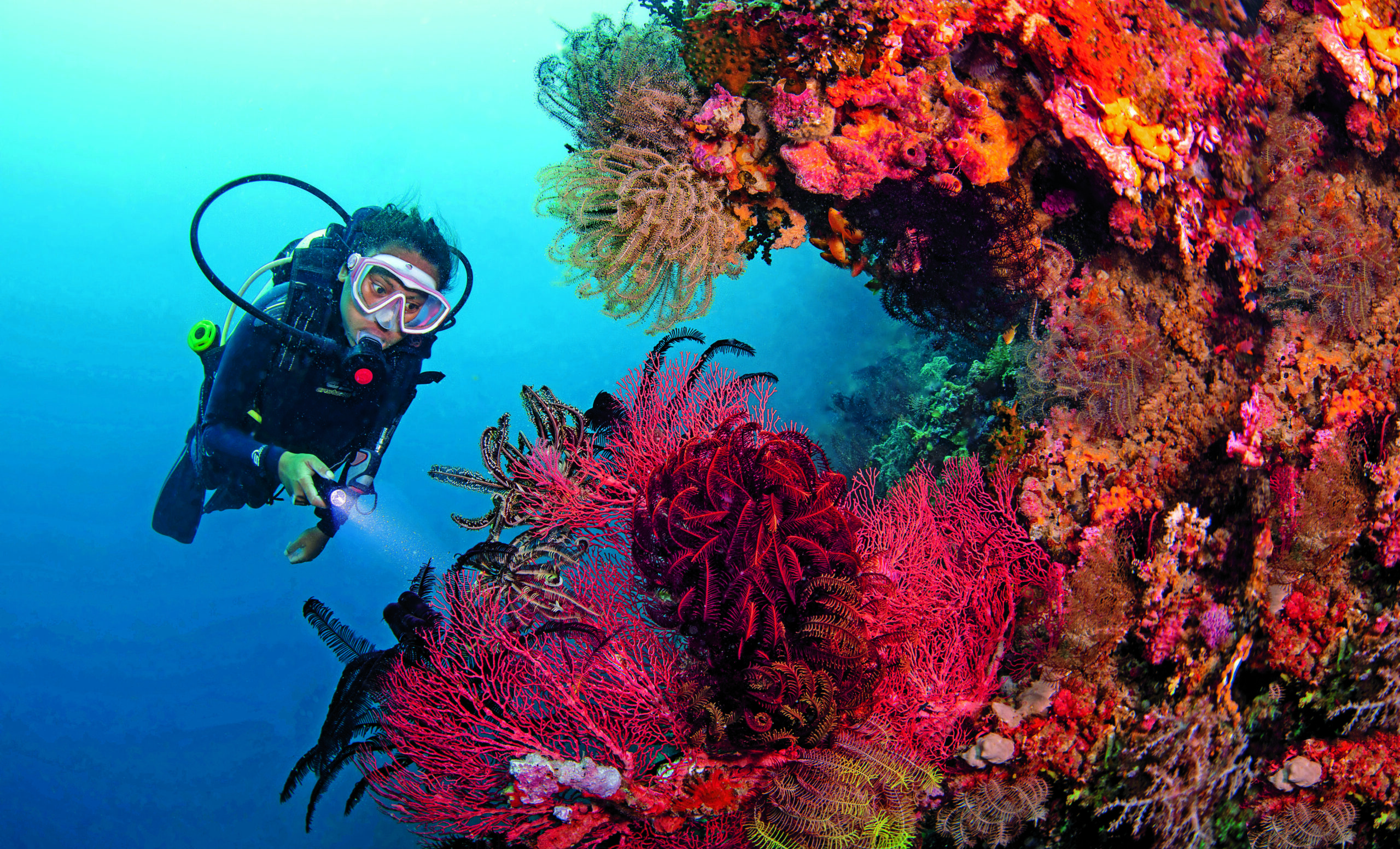
Anda is a quaint little town located in the southeast of the lush tropical island Bohol, away from the mass tourism. It has a local population of 17,000 people and has ten miles of diving pleasure to offer. This picturesque town represents all the best things you will see in the Philippines and is aptly called the ‘Gem of Bohol’. You will find pristine tropical beaches, a serene countryside, pool caves, prehistorical sites and much more. On top of that, Anda offers a great biodiversity both on land and underwater.
For the most part, Anda is still largely undiscovered by tourists, making it the ultimate place to experience the best of the Coral Triangle. This is the perfect getaway for divers to find untouched, colourful and extremely healthy reefs and coral gardens.
Diving around this peaceful location is incredibly extensive and versatile, with more then 25 dive sites to explore, offering a great combination between sandy slopes, mangroves, small caves, reefs and walls full of marine life.
On top of that, there are several islands nearby, such as Lamanok and Camiguin, that provide great diving opportunities. Several land-based resorts in Anda can organise daytrips to these islands.
The marine life here varies from XXS to XXL. The black hairy frogfish, blue-ringed octopus, tiny tiger shrimp and a lot of different nudibranchs can easily be found in the waters of Anda, making it a true critter paradise. On top of that, huge turtles and big schools of jack fish can be seen, as well as a frequently passing whaleshark and even an occasional manta.
It’s the perfect getaway for every type of diver and underwater photographer, from beginner to professional.
Anilao

Anilao is the Philippines’ answer to the Lembeh Strait, where multitudes of fascinating muck diving critters await the sharpest of eyes. It has been dubbed by many as the ‘nudibranch capital of the world’, with close to 600 nudibranch species already identified, and more being discovered all the time.
There are more than 50 dive sites, and these range from macro and muck dives to coral reefs and even wrecks, and depending on site are suitable for everyone from beginners up to veteran experienced divers.
There is an enormous biodiversity of marine life around Anilao. As well as the aforementioned nudibranchs, you can also find seahorse, frogfish, octopus, cuttlefish, squid, mandarinfish, harlequin shrimp, Lembeh sea dragon, blue-ringed octopus, rhinopias, and much more.
However, while muck and macro diving might be the main highlight of this area of the Philippines, you can also sample the increasingly popular blackwater diving, which can turn up all sorts of weird and wonderful creatures in the dark.
Malapascua
The sleepy island of Malapascua in the Philippines is fast making a name for itself in diving circles and is already on many an avid diver’s bucket list. Initially made famous by its daily sightings of thresher sharks, Malapascua’s diving offers a lot more than sharks. But let’s start with the main event.
Malapascua is the only place in the world that the beautiful and rarely seen thresher shark can be seen on a daily basis. In a wonderful twist on the usual story, shark sightings have actually become much more prolific in recent years and you can see ten or more on a single dive, often with very close encounters.
The thresher dive leaves early morning, around 5am, as this is when the sharks come up from the blue to Monad Shoal, an underwater mound about 20 minutes from Malapascua. They are attracted to its ‘cleaning stations’, which are like a carwash for fish – small fish called cleaner wrasse will pick the dead skin and parasites off the bodies of bigger fish.
The best way to dive Monad Shoal is with one of the operators that has their own mooring line and dives a separate place from other shops. That way you will have a swimming dive rather than a ‘sitting’ dive, with greater chances of multiple shark encounters, and you will see other plentiful marine life along the way.
Once you’re back from your early dive, it’s time for breakfast and there is still a whole day ahead of you! And being situated in the middle of the Coral Triangle, the global centre of marine biodiversity, there is plenty more to see! The diversity of marine life is incredible and the diving has something for everyone – big fish and macro life, wrecks and walls, coral gardens and muck diving, novice diving and advanced dive sites. Even seasoned dive pros who have been diving there for years still find new marine life after thousands of dives around the island.
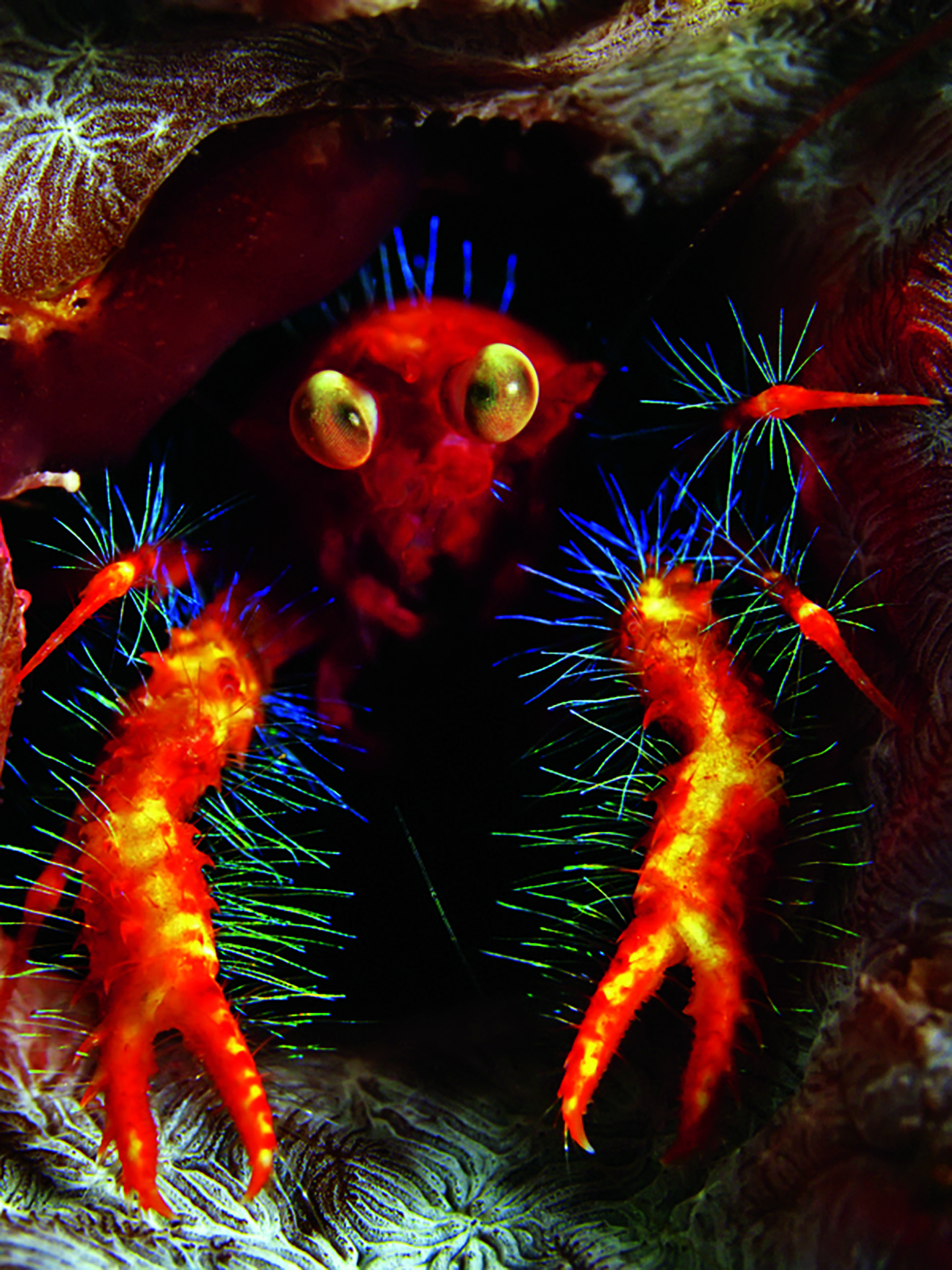
Common creatures found in Malapascua’s waters include large rays, banded sea snakes, cuttlefish, a huge number and variety of nudibranchs, unusual shrimp and crabs, seahorses and pipefish, and frogfish. The dive sites spread out in all directions from Malapascua and their varying depths and different environments make each dive site unique.
Gato Island has an amazing variety of life but is known especially for its whitetip sharks and the elusive pygmy seahorse. It has interesting rock formations and an underwater tunnel that goes right under the island.
Lighthouse is home to the rare mandarinfish. At dusk you will often see them mating. Afterwards go in search of seahorses, bobtail quid, huge crabs and other creatures of the night.
Lapus Lapus has beautiful unspoiled coral gardens stretching as far as the eye can see.
Deep Rock, Quiliano, Dakit Dakit, Chocolate Island, Bantigi, North Point and Butong Bato are nearby sites, each offering something different.
Nunez Shoal and Kalanggaman Island have incredible wall dives with fantastic visibility.
Dona Marilyn is possibly the best wreck in the Central Philippines. It was a passenger ferry that sunk over 20 years ago, still in one piece. There are several species of large rays in residence, and the fish can grow huge. The Tapilon Japanese World War Two wreck was torpedoed and cannot be penetrated, but it has an incredible amount of marine life. A huge school of small barracuda often circle the divers during their dive, and frogfish and ghost pipefish are often seen.
Malapascua is a great place for beginners. There are many novice-level dive sites that make it easy to progress and build up confidence before trying out the shark dive. More advanced divers will find there is something for them as well with the shark dives, the wrecks and the walls. There are also chances for technical diving, on the various shark dives and the wrecks including the World War Two Pioneer shipwreck at 55m.
Dumaguete
Situated just 20 minutes south of the provincial capital of Dumaguete City, Dauin is a mecca for macro diving. There are so many reasons to dive this part of the Philippines, so let’s just look at a few…
The majority of dive sites span nine miles from Bacong to Zamboanguita, and it’s no surprise that Dauin is right in the centre of these two villages. The area sits at the base of Mount Talinis, which is responsible for the dark black volcanic sand along the coast. Like Lembeh, the black sand attracts a wide variety of small, colourful and unusual critters.
The coastline is best known as paradise for frogfish (warty, hairy, painted, giant, etc), ghost pipefish (ornate, robust, roughsnout, delicate, etc) and smaller octopus (wonderpus, mimic, blue ring, coconut and even the mototi).
Dauin doesn’t fail to impress when it comes to weird, wonderful and unusual critters to photograph – depending on the time of year, here’s a quick snapshot of what you can expect to see: Skeleton shrimp, harlequin shrimp, tiger shrimp, Shaun the Sheep nudibranch (Costasiella Kuroshimae) plus countless more colourful and captivating nudis, flamboyant cuttlefish, anemonefish (pink, clown, tomato and more), bobtail squid, lionfish, mandarinfish, Ambon scorpionfish, and grouper.
Apo Island
For those who like to shoot a variety of subjects and sizes, just a short boat trip will get you to Apo Island, where you can dive gorgeous rolling coral gardens (massive table corals, brain coral, cabbage coral, etc). Apo has an abundance of green and hawksbill turtles, banded sea snakes, as well as schools of jack fish and all the trimmings you’d expect to see on a healthy coral landscape.
Most resorts in the area treat Apo Island as a day trip, so as well as your dives and snorkelling, you get to enjoy lunch on the boat while taking in the spectacular views of white sandy beaches and limestone cliffs of the island.
Oslob

If snorkelling or diving with the gentle giants of the oceans, whalesharks, is on your list, a day drip to Oslob will have you getting as close as possible, with lots of wide-angle photo opportunities.
Photographs by Beth Watson, Rob Wilson, Sylvia Jenkins, Buceo Anilao, Magic Oceans and Thresher Shark Divers
FAQ
Q: Why is the Philippines considered a top diving destination?
A: The Philippines sits in the heart of the Coral Triangle, offering world-class biodiversity, pristine reefs, macro critters, wrecks, and big animal encounters such as thresher sharks and whale sharks. With over 7,000 islands, there’s a dive site for every level of diver.
Q: What makes Anda, Bohol special for divers?
A: Anda is a peaceful, lesser-known destination with over 25 dive sites featuring sandy slopes, mangroves, caves, reefs, and walls. Divers can expect a wide range of critters such as frogfish, nudibranchs, octopus, and also larger animals like turtles, jackfish, manta rays, and even whale sharks.
Q: Why is Anilao called the ‘nudibranch capital of the world’?
A: With close to 600 identified species and more being discovered, Anilao is a true macro and muck diving paradise. It is also famous for blackwater dives that reveal strange and unique pelagic critters rarely seen elsewhere.
Q: What is Malapascua best known for?
A: Malapascua is the only place in the world where divers can see thresher sharks daily at Monad Shoal. The island also offers a variety of dives including wrecks, walls, coral gardens, and sites teeming with nudibranchs, seahorses, rays, and mandarinfish.
Q: What kind of diving can you do in Dumaguete and Apo Island?
A: Dumaguete (Dauin) is world-famous for macro critters such as frogfish, ghost pipefish, flamboyant cuttlefish, and countless nudibranchs. Apo Island, nearby, offers spectacular coral gardens, turtles, jackfish schools, and vibrant reef diving – perfect for wide-angle photography.
Q: Is Oslob a good place to dive with whale sharks?
A: Yes, Oslob provides one of the most reliable opportunities to dive or snorkel with whale sharks. While controversial due to feeding practices, it remains a popular spot for close encounters and photography with these gentle giants.
Q: What diving highlights can be found in Puerto Galera?
A: Puerto Galera offers a mix of reefs, wrecks, muck dives, and the famous Verde Passage, with strong currents feeding healthy coral systems. It’s accessible from Manila, making it a convenient yet diverse dive destination.
Q: Why is Coron Bay a must-visit for wreck divers?
A: Coron Bay is home to some of the world’s best-preserved World War II wrecks, sunk during a US attack in 1944. Ships like the Okikawa Maru and Irako are smothered in corals and marine life, providing fascinating history and superb recreational wreck diving.
This article was originally published in Scuba Diver Magazine
Subscribe today with promo code DIVE1 — enjoy 12 months for just £1!