Divers are explorers, and there are few places left that we don’t regularly visit. One of them is the icy continent at the bottom of the world – Antarctica – and William Gladstone recently spent a month there.
All photographs by William Gladstone unless other photographer is credited.
The Call of the Icy South: Journey to Underwater Antarctica
I travelled around Antarctica for one month in early 2025 on a Wild Planet Expeditions voyage led by acclaimed underwater photographer Matty Smith. We sailed there in Icebird, an 18.4-metre, ice-strengthened aluminium yacht. I was excited to join an expedition without a strict timetable and about travelling in a small group of seven with three crew. And this was a hand’s-on adventure -we shared watches with the crew and helped with sailing, anchoring, dinghy driving, and galley duties.
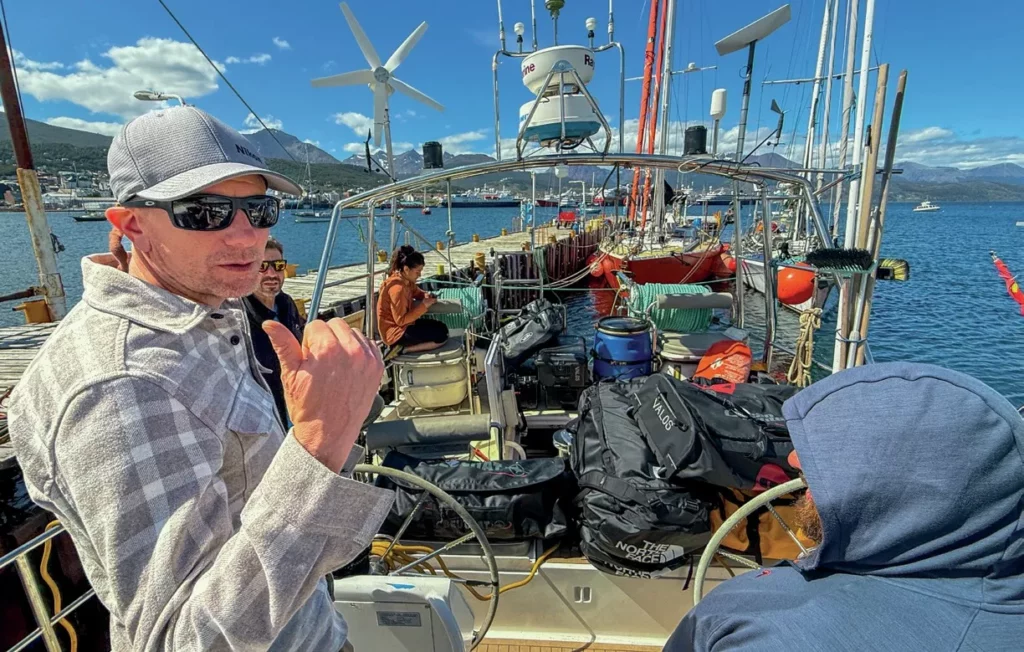
We assembled in the world’s most-southerly city, Ushuaia (in Tierra del Fuego, Argentina), in late-December 2024. Getting to the Antarctic Peninsula means traversing the Drake Passage, reputedly the world’s roughest ocean crossing. Crazily, the prospect of this also attracted me to join the trip. Instead, we got the ‘Drake Lake’ and had days when the wind wasn’t strong enough to sail. Five days out of Ushuaia we saw our first iceberg, a sign that we were close to our destination. Our plan was to continue sailing down the western coast of the Antarctic Peninsula, exploring the bays and islands, and stopping at wildlife hotspots. While not getting the full fury of the Drake Passage, once in Antarctica we experienced the whole weather spectrum – rough seas, sleet, snow, biting winds, glassy seas and cloudless skies.
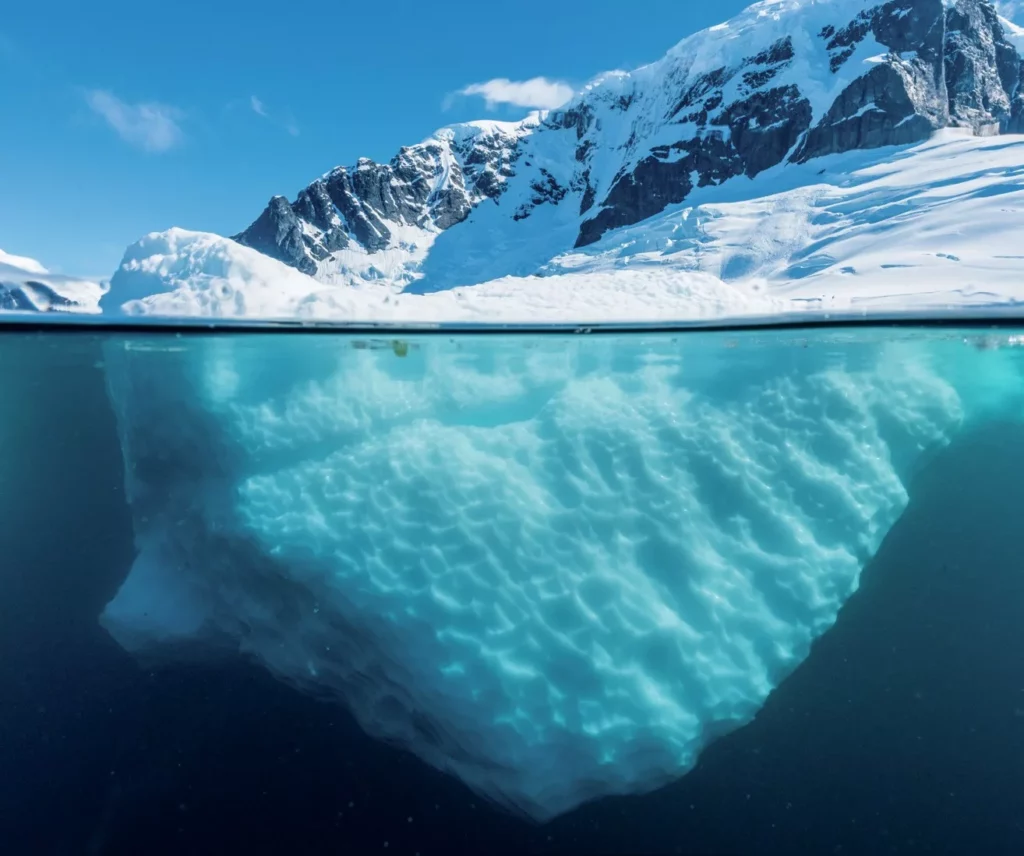
The land- and seascapes were everything I’d hoped for – sheer mountains rising from the ocean, glaciers, thick blankets of ice, beautifully sculptured icebergs, and a background soundtrack of cracking ice, avalanches, honking penguins and exhaling whales.
Drysuits
While the landscapes were constantly breathtaking, I was most looking forward to spending time in the water. Antarctica is the coldest continent on Earth, and even in summer water temperatures are often below 0oC. Being underwater there means being prepared for icy conditions.
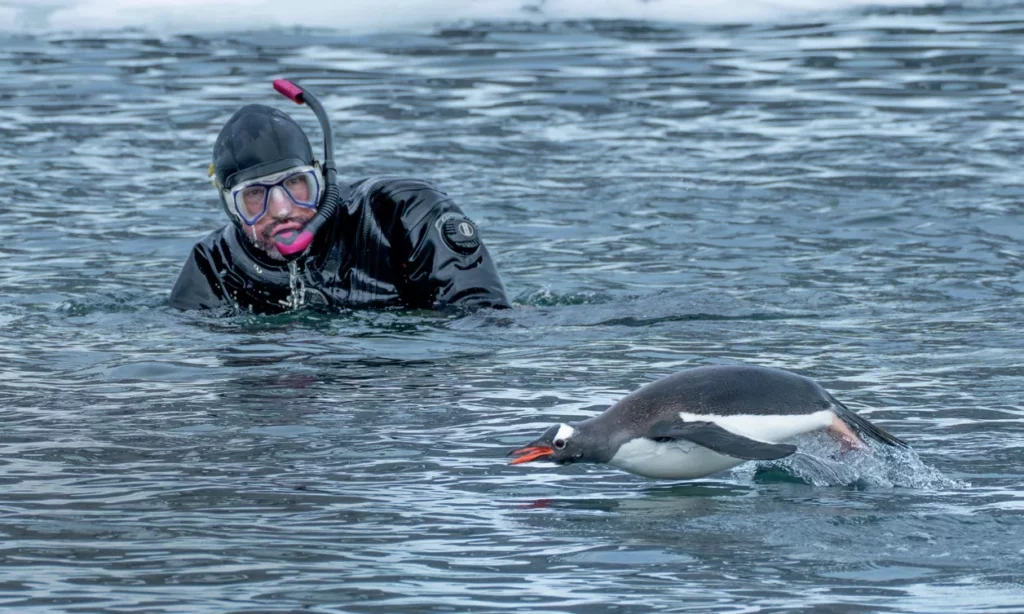
On some days we were in the water as grease ice formed around us. Grease ice forms when the water is so cold that snow falling on it doesn’t melt and instead coalesces into a thin, slick-like layer of ice. On other days I had to push large chunks of brash ice out of the way while snorkelling towards an ice floe where there were penguins or a sleeping leopard seal that I wanted to photograph. I wore a membrane drysuit, multiple layers of body, hand and foot thermals, dry gloves, and 7mm neoprene hood. While an expedition like this requires specialized polar gear, if you are looking to take your first steps into cold-water exploration, it helps to start with the best drysuit for new divers.
Matty advised us that we had to be prepared for a photo opportunity at any moment, such as coming upon a flock of penguins in the open water. This meant wearing drysuit thermals throughout the day and quickly donning drysuits even if it was snowing. The only unprotected parts of my body were my lips and the strip of face around my mask, and my lips went numb immediately when I entered the water. The longest time I spent in the water was about 45 minutes (it was usually around 30 minutes). By then it was my painfully cold hands that drove me out of the water, while the rest of my body was comfortable.
Photography
I used one underwater camera rig for the entire trip – Sony a1, Sony 16-35 mm lens in a Nauticam housing and dome port, and GoPro clamped to the housing. The rig spent the entire trip on the back deck and was only opened to swap batteries and memory cards. This meant having a second camera rig available for topside photography. Underwater cameras couldn’t be washed between dives because we had to be economical with freshwater, but this didn’t present any problems for the housings. Rather than buy an expensive brand-name rinse bag, my rig lived happily on the deck in a padded pizza delivery bag.
Happy Feet, happy divers
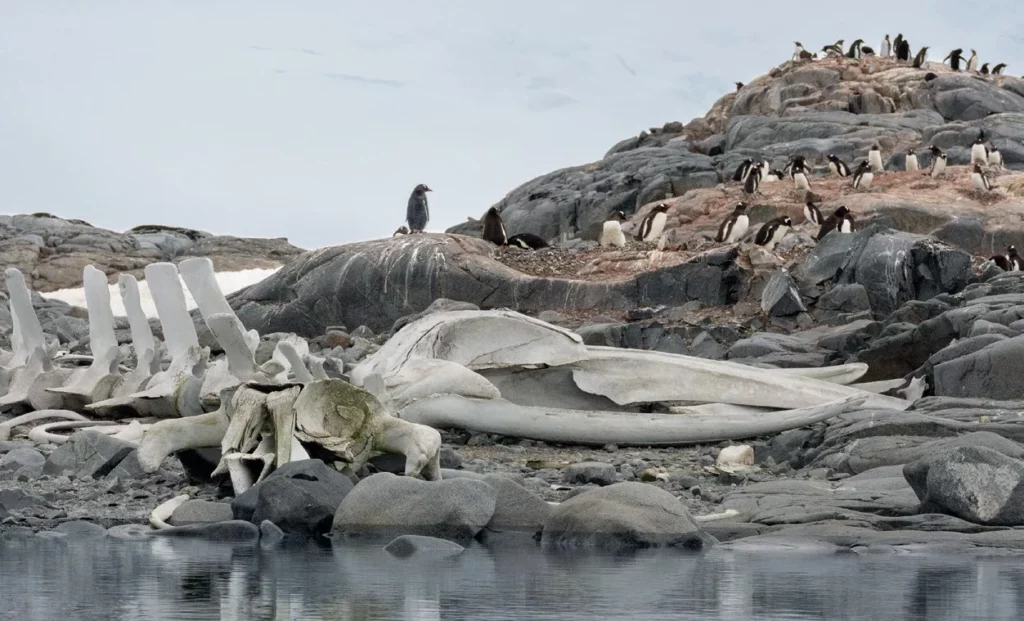
Penguins are an iconic inhabitant of Antarctica. We saw Adelie, chinstrap, gentoo and emperor penguins. Concerns about the spread of bird flu meant that on land we had to stay a safe distance away from them. This sometimes meant walking backwards and away from a curious penguin that wanted to come closer for a better look. We also had to stick to designated areas to avoid damaging their walking trails.
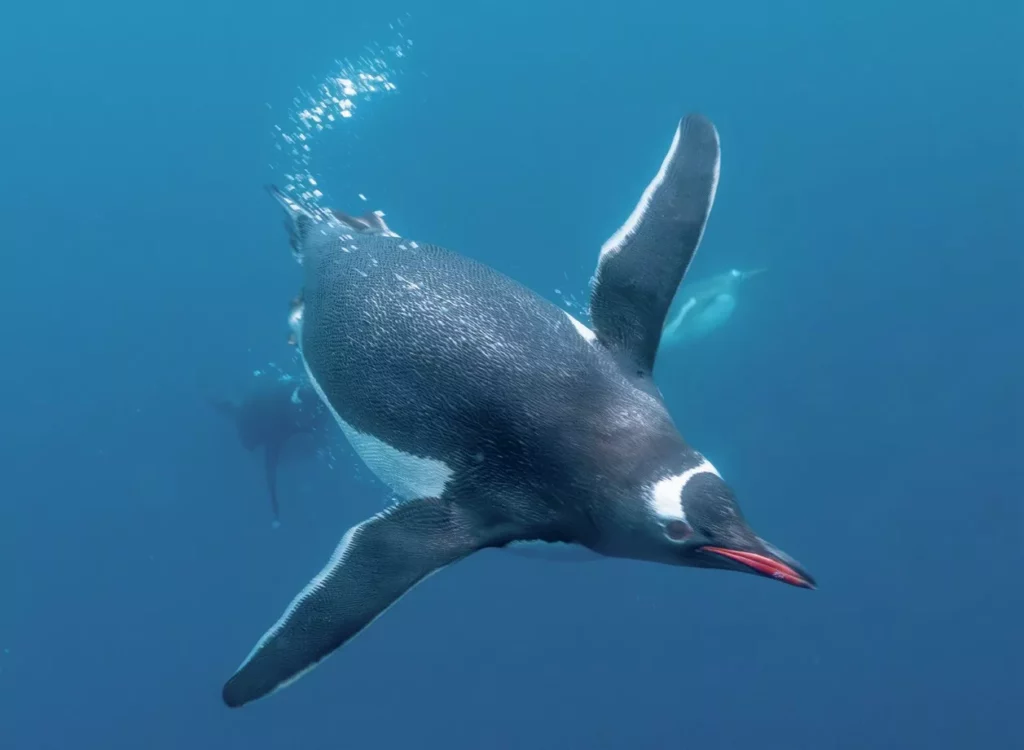
Underwater it was a different story – the penguins were more cautious. This was probably because their predators (leopard seals, orcas) inhabit the water. Initially wary, they remained just out of the range of underwater visibility while we watched them bobbing around on the surface. When they had decided we were safe to approach, it was like being in the midst of an underwater meteor shower – the whole flock streaked past and underneath, swerving and dipping, their white chests contrasting brilliantly against the deep blue of the water…
Gentoos are the fastest penguins – they’ve been clocked swimming at up to ten metres per second. When they had decided we were safe to approach, it was like being in the midst of an underwater meteor shower – the whole flock streaked past and underneath, swerving and dipping, their white chests contrasting brilliantly against the deep blue of the water, trailing lines of tiny bubbles, and clouding the water with their poo. Popping up to the surface they noisily squawked and honked, as if they were swapping stories about the strange creatures they’d just seen. They left us by leaping out of the water and porpoising away at great speed.
Leopard seals
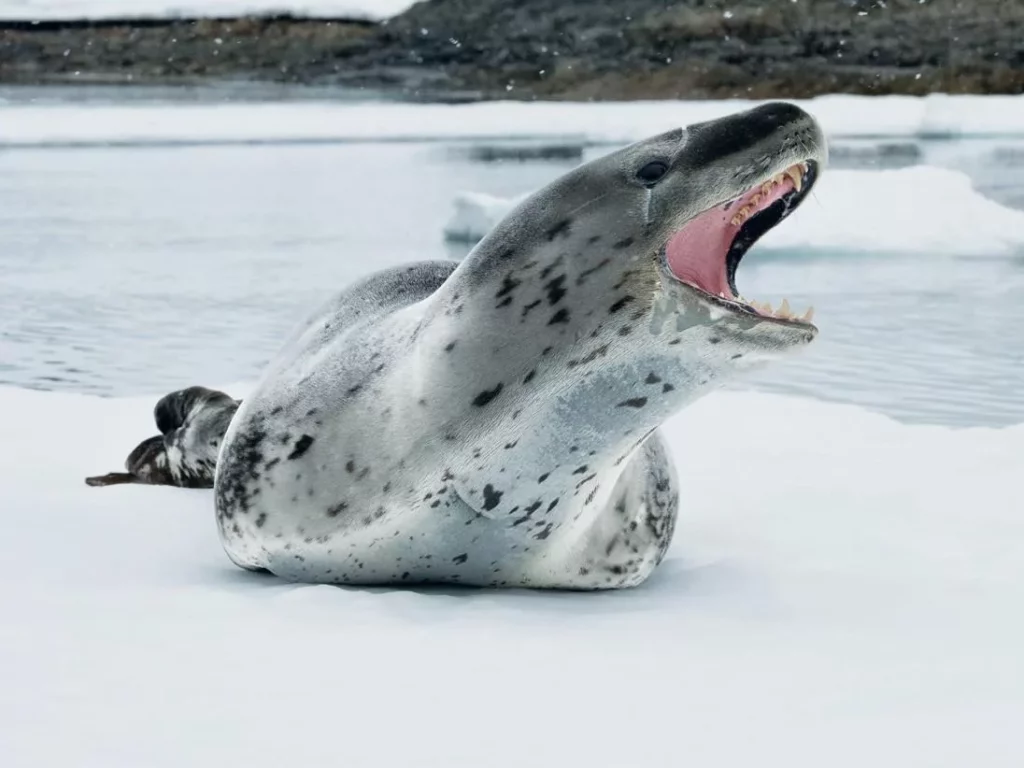
We saw lots of seals – leopard, Weddell, crabeater, southern elephant, and Antarctic fur seal. The sight of a seal peacefully sleeping on ice while it was snowing epitomized for me the adaptability of wildlife to the harsh reality of living in this coldest of places. If penguins are an iconic inhabitant of Antarctica, the leopard seal is one of its apex inhabitants (the other is the orca). Growing to three-and-a-half metres in length and weighing more than 500kg, a close encounter with a leopard seal underwater has been compared to meeting a lion or grizzly bear.
Leopard seals are generally solitary animals and are either hunting or sleeping. Most of the leopard seals we saw were sleeping on ice floes. Those sleeping close to the edge of the ice were good subjects for split shots.
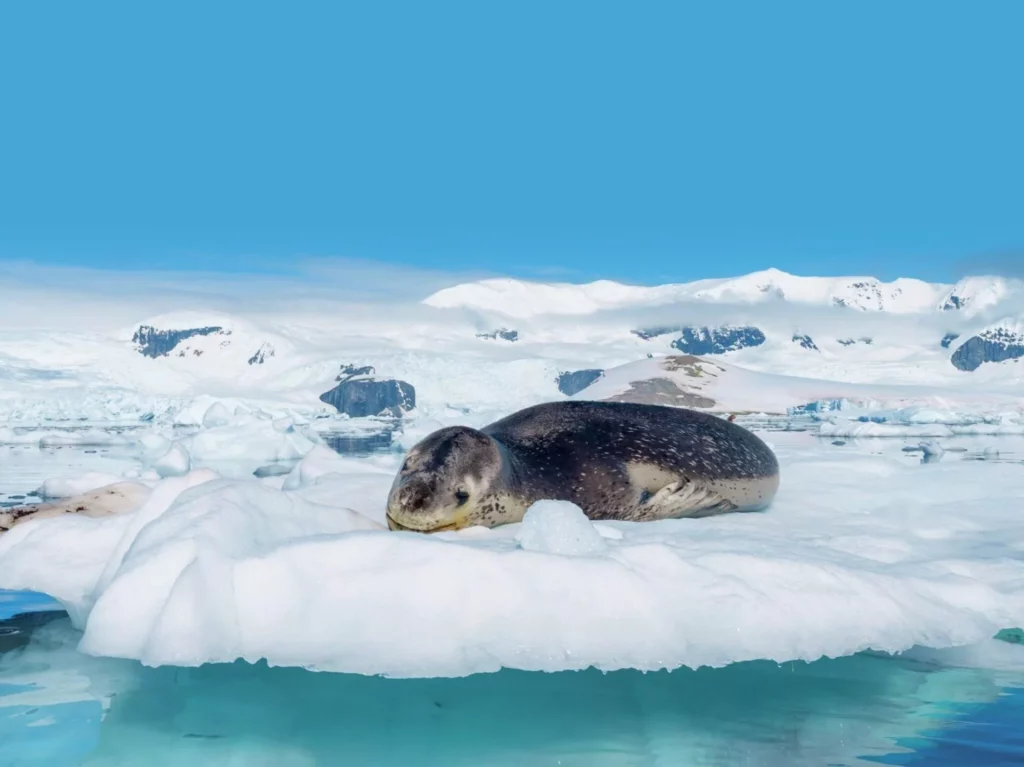
They didn’t appear to be disturbed by us approaching slowly and quietly to position ourselves and our cameras for the photos. They sometimes opened one eye to look at us, stretched or yawned, and usually went back to sleep. They radiated confidence that this was their domain and we weren’t worth bothering about.
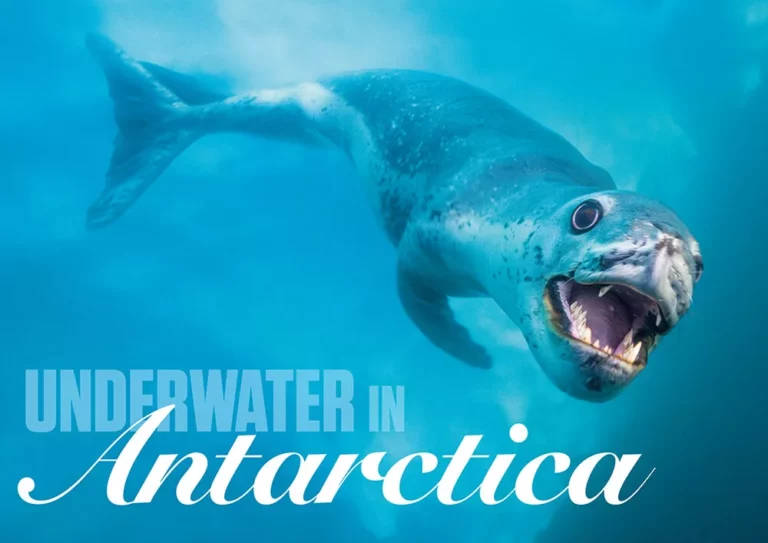
A leopard seal underwater is clearly in charge. Despite allusions to lions and grizzlies, the leopard seals we met underwater were either wary or dominant but not dangerously aggressive. The leopard seal we spent most time with initially watched us from a distance as we floated on the surface, sometimes retreating out of sight under the iceberg it had been exploring when we met it.
Looking like it was feeling more comfortable, the leopard seal stopped hiding under the iceberg and swam closer and closer. It would rush quickly towards us, then spread its large flippers, bend its body, and swerve sharply away. Several times it lunged at my dome port, stretching its neck and opening its enormous mouth just a hand’s-breadth away, exposing its array of teeth and bristly tongue.
Leopard seals use their canines and incisors to stab and hold squid, penguins, and smaller seals then shake them until they fall apart into small pieces that they can swallow. The wonderfully descriptive term for this is ‘raptorial grip-and-tear feeding’. They use the row of interlocking side teeth to sieve krill from the water. Leopard seals are a most unusual apex predator – their array of teeth types allow them to feed at both the top and bottom of the food web.
While these open-mouthed lunges gave me a close-up and sometimes frightening view of its beautifully adapted teeth, we read them as a sign that it was probably time to leave. I don’t know whether the leopard seal was lunging at its own reflection in my dome port or directing its dominance display to me, but it wasn’t the time for further research.
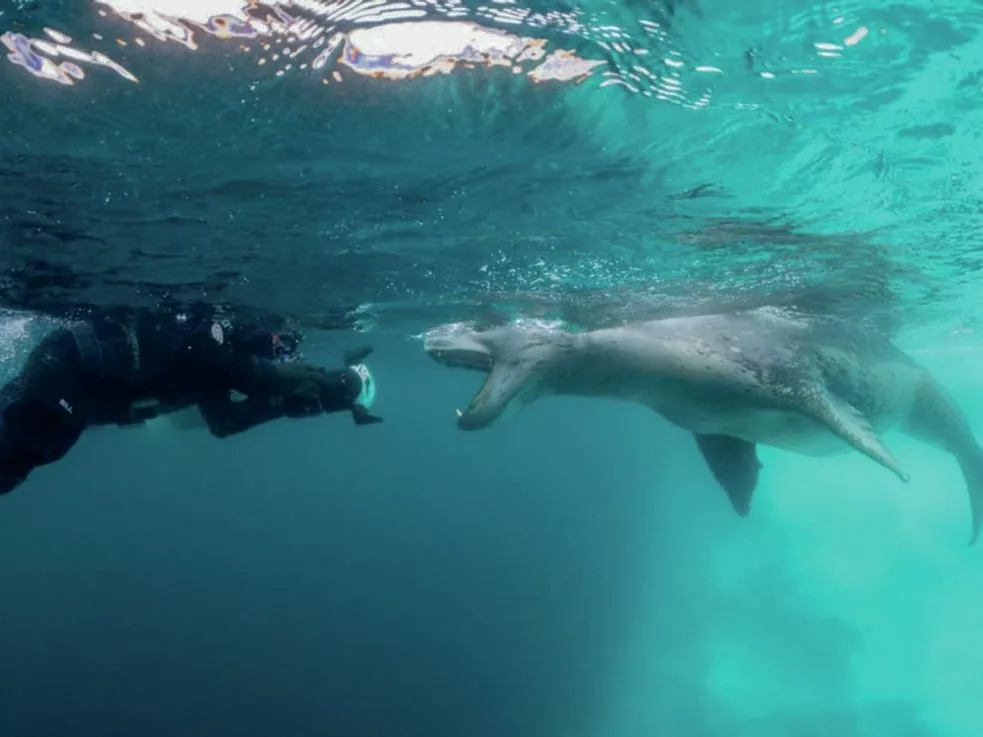
It followed us as we swam back to the dinghy, sometimes swimming around our fins, but eventually stopped and returned to its exploration of the iceberg where we met.
I’m going back
Doing a ton of preparation, travelling to the most-southerly tip of South America, then sailing to the bottom of the world seems excessive for snorkel dives that last only 30 to 45 minutes. But I will remember every one of those brief times underwater in Antarctica for the rest of my life. And those dives were interspersed with breathtaking scenery, memorable encounters with wildlife, and happy times with the group. I was also left with a deep feeling of satisfaction from meeting the challenges of travelling in very harsh conditions, dealing with difficult weather, living with a small group of people on a small boat, and bringing home some good photos. I’m definitely going back.
FAQS
What is the water temperature when diving in Antarctica?
Water temperatures in Antarctica during the summer regularly drop below 0°C (32°F). The water is so cold that “grease ice” can form around you on the surface, requiring specialized exposure protection.
What equipment do you need for scuba diving in Antarctica?
Divers must use a high-quality membrane drysuit paired with multiple layers of thick thermal undergarments, dry gloves, a 7mm neoprene hood, and specialized cold-water environmental regulators to prevent free-flows.
Are leopard seals aggressive to divers underwater?
While leopard seals are apex predators capable of dominant behavior—such as wide-mouthed displays close to camera ports—the encounters on this expedition showed they are generally curious or wary rather than inherently aggressive.
How long can you stay underwater in polar conditions?
Due to the extreme cold, most polar dives or snorkel sessions last between 30 and 45 minutes. The limiting factor is almost always numbing cold in the hands, even when the rest of the body remains warm.
Can you see penguins underwater while diving?
Yes! While wary at first due to predators, curious flocks of Gentoo, Adélie, Chinstrap, and Emperor penguins will often zoom past divers, showcasing incredible speeds of up to 10 meters per second.
This article was originally published in Scuba Diver Magazine
Subscribe today with promo code DIVE1 — enjoy 12 months for just £1!
